Quick summary
For youth drone soccer and school STEM programs, IEC 62133 is the baseline safety standard for the lithium-ion cells and packs used in student equipment. But IEC 62133 alone does not make a product legally sellable or shippable: teams and schools should also expect UN 38.3 transport testing, correct export classification, and local children’s product or sports equipment rules where they apply. IEC 62133 covers cell and pack safety, not aircraft rules such as EU UAS requirements, so procurement should ask suppliers for the full evidence set, not one certificate.
Key Takeaways
- IEC 62133 is a battery safety standard, not a drone, toy, or children’s product approval by itself.
- For lithium-ion cells and packs, the current parts are IEC 62133-2; older certificates may reference the withdrawn combined edition.
- Schools should expect UN 38.3 transport evidence plus IEC 62133 safety evidence for the same pack.
- “Children’s product” and “sports equipment” rules vary by country. Ask which jurisdiction your supplier is testing to.
- Confirm commercial terms and certificates in writing before ordering for a school program.
What IEC 62133 actually covers
IEC 62133 is an International Electrotechnical Commission standard for the safety of secondary (rechargeable) cells and batteries. It defines tests for reasonably foreseeable misuse, including abnormal charging, external short circuit, mechanical abuse and thermal exposure. It exists so that a cell or pack does not fail dangerously under those conditions.
Critically, IEC 62133 is a component-level standard. It does not certify a finished drone, a radio system, or a youth activity. A compliant battery is one input into a safe product; it is not a product approval on its own.
The standard was split. IEC 62133-1 covers nickel systems, while IEC 62133-2 covers lithium-ion and lithium-polymer systems. Drone soccer (BKZ) balls and transmitters overwhelmingly use lithium-ion or lithium-polymer, so IEC 62133-2 is the part that matters. If a supplier shows a certificate against a superseded edition, ask for the current report.
Why schools hear this standard most often
Schools and youth training institutions usually encounter IEC 62133 through a procurement form or an insurer’s checklist. It is a convenient shorthand for “this battery has been tested to an internationally recognised safety standard.” That is useful, but it is only the first layer of a much larger evidence stack.
The full evidence stack for youth drone equipment
A school program should think in layers. Each layer answers a different question, and no single document answers all of them.
| Layer | Question it answers | Typical evidence |
|---|---|---|
| Cell and pack safety | Is the battery safe under foreseeable misuse? | IEC 62133-2 test report |
| Transport | Can it legally fly or ship as dangerous goods? | UN 38.3 test summary |
| Product rules | Can this be sold for use by children here? | Country-specific children’s product rules |
| Aviation rules | Can students fly it where we operate? | Aircraft registration / operator rules (e.g. EU UAS) |
| Commercial | What did we actually buy and what is covered? | Written spec, warranty and support terms |
Layer 1: IEC 62133-2
This is the safety baseline. Ask for a test report, not a logo. Check the standard edition, the cell and pack model numbers, and that the report covers the exact configuration you are buying.
Layer 2: UN 38.3 transport
Lithium batteries are regulated dangerous goods when shipped. UN 38.3 is the transport-testing framework referenced by air and sea freight rules, and a UN 38.3 test summary is normally requested by carriers. This is separate from IEC 62133: a pack can be safe and still need the right transport documentation. See our guidance on battery shipping compliance for the paperwork side.
Layer 3: children’s product and sports equipment rules
This is where youth programs get complicated. “Children’s product” and “sports equipment” rules are jurisdictional. The United States, the European Union, the United Kingdom and others define children’s products and toy categories differently, and sports equipment is often treated as its own category rather than a toy.
Rules that may apply include:
- Age-grading rules and warnings for products intended for children.
- Chemical and material restrictions (for example, restricted substances in accessible parts).
- Radio equipment rules, because drone soccer gear transmits.
- UAS or drone-specific operating rules, which are separate from product rules.
Two-thirds of the confusion in school procurement comes from mixing product rules with operating rules. A battery standard does not authorise flight, and an operating authorisation does not certify the battery.
Product rules and operating rules are different layers
Buyers often assume one certificate covers everything. It does not. Battery safety, product market access, and aircraft operation are governed by separate frameworks. In the EU, for example, UAS rules deal with how drones may be operated and registered, which is distinct from battery or toy compliance. We cover that layer separately in our overview of EU UAS requirements.
For classification questions — what tariff code or control status a part carries — the compliance centre’s guidance on export control and product classification is the right starting point. The compliance center overview ties these layers together.
Why IEC 62133 matters even more for youth gear
Adult hobbyists accept some risk. Schools cannot. Youth programs bring together three risk multipliers: young users, group settings, and repeated charge cycles between sessions.
That is why IEC 62133-2 testing is a reasonable minimum ask. It demonstrates the pack has been evaluated against abnormal charging and short-circuit scenarios, which are exactly the failure modes seen when novice users share chargers and stack equipment in a storage box.

For context on how seriously lithium battery risks are treated in transport, the U.S. Federal Aviation Administration states plainly that all lithium-ion batteries can overheat and undergo thermal runaway, which can be triggered by damage, overheating, water exposure, overcharging or improper packing, and can also occur from manufacturing defects. The FAA also notes that spare lithium batteries must be carried in carry-on baggage only and that battery terminals must be protected from short circuit. That is general passenger guidance, but it illustrates why tested, undamaged packs matter in youth settings. Source: FAA PackSafe — Lithium Batteries.
Procurement checklist for schools and clubs
Use this as a written request to any drone soccer supplier. Ask for the documents, not assurances.
- Battery model number and configuration in writing, matched to the drone soccer ball or transmitter you are buying.
- IEC 62133-2 test report covering that exact cell and pack, with the standard edition stated.
- UN 38.3 test summary for the same pack.
- Target market statement: which countries the supplier is declaring the product compliant for.
- Children’s product or sports equipment rationale: how the supplier classifies the product and against which national rules.
- Radio/equipment compliance evidence for transmitters and receivers (for example, ELRS-class radio gear).
- Safety documentation for students: charging instructions, storage guidance, damaged-battery procedure.
- Spare parts and replacement policy in writing, including how to obtain replacement packs.
- Commercial terms in writing: pricing validity, lead time, MOQ and warranty — request these explicitly rather than assuming them.
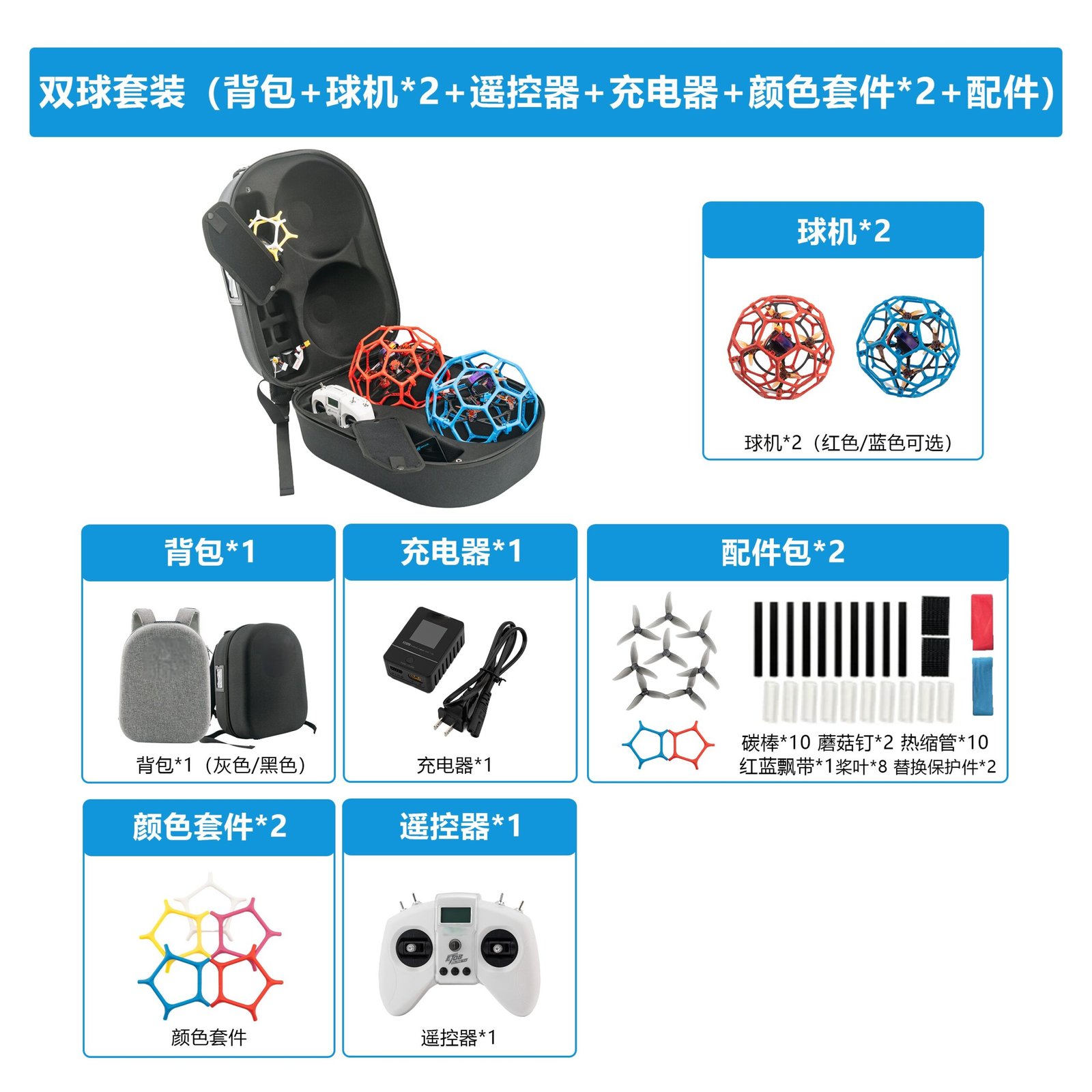
A contextual note on radio gear
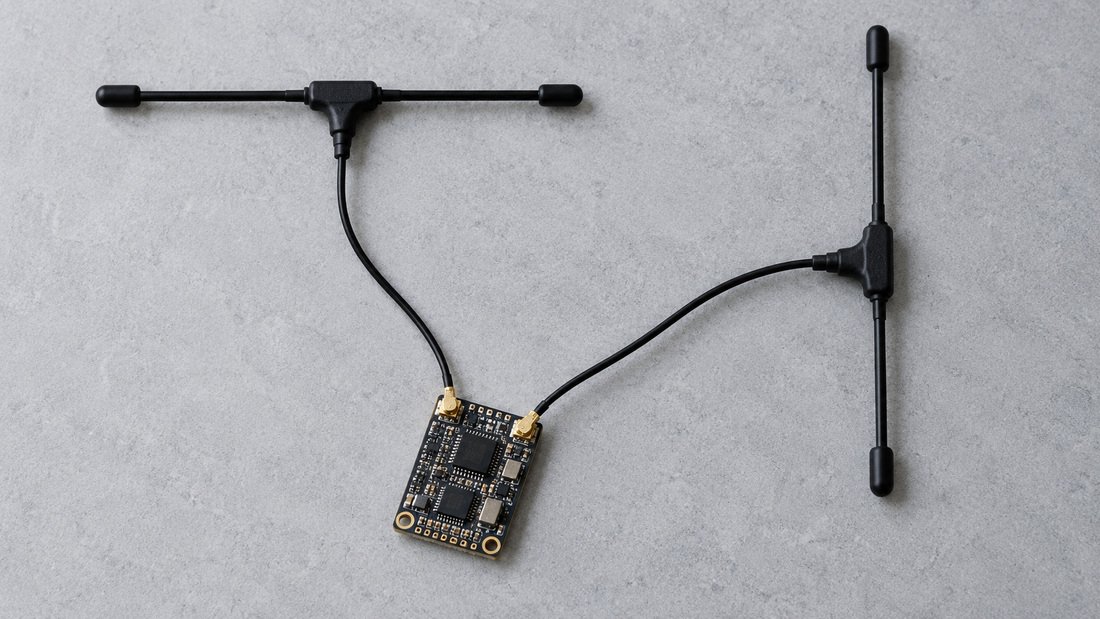
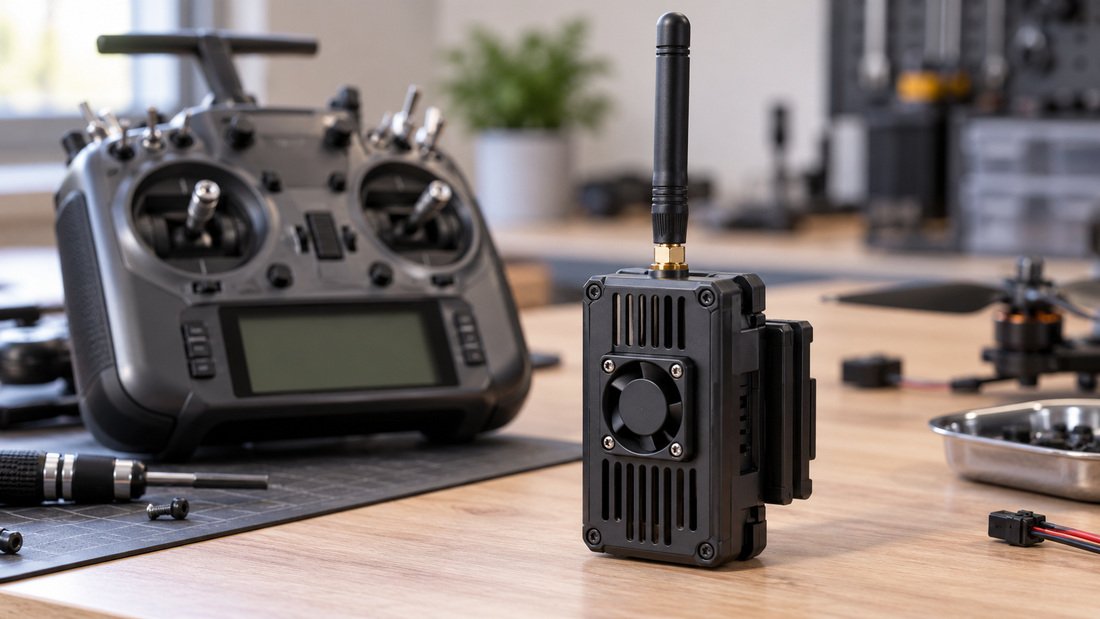
Batteries are not the only regulated component. Receivers and transmitters used in drone soccer also carry radio compliance expectations. Parts such as an ELRS diversity receiver or an ELRS external transmitter module should come with their own conformity evidence, separate from the battery pack report.
If you are planning a multi-school rollout, you may need battery shipping compliance documentation for every delivery, not just the first one. Shipping batteries to individual school sites is a common friction point.
Common mistakes in youth drone procurement
- Treating one certificate as full clearance. IEC 62133 is one layer, not a blanket approval.
- Accepting a logo instead of a report. A test report names models and standards; a logo does not.
- Mismatching the certificate to the pack. A report for a different cell or capacity is not evidence for yours.
- Assuming global validity. Children’s product and sports equipment rules are national or regional, not universal.
- Confusing product and operating rules. Buying compliant gear does not handle flight permissions.
- Leaving charging procedure undefined. Most incidents in youth settings trace back to charging and storage habits.
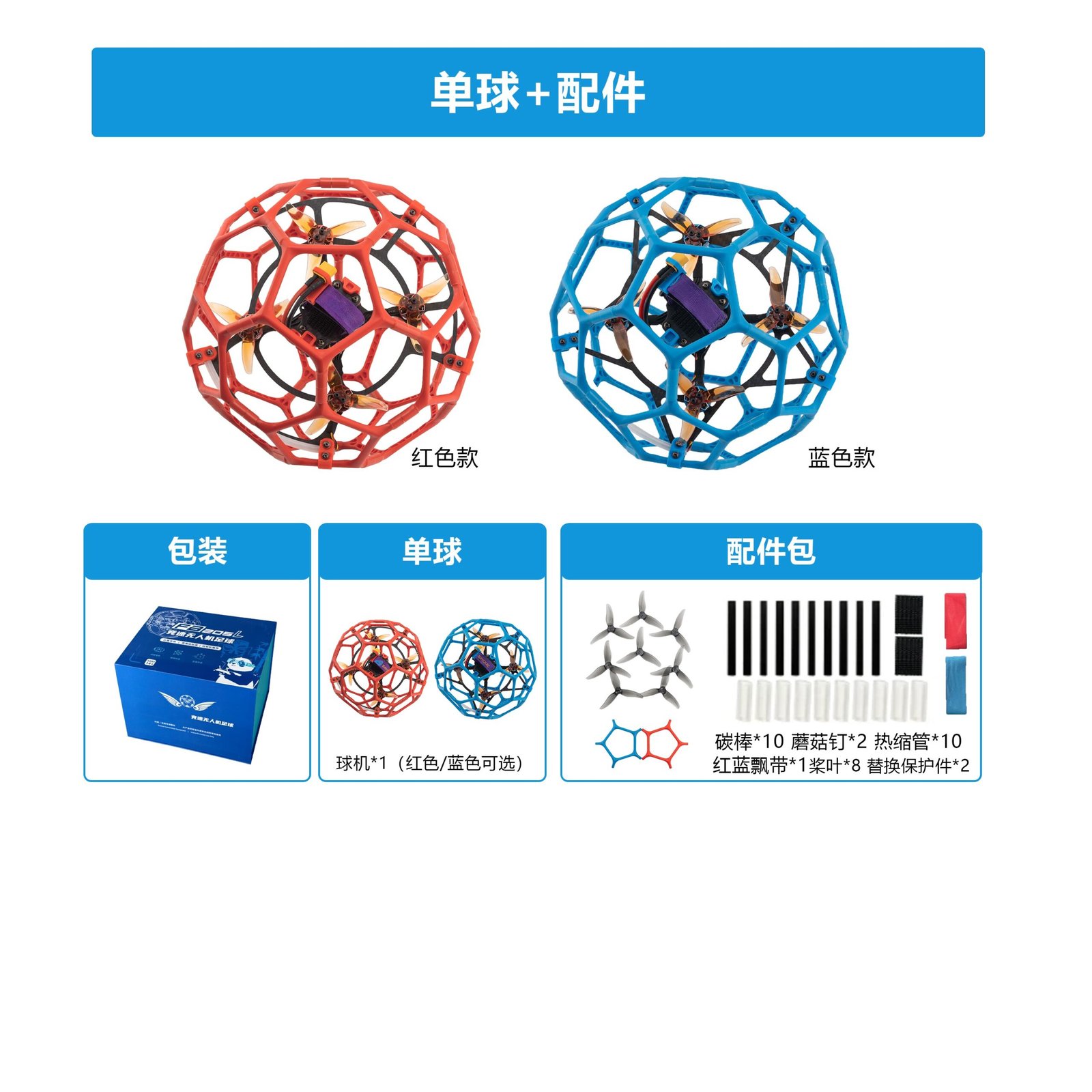
Trade-offs to weigh
| Decision | Trade-off |
|---|---|
| Cheaper unbranded packs | Lower unit cost, but often no traceable IEC 62133-2 or UN 38.3 documentation |
| Fully documented packs | Higher cost, but simpler insurance, grant and school-board approval |
| One large order | Better pricing and fewer shipments, but more storage and battery-age management |
| Frequent small orders | Simpler storage, but repeated shipping compliance work and higher unit cost |
| OEM/ODM customisation | Fits your program, but compliance evidence must be re-established for the new configuration |
There is no universally correct answer. Schools with strict procurement policy usually accept higher unit cost to reduce approval risk. Clubs replacing packs frequently may prioritise availability and a stable supplier.
Frequently asked questions
Is IEC 62133 required by law for drone soccer batteries?
IEC standards are often voluntary in themselves, but they may be referenced by national regulations, carrier requirements, insurers or school procurement policies. Whether it is mandatory for you depends on your jurisdiction and your buyer’s rules. Ask your supplier which rules they are declaring against, and confirm with your own compliance adviser.
What is the difference between IEC 62133 and UN 38.3?
IEC 62133 is a safety standard for cell and pack design and misuse testing. UN 38.3 is a transport-testing framework for lithium batteries being shipped. They are complementary; schools should ask for both.
Which part of IEC 62133 covers lithium-ion batteries?
For lithium-ion and lithium-polymer systems, the relevant part is IEC 62133-2. Nickel-based systems are covered by IEC 62133-1. Older certificates may reference the pre-split combined edition.
Does IEC 62133 make a product a compliant children’s product?
No. Children’s product rules are a separate, jurisdiction-specific layer covering age grading, warnings, materials and radio equipment. IEC 62133 addresses battery safety only.
Do we also need drone or UAS approvals?
Usually yes, if you intend to fly. Operating rules such as EU UAS requirements are separate from battery and product compliance. Check the rules for the country where you operate.
How do we ship replacement batteries to schools?
As regulated dangerous goods, with proper UN 38.3 documentation, correct packaging and terminal protection. Confirm the shipping method and paperwork with your supplier and carrier in advance.
What should we ask a supplier before ordering?
Ask for the exact pack model, the IEC 62133-2 report, the UN 38.3 summary, the target-market statement, and written commercial terms including lead time, MOQ and warranty.
Conclusion and next step
For youth drone soccer and school STEM programs, IEC 62133-2 is the right starting point for battery safety, but it is only the first layer. Pair it with UN 38.3 transport evidence, a clear statement of which children’s product and sports equipment rules the supplier is declaring against, and separate handling of operating rules like EU UAS requirements. Confirm every commercial term in writing, and match each certificate to the exact pack you are buying.
If you are equipping a school program or a youth league, our team can walk through the documentation set and help you plan batteries, spare parts and replacements. Request a School Program Quote to start the conversation.