Quick summary
Choosing an FPV frame for a club or school fleet starts with the mission, not the spec sheet. Decide the prop size and class rules first, then match frame geometry, arm thickness, spares availability and electronics compatibility. For most teams, the right frame is the one you can repair quickly, buy again in six months, and share across your entire fleet. FC, ESC, motor, camera, VTX and receiver mounting patterns should be confirmed before purchase. Here is how to compare options in a way your finance team will accept.
Key Takeaways
- Pick the frame size from class rules and prop size, not from marketing labels.
- Standard mounting patterns (FC, motor, camera, VTX) reduce rebuild time and spare stock.
- For teams, a single repeatable frame platform beats five “best” frames.
- Protective shells and replaceable arms cut downtime more than any single spec.
- Ask for written confirmation of material, hardware, MOQ and spare availability before ordering.
Start with the mission, not the frame
Write down what the frame has to survive: indoor drone soccer, outdoor practice, freestyle demos, or STEM build sessions. Indoor contact play needs protection and easy arm swaps. Outdoor practice may need more stiffness and better vibration behaviour. A build-program frame may need tool-friendly hardware that students can assemble without stripping threads.
Only after that should you look at any drone frames. This order prevents the classic mistake of buying a race-proven frame that is too fragile for repeated beginner crashes.
How to choose an FPV frame: the five decisions
1. Prop size and frame class
Frame size is usually described by prop size. A 5-inch frame takes 5-inch props; a 3-inch frame takes 3-inch props. Motor-to-motor diagonal matters because it sets the maximum prop and the overall footprint. Confirm the diagonal and the prop size in the same unit your class or venue uses.
Do not assume a “5-inch” label guarantees a specific prop clearance. Ask the supplier to confirm the maximum prop diameter and the motor mounting holes.
2. Frame geometry and stack space
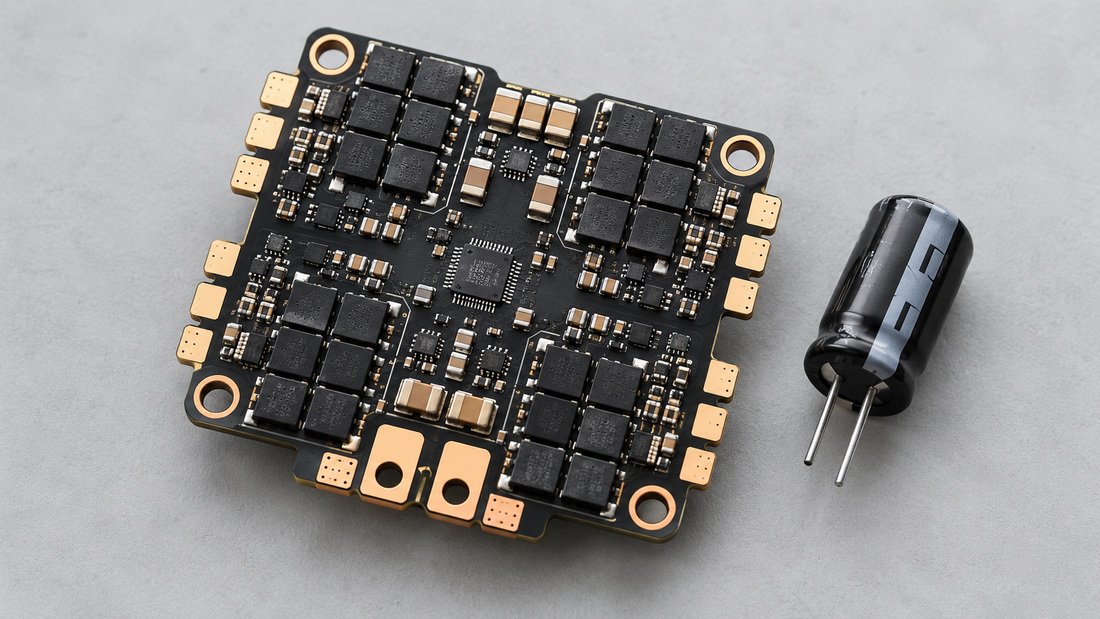
Geometry affects handling and where parts fit. A stretched X favours forward flight; a true X is often easier for balanced indoor control. The stack height and board spacing determine what flight controller (FC) and four-in-one ESC will fit.
A flight controller is the computer that reads sensors and sends commands to the ESC. Betaflight is free, open-source flight control software for every kind of drone, and it runs on a wide range of flight controllers from many manufacturers (source: Betaflight getting-started documentation). That matters for teams because a frame that accepts a common FC mounting pattern gives you more firmware and hardware choices later.
3. Materials and arm thickness
Most frames use carbon fibre plate and tube, sometimes with aluminium or plastic standoffs. Thicker arms resist bending but add mass. Lighter arms fly better but break more in beginner hands. For a school fleet, choose the arm that survives your typical crash, then stock spares.
Ask for the material grade and the actual measured thickness, not a rounded marketing number.
4. Electronics and antenna compatibility
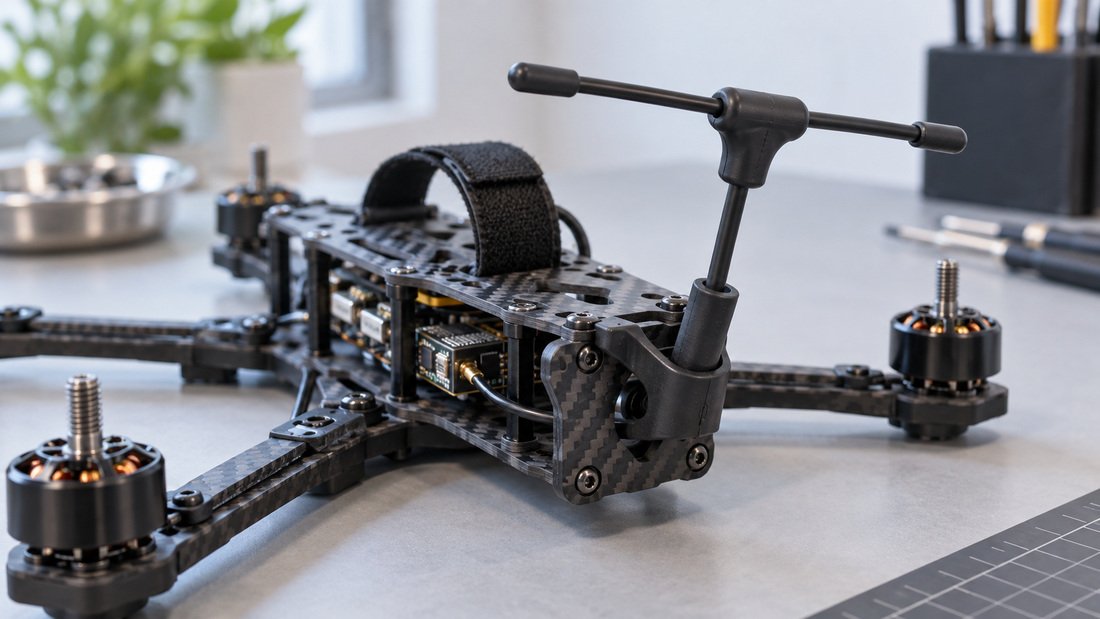
Check the mounting patterns for the FC, ESC, motor, camera, VTX and receiver before ordering. If your team uses ExpressLRS (ELRS), confirm the frame has a sensible antenna mount rather than a taped-on solution. A receiver that is easier to mount is a receiver you replace faster.
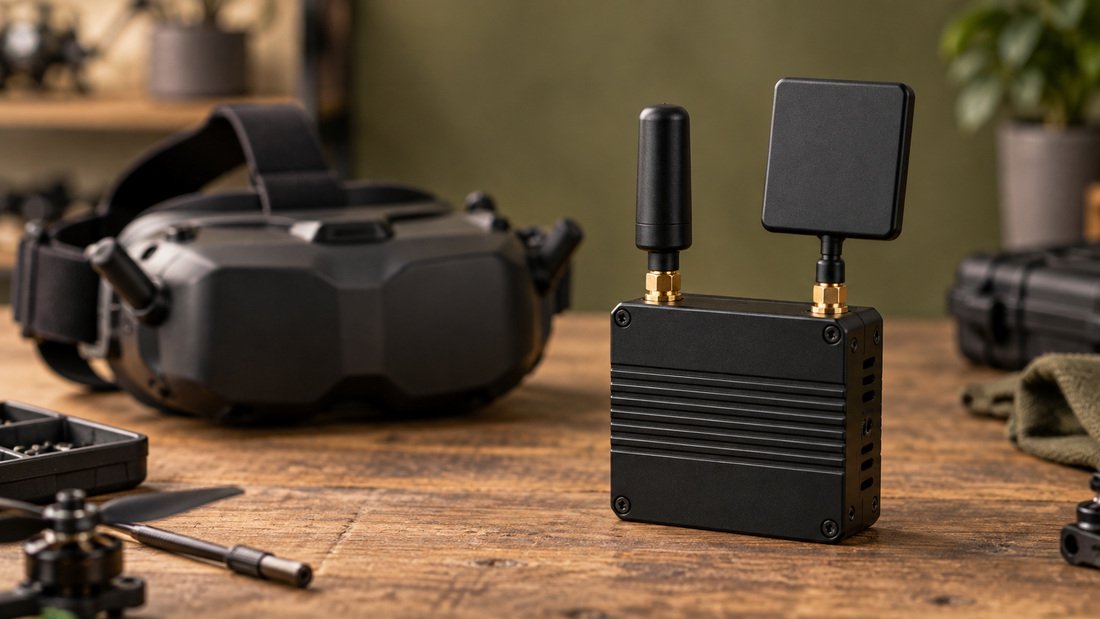
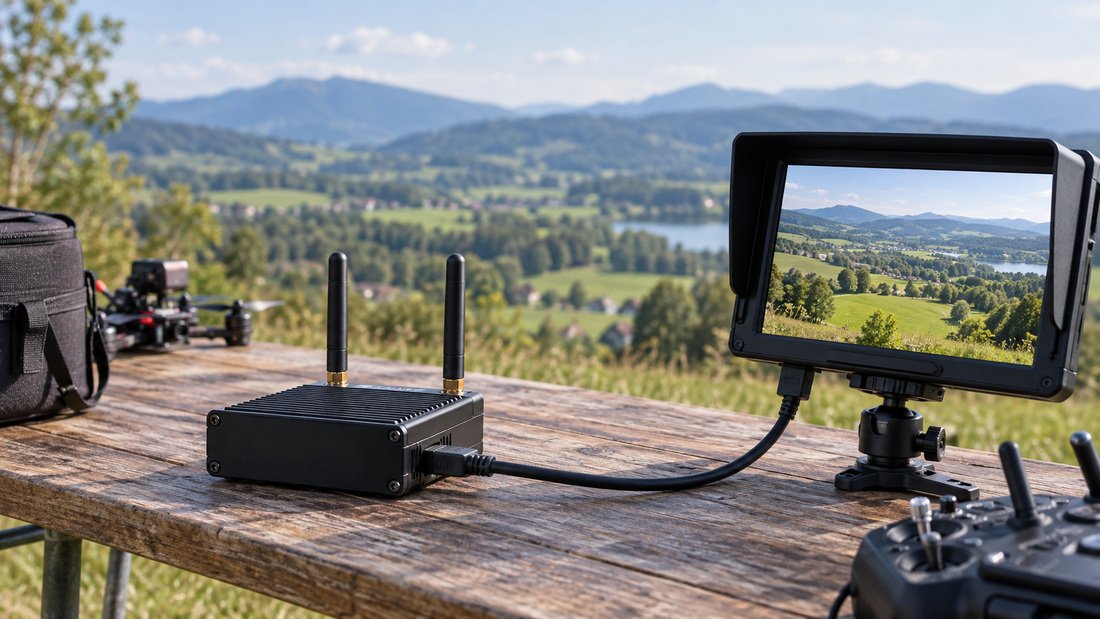
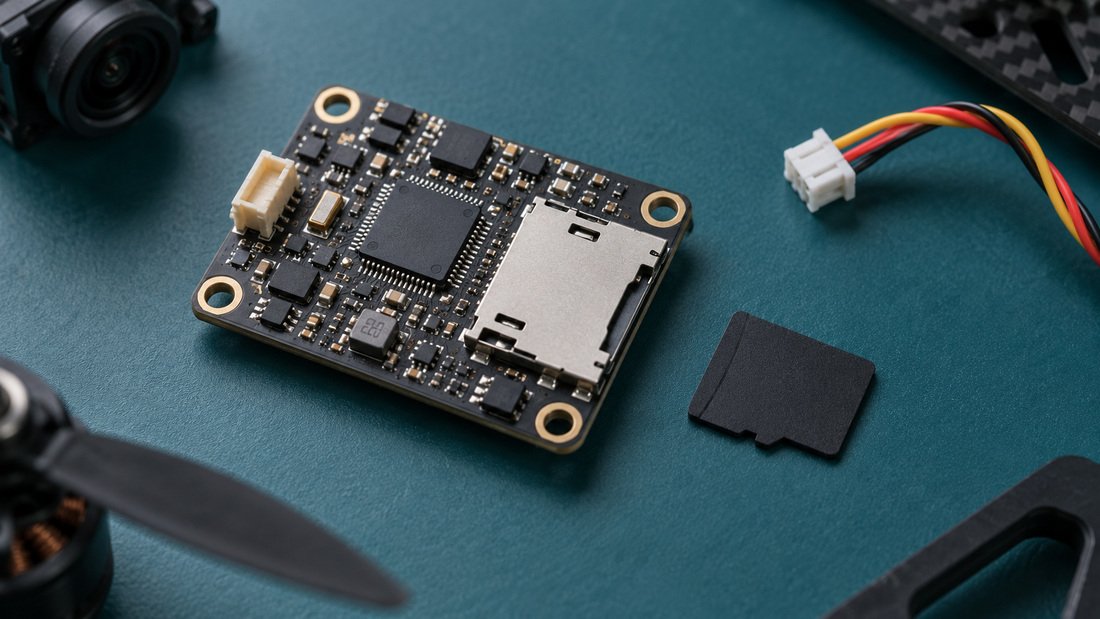
Video systems differ too. Analog video diversity receivers and digital video ground receivers both need a frame layout that keeps antennas clear of carbon. DVR boards or microSD recording modules need a protected mounting area, especially for coaching review.
5. Spares and repairability
A frame is only as good as its replacement parts. Teams break arms, landing feet, antenna mounts and standoffs. If those parts are not sold separately, every crash becomes a full-frame purchase.
For drone soccer, drone soccer replacement parts and protective shells are often more important than the frame plate itself, because the shell absorbs the contact your players will make every practice.
Comparison: frame types for team fleets
This table compares common options at a general level. Actual specifications vary by supplier, so confirm each row in writing.
| Frame type | Typical strength | Typical trade-off | Best fit | Confirm before buying |
|---|---|---|---|---|
| Small indoor / 3-inch | Low mass, tight indoor handling | Less wind tolerance outdoors | Indoor programs, beginner builds | Max prop size, motor holes |
| 5-inch freestyle | Balance of durability and power | Heavier than race frames | Club practice, demos | Arm thickness, stack height |
| 5-inch racing | Low mass, quick response | Breaks more in beginner crashes | Experienced pilots | Spare arms in stock |
| Long-range / 7-inch+ | Efficiency and stability | Not suitable indoors | Field programs, mapping practice | VTX and GPS mounting |
| Drone soccer shelled frame | Contact protection | Adds mass and drag | Drone soccer teams | Shell fit, spare shells |
For fleet consistency, many programs buy propulsion combo kits so motors, ESCs and props match across every airframe.
Where teams lose money: common mistakes
- Buying five different frames. Mixed fleets multiply spare parts and tuning time.
- Ignoring mounting standards. Non-standard FC or motor holes lock you into one supplier.
- Skipping spares. A cheap frame with no replacement arms costs more per season.
- Buying for the top pilot only. Beginners crash more, so choose for the median skill level.
- Assuming firmware support. Betaflight runs on flight controllers from many manufacturers, but support for each board comes from its manufacturer (source: Betaflight getting-started documentation). Check that your chosen FC is supported before committing a fleet.
A practical procurement checklist
Use this checklist before you request pricing. It keeps comparisons fair and prevents mid-season shortages.
- Class or venue rules that limit prop size, weight or shell type.
- Required prop diameter and motor-to-motor diagonal.
- Mounting patterns: FC, ESC, motor, camera, VTX, receiver.
- Arm thickness, material grade and hardware type.
- Whether arms, shells, standoffs and feet are sold separately.
- Spare parts ratio per active airframe (for example, extra arms and shells).
- Written MOQ, unit price at each quantity break, and packaging.
- Lead time, shipping method and who handles duties.
- Sample evaluation: request one unit to build and crash-test before a fleet order.
- Payment terms, tax and warranty wording in writing.
Ask the supplier to state which items are confirmed and which are estimates. Keep that reply with your purchase records.
Set a realistic spare-parts budget
Budgets built only on airframe cost fail in the first month. Add a spare allowance for arms, props, shells, standoffs, screws and antenna mounts. A simple rule is to start from your crash history, not a guess. If you do not have history yet, buy a small buffer and record every failure in a log.
Track which part fails most often. If it is always the shell or the arm, that is your next purchasing priority, not a new frame model.
How to evaluate a sample frame
Order a sample before a fleet purchase. Build it with your standard electronics, then check:
- Do the FC and ESC holes line up without re-drilling?
- Do the motor screws reach the motor without touching windings?
- Does the camera mount hold angle under vibration?
- Is the antenna mount usable with your actual receiver?
- Can a student swap an arm with the tools you already own?
- Does the shell fit and stay fitted after impact?
Score each answer and compare suppliers on the same sheet. This is more reliable than reading feature lists.
Frequently asked questions
What is the best FPV frame size for a school team?
It depends on your rules and space. Small indoor frames suit gyms and beginner builds; 5-inch frames suit outdoor club practice. Start from the venue and class rules, then confirm prop size and diagonal with the supplier.
Should a club standardise on one frame model?
Usually yes. A single model simplifies spares, tuning and coaching. If you need two classes, standardise one model per class rather than mixing brands within a class.
Are carbon fibre frames always better?
Carbon fibre is common for strength-to-weight, but the grade and thickness matter more than the material name. Ask for measured thickness and confirm replacement arms are available.
How many spare arms should we buy?
Use your crash log. If you have no history, buy a modest buffer, record failures, then reorder based on real data rather than a fixed percentage.
Does the frame affect Betaflight setup?
The frame affects vibration, tuning and how you mount the flight controller. Betaflight itself supports a wide variety of flight controllers and receiver protocols, including CRSF, FPort and SBUS (source: Betaflight getting-started documentation). The frame must physically accept the board you choose.
Can we use one frame for drone soccer and freestyle?
Sometimes, but shells and protection change mass and handling. Many teams keep a shelled setup for contact play and a separate frame for practice. Confirm compatibility before assuming one frame does both.
What should be in writing before we order?
Specifications, material and thickness, mounting patterns, spare parts availability, MOQ, unit pricing, lead time, shipping terms, payment terms, and warranty wording. If a term is not confirmed, treat it as an open question.
Conclusion and next step
To choose FPV frames for a team, define the mission, lock the prop size and mounting standards, then select for repairability and spares. Standardise where you can, sample before you scale, and keep a crash log so your next order is based on evidence rather than opinion.
Ready to equip a squad? Gather your class rules, prop size, electronics list and expected fleet size, then Request a Team Kit Quote so the frame, power and spare options can be confirmed in writing.