Quick summary
Drone soccer is played in dozens of countries, with the strongest communities in South Korea, the United States, China, Japan, several European nations and a growing list of emerging markets. There is no single worldwide governing body that licenses every league, so participation is best confirmed through national associations, school programs and event organizers rather than one global list. If you are evaluating drone soccer rules and basics for a club or school, start with the format: two teams, five players, armored drones inside a netted arena, points scored by passing through a suspended ring.
Key Takeaways
- Drone soccer has no single global register; participation is confirmed country by country through leagues, schools and event organizers.
- South Korea is widely recognized as the origin market, and the United States, China, Japan and parts of Europe have active school and club scenes.
- Rules vary by league, but the core basics are consistent: team size, arena geometry, scoring ring and safety equipment.
- Before buying, confirm the rulebook edition, spare-parts availability, radio protocol and battery handling with the supplier in writing.
- For schools, the regulatory framework matters as much as the sport format; in the United States, educational flight is governed by either the Exception for Limited Recreational Operations or Part 107.
Which countries play drone soccer?
There is no official worldwide census of drone soccer nations. The honest answer is that participation changes quickly, and the most reliable confirmation comes from national associations and event organizers in each market. The table below summarizes the markets most commonly associated with organized drone soccer activity and how a buyer can verify each one.
| Region or country | Typical activity level | How to verify |
|---|---|---|
| South Korea | Origin market; school leagues and national-level events | Contact national drone soccer association or event organizer |
| United States | School clubs, STEM programs and youth leagues | Ask state robotics or STEM networks and event organizers |
| China | School and university programs, competitions | Confirm through local education bureaus and organizers |
| Japan | Youth and university teams | Contact university robotics clubs and event organizers |
| Europe (multiple countries) | Clubs, school pilots and cross-border events | Check national aeromodelling or STEM associations |
| Emerging markets | Pilot programs, demos and school workshops | Ask distributors whether a local league exists yet |
If you are a distributor, do not assume that a country with drone soccer on television has a purchasing pipeline for club kits. Ask local organizers whether they buy through schools, a national federation or a single importer. That answer usually determines your route to market.
Drone soccer rules and basics
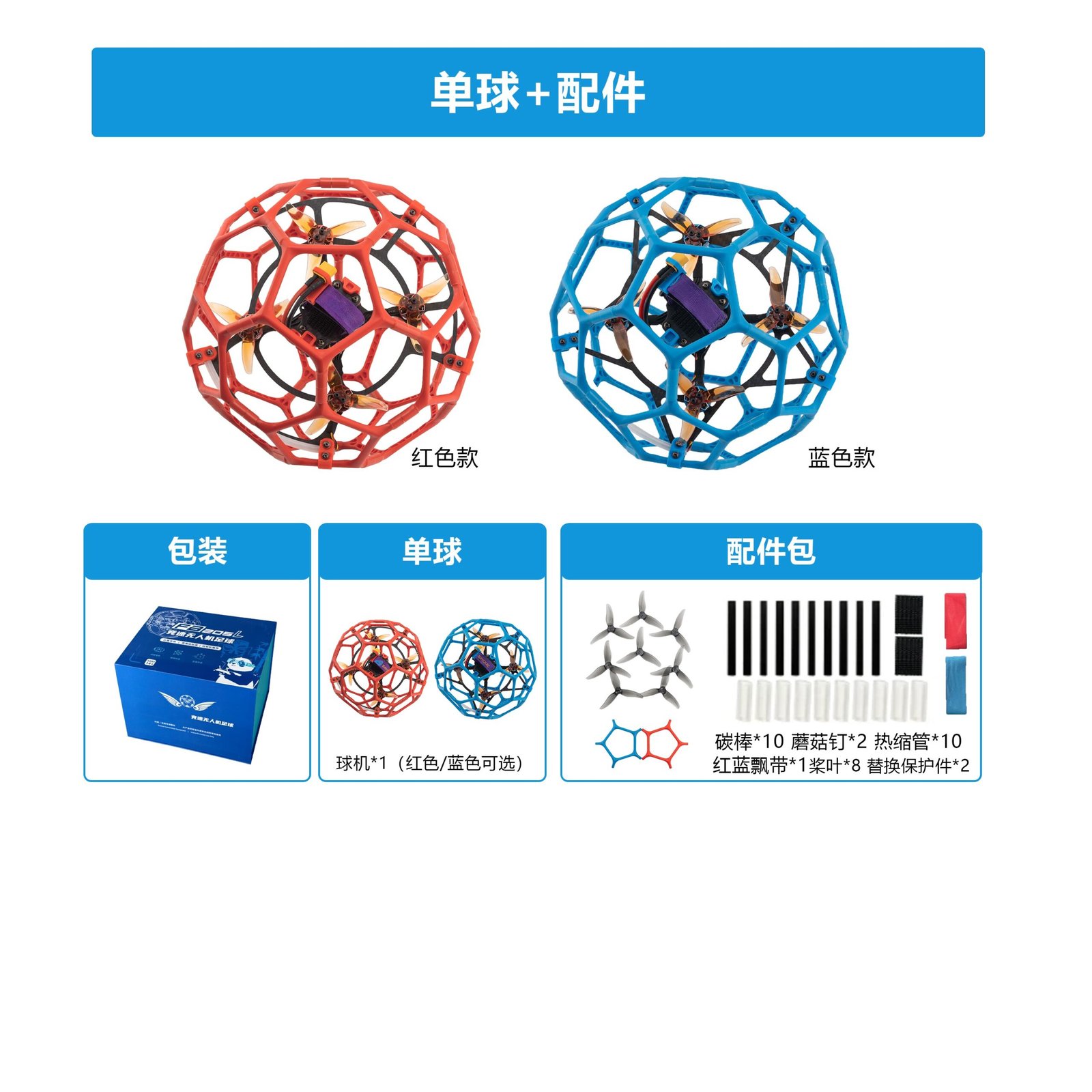
The rules and basics of drone soccer are easier to follow than most people expect. Two teams compete inside a netted arena. Each team flies armored quadcopters, usually with a protective outer cage, and tries to pass through a suspended ring to score. The cage protects both the drone and nearby players, which is why the sport is often adopted in school settings alongside STEM drone education and training.
Typical format
- Two teams, commonly five players per side in standard formats.
- A netted arena with a suspended scoring ring.
- Players use a radio controller; many leagues also use a ground-station display for scoring or telemetry.
- Matches are short and repeatable, which fits class periods and tournament schedules.
Safety and equipment basics
Most leagues require eye protection, a contained flying area and designated launch and landing zones. Drones are usually caged or armored to survive contact. Battery handling procedures should be written down and rehearsed, not improvised on match day.
What educational programs must check before flying
Sport rules and aviation rules are separate questions. In the United States, the Federal Aviation Administration explains that drones flown for educational purposes are regulated under either the Exception for Limited Recreational Operations of Unmanned Aircraft (49 U.S.C. § 44809) or the Small Unmanned Aircraft Systems Rule, commonly called Part 107.
The FAA also notes that qualifying educational organizations include institutions of higher education, Junior Reserve Officers’ Training Corps (JROTC) programs, and educational programs chartered by an FAA-recognized Community Based Organization. According to the FAA, educational organizations that do not meet those categories must be chartered by a recognized Community Based Organization to operate under § 44809, or must operate under Part 107. Read the FAA guidance at https://www.faa.gov/uas/educational_users.
Two practical points follow. First, an indoor netted arena does not automatically exempt a program from aviation rules, so confirm your status locally. Second, the FAA notes that educational institutions, including primary and secondary schools, trade schools, colleges and universities, are eligible to request the establishment of an FAA-Recognized Identification Area (FRIA), a location where drones can be flown without Remote ID.
Common mistakes when countries and rules are confused
- Assuming one global rulebook exists. Leagues differ on match length, substitution and scoring details.
- Buying drones before confirming the local rulebook edition the league uses.
- Treating a school demo as equivalent to a sanctioned league program.
- Overlooking radio and battery compatibility across mixed-brand fleets.
- Assuming warranty and spare-parts terms are standard worldwide; they are commercial terms, not sport rules.
If your goal is to run events rather than weekly practice, review how drone soccer competitions are structured, including arena setup, scoring technology and spectator flow.
Planning a school or club program? Talk to our team about Request a Team Kit Quote before you finalize your budget or rulebook assumptions.
Comparison: country entry routes for buyers
The table below compares typical entry routes. Treat it as a planning framework, not a confirmed list of DPF customers or partners.
| Buyer type | Likely entry route | What to confirm in writing |
|---|---|---|
| School | Local education or STEM network | Permission to fly, insurance, storage, spare parts |
| Club | National league or association | Rulebook edition, arena dimensions, radio compatibility |
| Distributor | Existing importer or OEM relationship | Territory, pricing, support, warranty terms |
| Event organizer | League sanction or sponsor | Scoring format, arena hire, insurance, staffing |
| OEM/ODM buyer | Direct sourcing project | Tooling, branding, documentation, test criteria |
Buyer checklist for drone soccer equipment
- Confirm the rulebook edition your league actually uses this season.
- Confirm the number of players per team and how many spare drones you need.
- Ask for the arena dimensions and net specification.
- Confirm radio protocol, frequency plan and controller compatibility.
- Confirm battery chemistry, charging, storage and disposal instructions.
- Request spare-part categories and typical replacement intervals as an estimate, not a guarantee.
- Ask whether scoring or telemetry accessories are included or sold separately.
- Confirm documentation language, training materials and setup guides.
- Confirm warranty scope, shipping terms and after-sales support in writing.
- Confirm whether educational flight rules apply locally and who is responsible for compliance.
Schools and training organizations often need a different mix from competitive clubs. Review the options for schools and training organizations and for drone soccer clubs before choosing a configuration.
Where to buy drone soccer equipment
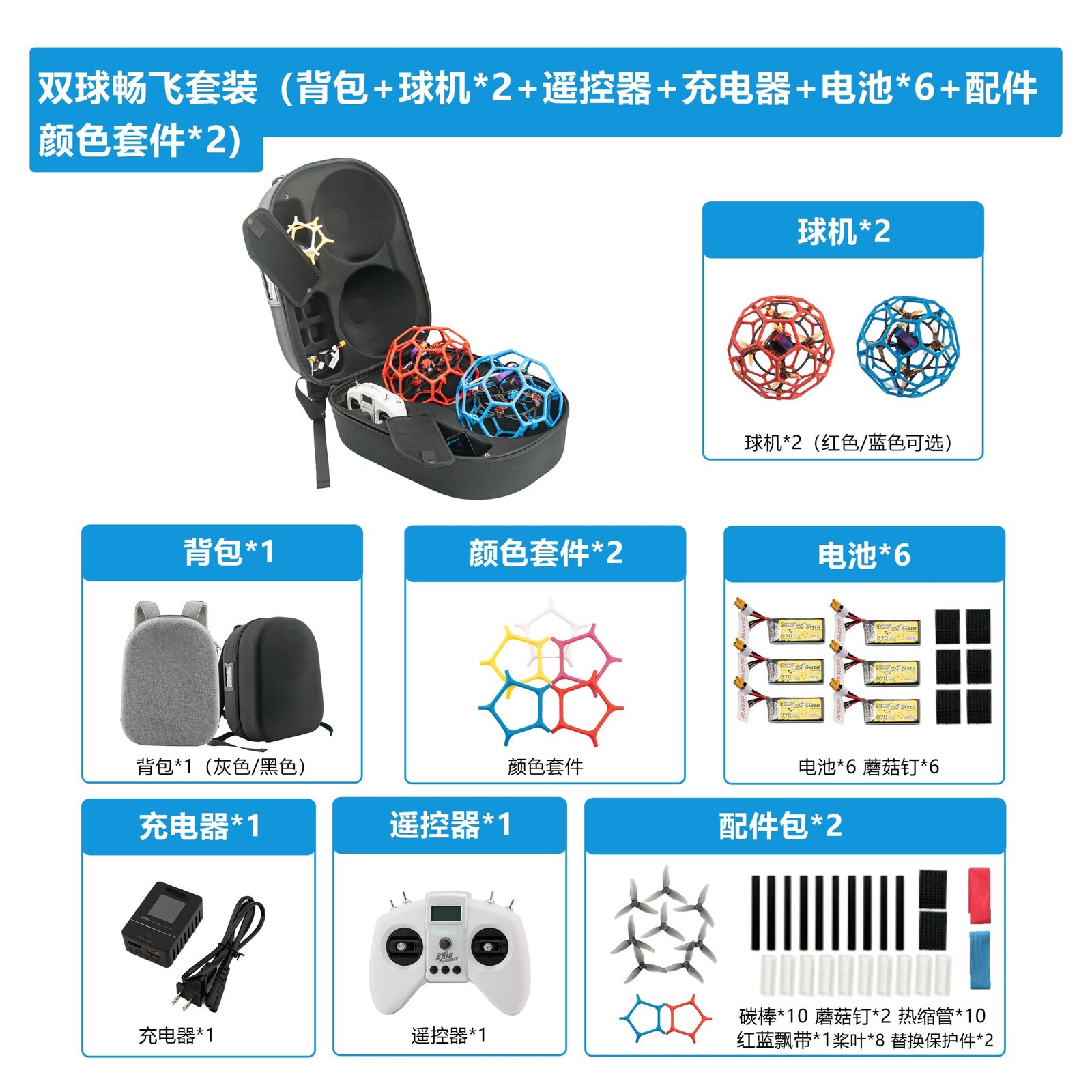
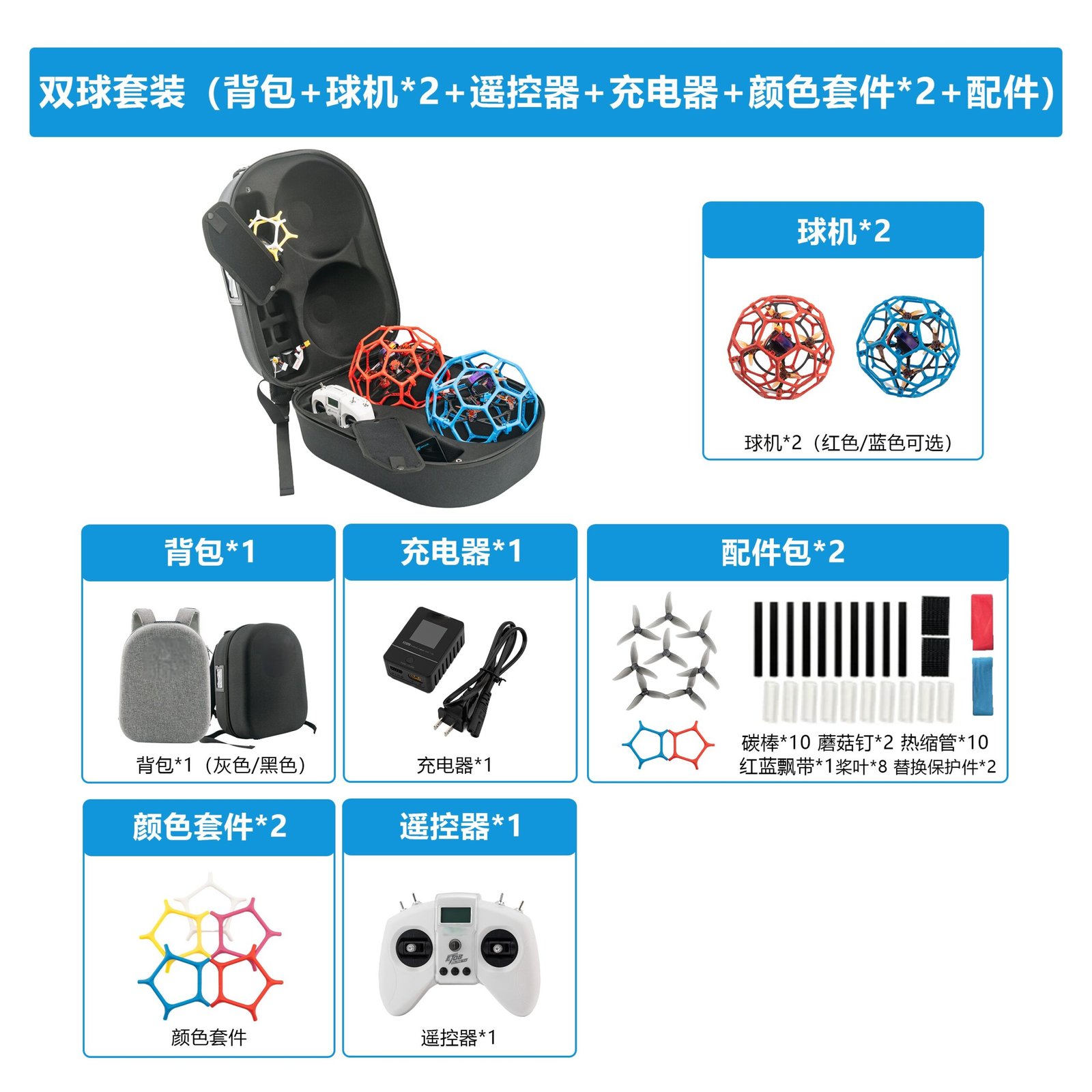
Most buyers need three things: a legal drone that survives contact, spare parts that arrive predictably, and documentation their coaches can teach from. DPF provides drone soccer systems intended for school and club use, and can discuss OEM or ODM requirements with procurement teams. Exact lead times, minimum order quantities, warranty periods and certifications are commercial terms; request them in writing and confirm them for your destination country.
FAQ
Which countries play drone soccer?
The sport is played in dozens of countries, with the most visible activity in South Korea, the United States, China, Japan and parts of Europe. There is no single global register, so confirm participation through national associations, schools or event organizers in each market.
Is drone soccer an official school sport?
It is recognized as a youth and STEM activity in many markets, but official status varies by country and even by school district. Ask your local education authority whether it counts as a sanctioned sport or an extracurricular program.
What are the basic drone soccer rules?
Two teams compete inside a netted arena and score by passing an armored drone through a suspended ring. Team size, match length and scoring details vary by league, so confirm the exact rulebook edition you will play under.
Do you need a license to play drone soccer at school?
It depends on jurisdiction. In the United States, the FAA states that educational drone flight is regulated under either the Exception for Limited Recreational Operations or Part 107, and that non-qualifying organizations must be chartered by a recognized Community Based Organization or operate under Part 107. See https://www.faa.gov/uas/educational_users.
How many players are on a drone soccer team?
Five per side is common in standard formats, but this is a league-level rule rather than a global constant. Confirm the number with your league before ordering a team kit.
Can a school fly drone soccer indoors without Remote ID?
In the United States, the FAA notes that educational institutions can request an FAA-Recognized Identification Area (FRIA), where drones can be flown without Remote ID. Confirm eligibility and request status directly with the FAA.
What should distributors confirm before importing drone soccer kits?
Confirm the destination country’s import requirements, radio frequency rules, battery shipping rules, warranty terms, spare-part availability and whether a local league exists to buy the product. Get all commercial terms in writing.
How long does it take to set up a drone soccer program?
Timelines vary with local approvals, funding and coach training. Ask your supplier for a setup sequence and request a written schedule rather than relying on verbal estimates.
Conclusion
Drone soccer is genuinely international, but participation is best verified country by country through leagues, schools and event organizers rather than a single global list. The rules and basics are consistent enough to plan around: two teams, a netted arena, armored drones and a scoring ring. The variables that decide whether a program succeeds are usually local rules compliance, spare-part supply and coach training.
Before you buy, confirm the rulebook edition, arena specification, radio compatibility, battery handling, documentation language and all commercial terms in writing. If you are ready to move from research to procurement, Request a Team Kit Quote and tell us your country, program type and expected team count.