Quick summary
Total cost of ownership (TCO) for a school drone program is the sum of all costs over the program’s life: initial acquisition (drones, parts, accessories), ongoing consumables (propellers, batteries, motors), maintenance, storage, training, insurance, and administrative overhead. For bulk procurement by schools and governments, TCO often exceeds the initial purchase price by 2–3 times over three years. Understanding these cost drivers helps you budget accurately and negotiate better terms with suppliers.
Key Takeaways
- TCO includes acquisition, consumables, maintenance, training, storage, insurance, and admin costs.
- Bulk procurement by schools and governments can reduce unit prices but requires careful planning for spare parts and support.
- Standardizing on a few drone models simplifies training, maintenance, and parts inventory.
- Request detailed quotes that itemize components, warranties, and lead times—do not assume standard terms.
- Consider OEM/ODM partnerships to customize drones for educational use and potentially lower long-term costs.
What Costs Are Included in School Drone Program TCO?
Direct answer: TCO covers every expense from purchase to disposal. The main categories are initial acquisition, recurring consumables, maintenance and repairs, training, storage and transport, insurance, and administrative overhead.
Initial Acquisition Costs
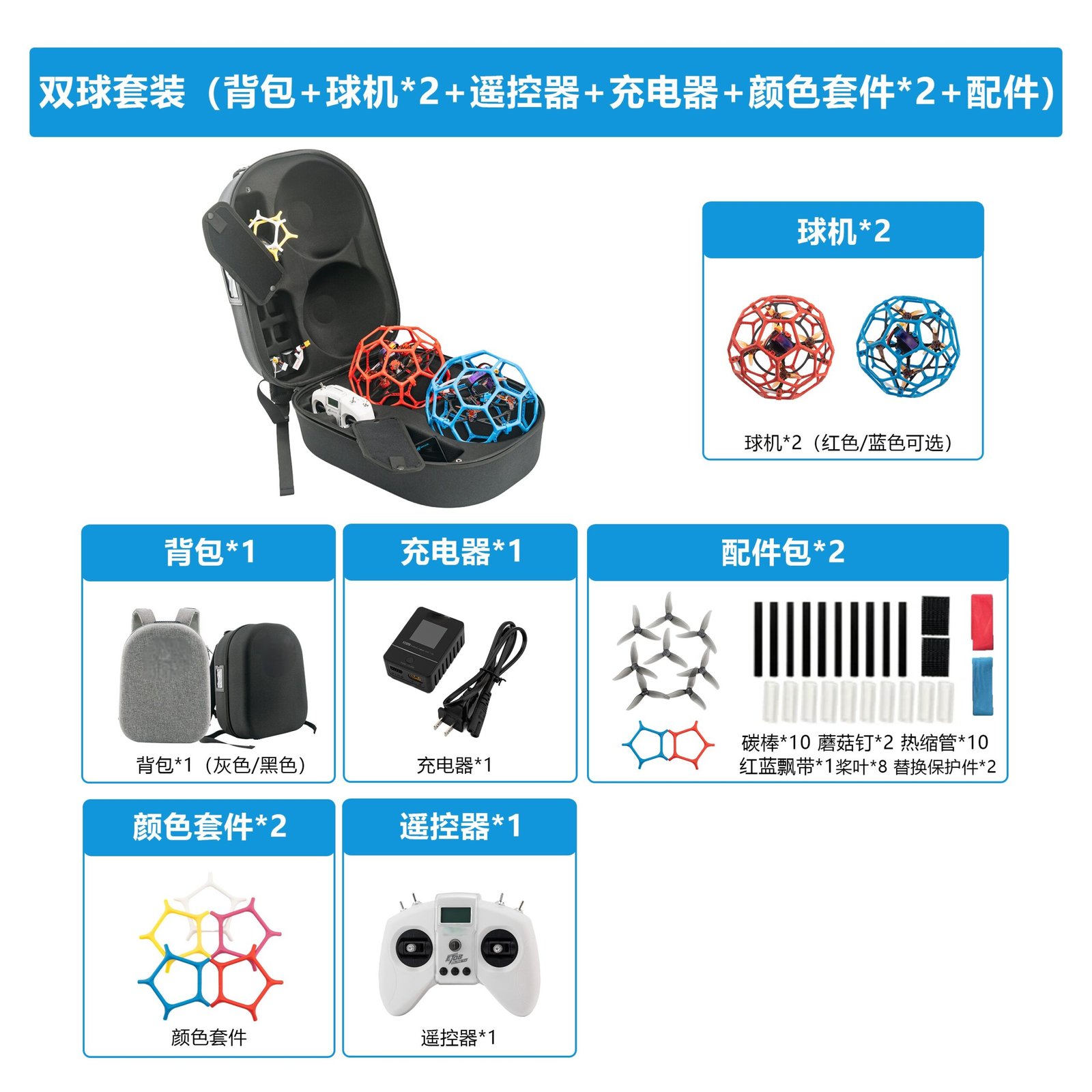
This includes drones, batteries, chargers, controllers, spare parts, and safety equipment. For drone soccer, you may need goal sets, balls, and field markers. Bulk procurement by schools and governments often involves purchasing complete kits. Request a detailed bill of materials to compare suppliers fairly.
Recurring Consumables
Propellers, batteries, motors, and small parts wear out. Budget for replacements each term. The frequency depends on usage intensity and student skill level. Ask suppliers about expected part life and recommended spares inventory.
Maintenance and Repairs
In-house repairs require tools, spare parts, and staff time. Some schools outsource repairs. Factor in shipping costs and downtime. A common mistake is underestimating the labor required to keep a fleet flying.
Training and Curriculum
Teacher training, curriculum materials, and ongoing professional development are essential. Costs vary widely. Some suppliers offer training packages; clarify what is included and what costs extra.
Storage and Transport
Secure storage, charging stations, and transport cases protect your investment. For multiple sites, you may need duplicate sets. Consider these costs early.
Insurance and Liability
Insurance requirements vary by region and program type. Consult your insurer and legal team. Do not assume coverage; verify what is needed.
Administrative Overhead
Procurement, inventory management, and compliance add administrative costs. Bulk procurement by schools and governments may require additional reporting or audits.

How Does Bulk Procurement Affect TCO?
Direct answer: Bulk procurement can lower unit prices but may increase other costs if not managed well. Larger orders may qualify for volume discounts, but you may also need to invest more in storage, spares, and training.
Volume Discounts and Negotiation
Suppliers often offer tiered pricing for larger quantities. Ask for a clear price break schedule. For bulk procurement by schools and governments, negotiate payment terms, delivery schedules, and warranty coverage. Do not assume discounts are automatic; request a formal quote.
Standardization Benefits
Standardizing on one or two drone models reduces training complexity, spare parts inventory, and maintenance procedures. This can significantly lower long-term TCO. Work with suppliers who can support a standardized fleet.
Logistics and Storage
Bulk orders mean more units to store and transport. Ensure you have adequate secure storage and charging infrastructure. Factor in the cost of transport, especially for international orders.
Spare Parts Inventory
Keep critical spares on hand to minimize downtime. Bulk procurement can include spare parts kits at a discount. Ask suppliers for recommended spares lists based on your fleet size and usage.
Comparison: Low-Cost vs. Quality-Focused Procurement
| Factor | Low-Cost Approach | Quality-Focused Approach |
|---|---|---|
| Initial Price | Lower | Higher |
| Durability | May be lower | Typically higher |
| Spare Parts Availability | Often limited | Usually better |
| Training Support | Minimal | Often included |
| Long-Term TCO | Potentially higher due to replacements | Potentially lower due to longevity |
Trade-offs exist: lower upfront costs may lead to higher maintenance and replacement costs. Quality-focused procurement may reduce long-term TCO but requires higher initial investment. Consider your budget and program goals.
Common Mistakes in School Drone Program Budgeting
- Ignoring consumables and spare parts in the initial budget.
- Underestimating training and curriculum costs.
- Failing to plan for storage and charging infrastructure.
- Assuming insurance is included or unnecessary.
- Not requesting detailed quotes with all terms in writing.
- Overlooking administrative overhead for bulk procurement by schools and governments.
Buyer Checklist for Bulk Procurement
- Define your program goals and required drone specifications.
- Request itemized quotes from multiple suppliers, including shipping and taxes.
- Ask about warranty periods, lead times, and minimum order quantities (MOQs) in writing.
- Request a recommended spare parts list and pricing.
- Clarify training and support options.
- Verify compliance with local regulations (consult your legal team).
- Plan for storage, charging, and transport.
- Consider OEM/ODM customization for branding or specific educational needs. See our OEM/ODM service overview.
- For custom branding, explore private label drone parts.
- Review the how to place an order process.
- For large volumes, understand bulk production capabilities.
- Ask about logo and packaging customization options.
Ready to discuss your school program? Request a School Program Quote to get started.
Frequently Asked Questions
What is the typical lifespan of a school drone?
Lifespan varies by usage, maintenance, and quality. Ask suppliers for expected flight hours or cycles. Plan for replacement based on your program’s intensity.
How can we reduce TCO without compromising quality?
Standardize on durable models, buy spare parts in bulk, train staff for basic repairs, and negotiate comprehensive support packages. Consider OEM/ODM partnerships for custom solutions.
What should we ask suppliers for in a quote?
Request itemized pricing for drones, parts, accessories, shipping, taxes, warranty, lead times, MOQs, and training. Get everything in writing.
Are there government procurement regulations we should know?
Regulations vary by region. Consult your legal and procurement departments. Do not assume compliance; verify requirements.
How do we handle spare parts inventory?
Use supplier recommendations and historical usage data. Keep critical spares on hand. Bulk procurement can include discounted spare kits.
Can we customize drones with our school logo?
Many suppliers offer logo and packaging customization. Ask about minimum quantities and costs. See our logo and packaging customization page for general information.
What training is needed for teachers?
Training should cover flight operations, safety, maintenance, and curriculum integration. Ask suppliers about training packages and costs.
Conclusion
Calculating the total cost of ownership for a school drone program requires looking beyond the purchase price. Consider acquisition, consumables, maintenance, training, storage, insurance, and administrative costs. For bulk procurement by schools and governments, plan carefully, standardize your fleet, and negotiate terms in writing. By understanding these factors, you can build a sustainable and cost-effective program.
Next step: Gather your requirements and Request a School Program Quote from Drone Parts Factory. We can discuss your specific needs and provide a detailed proposal.