Quick summary
When selecting brushless motors for drone soccer or FPV applications, the quality of bearings and bells directly impacts flight stability, efficiency, and crash survivability. Bearings reduce friction and vibration but vary in load capacity and maintenance needs. Bells affect structural rigidity and heat dissipation. Prioritize sealed bearings for dust resistance and forged or CNC-machined bells for durability. Verify specifications and request test data from suppliers.
Key Takeaways
- Bearing type and preload significantly influence vibration, noise, and motor lifespan.
- Bell material and manufacturing tolerances affect balance, heat dissipation, and impact resistance.
- Sealed bearings generally offer better protection against debris but may have higher drag.
- Bell deformation from crashes can cause magnet rub and electrical shorts.
- Regular inspection and proactive replacement of bearings and bells prevent catastrophic failures.
Why Bearing and Bell Quality Matter in Brushless Motors
In drone soccer, motors endure rapid direction changes, collisions, and high RPMs. Bearings and bells are critical for consistent performance. Poor quality leads to excessive vibration, reduced efficiency, and shorter flight times. For competitive teams, reliability is non-negotiable.
Bearing Basics: Types and Trade-offs
Brushless motors typically use deep-groove ball bearings. Common types include steel, ceramic, and hybrid (ceramic balls with steel races). Steel bearings are cost-effective but prone to corrosion and wear. Ceramic bearings resist corrosion and handle higher temperatures but cost more and may be brittle. Hybrid bearings balance cost and performance.
Bearing preload—the axial force applied to bearings—affects vibration and lifespan. Too little preload causes play; too much increases friction and heat. Manufacturers set preload during assembly, but it can degrade over time. Teams should check for axial play and replace bearings when play is detected.
Bell Construction: Material and Machining
The bell houses magnets and rotates around the stator. It must be rigid, well-balanced, and thermally conductive. Common materials: aluminum alloys (6061, 7075) and occasionally titanium. 7075 aluminum offers higher strength but may be more expensive. CNC machining ensures precise magnet slots and balance.
Bell deformation from crashes can cause magnets to rub against the stator, leading to short circuits and motor failure. A well-designed bell includes features like reinforced ribs or thicker walls at mounting points to resist bending.
How to Evaluate Bearing and Bell Quality
Evaluate by inspecting specifications, conducting physical checks, and reviewing supplier data. Key metrics: bearing type (steel/ceramic/hybrid), ABEC rating (if available), bell material and machining tolerances, and dynamic balance. Request test reports for vibration and efficiency.
Physical Inspection Checklist
- Spin the motor: listen for grinding or uneven noise.
- Check axial and radial play: minimal movement indicates proper preload.
- Inspect bell for cracks, dents, or uneven anodizing.
- Verify magnet alignment: gaps should be uniform.
- Look for bearing seals: rubber-sealed bearings resist dust better than metal-shielded.
Specifications to Request from Suppliers
- Bearing type and brand (if disclosed).
- Bell material and manufacturing process (CNC, forged).
- Dynamic balance tolerance (e.g., <0.5 g·mm).
- Maximum thrust and torque ratings.
- Recommended maintenance intervals.
Comparison Table: Bearing Types and Bell Materials
| Feature | Steel Bearings | Ceramic Bearings | Hybrid Bearings |
|---|---|---|---|
| Cost | Low | High | Medium |
| Corrosion Resistance | Poor | Excellent | Good |
| Load Capacity | High | Medium | High |
| Max Temperature | ~120°C | ~200°C | ~180°C |
| Maintenance | Regular lubrication | Minimal | Occasional |
| Bell Material | Strength | Weight | Cost | Thermal Conductivity |
|---|---|---|---|---|
| 6061 Aluminum | Good | Light | Low | Moderate |
| 7075 Aluminum | Excellent | Light | Medium | Moderate |
| Titanium | Excellent | Moderate | High | Low |
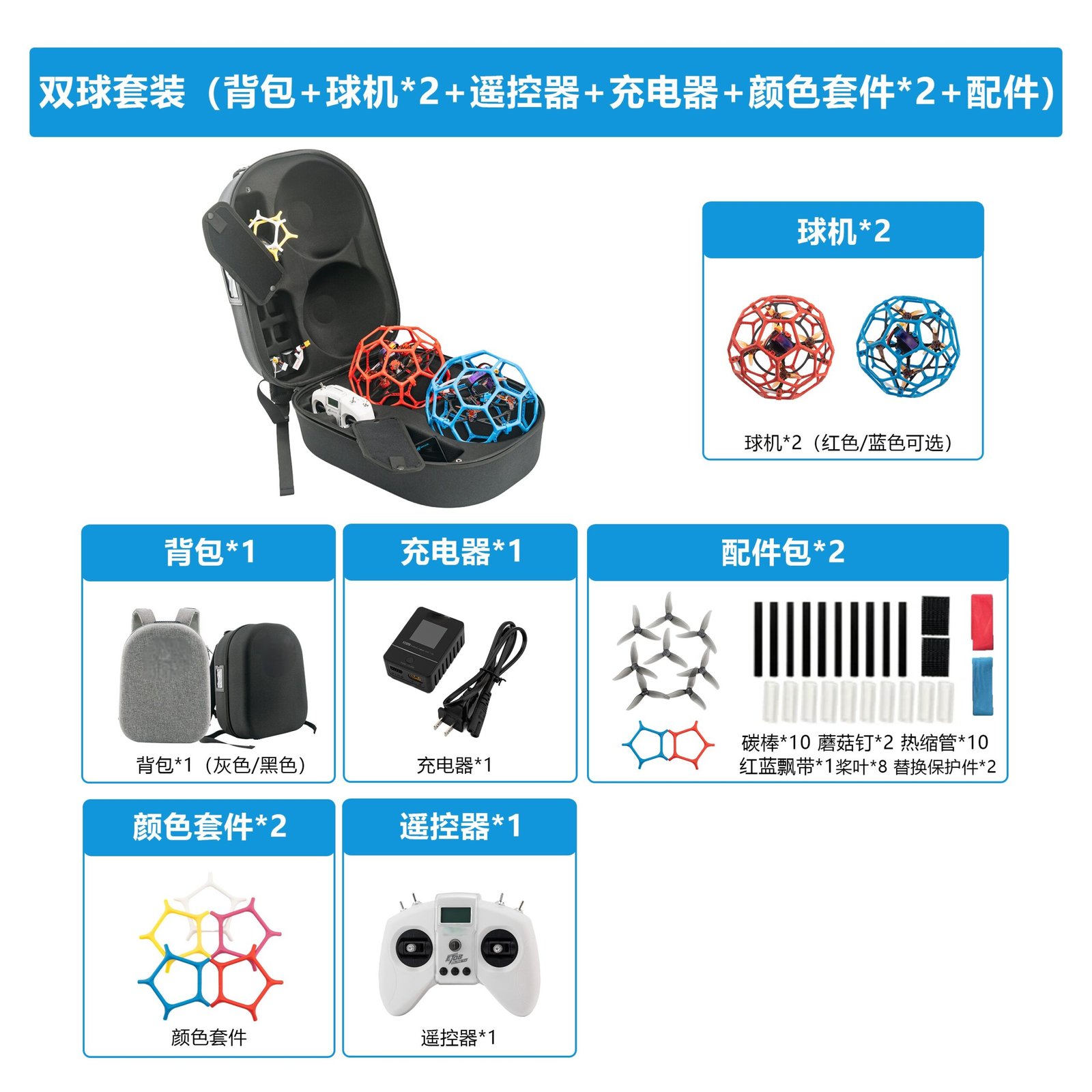
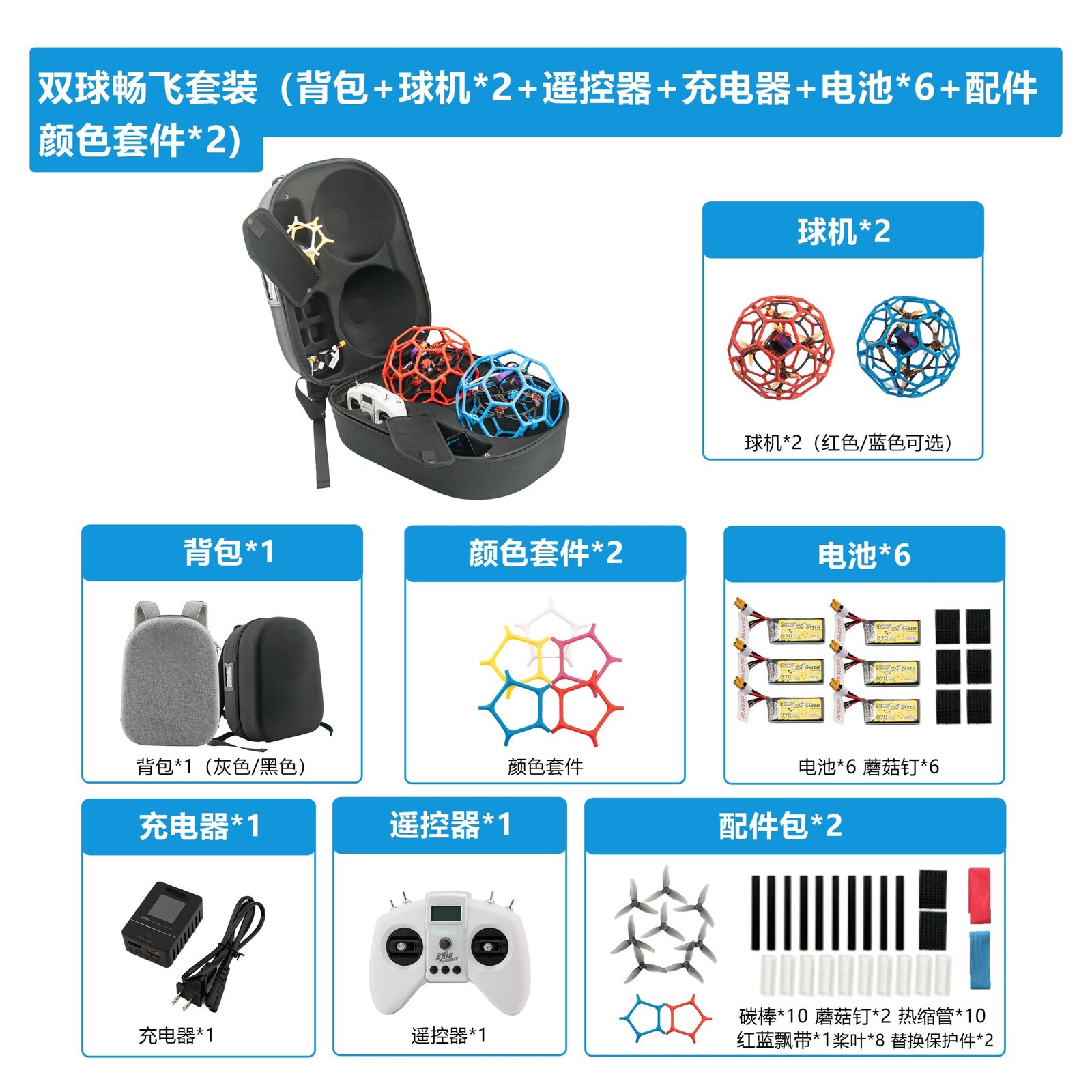
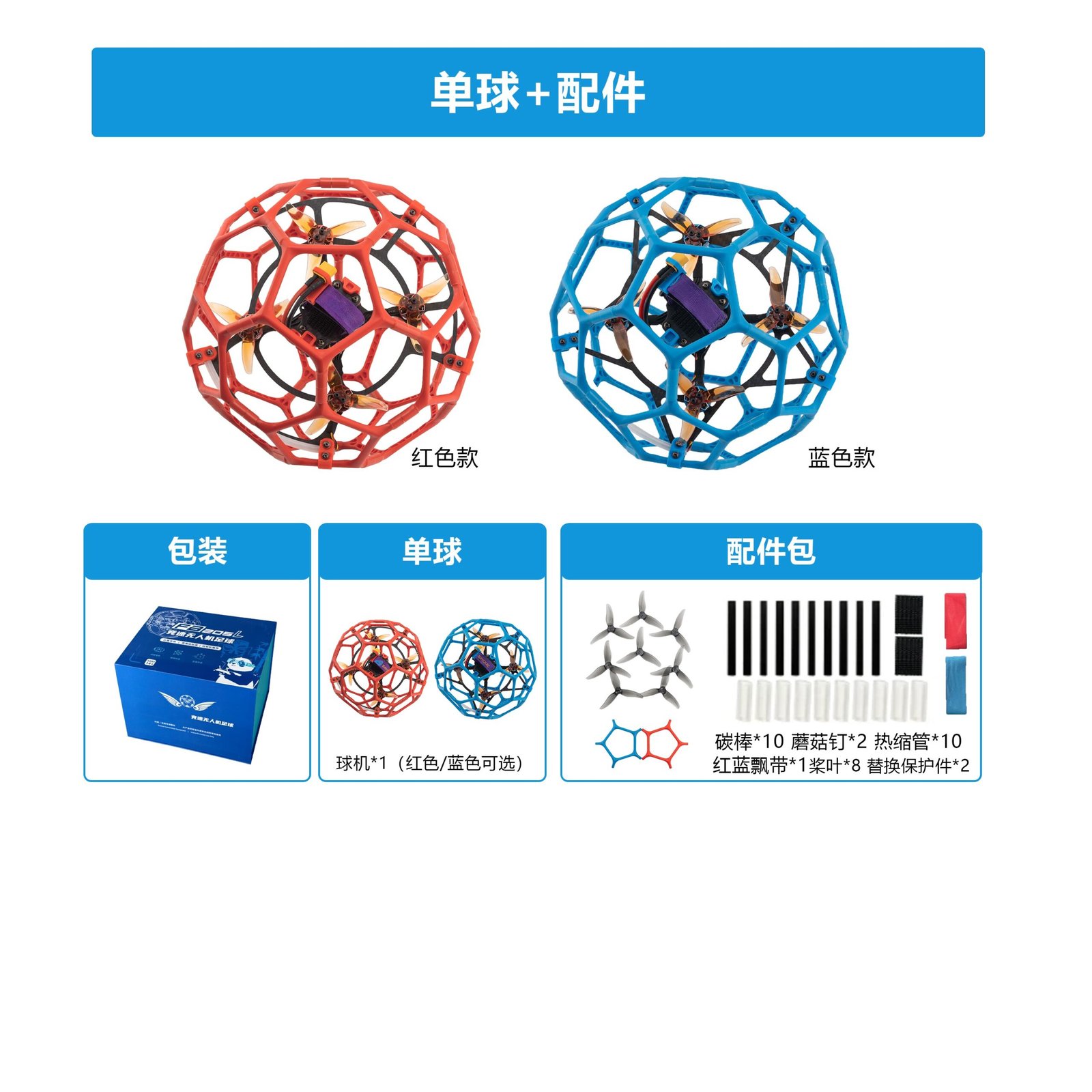
For teams looking to upgrade, consider reviewing our FPV motors and propulsion combo kits designed for durability.
Common Mistakes When Choosing Motors
- Ignoring bearing type: opting for cheapest motors leads to frequent replacements.
- Overlooking bell balance: unbalanced bells cause vibration and gyro drift.
- Using unsuitable materials: standard aluminum bells may deform in crashes.
- Neglecting maintenance: bearings need cleaning and lubrication, especially in dusty indoor arenas.
- Not matching motor to propeller and battery: mismatched components reduce efficiency.
Procurement Checklist for Teams and Clubs
- Define performance requirements: thrust, KV rating, and voltage.
- Specify bearing type and sealing needed for environment (indoor/outdoor).
- Request bell material and balance specifications.
- Ask for sample motors for testing before bulk order.
- Clarify warranty and replacement policy in writing.
- Confirm lead times and minimum order quantities.
- Verify supplier’s quality control process.
For custom matching, explore our motor and propulsion matching service.
Frequently Asked Questions (FAQs)
1. How often should bearings be replaced?
Replace when you notice increased noise, vibration, or axial play. Teams flying daily may need replacements every few months. Check after each significant crash.
2. Are ceramic bearings worth the extra cost?
For high-RPM or harsh environments, ceramic bearings can last longer and reduce maintenance. For casual use, steel bearings may suffice.
3. Can I upgrade bearings in existing motors?
Yes, if bearings are standard sizes. However, ensure proper tools and preload. Some motors use proprietary bearings.
4. What causes motor bell deformation?
Hard crashes or impacts. Deformed bells cause magnet rub, leading to short circuits and failure. Replace deformed bells immediately.
5. How to balance a motor bell?
Use a prop balancer or dynamic balancer. Add or remove small amounts of material, but this is best done by professionals.
6. Do sealed bearings reduce performance?
Sealed bearings may have slightly higher drag but protect against dust and debris, often improving overall reliability.
7. What should I request in writing from suppliers?
Request bearing type, bell material, balance tolerance, warranty terms, and testing data. Confirm all commercial terms before ordering.
Conclusion
Bearing and bell quality are fundamental to brushless motor performance in drone soccer and FPV. By understanding bearing types, bell materials, and inspection methods, teams can make informed procurement decisions. Always verify specifications and request samples. For a tailored solution, consult our motor, propeller and battery matching guide.
Ready to equip your team? Request a Team Kit Quote today.