Quick summary
Event equipment supply for drone soccer (also written BKZ, a team drone sport) is not only a box of drones, balls and batteries. For schools, clubs, leagues and event organizers, it is a support relationship that runs before, during and after each competition. A capable supplier supports on-site technical staff by planning spare parts, documenting procedures, giving practical training, providing clear escalation routes and defining written commercial terms. The exact scope varies by supplier, so buyers should confirm every commitment in writing before signing.
Key Takeaways
- On-site support is a planned package: spare parts, documentation, training, escalation contacts and clear commercial terms.
- Ask for a named technical contact and a written escalation path before the event, not during it.
- Confirm spare-parts ratios, compatibility, firmware guidance and shipping cut-off dates in your purchase agreement.
- Separate general industry practice from what a specific supplier actually commits to; verify warranties, lead times and MOQs in writing.
- Use a procurement checklist and a simple comparison table to judge suppliers on support capability, not price alone.
What does on-site technical support from an event equipment supplier actually include?
On-site technical support usually means the supplier helps your technical staff keep drones, balls and field equipment running during an event. In practice this can include pre-event spares planning, assembly and repair guidance, firmware or setup advice, a named escalation contact, and sometimes remote or on-site personnel. The exact mix varies by supplier, event size and contract.
Before the event: planning and preparation
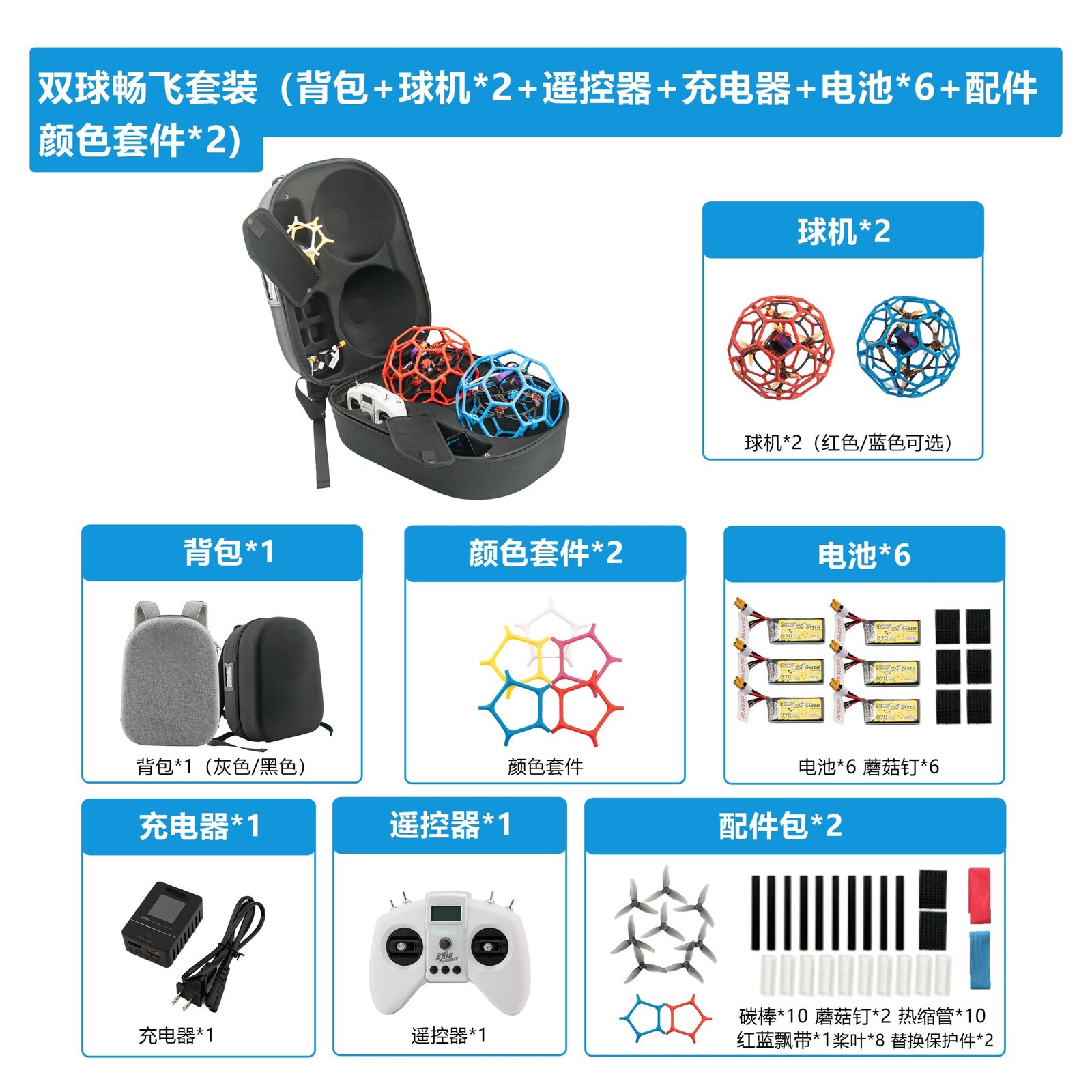
Good support starts weeks before the first match. Suppliers can help you estimate how many spare drones, propellers, batteries, balls and small parts your team needs, based on the number of teams, matches per day and how quickly your staff can repair or swap units. They can also review your field setup and power plan so technical staff know what to expect.
Ask for a written spares list that matches your purchased equipment version. Compatibility matters: a part that fits one drone revision may not fit another. If your organization buys drones from more than one source, label and document each batch so on-site staff can match parts quickly.
During the event: spare parts, escalation and communication
During competition, the priority is keeping matches running. On-site technical staff need fast access to known-good spare units, a clear swap-and-tag process, and a single point of contact if something cannot be fixed locally. A supplier can support this with labeled spare kits, quick-reference repair notes and an escalation path for issues your staff cannot resolve.
Communication is part of the equipment. Agree in advance how your staff will reach the supplier, in which language, during which hours, and what response expectation applies. If the supplier cannot guarantee on-site presence, ask what remote support they can provide and document it.
After the event: repair, returns and reporting
After the event, faulty units and used parts need to be assessed, repaired or replaced. Ask the supplier how returns are handled, who pays shipping, how long assessment takes, and how replacements are prioritized before your next event. A short written post-event process prevents disputes.
How suppliers differ: a practical comparison
The table below summarizes common support models. It is general guidance, not a description of any specific company. Use it to frame questions and then verify each answer in writing with the supplier you are evaluating.
| Support area | Basic supply | Support-oriented supply | What to verify in writing |
|---|---|---|---|
| Spare parts planning | Buyer estimates alone | Supplier helps size spares kit | Spares list, ratios, compatibility notes |
| Documentation | Basic manual if any | Setup, repair and safety notes | Language, format, version control |
| Training | None | Remote or on-site sessions | Format, duration, who attends, cost |
| Escalation contact | Generic sales inbox | Named technical contact | Hours, language, response expectation |
| On-site presence | Not offered | Available in some contracts | Availability, travel, cost, scope |
| Post-event process | Case by case | Defined returns and repair flow | Return window, shipping, replacement priority |
If your organization also needs branded equipment for a league or program, review the supplier’s OEM/ODM service overview to understand what customization is possible and how it affects support planning.
Training and knowledge transfer for your technical staff
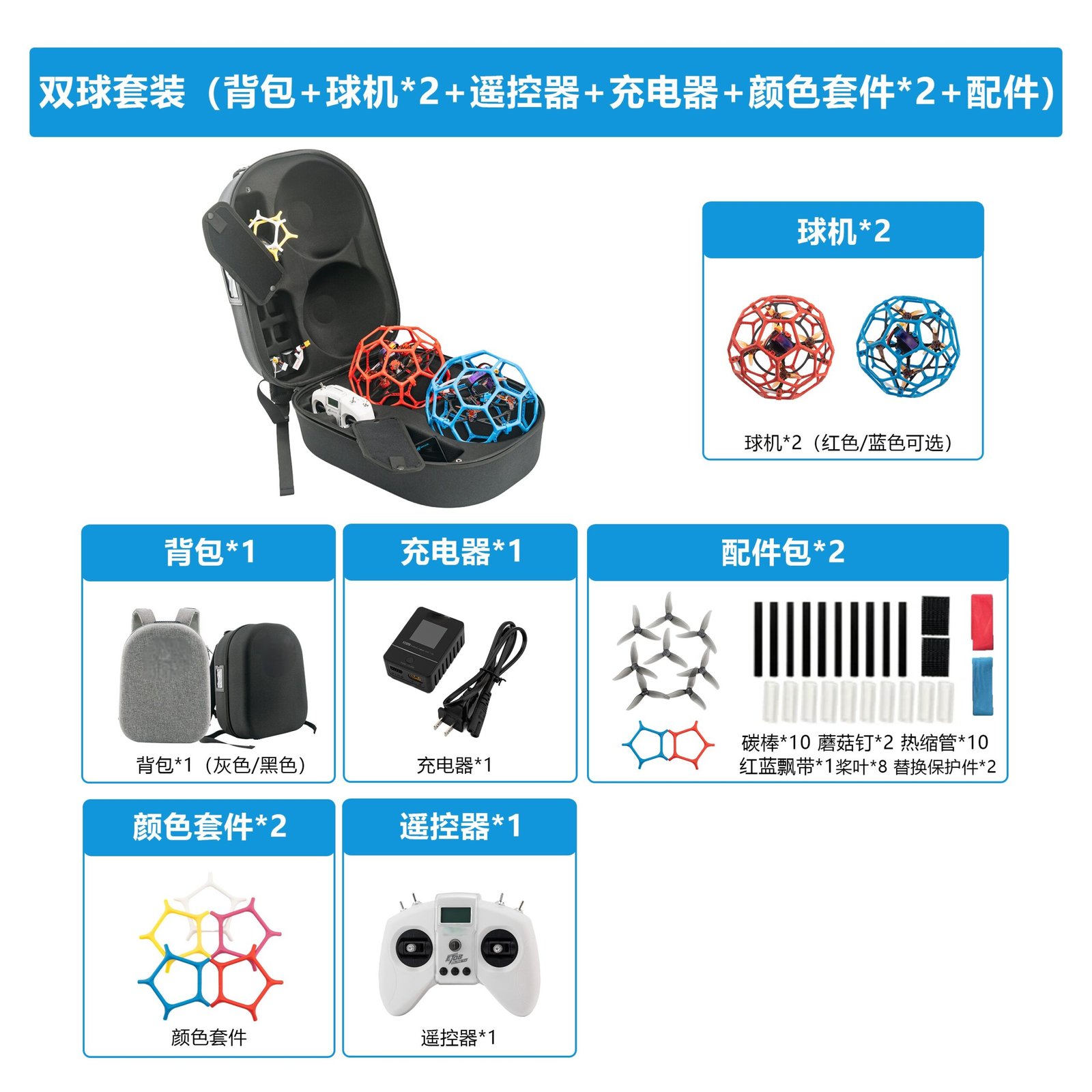
Knowledge transfer reduces dependence on the supplier during the event. Ask whether training covers assembly, ball replacement, battery handling, basic diagnostics and safe packing for transport. Even a short session can help staff decide quickly whether to repair or swap a unit.
Request training materials in the language your staff use on site. If your organization runs multiple events, ask how materials are updated when equipment revisions change. Version control matters because a repair note for an older batch can mislead staff working with newer units.
Spare parts and ball reliability
In drone soccer, balls and accessories take repeated impact. Technical staff need a practical spares strategy: enough balls, mounting accessories and protective parts to cover a full competition day without waiting for a shipment. Ask the supplier how they recommend sizing this kit for your event format.
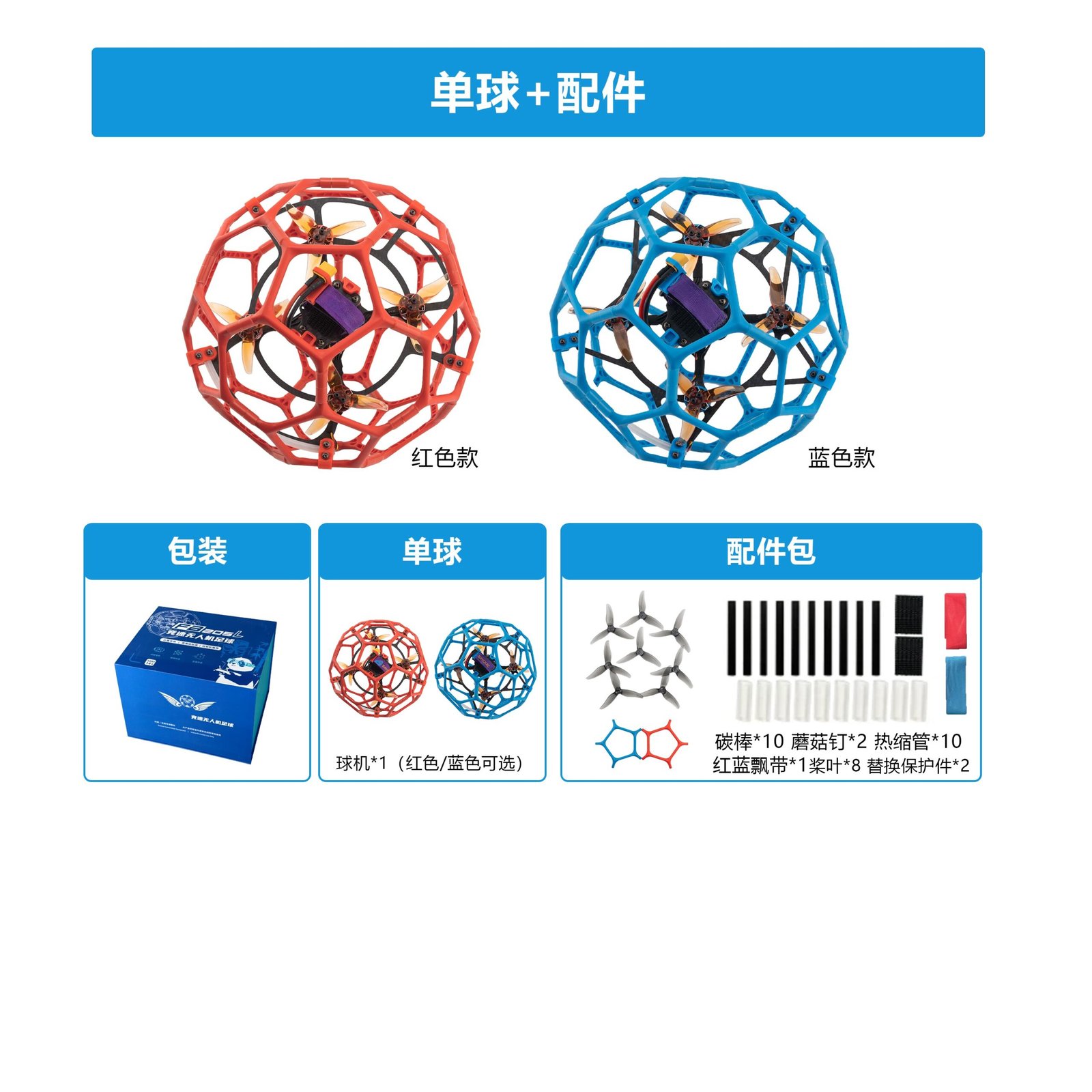
If you buy parts separately, confirm that connectors, mounts and ball accessories are compatible with your drone version. Incompatible parts waste on-site time and can create safety issues.
Commercial terms and OEM/ODM implications
Support scope is shaped by your commercial agreement. Buyers should confirm warranty terms, lead times, minimum order quantities (MOQs), spare-parts pricing and return conditions in writing. These vary widely between suppliers and projects, so treat any verbal statement as unconfirmed until it appears in the contract.
If you are ordering customized equipment, support planning should start early. Review private label drone parts options and bulk production considerations, because custom runs can affect how quickly replacement parts are available. For branding on balls, cases or packaging, see logo and packaging customization and confirm how customization interacts with spares and returns.
Planning a league season or multi-event program? Share your event calendar and equipment list so support and spares can be planned around your schedule. Request Event Equipment Support and confirm the scope in writing.
Common mistakes when buying event equipment supply
- Ordering drones and balls without a spares kit sized to the event format.
- Assuming training, on-site presence or fast replacement is included without written confirmation.
- Mixing equipment versions without labeling, so on-site staff cannot match parts.
- Relying on a generic sales inbox instead of a named technical contact during competition.
- Ignoring shipping cut-off dates and customs requirements for replacement parts.
- Treating warranty length, MOQ and lead time as fixed industry standards rather than supplier-specific terms to verify.
Buyer checklist: questions to ask before you commit
Use this checklist during supplier evaluation. It works for schools, clubs, leagues and event organizers, and it helps distributors and OEM buyers compare support capability consistently.
- Who is our named technical contact, and during which hours can on-site staff reach them?
- What spare-parts ratio do you recommend for our event format, and can you provide a written spares list?
- Are parts compatible across the equipment versions we already own?
- What training do you provide, in what language and format, and at what cost?
- Can you support us on site, and if so, what is included and what is charged separately?
- How do returns, repairs and replacements work after an event, and who pays shipping?
- What are the confirmed warranty terms, lead times and MOQs for our order?
- How do customization choices affect spares availability and replacement timelines?
- What are the shipping cut-off dates so spares arrive before our event?
- Can we run a small pilot or sample order before committing to a full program?
For ordering steps and documentation expectations, the supplier’s how to place an order page is a useful starting point, but always confirm your specific terms directly.
Frequently asked questions
1. Does every event equipment supplier provide on-site technical staff?
No. On-site presence is not universal and often depends on contract size, location and event scope. Ask specifically what is included, what is remote-only and what is charged separately, then confirm in writing.
2. How many spare drones and balls should we plan for?
There is no single number. It depends on team count, match schedule, repair speed and how far the nearest replacement stock is. Ask the supplier to help size a spares kit for your event format and record the agreed list.
3. Is training included with drone soccer equipment purchases?
It varies. Some suppliers include basic setup guidance; others offer paid training sessions. Confirm the format, duration, language and cost before ordering, especially for multi-event programs.
4. Can we get support for equipment we bought previously from another vendor?
Possibly, but compatibility and liability questions matter. Ask the supplier whether they can support third-party equipment and under what conditions. Never assume; get a written answer.
5. What should we confirm about warranty and replacements?
Request the warranty period, what it covers, how claims are submitted and how replacement units are prioritized before your next event. Warranty terms are supplier-specific, so verify them in your agreement rather than relying on general expectations.
6. How do OEM/ODM orders affect on-site support?
Custom runs can change part availability and replacement timelines. Discuss spares planning alongside customization so your technical staff are not left waiting for a custom part mid-season.
7. What is the best way to compare suppliers fairly?
Score them on the same checklist: named contact, spares list, training, escalation path, post-event process and written commercial terms. Price matters, but support capability often determines whether your event runs smoothly.
Conclusion
Strong event equipment supply for drone soccer is a planned support relationship, not just a shipment. Suppliers support on-site technical staff through spares planning, documentation, training, clear escalation routes and defined post-event processes. Because terms such as warranty, lead time, MOQ and on-site availability vary by supplier, your job as a buyer is to ask precise questions and confirm every commitment in writing before your event calendar is locked.
Start by sharing your event schedule and equipment list, then request a written support plan you can review with your technical team. Request Event Equipment Support to begin the conversation and confirm the exact scope for your program.