Quick summary
AM32 is open-source ESC firmware for brushless drone ESCs, and it is often compared with BLHeli because both control how a motor spins, how throttle input is interpreted and how the ESC is configured. The main differences are target hardware, development model and tooling: AM32 supports a wide range of 32-bit MCUs, while BLHeli is split into older 8-bit BLHeli_S and 32-bit BLHeli_32 lines. For schools, drone soccer teams and clubs, the practical choice is usually driven by which ESC hardware you already own and which configurator your volunteers can support.
Key Takeaways
- AM32 and BLHeli are different firmware families running on the same broad class of hardware: brushless drone ESCs.
- BLHeli_S is the classic 8-bit firmware; BLHeli_32 is the later 32-bit line. AM32 is open source and targets many 32-bit MCUs.
- Firmware choice is secondary to correct current rating, voltage rating, motor timing and cooling for your airframe.
- For team fleets, standardise one ESC model and one firmware version so replacement and support are predictable.
- Confirm firmware, flashing method, connector type, BEC and documentation in writing before bulk ordering.
What is AM32 firmware?
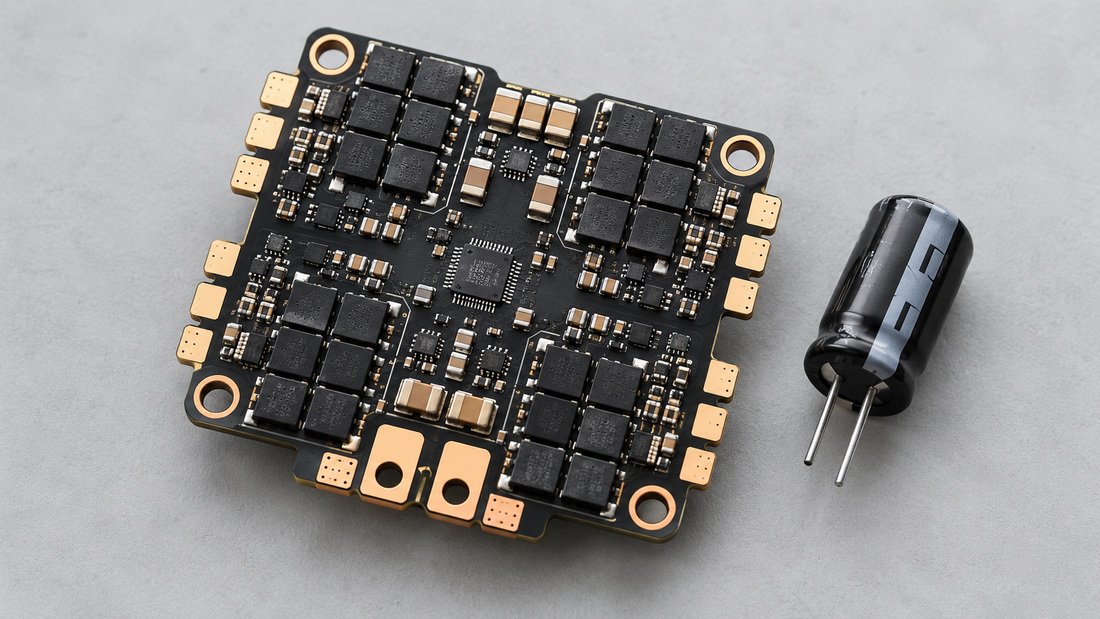
AM32 is firmware that runs on the microcontroller inside a brushless ESC. It takes the throttle signal from the flight controller and drives the motor’s three phases through the power stage. It is developed as an open-source project, so its source code and hardware target list are public and community-maintained.
Because it is not tied to one manufacturer, AM32 has been ported to a wide range of 32-bit microcontrollers used on FPV and drone ESCs. For a club, the benefit is flexibility: you may be able to update supported ESCs instead of replacing the whole board when requirements change. The trade-off is that support quality depends on your specific board being properly targeted and tested by the vendor or community.
Key features people look for in AM32
- Open-source development, so firmware changes and target lists can be inspected.
- Support for many 32-bit ESC microcontroller targets.
- Configuration through a desktop or mobile configurator tool rather than a proprietary-only utility.
- Bidirectional DShot support on compatible hardware, useful for RPM-based filtering and telemetry.
Feature availability is hardware-dependent. An ESC that runs AM32 may still lack the sensors or wiring needed for a specific telemetry or RPM feature. Verify per board, not per firmware family.
What is BLHeli and how does it differ?
BLHeli is an older, widely used firmware family. It generally appears in two forms: BLHeli_S for 8-bit ESCs and BLHeli_32 for 32-bit ESCs. BLHeli_S dominated affordable 4-in-1 ESCs for years, while BLHeli_32 offered more processing headroom and additional features on licensed hardware.
The practical difference is that BLHeli is not one product. It is a lineage. When someone says “BLHeli ESC,” ask which variant: S or 32. That answer determines the configurator, the supported protocols and whether future updates are likely.
AM32 vs BLHeli at a glance
| Dimension | AM32 | BLHeli_S (8-bit) | BLHeli_32 (32-bit) |
|---|---|---|---|
| Development model | Open source | Legacy 8-bit line | 32-bit line, historically licence-gated |
| Typical MCU class | Many 32-bit targets | 8-bit MCUs | 32-bit MCUs |
| Configurator | AM32 configurator tools | BLHeliSuite and compatible tools | BLHeli32 configurator |
| Telemetry / bidirectional DShot | Hardware dependent | Limited on many boards | Common on supported boards |
| Best fit for clubs | New builds with supported 32-bit ESCs | Legacy fleets already in service | Existing 32-bit fleets |
This table is general guidance, not a claim about any specific ESC. Always check the vendor’s firmware and target documentation for the exact board you intend to buy.
Why drone soccer and school programs should care
Drone soccer and youth FPV programs run fleets, not single builds. A firmware decision affects every airframe in the cage: how you flash updates, how many configurators your coaches install, and how quickly a volunteer can replace a burnt ESC between matches.
Fleet consistency matters more than chasing the newest firmware. If half your ESCs run BLHeli_S and half run AM32, your repair workflow doubles. Standardising on one firmware family and one ESC model keeps spares, tooling and troubleshooting simple.
Practical fleet considerations
- Flash tooling: Confirm which USB linker or flight-controller passthrough you need for each firmware family.
- Spares: Keep spare ESCs of the exact same model and firmware revision.
- Volunteer skill: Choose the firmware your adult supervisors can actually configure.
- Documentation: Store a one-page setup sheet per airframe with firmware version and settings.
How firmware interacts with the rest of your power system
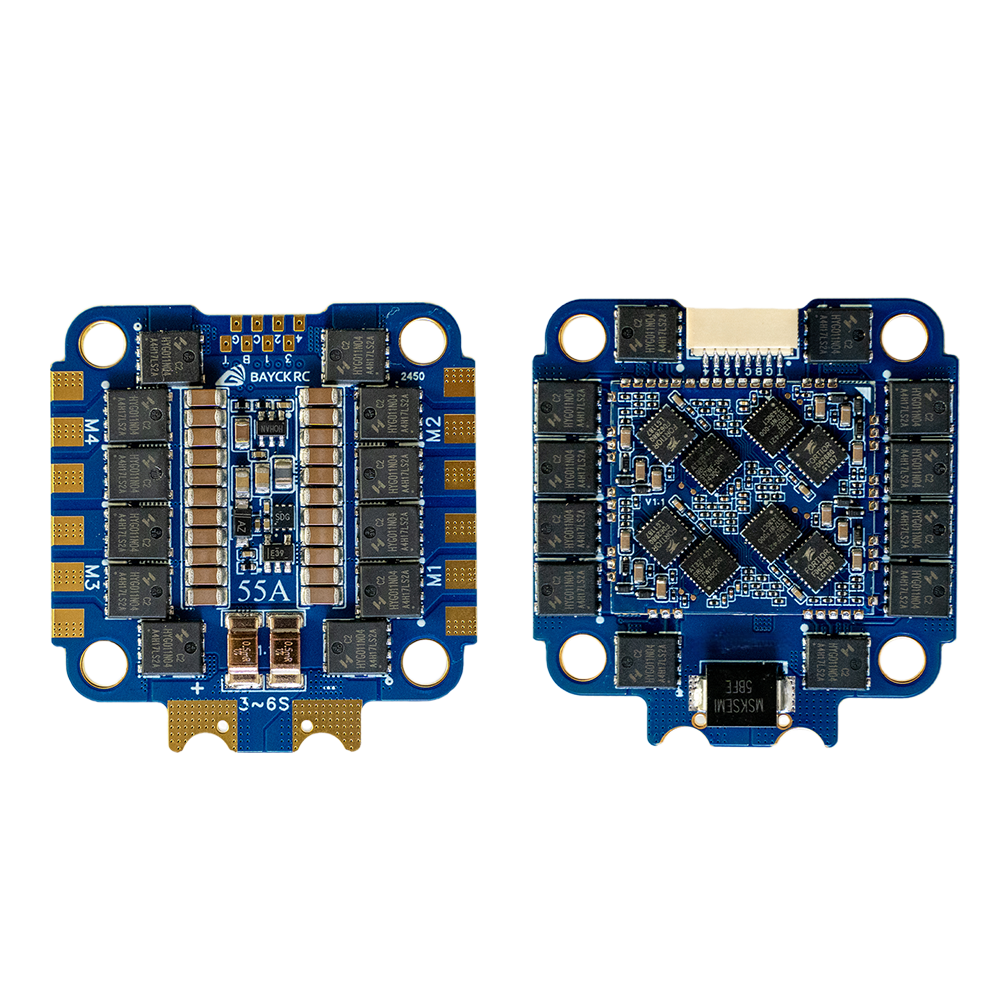
Firmware does not fix an under-rated power system. An ESC’s continuous and burst current rating, voltage rating, MOSFET quality and cooling determine whether it survives a race or a school session. Firmware governs control behaviour and features on top of that hardware.
When you match ESCs to motors and batteries, start with current draw, cell count and propeller load. Firmware comes after. Our guidance on motor, propeller and battery matching covers that sequence, and motor and propulsion matching explains how OEM teams can align components before firmware is flashed.
Common configuration mistakes
- Flashing firmware before confirming the exact board target, which can brick an ESC.
- Copying another team’s settings without matching motor, propeller and cell count.
- Ignoring bidirectional DShot requirements and expecting telemetry that the board cannot provide.
- Mixing firmware revisions within one fleet and losing track of which drone has which settings.
- Skipping a bench test with props removed after any firmware change.
Choosing between AM32 and BLHeli for a team order
If you are buying new 32-bit ESCs for a school or drone soccer fleet, AM32 is a reasonable candidate because its open-source model and broad target support give you update options. If your existing fleet already runs BLHeli_32 or BLHeli_S and works well, there is often little reason to change mid-season.
The decision should be made per fleet, not per article. Write down your current ESC models, firmware versions, flight controller, protocol and battery configuration. Then ask suppliers which firmware the candidate ESC ships with and whether it can be reflashed.
Procurement checklist for schools and clubs
- Confirm the ESC’s continuous and burst current rating against your motor and propeller combination.
- Confirm the supported cell count and input voltage range.
- Ask which firmware ships on the unit and which version.
- Ask whether the board can be reflashed and which tool is required.
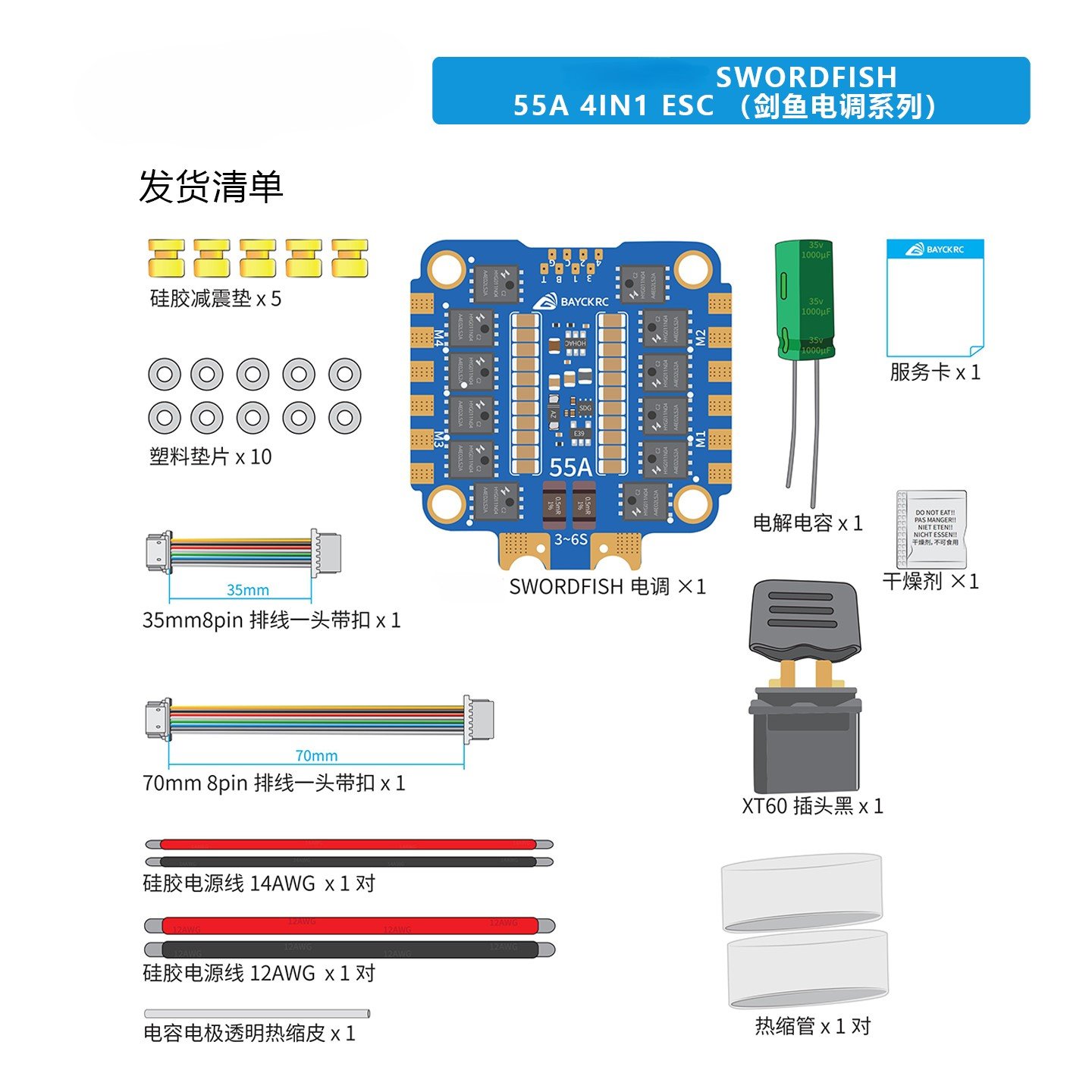
- Confirm connector type, mounting pattern and whether a BEC is included.
- Request the wiring diagram and configuration documentation.
- Ask about firmware update policy and how target files are provided.
- Request sample units for bench testing before a full fleet order.
- Confirm spare-part availability for the same model and revision.
- Get lead time, MOQ, warranty and return terms in writing.
Items such as MOQ, lead time and warranty vary by supplier and order size. Do not assume them from a product page; request written confirmation for your specific quotation.
Planning a fleet refresh or a new drone soccer kit? Talk to our team about your ESC and propulsion requirements so we can help you specify the right configuration before you order.
Battery and transport notes for travelling teams
Teams travelling to competitions carry lithium batteries, and aviation rules are strict. According to the FAA, spare lithium ion batteries must be carried in carry-on baggage only, with terminals protected from short circuit, and lithium ion batteries are limited to 100 watt hours (Wh) per battery, with airline approval possible for up to two larger 101-160 Wh spares. Many airlines apply stricter limits, so check with your carrier. Source: FAA PackSafe lithium batteries guidance.
This is US-oriented aviation guidance for passengers. It is not a substitute for your airline’s rules or for local regulations in other jurisdictions. Battery capacity also affects your propulsion choices, which is why matching motors, propellers and batteries should be done together.
Frequently asked questions
Is AM32 better than BLHeli?
Neither is universally better. AM32 is open source and supports many 32-bit targets, which can make updates and inspection easier. BLHeli_32 is a mature 32-bit option, and BLHeli_S remains common on legacy 8-bit ESCs. The better choice depends on your hardware, your tooling and your team’s ability to support it.
Can I flash AM32 onto a BLHeli ESC?
Sometimes, but only if the board’s microcontroller is a supported AM32 target and the hardware is compatible. Flashing the wrong target can permanently damage an ESC. Check the vendor’s target list and test on one unit before touching a fleet.
Does firmware change my ESC’s current rating?
No. Current rating is set by the hardware: MOSFETs, copper, connectors and cooling. Firmware affects control behaviour, not the physical current limit. Choose the ESC rating for your motor and propeller load first.
Which firmware is easier for school volunteers?
That depends on the tools and documentation your supplier provides. The key is consistency: one firmware family, one configurator and a written setup sheet per airframe reduces confusion for adult supervisors and student teams alike.
Do I need bidirectional DShot?
Bidirectional DShot enables RPM telemetry, which some flight controllers use for filtering and tuning. It requires both the ESC and the flight controller to support it. If your program does not use RPM-based filtering, this may not be a deciding factor.
Can I mix AM32 and BLHeli ESCs in one fleet?
You can fly mixed fleets, but maintenance becomes harder. Different firmware means different configurators, different settings and more room for error. For clubs and schools, standardising is usually worth the effort.
What should I ask a supplier before ordering ESCs for a team?
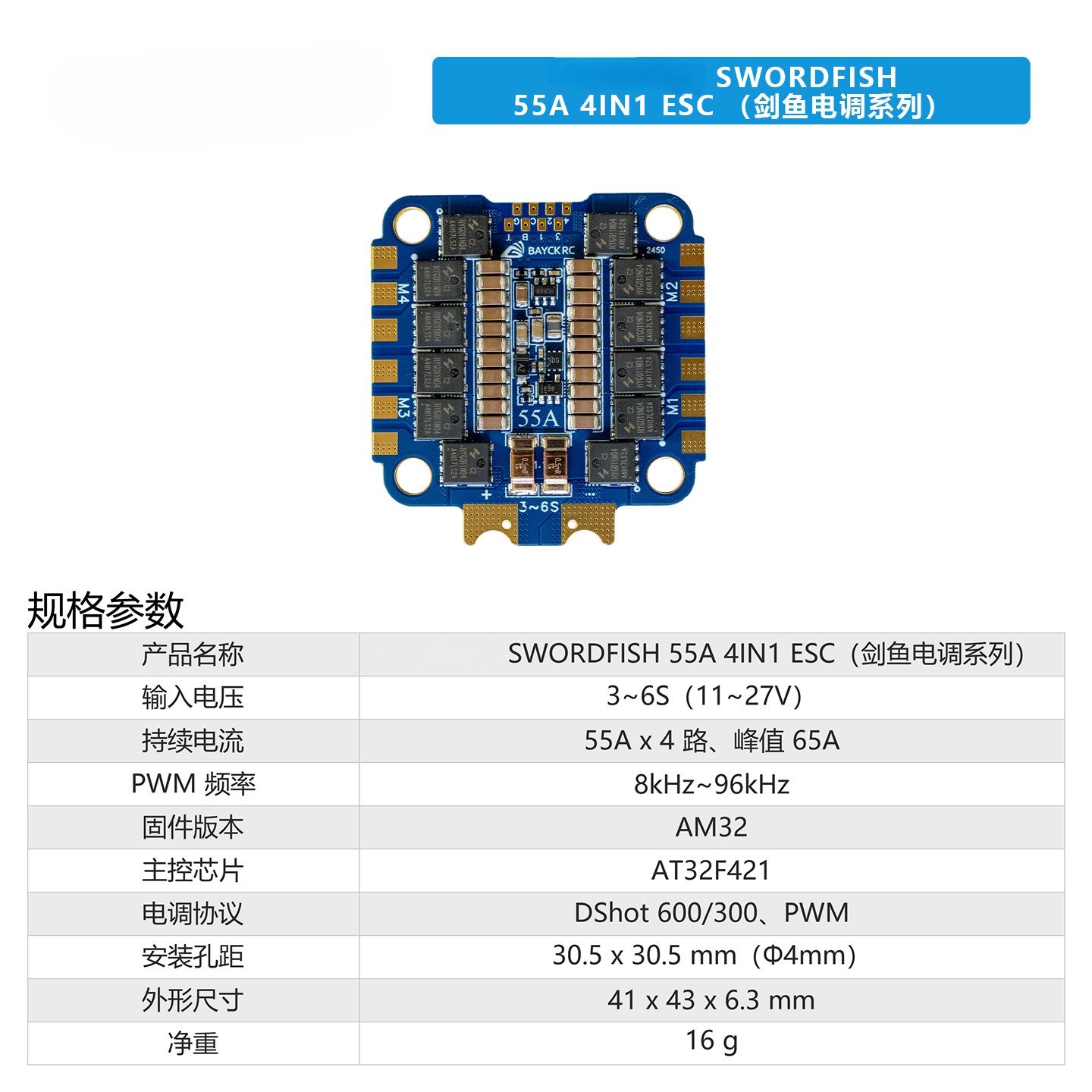
Ask for the exact firmware and version shipped, the supported cell count, the current rating, the connector type, the flashing method, the wiring documentation and the terms for MOQ, lead time and warranty. Request samples for bench testing before a full order.
Conclusion: pick firmware that fits your fleet
AM32 and BLHeli are both ways to run a brushless drone ESC. AM32’s open-source model and wide 32-bit target support appeal to teams that want update flexibility, while BLHeli_S and BLHeli_32 remain practical for existing fleets. For schools, drone soccer clubs and youth programs, the winning approach is consistency: one ESC model, one firmware family and clear documentation.
Before you order, match your ESCs to your motors, propellers and batteries using our propulsion combo kits as a reference, and review available FPV motors if you are refreshing the whole power train.
Ready to equip your team? Request a Team Kit Quote and tell us your fleet size, motor and battery configuration, and the firmware you prefer. We will confirm compatible ESC options and the commercial terms in writing.