Quick summary
Drone soccer balls should be carried in a rigid, padded, compartmented case with the propeller cage supported so it cannot press on the motors, ESCs, or battery leads. At rest, store each ball in a cool, dry place, ideally 15-25 °C and under 60% relative humidity, with batteries removed or at storage voltage and never left at full charge. Keep frames clean and dry, log every unit, and inspect cages, props, and connectors before each session. That routine protects the parts that fail most: bent shafts, cracked cages, and swollen battery packs.
Key Takeaways
- Carry drone soccer balls in rigid, padded cases with individual compartments, not loose in a duffel or open crate.
- Store balls cool, dry, and off the floor; heat, moisture, and stacking pressure cause most avoidable damage.
- Remove or manage batteries separately; never store LiPo packs at full charge or in a hot vehicle.
- Inspect cages, propellers, motors, ESCs, and battery leads before every practice and after every match.
- Build a simple inventory and sign-out system so missing or damaged drone soccer equipment is found before it reaches the pitch.
Why carrying and storage practice matters for drone soccer equipment
Drone soccer balls are not fragile in flight, but they are vulnerable between flights. A ball that survives collisions in the arena can still be damaged by a crowded car trunk, a stack of balls in a storage closet, or a hot classroom shelf.
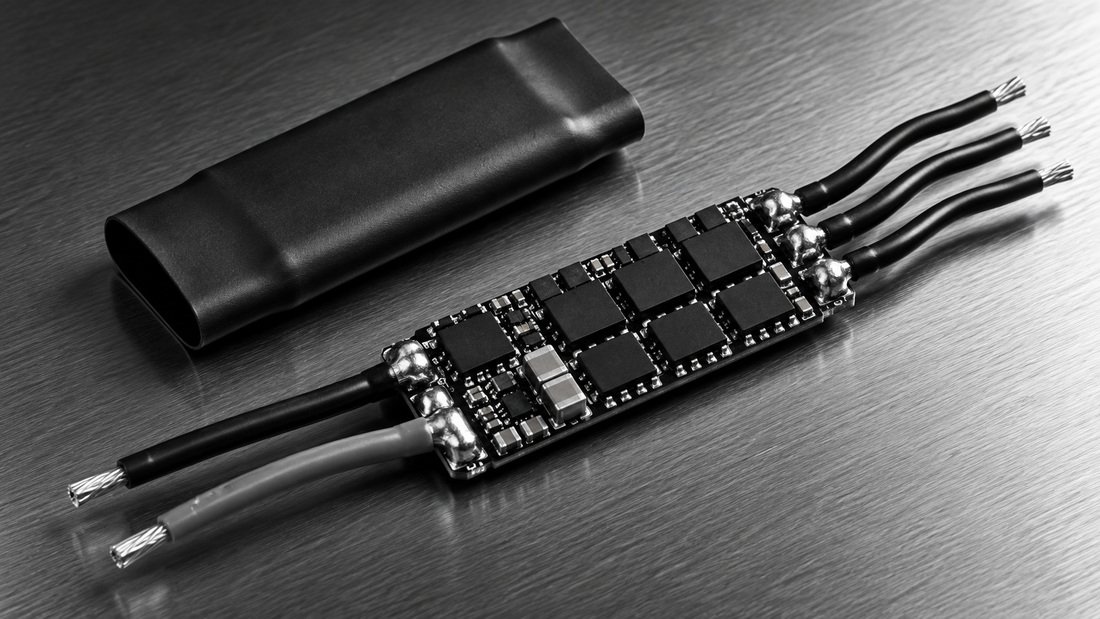
Schools, clubs, and youth programs often own a fixed set of drone soccer equipment and reuse it for years. How you carry and store that set directly affects how many balls are airworthy at the start of each session and how often you need to replace motors, electronic speed controllers (ESCs), or batteries.
This guide covers practical carrying methods, storage conditions, battery handling, inspection routines, and a procurement checklist you can use when buying cases, spares, or a full team kit.
What is the best way to carry drone soccer balls?
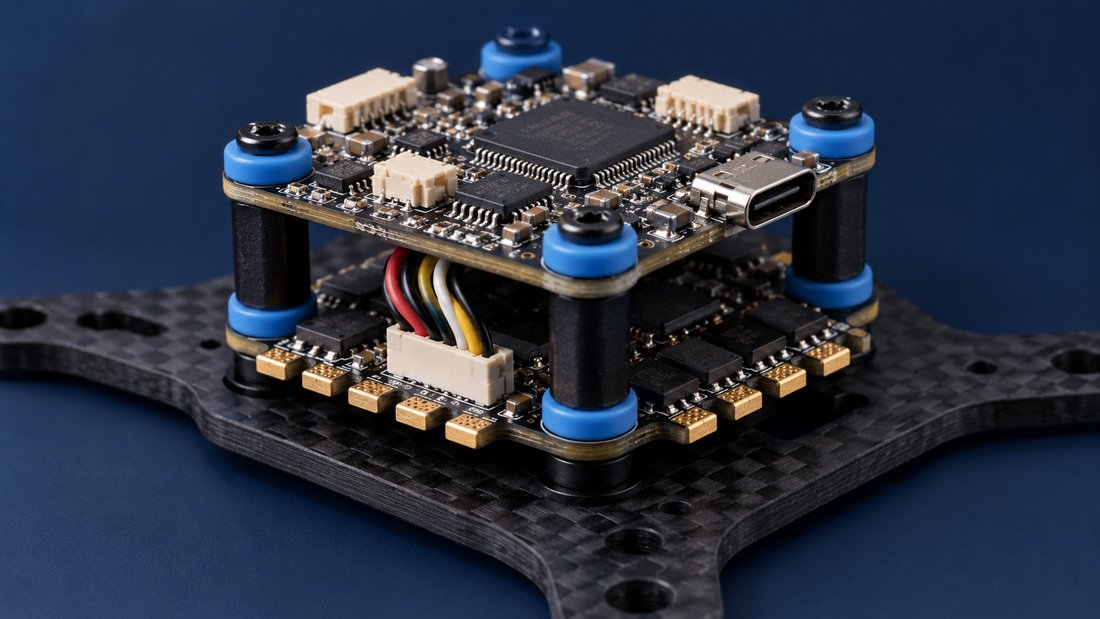
The best way to carry drone soccer balls is one ball per padded compartment in a rigid case, with the cage protected and no pressure on the motor mounts or battery connector. Soft bags and open crates let balls shift, collide, and transfer impact to the frame and electronics.
For a club moving between venues, that usually means either a wheeled hard case with custom foam inserts or rugged carry bags designed specifically for the ball diameter your program uses. The case should hold each ball upright so the cage is not resting on a hard surface.
Hard cases versus soft bags
Hard cases protect against crushing and stacking, which matter when equipment travels in a shared vehicle or is stored under other gear. Soft bags are lighter and cheaper but offer less protection against impact and compression.
Many programs use both: hard cases for transport between venues and soft bags or rack shelves for day-to-day movement inside a school.
Compartment layout and stacking
Never stack balls more than the case was designed for. If you must store multiple balls, use a rack or shelving system where each ball sits in its own cradle, rather than piling them on top of one another.
Label compartments by team or ball number. This makes inventory checks faster and helps you trace damage to a specific unit.
Storage conditions that protect frames, motors, and electronics
Store drone soccer equipment in a cool, dry, dust-controlled space. Avoid direct sunlight, damp basements, hot vehicles, and areas where heavy items can fall onto the balls.
A stable indoor environment reduces corrosion on connectors, keeps foam and plastics from becoming brittle, and limits thermal stress on batteries.
Temperature and humidity
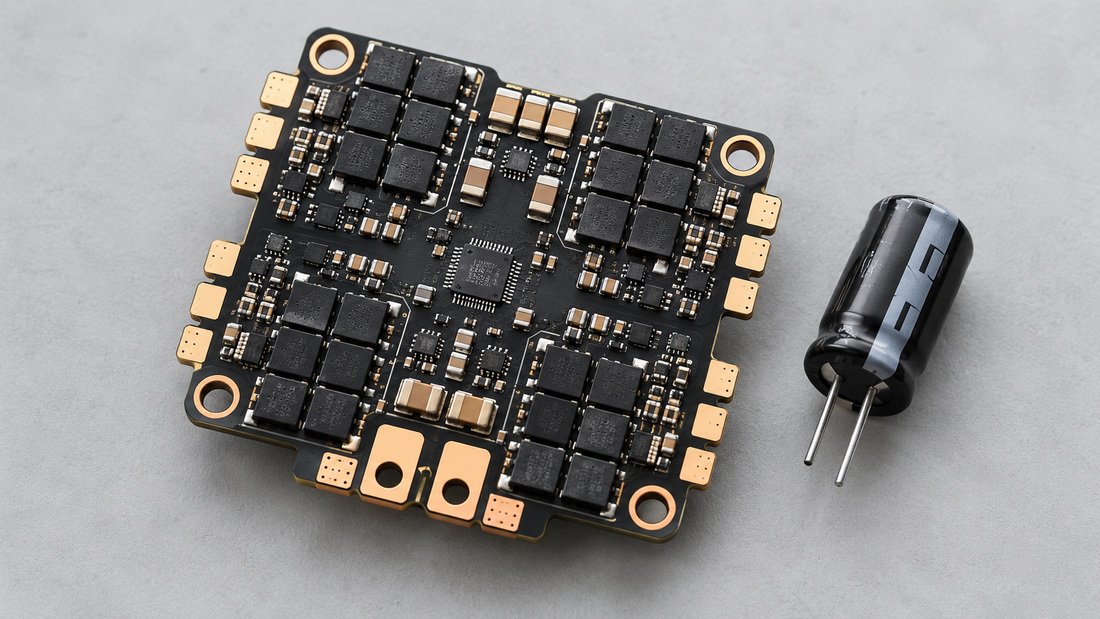
Aim for a comfortable indoor range and stable humidity. Rapid temperature swings can cause condensation inside the ball, which is difficult to remove and can damage electronics over time.
If your storage area is humid, use a sealed case with desiccant packs and check them regularly. Do not store balls directly on concrete floors or against exterior walls.
Battery handling in storage
Lithium polymer (LiPo) batteries should be stored at their manufacturer’s recommended storage voltage, not at full charge and not fully discharged. Follow the battery and charger documentation for exact values and charging procedures.
Remove batteries from balls for long-term storage where the design allows, and store them in a fire-resistant container or LiPo-safe bag in a cool, dry location, away from flammable materials. Never leave batteries in a hot car or in direct sun.
Frames, cages, and propellers
Keep cages and propellers free of dust and debris. Store spare propellers flat, not bent or under load. Check for cracks, deformation, or loose screws before each session, and replace damaged parts rather than bending them back.
If a ball has been crashed hard, inspect the motor mounts, ESC wiring, and frame joints before returning it to the rack.
Drone soccer equipment carrying and storage comparison
| Method | Protection level | Best used for | Watch-outs |
|---|---|---|---|
| Hard case with foam compartments | High | Travel between venues, shared vehicles, shipping | Heavy; foam may need replacing over time |
| Soft carry bag | Medium | Short trips, indoor movement, small sets | Little crush protection; balls can shift |
| Open crate or bin | Low | Temporary staging only | Impact, dust, stacking pressure |
| Shelving rack with cradles | Medium to high | Club room or classroom storage | Needs stable shelves; keep away from damp walls |
| Loose storage in a closet | Very low | Not recommended | Crushing, dust, accidental damage |
How should schools and clubs organize drone soccer equipment?
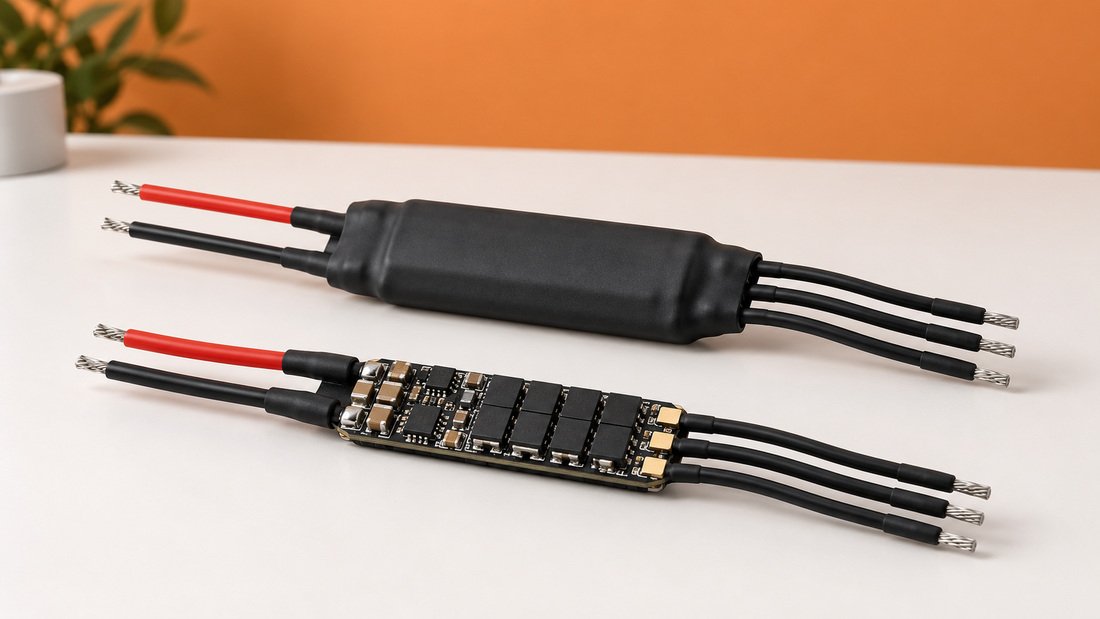
Organize by team, ball number, and role: complete balls, spares, batteries, chargers, tools, and paperwork each get a labeled location. A simple system prevents lost parts and makes session setup faster.
Programs that run regular practice benefit from a ready-to-play kit: charged batteries, at least one spare ball per team if budget allows, spare propellers and fasteners, and a basic tool kit.
Buying spare motors, ESCs, and propellers in advance reduces downtime when a ball is damaged mid-season. For broader program planning, see our overview of drone soccer systems and the ways drone soccer clubs structure their equipment.
Inventory and sign-out
Assign each ball a number and log its condition at check-out and check-in. Note any crash, unusual noise, or battery issue. This log helps you spot recurring problems and decide when to retire a unit.
Session setup and pack-down
Before play: inspect cages, props, motors, and battery connectors; confirm batteries are charged and undamaged. After play: remove batteries, clean debris from cages, return balls to their compartments, and store everything in the designated place.
A contextual note on buying and supporting drone soccer equipment
If your program is specifying new balls, spare parts, or a full team kit, it helps to compare how parts are carried, stored, and replaced before you commit. DPF supports STEM drone education and training and drone soccer competitions, and can discuss case, spares, and kit configurations with schools and training organizations. For a configuration discussion, Request a Team Kit Quote.
Common mistakes in carrying and storing drone soccer equipment
- Transporting balls loose in a trunk or van, where they collide and crush each other.
- Storing balls in a hot vehicle or direct sunlight, stressing batteries and plastics.
- Leaving LiPo batteries at full charge for weeks or months.
- Stacking balls on top of each other instead of using cradles or compartments.
- Skipping pre-flight inspections, so cracked cages or loose connectors go unnoticed.
- Storing equipment in damp rooms or on concrete floors without a barrier.
- Failing to log damage, so the same ball keeps failing without diagnosis.
Buyer checklist for cases, storage, and spares
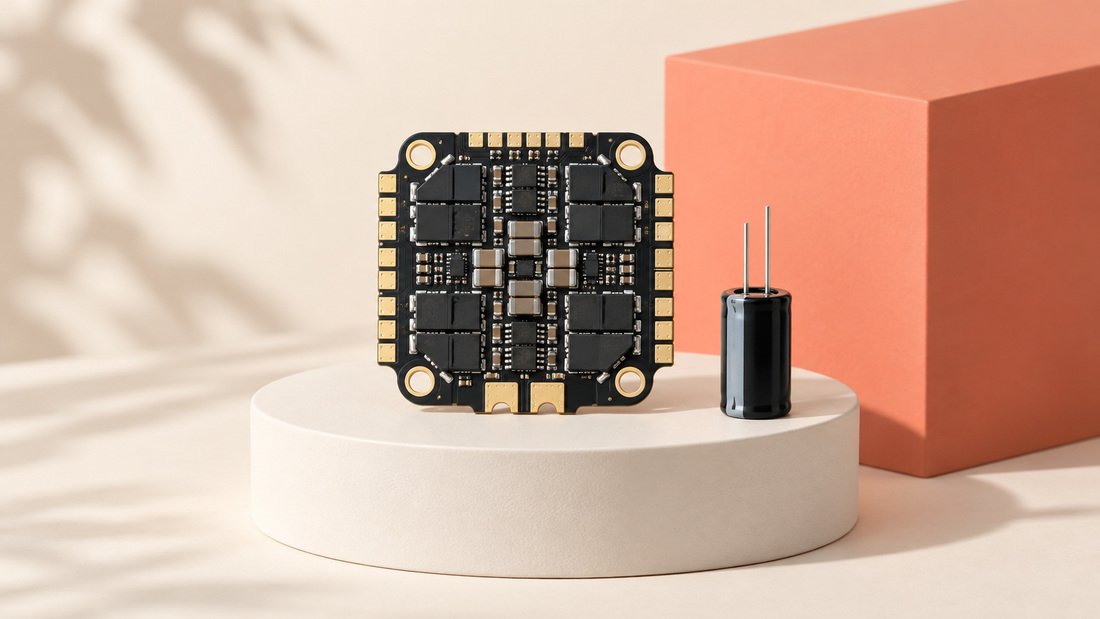
Use this checklist when specifying cases, racks, or storage for a program. Confirm details in writing with your supplier, because specifications, warranties, and lead times vary.
- Ball diameter and weight: confirm the case or cradle fits your actual drone soccer ball model.
- Case type: rigid, padded, compartmented, with closures that stay shut in transit.
- Capacity: how many balls, batteries, and spares you need to move at once.
- Battery storage: LiPo-safe bags or containers, plus a charger storage plan.
- Spares: motors, ESCs, propellers, fasteners, and cages appropriate to your ball platform.
- Cleaning and inspection tools: soft brushes, lint-free cloths, and basic hand tools.
- Documentation: storage and handling instructions from the ball and battery manufacturers.
- Safety references: any local rules or venue requirements that affect transport and storage.
Regulatory context for educational programs
Flight rules and storage rules are different topics, but programs often need both. In the United States, the Federal Aviation Administration (FAA) notes that drones flown for educational purposes are regulated under the Exception for Limited Recreational Operations of Unmanned Aircraft or under the Small Unmanned Aircraft Systems Rule, and that qualifying educational organizations can operate under the recreational exception (FAA educational users page).
That page also explains that educational institutions may request FAA-Recognized Identification Areas (FRIAs), where drones can be flown without Remote ID. Rules vary by country and venue, so confirm what applies to your program before you fly, and keep storage and transport decisions separate from flight-rule decisions.
Frequently asked questions
1. Can drone soccer balls be stored in their carry case long term?
Yes, if the case is rigid, padded, and dry, and batteries are removed or stored at the correct voltage. Check periodically for condensation, dust, or foam deterioration, and store the case off the floor in a stable indoor environment.
2. Should batteries stay inside the balls when not in use?
For long-term storage, remove batteries where the design allows and store them separately at the manufacturer’s recommended storage voltage. For short breaks in practice, follow the ball and battery documentation. Never store batteries at full charge for extended periods.
3. How many spare balls should a team keep?
There is no universal number, because it depends on team size, practice frequency, and budget. Many programs plan at least one spare ball per team or per active set if budget permits, plus spare propellers, motors, and ESCs. Confirm what your supplier supports.
4. What temperature is safe for storing drone soccer equipment?
Follow the ball, battery, and electronics manufacturers’ guidance. In general, a cool, dry, stable indoor environment avoids the heat and condensation that damage batteries, plastics, and connectors. Avoid hot vehicles and damp rooms.
5. How do I know when a ball should be retired?
Retire or repair a ball if the cage is cracked, the frame is bent, motors are damaged, connectors are loose or corroded, or the ball fails a pre-flight check. Use your damage log to spot repeated failures.
6. Do storage practices affect flight rules or insurance?
Storage is generally separate from flight rules, but venue agreements and insurance policies may include equipment handling requirements. Check your program’s policies and any venue rules. For US flight rules, see the FAA educational users page linked above.
7. Can DPF supply cases and storage accessories with a team kit?
DPF can discuss kit configurations, spare parts, and storage options. Ask your contact to confirm in writing which cases, spares, and accessories can be included, and request samples or specifications before committing to a large order.
Conclusion and next step
Good carrying and storage habits are one of the cheapest ways to extend the life of drone soccer equipment. Use rigid, padded cases, store balls cool and dry, manage batteries carefully, and inspect before every session.
When you are ready to equip a team, start by listing your ball count, spare parts, battery plan, and storage needs. Then Request a Team Kit Quote so DPF can discuss the configuration, confirm what is included in writing, and help you plan a setup that fits your program’s practice and travel routine.