Quick summary
Checking current draw on drone ESCs means measuring the amps each ESC pulls while a motor spins under a known load, then comparing that number with the ESC’s continuous and burst ratings. You need a power meter or clamp meter rated well above expected current, a restrained airframe or test stand, fresh batteries, and a repeatable test sequence. Record pack voltage, throttle level, propeller size and ambient temperature with every reading, because current without context tells you very little.
Key Takeaways
- Current draw is a system property: ESC rating, motor Kv, propeller load and battery voltage all interact.
- Whole-system power meters are cheapest and safest, but only read total pack current — not one ESC in a 4-in-1 board.
- A DC clamp meter can read a single ESC or motor phase lead, provided its jaw wraps one wire only.
- Bench testing must be restrained, ventilated and kept short; heat and voltage sag distort results.
- Write down every reading with its conditions so you can compare motors, props and battery packs over a season.
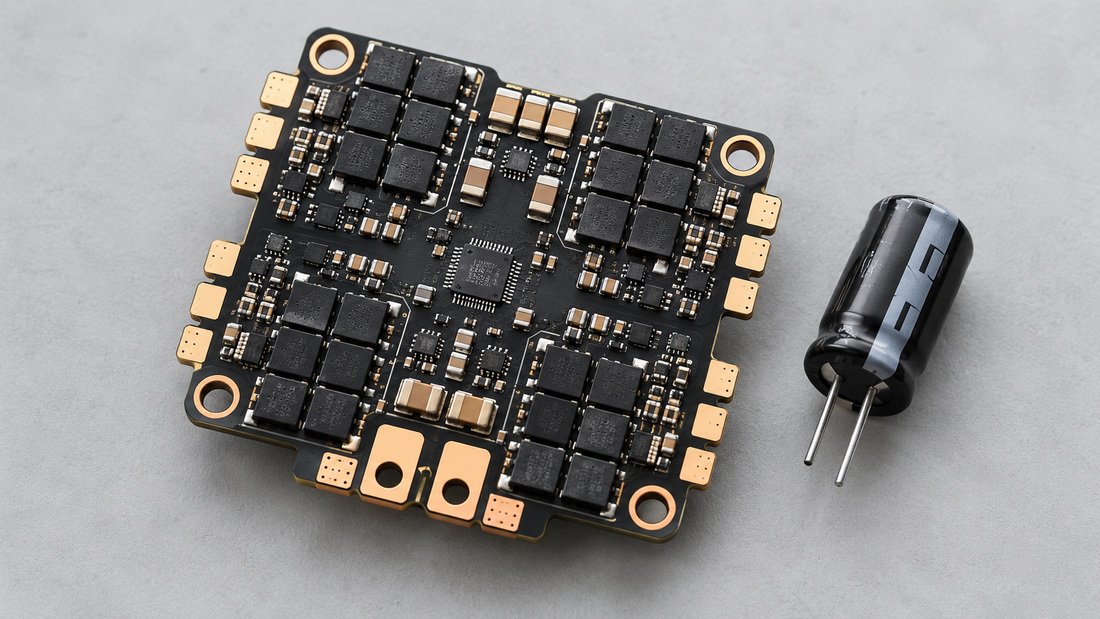
What does “ESC current draw” actually mean?
ESC (electronic speed controller) current draw is the instantaneous current flowing from the battery, through the ESC, into the motor windings. It changes every fraction of a second as throttle, propeller load and battery voltage change. The number that matters most for component selection is the peak the ESC must survive, not the average cruise value.
Manufacturers usually publish two figures: continuous current and burst current. Continuous is the level the ESC should hold for a sustained flight; burst is a short-duration limit. Both are stated under specific test conditions, often with an airflow assumption and a defined duration. If a datasheet does not state those conditions, treat the number as a rough ceiling rather than a guarantee.
Why teams and clubs care
For schools, youth programs and drone soccer teams, over-current events are a common cause of burnt ESCs, swollen batteries and mid-session failures. A regular current check tells you whether a motor has been damaged, whether a propeller change pushed the system past its rating, or whether an older battery is sagging and forcing the ESC to work harder for the same thrust.
How do you measure current draw the right way?
The method depends on whether you need total pack current or per-ESC current. Most clubs start with total pack current because it is simpler, safer and cheap. Per-ESC readings become useful when you are diagnosing one failing corner of a quadcopter or matching motors for a competition build.
Method 1: Whole-system power meter
Place an inline power meter between the battery and the power distribution board or 4-in-1 ESC. The meter logs voltage, current and watt-hours. This gives total current for all motors combined, which is useful for battery and connector sizing but cannot isolate a single ESC.
Method 2: DC clamp meter on one ESC or motor lead
A DC clamp meter wraps around a single conductor and reads the current in that wire. You can clamp one battery lead feeding a single ESC, or one motor phase lead. Clamping a phase lead does not give DC battery current — it gives an AC waveform, so the meter must support AC current or true RMS to be meaningful.
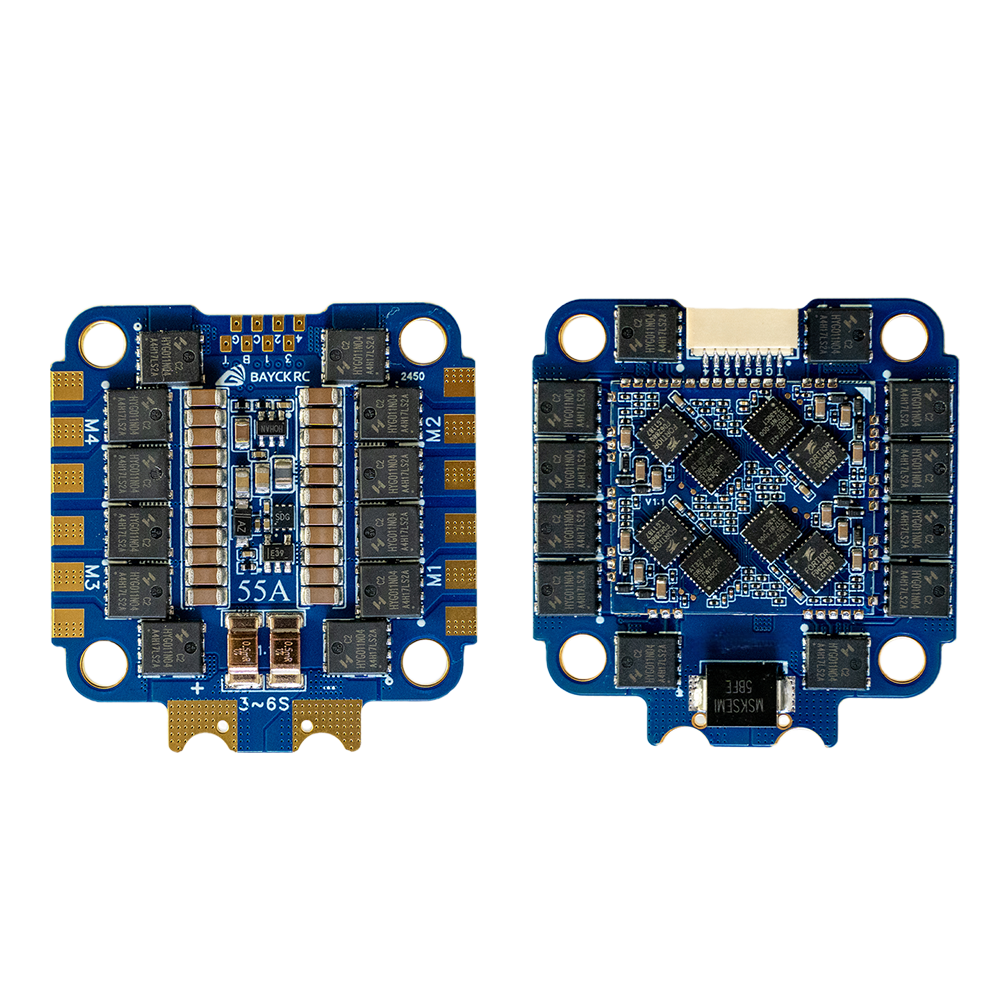
Method 3: Telemetry and flight logs
Many flight controllers and ESCs report current through telemetry when a current sensor or shunt is present. These logs are excellent for real-flight peaks, but they depend on calibration. Verify a new build on the bench against a known meter before trusting telemetry numbers for component decisions.
Comparing measurement options
| Method | What it reads | Best for | Limitations |
|---|---|---|---|
| Inline power meter | Total pack current, voltage, watt-hours | Battery and connector sizing, whole-aircraft limits | Cannot isolate one ESC; adds a small resistance in the path |
| DC clamp meter | Current in one conductor | Per-ESC or per-motor checks on multi-ESC builds | Needs DC or true RMS support; jaw must wrap one wire only |
| Flight controller telemetry | Logged current during real flight | Flight-profile validation, trend tracking | Requires calibration; sensor scaling errors are common |
| Bench power supply with current display | Current at a fixed voltage | Static, low-throttle tests without a battery | Current-limited output may not represent real battery behaviour |
Most clubs end up using two methods together: a clamp meter for targeted diagnosis, and telemetry for flight trends. That combination catches both the obvious fault and the slow drift.
Bench test procedure for a team session
A repeatable procedure matters more than expensive equipment. The steps below keep the test consistent so readings from different sessions can be compared.
- Secure the airframe on a test stand or restrain it so props cannot contact anything or anyone.
- Remove or shield anything loose, and keep people out of the propeller plane.
- Fit the intended propeller. Prop choice changes current dramatically.
- Use a freshly charged battery of the intended cell count and capacity.
- Zero the meter before connecting power.
- Run short throttle steps, for example 25, 50, 75 and 100 percent, holding each for a few seconds.
- Read voltage and current at each step and note the time the reading was taken.
- Stop immediately if current spikes beyond the ESC rating, if you smell burning, or if the battery voltage collapses.
- Let components cool between runs, then repeat once to confirm consistency.
- Record motor, propeller, battery, ESC and ambient temperature with the numbers.
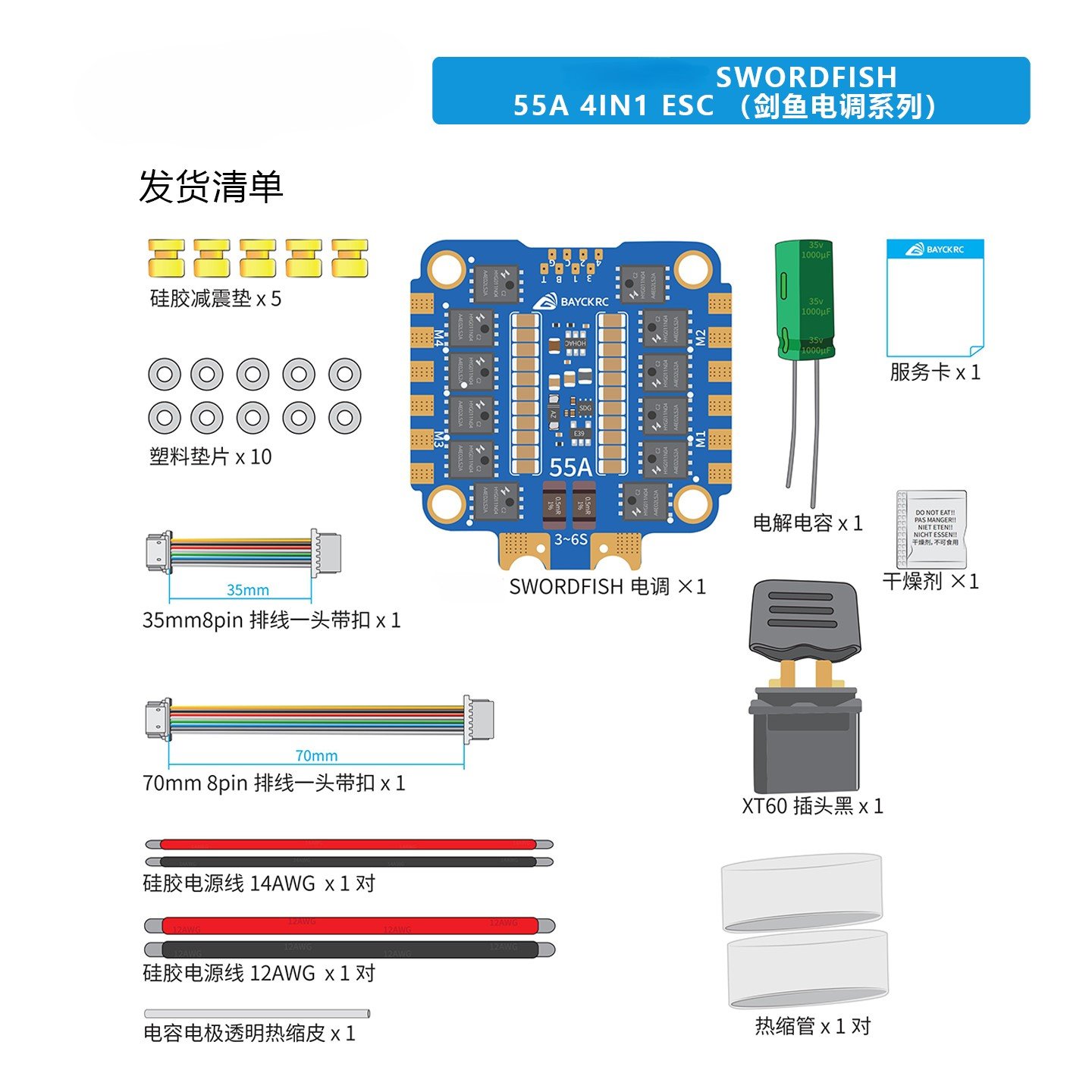
Reading the numbers: what is normal?
There is no universal “normal” current figure, because it depends on motor size, Kv, propeller diameter and pitch, battery cell count and throttle. What you can do is establish a baseline for your own fleet. Once you have a baseline, deviations are meaningful.
Patterns worth investigating
- One corner consistently higher than the others: a damaged motor, a bent shaft, a partially shorted winding, or a different propeller.
- All corners higher than last season: worn motors, a heavier airframe, a different battery, or colder ambient air changing performance.
- Current spikes at low throttle: timing or firmware configuration issues, or a failing bearing.
- Current lower than expected with poor thrust: a slipping prop, a weak battery, or incorrect motor timing.
If you change propeller or motor, expect a different baseline. Matching the propulsion set before you buy is far cheaper than discovering the mismatch on the bench after purchase.
If you are equipping several teams or a full season of spares, it is worth talking through your build list with a supplier before ordering. Our team can review motor, propeller and ESC combinations for your airframe class through the Get a Quote process.
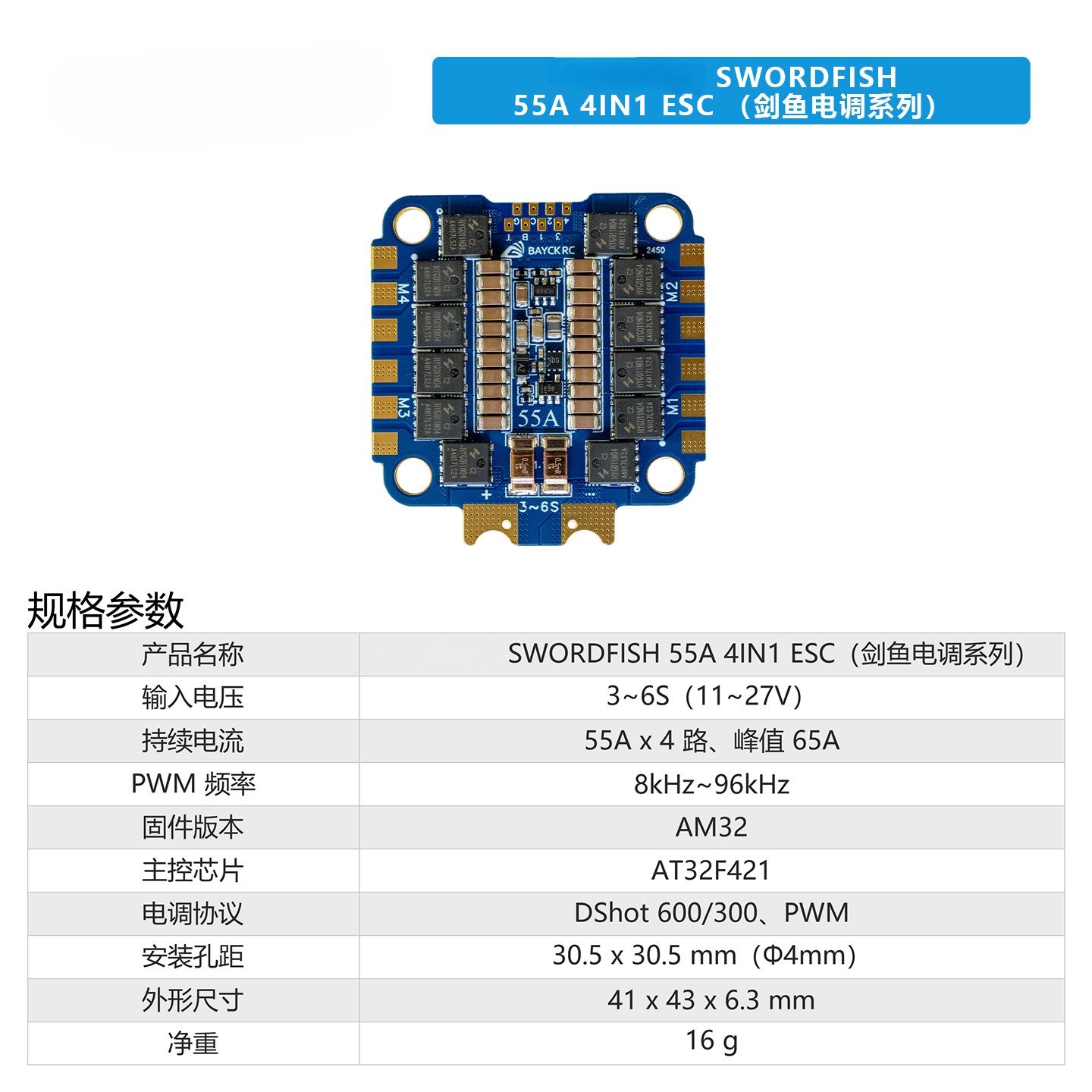
Common mistakes when checking ESC current draw
- Measuring with the wrong propeller fitted. A static test with a smaller prop understates real flight load; a larger one may overstate it and scare you unnecessarily.
- Ignoring battery sag. As voltage drops, current rises for the same thrust. Comparing a full pack against a nearly empty one is not a fair test.
- Trusting one reading. A single number from one run can reflect a hot motor or a cold solder joint. Repeat the test.
- Clamping both battery leads. The magnetic fields cancel and the meter reads near zero. Clamp one conductor only.
- Running long full-throttle tests on the bench. Without airflow, heat builds fast and results drift away from flight conditions.
- Assuming telemetry is calibrated. Verify against a reference meter before you trust flight logs for purchasing decisions.
Buyer checklist before you order replacement ESCs
Use this list when you are specifying ESCs for a club, school or team order. It also helps you ask a supplier the right questions.
- Measured peak current per ESC in your worst realistic condition.
- ESC continuous and burst ratings, including the conditions they are stated under.
- Motor Kv, stator size and recommended propeller range.
- Battery cell count, capacity, discharge rating and connector type.
- Firmware and protocol compatibility with your flight controller.
- Physical size, mounting pattern and weight for your airframe.
- Spare quantity per team for a full season of competition.
- Written confirmation of warranty terms, replacement policy and technical support process.
Confirm all commercial terms — pricing, warranty duration, lead time, minimum order quantity and support channels — in writing with your supplier. Terms that are not documented are difficult to rely on later.
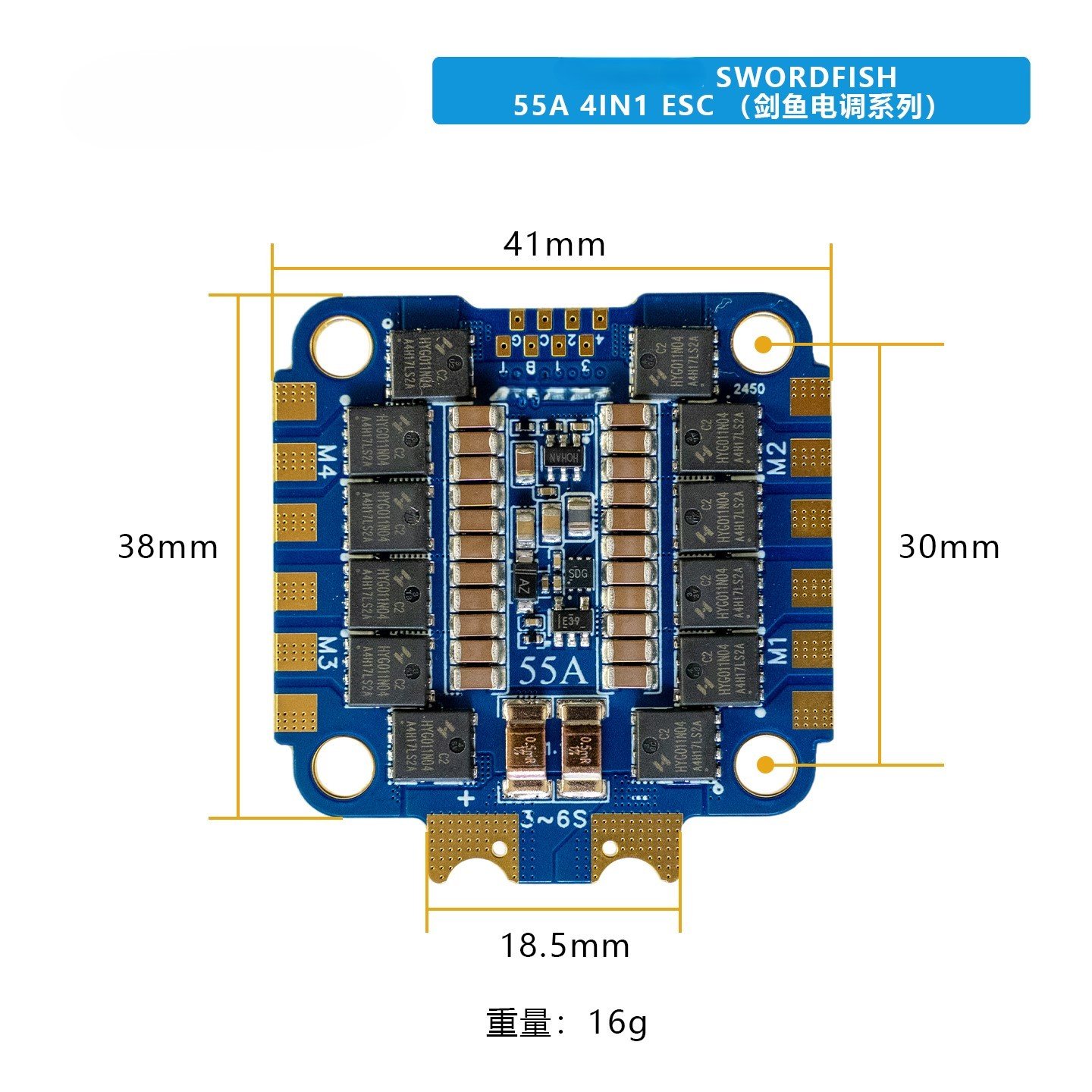
Where battery safety fits in
Current checks stress batteries as well as ESCs. Lithium batteries can overheat and enter thermal runaway, which can occur without warning if a battery is damaged, overheated, overcharged or improperly packed, according to the FAA’s lithium battery guidance. The same page notes that thermal runaway can also occur on its own due to manufacturing defects.
That matters for clubs in two practical ways. First, any battery that has puffed, been crashed hard or shows unusual voltage behaviour should be removed from service rather than used for testing. Second, when you travel to competitions or ship equipment, spare lithium ion batteries must be protected from short circuit and, under US rules, carried in carry-on baggage only — with terminals protected by tape, cases, sleeves or original packaging. See the FAA guidance at faa.gov/hazmat/packsafe/lithium-batteries. Airline rules can be stricter, so confirm limits with your carrier before travel.
Choosing ESCs and propulsion that match your measurements
Once you know your real peak current, ESC selection becomes a specification exercise rather than guesswork. Allow headroom above your measured peak rather than matching it exactly, because current rises as batteries age and as ambient conditions change. If you are reviewing a fleet build, the same logic applies across the whole power train, so it helps to review FPV motors alongside the ESC choice.
For organized programs, buying matched propulsion combo kits reduces the chance that one component in the chain is out of step with the others. If you need a custom configuration, DPF offers motor and propulsion matching support, and there is general guidance on motor, propeller and battery matching in the technical support section.
Frequently asked questions
Can I check ESC current draw without a clamp meter?
Yes. An inline power meter between the battery and the power board reads total current for the whole aircraft. It will not isolate a single ESC, but it is enough for battery, connector and overall power budgeting.
Is bench current the same as in-flight current?
Not exactly. Bench testing usually lacks airflow and forward motion, so cooling is worse and load conditions differ. Use bench numbers to find faults and compare components, then confirm with flight telemetry before making final ratings decisions.
How much headroom should I leave above measured peak current?
There is no universal figure. The safe answer depends on your measured peak, how long it lasts, airflow around the ESC, and how the manufacturer defines its continuous and burst ratings. Ask your supplier what conditions those ratings assume and compare like with like.
Why does current rise as the battery drains?
For a given thrust, a lower pack voltage means the system must draw more current to deliver the same power. That is why a test on a full pack and a test on a nearly empty pack produce different currents.
Should I test every ESC in a 4-in-1 board separately?
It is useful when diagnosing a fault or verifying that all four channels behave similarly. For routine fleet checks, total pack current plus a visual and thermal inspection is often sufficient.
What current readings suggest a motor is failing?
A single corner reading noticeably higher than the others under identical conditions, a rising trend across sessions, or current spikes at low throttle are all worth investigating. Confirm by swapping the suspect motor to another arm and re-testing.
Can I use flight controller telemetry instead of a meter?
You can, provided the current sensor is calibrated against a known reference. Uncalibrated telemetry can be off by a wide margin, which makes it unreliable for component selection but still useful for spotting trends.
Conclusion
Checking ESC current draw is a repeatable habit, not a one-off task. Fix your test conditions, measure pack current with an inline meter, isolate individual ESCs with a DC clamp meter when you need to, and always record the context with the number. Over a season, those records tell you when a motor is degrading, when a battery is sagging, and when a build has simply outgrown its ESCs.
If you are specifying ESCs for a school program, drone soccer club or multi-team order, send us your build details, measured current figures and required quantities. We can review the propulsion set and propose options that fit your airframe class. Request a Team Kit Quote to get started.