Quick summary
Short answer: generally no, not in the way FPV pilots mean it. Betaflight is open-source flight control software that runs on a flight controller, the board that reads sensors, computes flight commands, and tells the ESC how to drive the motors (Betaflight documentation). A standard drone soccer ball is a caged, mass-produced team device, and its stock electronics are usually locked to the manufacturer’s own firmware and tuning. You can run Betaflight inside a drone soccer ball only if the ball’s flight controller board is Betaflight-compatible and the league rules allow firmware changes. For most schools, clubs and associations, the practical answer is: keep the stock electronics flying, and treat Betaflight as a diagnostic and learning tool on separate trainer quads.
Key Takeaways
- Betaflight is flight controller firmware, not a receiver, ESC or radio protocol. It needs a compatible flight controller board to run at all.
- Most off-the-shelf drone soccer balls ship with vendor firmware tuned for cage impacts, indoor flight and uniform team behaviour.
- Before flashing anything, check your league rulebook and your vendor agreement. Firmware changes may void support or make the ball non-compliant.
- Betaflight does support many receiver and ESC protocols, including CRSF and DShot, so the technical barrier is usually the board, not the protocol list.
- The safer route for clubs is to standardise drone soccer ball electronics across the fleet and keep Betaflight on separate FPV trainer builds.
What Is Betaflight, and Where Does It Actually Run?
Betaflight is free, open-source flight control software for drones, from racing and freestyle to cinematic, long range, micros and wings. It exists so pilots get precise, predictable and reliable flight, and so the knowledge stays open to everyone (Betaflight documentation).
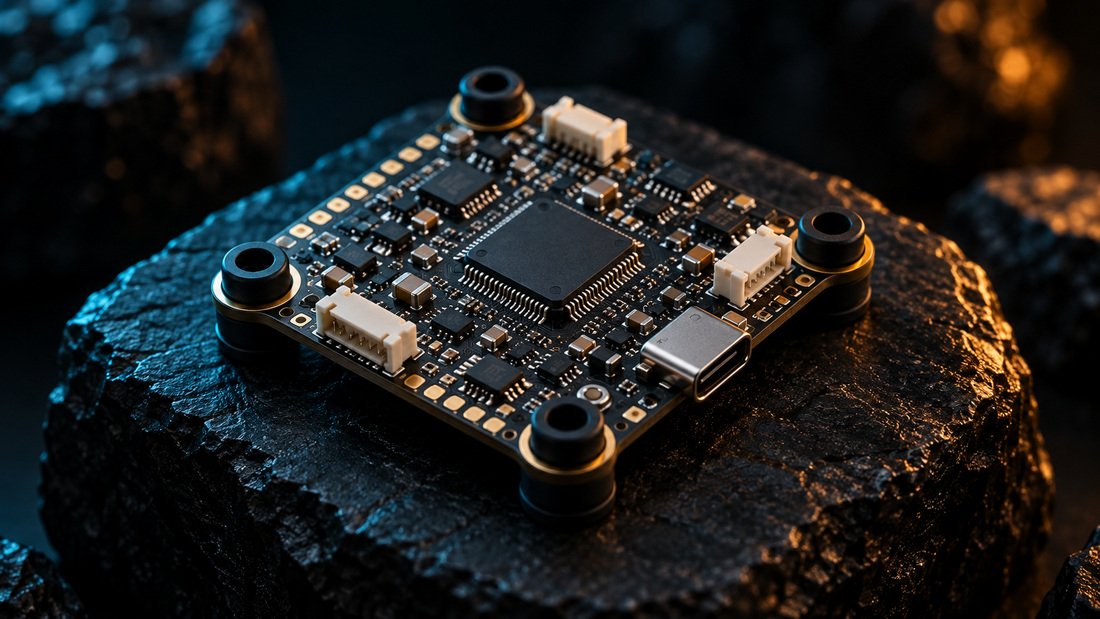
It runs on the flight controller: a small computer that reads the gyro, accelerometer, GPS and other sensors, computes desired actions, and sends commands to the electronic speed controller (ESC) to drive the motors. It can also manage peripherals such as video transmitter (VTX) control, radio telemetry and LEDs.
Two consequences matter for drone soccer. First, Betaflight is software only. It cannot fix an incompatible board. Second, because it is open source, the people who support it are the community and the hardware maker: Betaflight fixes the software, manufacturers support their hardware, and pilots own their builds. In a school fleet, that support model is very different from a single vendor warranty.
How Drone Soccer Ball Electronics Differ From an FPV Quad
A drone soccer ball is not a shrunken freestyle quad. It is a team sport device. The cage, the ball shell, the motor layout and the firmware are designed together so that every ball in a match behaves predictably and survives repeated collisions.
Design priorities are different
FPV quads prioritise pilot feel and tunability. Drone soccer balls prioritise durability, uniform response and safe indoor operation. That usually means factory firmware with locked or hidden tuning options rather than an open configuration interface.
Radio and video links are usually simplified
Team devices often use a fixed radio link and a simple video or telemetry setup, because the referee, coach and operator need consistency, not a personal tune. Betaflight supports a wide variety of receiver protocols, including CRSF, Ghost, FPort and SBUS, and ESC protocols such as DShot, Oneshot and Multishot, so protocol support is rarely the blocker. Board compatibility is.
Can Betaflight Physically Be Flashed to a Drone Soccer Ball?
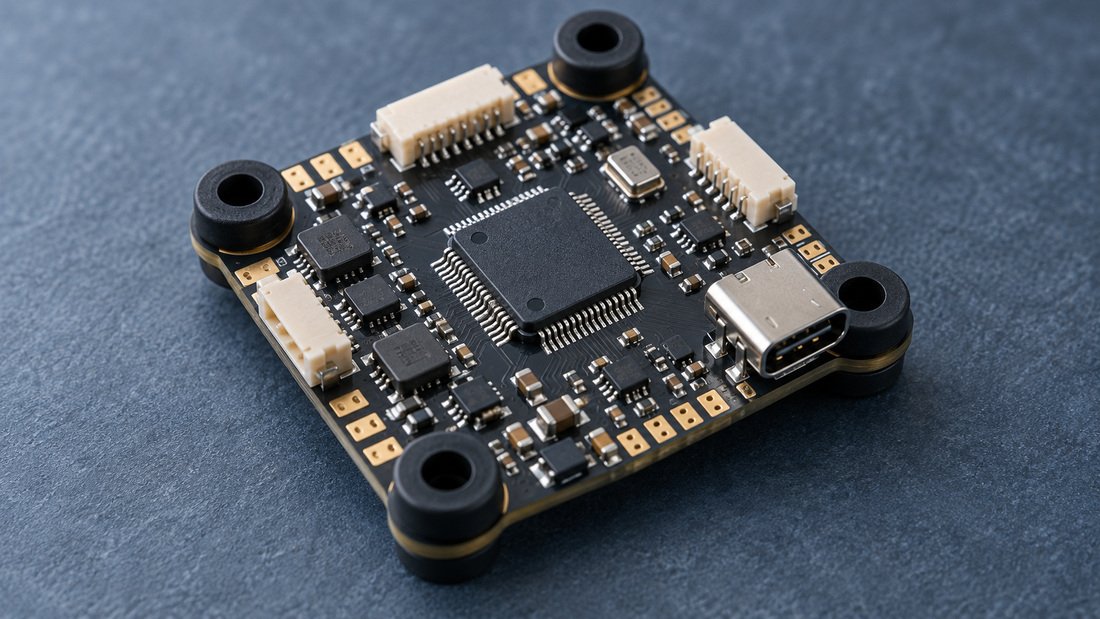
It is technically possible only when three conditions line up: the ball contains a separate, Betaflight-compatible flight controller; the board’s manufacturer provides a Betaflight target; and the league permits firmware modification.
Condition 1: A compatible flight controller
Many drone soccer balls use integrated or proprietary control boards rather than a standard FPV flight controller. If the board has no Betaflight target, flashing is not an option regardless of how capable the rest of the electronics are. Ask the supplier for the exact board model and whether a Betaflight target exists.
Condition 2: Motor and ESC compatibility
Betaflight sends commands to the ESC, so the ESC protocol must be one Betaflight supports and the motor order and direction must match your configuration. On an integrated board this can be fixed in hardware, leaving no room to change protocol.
Condition 3: Rules and warranty
Even if the hardware allows it, a firmware change may breach a league technical regulation or a vendor support agreement. This is a governance question, not an engineering one. Read the rulebook first.
Side-by-Side: Stock Drone Soccer Firmware vs Betaflight
| Aspect | Stock drone soccer firmware | Betaflight |
|---|---|---|
| Primary goal | Uniform team behaviour, durability, match compliance | Pilot-tunable performance and feature breadth |
| Configuration access | Often limited or vendor-controlled | Open configuration interface |
| Receiver protocol support | Fixed at manufacture | Wide range, including CRSF, FPort, SBUS |
| ESC protocol support | Fixed at manufacture | DShot, Oneshot, Multishot, PWM |
| Support model | Vendor or league technical support | Community plus board manufacturer |
| Competition compliance | Typically designed to comply | Must be checked against league rules |
| Typical club suitability | High: predictable and repeatable | Low for match balls; high for trainer quads |
What Betaflight Does Well That Drone Soccer Does Not Need
Betaflight’s feature list is impressive, but several headline capabilities are aimed at FPV pilots, not team sport devices.
- Precision tuning: tune presets for tinywhoops, 5-inch quads and 7-inch-plus craft. Useful on trainers, unnecessary on a fixed-geometry ball.
- RGB LEDs: WS2811 strips can show battery warnings, flight mode and troubleshooting status. Match balls usually use fixed team colours.
- Wide sensor variety: gyro, accelerometer, magnetometer, barometer and GPS. Drone soccer is indoor and short-range, so GPS and barometer add little.
- On-screen display (OSD): works with analog and digital video systems, showing voltage, current, GPS coordinates, timers and more. Helpful for coaching analysis if your ball streams video.
- GPS rescue and autonomous flight: relevant outdoors for long range, not for a caged indoor ball.
None of this makes Betaflight wrong. It simply means the value proposition does not transfer automatically from FPV to drone soccer.
A Practical Middle Path: Use Betaflight Alongside Your Fleet
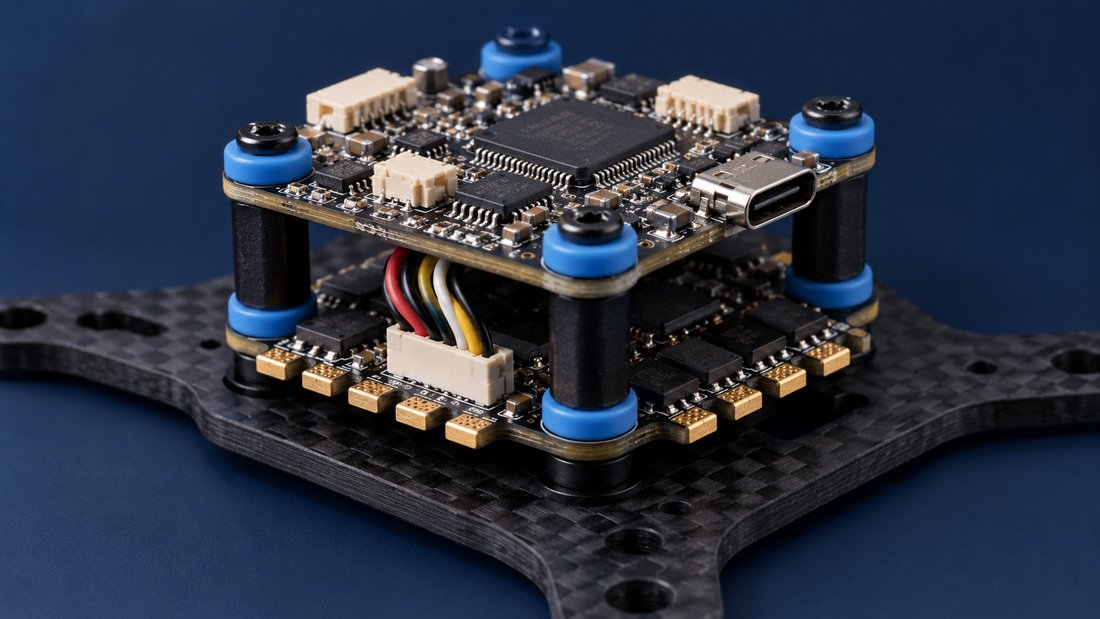
Clubs and schools get most of the learning benefit without touching match balls. Keep the soccer fleet standardised, and build a small number of FPV trainer quads running Betaflight for pilot development and electronics education.
Build a trainer bench
Two or three inexpensive FPV builds let students compare firmware, inspect logs, and understand how gyro data becomes motor output. You can source compatible flight controllers and matching electronic speed controllers as a matched stack.
Standardise the soccer fleet
Keep every match ball on identical, vendor-supported electronics. That makes fault diagnosis faster, keeps spares interchangeable, and avoids the situation where one ball flies differently from the rest of the team’s set.
Need help matching electronics across a team fleet? Tell us your ball model, radio setup and fleet size, and we can help you plan spares and trainer builds. Request a Team Kit Quote.
Common Mistakes When Mixing Betaflight With Drone Soccer
- Flashing before checking the rulebook. Compliance comes first; a faster ball that cannot play is useless.
- Assuming open source means vendor-supported. Betaflight documentation is explicit that manufacturers support their hardware and pilots own their builds.
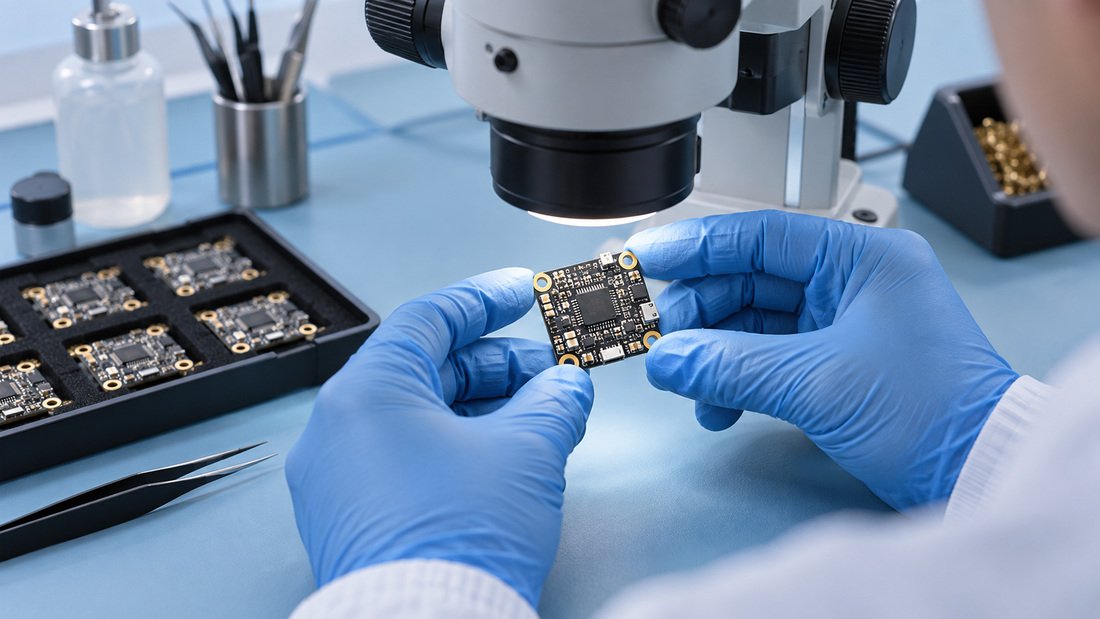
- Buying mismatched parts. A Betaflight-capable flight controller paired with an incompatible ESC creates a problem the firmware cannot solve.
- Patching one ball at a time. Mixed firmware across a team set creates inconsistent handling, which is exactly what drone soccer design tries to avoid.
- Ignoring who repairs it. Decide in advance who supports a modified ball when it stops flying mid-season.
Buyer Checklist: Questions to Ask Before You Modify Anything
- Does the league rulebook permit firmware or hardware modification of match balls?
- What is the exact flight controller board model inside the ball, and is there a Betaflight target for it?
- Which receiver protocol and ESC protocol does the ball use?
- Will changing firmware void the vendor’s support or warranty on that ball?
- Can we buy a spare flight controller, ESC or receiver separately for trainer builds?
- Who performs repairs and firmware updates once the season starts?
- Are all balls in the fleet on the same firmware version and configuration?
- Do we have a written quotation covering spares, lead time and payment terms?
For any commercial term you cannot confirm from a datasheet, ask for it in writing. That includes firmware support commitments, spare-part availability and repair policy. Do not rely on a verbal assurance.
Where Betaflight Knowledge Still Pays Off for Clubs
Even if you never flash a soccer ball, understanding Betaflight vocabulary helps you specify and support electronics correctly. Terms like receiver protocol, ESC protocol, gyro, accelerometer and OSD appear in supplier conversations and troubleshooting sessions.
Choosing receivers for trainer builds
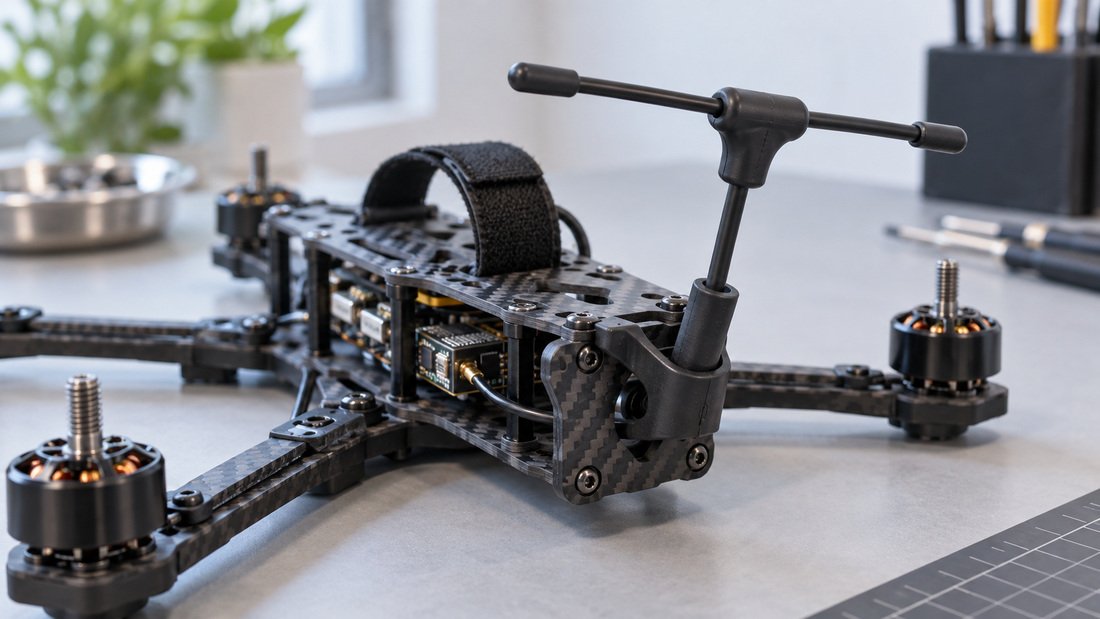
If you build trainers, choose a receiver protocol that Betaflight supports and that matches your existing radio equipment. Reliable FPV video receivers and telemetry-compatible radios keep the bench simple.
Recording sessions for coaching
An FPV DVR lets coaches review footage without a laptop connected to the flight controller, and Betaflight’s OSD support means useful flight data can appear in that recording if your setup supports it.
Broadening the electronics curriculum
Programs that teach FPV electronics alongside drone soccer give students a wider view of the industry, from soldering to configuration, while match balls stay untouched and compliant.
Frequently Asked Questions
Can I run Betaflight in a drone soccer ball?
Only if the ball’s flight controller is Betaflight-compatible, the manufacturer provides a target for it, and your league rules allow firmware changes. Most stock drone soccer balls use vendor firmware and are not intended for flashing.
Is Betaflight a type of receiver or ESC?
No. Betaflight is flight control software that runs on the flight controller. It communicates with a separate receiver and sends commands to an ESC. Receiver and ESC protocols are chosen in configuration, but the hardware must exist and be compatible.
Does Betaflight support the radio protocols used in drone soccer?
Betaflight supports a wide range of receiver protocols, including CRSF, Ghost, FPort, SBUS and Spektrum, and ESC protocols such as DShot, Oneshot and Multishot. The limiting factor is usually whether the ball’s board has a Betaflight target at all.
Will flashing Betaflight make my drone soccer ball faster?
Not necessarily, and speed is not the goal in drone soccer. Match performance depends on predictable handling, durability and compliance. A modified ball that handles differently from the rest of the set can hurt a team more than it helps.
What happens to vendor support if I flash the firmware?
That depends entirely on the vendor’s terms, which vary. Betaflight’s own documentation notes that manufacturers support their hardware and pilots own their builds. Ask your supplier in writing what flashing does to support and warranty before you proceed.
What should a club buy instead?
Keep match balls on stock, vendor-supported electronics, and invest in a small number of FPV trainer quads for pilot development and electronics learning. That gives the educational benefit without compliance risk.
How many spare flight controllers should a team keep?
There is no single correct number; it depends on fleet size, match schedule and repair turnaround. Ask your supplier about spare-part availability and typical replacement intervals, and confirm terms in writing.
Conclusion: Keep Match Balls Stock, Teach Betaflight on Trainers
Betaflight is excellent flight control software, and it is the right tool for FPV quads, trainers and electronics education. It is usually the wrong tool for a competition drone soccer ball, where uniformity, durability and rule compliance matter more than tunability.
The practical strategy for clubs, schools and associations: standardise your match fleet on vendor-supported electronics, document the exact board, receiver and ESC in each ball, and build separate Betaflight trainer quads for teaching. If you are planning a team kit, spares package or trainer build, confirm board compatibility, spare availability and commercial terms in writing before you order.
Ready to plan your next team order? Request a Team Kit Quote and tell us your ball model, fleet size and trainer requirements.