Quick summary
For most drone soccer, FPV and education builds, choose the connector by matching its continuous current rating to the pack’s realistic draw with headroom, and choose wire by cross-sectional area (AWG) so voltage drop and heat stay low over the run length. XT60 suits many 4S–6S team builds; 12AWG suits high-current battery leads and short ESC-to-PDB runs. Confirm the exact ESC current rating, connector rating and wire spec with your supplier in writing, because those numbers vary by product.
Key Takeaways
- Match connector and wire to the ESC’s rated continuous current, not just the battery plug you already own.
- XT30 and XT60 are common in small-to-mid drones; higher-current builds may use larger connectors. Ratings vary by brand, so verify.
- Wire gauge (AWG) sets resistance per length: lower AWG means thicker wire and less voltage drop, but more weight and harder soldering.
- Keep power leads short and twist or route them to reduce electromagnetic interference (EMI) that can affect video and control links.
- Lithium batteries are a fire risk if damaged, overheated, overcharged or shorted, so protect connectors and terminals.
Start With the Current Path, Not the Plug
The connector and wire are one current path. Size the weakest link first, then make the rest match it. If the ESC is rated for a certain continuous current, the battery connector, battery lead, ESC input wire and any power distribution board (PDB) joint must all handle that current without excessive heating.
Do not assume a connector’s name guarantees a current rating. XT30, XT60 and similar families are made by multiple manufacturers with different plating, housing and test conditions. Ask your supplier for the datasheet or test condition behind the rating.
Connector Options Compared
Use this table as a starting point, then verify exact ratings with the manufacturer or distributor you buy from. The “typical use” column describes common practice, not a guarantee for every build.
| Connector family | Typical use in drones | Strengths | Trade-offs to check |
|---|---|---|---|
| XT30 | Small 2S–4S builds, lightweight FPV, some trainer drones | Compact, light, easy to solder | Lower current ceiling than larger connectors; verify rating per brand |
| XT60 | Common 4S–6S team and FPV builds | Good current capacity, widely available, keyed housing | Bulkier than XT30; counterfeit or low-grade versions can vary |
| XT90 / larger | Higher-current multirotor and heavy-lift power leads | Higher current capability | Heavier, larger, needs more careful soldering and strain relief |
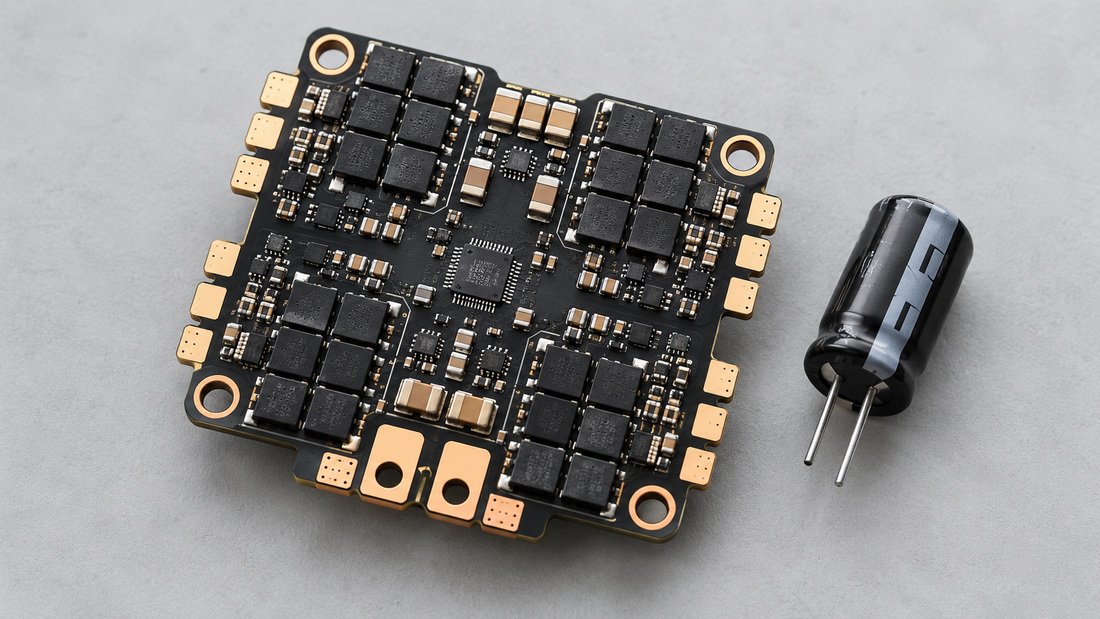
| Wire-to-board (direct solder) | Some 4-in-1 ESCs and PDBs | Saves weight and one connector pair | No quick swap; rework is harder; inspect joints closely |
Wire Gauge: What 12AWG Actually Means
American Wire Gauge (AWG) is a standard for wire diameter. Lower AWG numbers are thicker. A 12AWG wire has more copper cross-section than 14AWG or 16AWG, so it has lower resistance per meter and less voltage drop for the same current and length.
Thicker wire is not automatically better. It adds weight, takes more heat to solder, and can stress small solder pads. For short ESC input pigtails, 12AWG or 14AWG is common in mid-size builds; small drones may use 16AWG or thinner. Always check the ESC manufacturer’s recommended wire size for the specific input.
Voltage drop and heat
Voltage drop rises with current, wire length and resistance. Heat rises with current and resistance too. If a wire feels hot after a flight, that is a signal to check gauge, length, solder joint quality and connector contact. Do not keep flying a hot power path.
Length matters as much as gauge
A short 12AWG pigtail may outperform a long 14AWG run. Keep battery leads as short as practical, and avoid coiling excess wire where it can create inductance and interference.
Matching Wire and Connector to the Build
Treat the power path as a chain: battery pack → battery connector → battery lead → ESC input → ESC → motor phase wires. Each link must suit the current and the physical space.
- For a typical 4S–6S team quad, verify whether the ESC’s continuous rating calls for XT60 and 12–14AWG, or something smaller.
- For lightweight trainers, XT30 and 16–18AWG may be enough, but confirm against the actual ESC rating.
- For shared school fleets, standardize on one connector family so batteries and chargers are interchangeable and spare parts are simpler.
If you are matching motors, propellers and battery to the ESC, use a structured compatibility process rather than trial and error. See our guide to motor, propeller and battery matching and the motor and propulsion matching service page for OEM/ODM projects.
Soldering and Assembly Practices That Reduce Failures
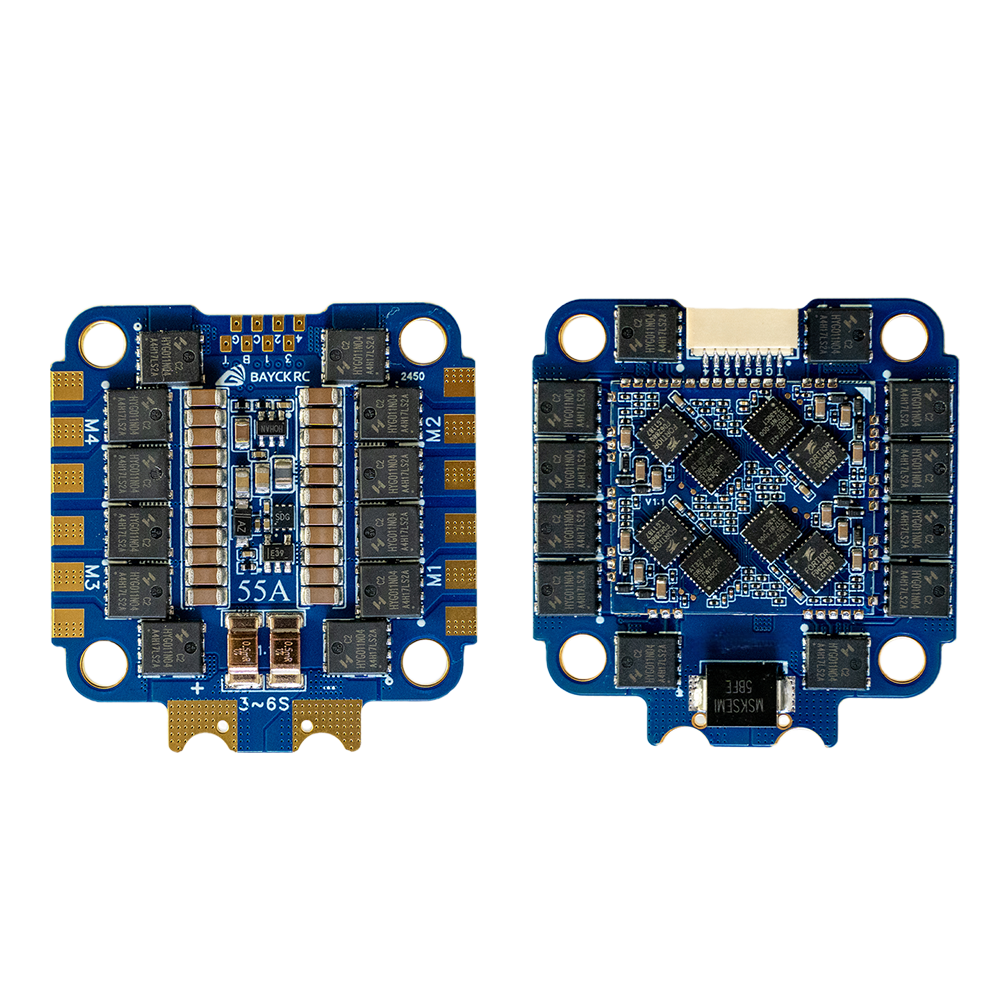
Most power-path failures start at the joint. A cold or incomplete solder joint adds resistance and heat, and can fail in flight.
- Use a soldering iron with enough thermal mass for the wire gauge; a small tip on thick wire creates cold joints.
- Tin the wire and the pad separately, then join quickly without overheating the board.
- Keep solder joints smooth and shiny; dull or blobby joints should be reworked.
- Add strain relief so wire movement does not stress the pad or connector.
- Inspect with magnification after every build and after every crash.
For clubs running build nights, a simple continuity and short-check routine before first power-up prevents costly damage to drone ESCs and flight controllers.
Planning a team or school fleet? Tell us your target build, battery voltage and ESC requirements, and we can discuss connector and wire options for your order. Request a Team Kit Quote.
Common Mistakes to Avoid
- Choosing the connector by habit. The plug you already own may not match the ESC’s current rating.
- Ignoring wire length. Long, thin leads cause voltage drop and heat even if the gauge looks reasonable.
- Mixing connector brands without checking. Mating quality and current ratings can differ between suppliers.
- Overheating pads. Too much heat lifts pads and damages the ESC; practice on scrap boards first.
- Skipping post-crash inspection. A bent connector pin or cracked joint can short the pack.
Battery and Terminal Safety for Teams
Lithium batteries can overheat and undergo thermal runaway, which can occur without warning if a battery is damaged, overheated, exposed to water, overcharged or improperly packed, according to the U.S. Federal Aviation Administration (FAA) hazmat guidance. The FAA also notes that thermal runaway can occur from manufacturing defects. See the FAA page on lithium batteries for the source text.
That guidance is written mainly for air passengers and is U.S.-focused, but the underlying safety points are useful for any team: protect battery terminals from short circuit, inspect packs for damage, and do not use damaged or recalled batteries.
For storage and transport, the FAA describes methods such as leaving batteries in retail packaging, covering terminals with tape, using a battery case or sleeve, or placing them in a protective pouch so terminals cannot contact metal. Teams should write their own charging, storage and transport rules around local regulations and venue requirements.
Procurement Checklist for Clubs, Schools and Distributors
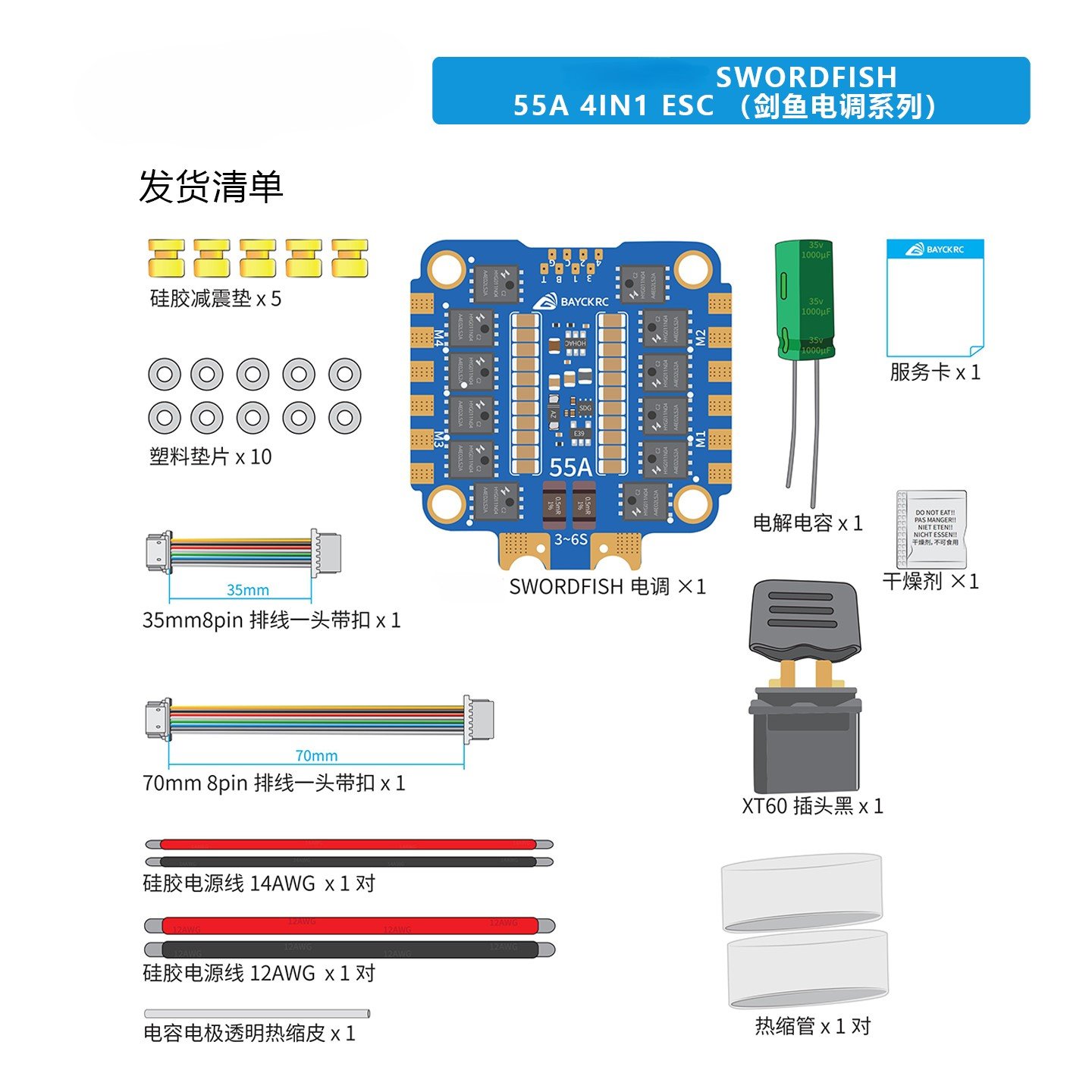
Use this checklist when specifying drone ESCs, connectors and wire for a team kit or bulk order. Ask for written confirmation of each item.
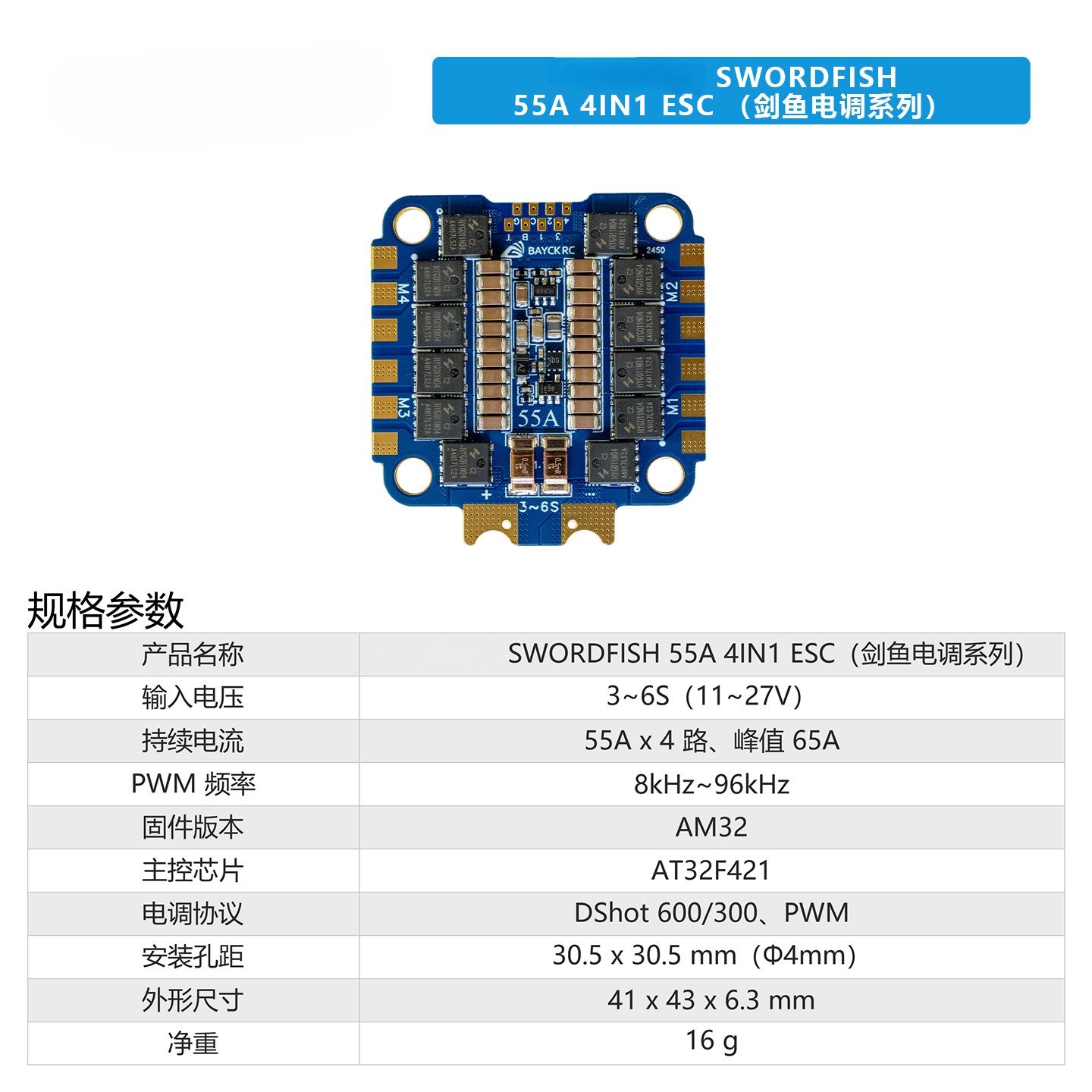
- ESC rated continuous and burst current, and the test conditions behind those numbers.
- Recommended input wire gauge and maximum input voltage.
- Connector type, brand if applicable, and its rated current.
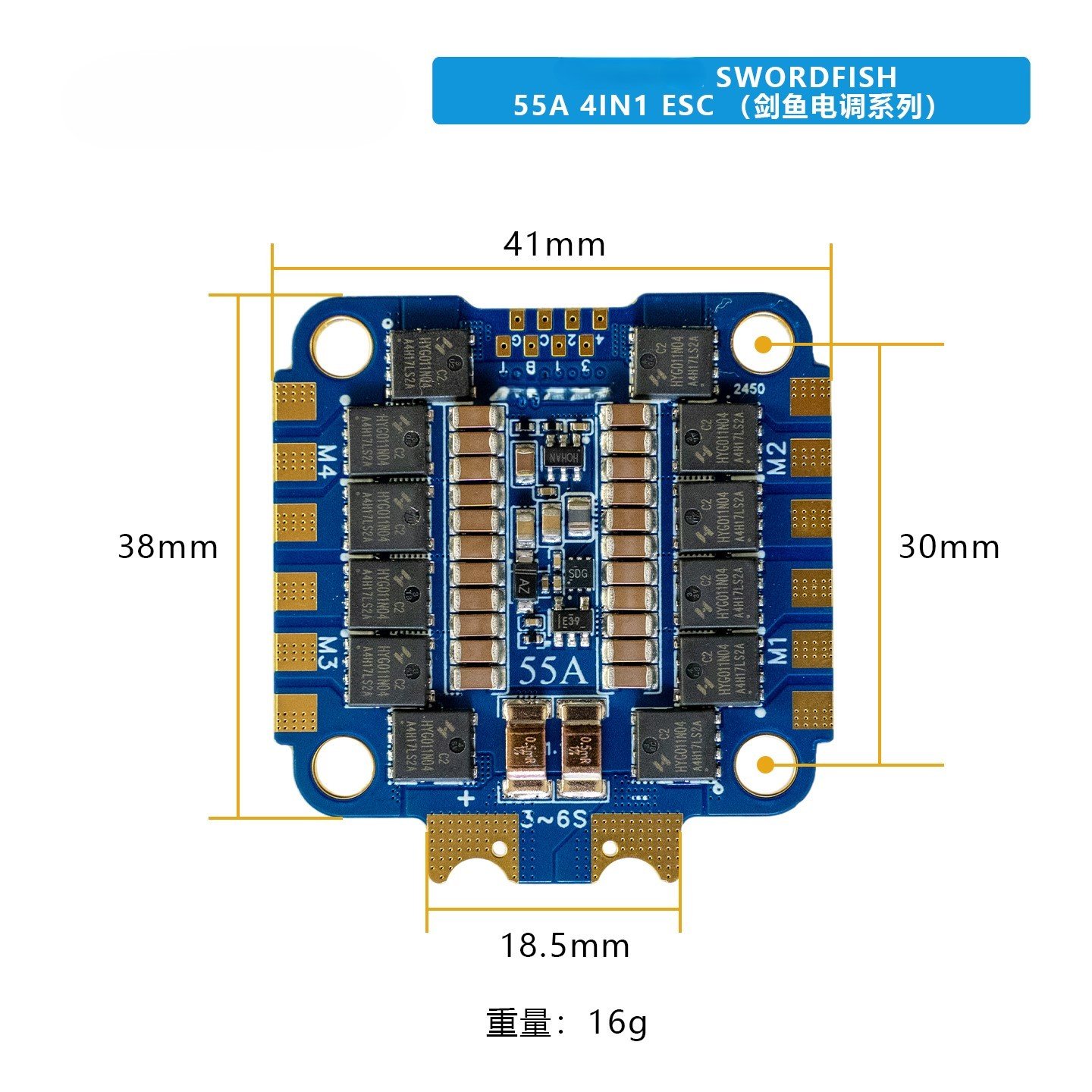
- Whether the ESC includes pre-tinned wires, connectors or a PDB footprint.
- Firmware and protocol compatibility with your chosen flight controller firmware.
- Motor phase wire gauge and length, and whether bullets are pre-fitted.
- Spare parts availability for club repairs.
- Documentation language and format suitable for students.
- MOQ, lead time, warranty terms and return policy — request these in writing.
- Sample units for bench testing before a full fleet order.
For complete propulsion sets, compare options in our propulsion combo kits and browse FPV motors to align motor and ESC choices.
Frequently Asked Questions
Is XT60 always better than XT30?
No. XT60 generally handles more current, but it is larger and heavier. For small, light builds, XT30 may be the better match if its verified rating covers your current. Confirm ratings with the supplier.
Can I use 12AWG wire on any ESC?
Not necessarily. 12AWG is thick and needs suitable pads and soldering skill. Check the ESC manufacturer’s recommended input wire gauge; some ESCs specify 14AWG or 16AWG.
How do I know if my power path is undersized?
Warning signs include hot wires or connectors after flight, voltage sag under throttle, and discolored or dull solder joints. Stop and inspect before flying again.
Should schools standardize on one connector type?
Standardizing simplifies battery and charger management and reduces adapter mistakes. Choose the connector that matches your fleet’s current needs, not just what is cheapest.
Do I need to protect battery terminals during storage?
The FAA advises protecting terminals from short circuit and describes methods such as tape, cases, sleeves or protective pouches. Teams should set their own rules based on local requirements.
Can I order sample ESCs before a fleet order?
Many suppliers offer samples. Ask about sample cost, MOQ and lead time in writing before committing. DPF can discuss sample and team kit options through our quote request.
Does connector choice affect video or radio interference?
Poor joints and long, poorly routed power leads can contribute to electrical noise. Keep power wiring short, secure and separated from signal and video wiring where possible.
Conclusion and Next Step
Choosing connectors and wire for drone ESCs comes down to three questions: what continuous current will the build actually draw, what current and voltage ratings can the supplier document, and how will the joints and terminals be protected in daily team use. Start with the ESC’s verified rating, select a connector and wire gauge that match it with headroom, then standardize across your fleet so repairs stay simple.
Before you order, request datasheets, sample units and written commercial terms. When you are ready to specify a school, club or distributor order, Request a Team Kit Quote.