Quick summary
LiPo storage voltage is the mid-range charge level a lithium polymer pack should sit at when it is not being used, typically around 3.8 V per cell. Storing packs fully charged or fully discharged accelerates chemical ageing, reduces usable capacity and can increase the chance of swelling or overheating later. For schools and drone soccer clubs, a simple storage routine, a voltage checker and a fire-safe charging area are the core of LiPo battery safety and charging practice.
Key Takeaways
- Storage voltage is roughly 3.8 V per cell (about 50–60% state of charge), not full and not flat.
- Leaving packs full for days or weeks is the most common avoidable mistake in school drone programs.
- Lithium batteries can overheat and enter thermal runaway if damaged, overheated, exposed to water, overcharged or improperly packed, and this can also happen because of manufacturing defects, according to the FAA lithium battery guidance.
- A voltage checker, storage-capable charger, fire-resistant charging location and documented routine matter more than any single battery brand.
- Ask suppliers in writing about cell voltage limits, storage recommendations, transport documentation and replacement terms before bulk purchasing.
What is LiPo storage voltage?
Storage voltage is the per-cell voltage a lithium polymer (LiPo) battery should be kept at during idle periods. For most hobby and education drone packs, that means about 3.8 V per cell, which corresponds to roughly half charge.
A 3-cell pack (3S) held at storage level reads around 11.4 V total. A 4-cell pack (4S) reads around 15.2 V. These are practical reference points, not universal rules; cell chemistry and manufacturer guidance vary.
Many chargers include a “storage” or “storage charge” mode that either charges a low pack up to that level or discharges a full pack down to it. That mode exists because both extremes are harmful over time.
Why does storage voltage matter?
A LiPo pack held at full charge or at very low voltage degrades faster than one held mid-range. High voltage accelerates internal chemical reactions; very low voltage can push cells into a state where they may not recover safely.
For a school program, this is not just a technical detail. Batteries are a recurring budget line. Packs that are abused in storage lose capacity, sag under load sooner and need replacing more often, which disrupts class schedules and drone soccer practice.
There is also a safety dimension. The FAA notes that lithium batteries can overheat and undergo thermal runaway, and that this can occur without warning if a battery is damaged, overheated, exposed to water, overcharged or improperly packed. It can also occur on its own due to manufacturing defects (FAA). Correct storage is one control in a wider safety system; it does not eliminate risk.
What happens if you store a LiPo fully charged?
Storing a pack at full charge for extended periods is widely considered one of the fastest ways to shorten its service life. The pack may still work, but capacity and punch can decline earlier than expected.
In practice, schools often charge everything the night before a session and then leave packs full for days when weather or scheduling changes. A better habit is to charge close to use, fly, then return packs to storage level before they go back in the box.
What happens if you store a LiPo discharged?
Storing packs completely flat is also risky. Cells can drift lower over time, and a deeply discharged cell may not accept a normal charge again.
A pack that has been run until the drone barely hovers or until a low-voltage alarm sounds should be brought back to storage level promptly, not left in a bag until the next session.
How storage voltage fits into LiPo battery safety and charging
Storage is one part of a routine that includes charging, handling and transport. Each step reduces the chance of a pack being damaged or overheated.
Charging: use a charger designed for the pack’s cell count and chemistry, set the correct current, and never leave charging unattended in a room where students are working. Charge on a non-flammable surface, away from paper, foam and fuel.
Handling: inspect packs for swelling, punctures or damaged connectors before and after each session. Retire suspect packs rather than testing them in a classroom.
Transport: keep packs in a protective case or pouch so terminals cannot contact metal. The FAA requires spare lithium batteries to be protected from short circuit, with methods including retail packaging, terminal tape, battery cases, sleeves or snug protective bags (FAA). Those rules apply to air travel; ground transport policies vary by school and insurer.
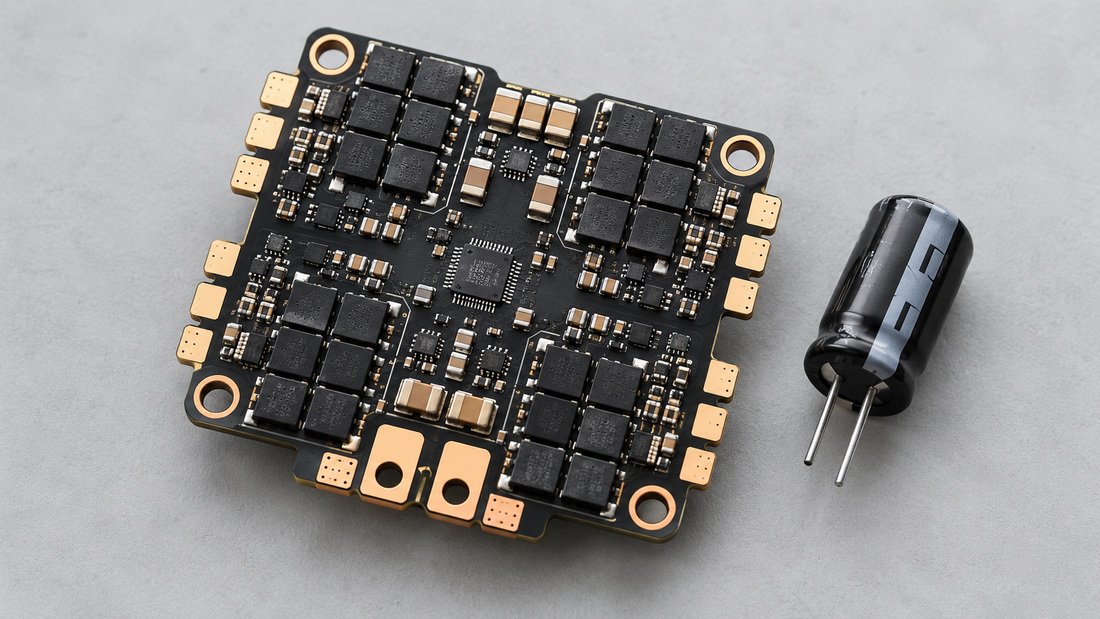
Power system choices also affect how hard batteries work. Matching cells, voltage and current draw across the airframe is covered in our guide to motor, propeller and battery matching. Schools building drone soccer platforms may also want to compare propulsion combo kits so the battery, ESC (electronic speed controller) and motor are already specified as a set.
Storage voltage vs other charge states: a comparison
| State | Approx. per-cell voltage | Typical use | Main risk if left |
|---|---|---|---|
| Full charge | 4.2 V | Flying or racing soon | Accelerated ageing; more energy available if a fault occurs |
| Storage | ~3.8 V | Days to months of idle time | Lowest practical long-term risk when monitored |
| Low / used | ~3.5 V or below | Waiting to be recharged | Cell drift and possible deep discharge damage |
| Over-discharged | Well below 3.0 V | Should not be flown | May not recover; potential damage to cells |
Exact thresholds vary by cell and manufacturer. Ask your supplier for the recommended storage and cutoff voltages for the specific packs you buy.
Common mistakes in school and club programs
- Charging every pack before a session “just in case” and leaving the unused ones full.
- Storing packs in a hot vehicle, shed or equipment cupboard with no airflow.
- Using a charger with the wrong cell count or chemistry setting.
- Ignoring a pack that looks slightly puffy because the drone still flies.
- Letting students handle batteries without a documented routine and supervision.
- Mixing packs of different ages, capacities or cell counts in one box with no labels.
How to check and set storage voltage
- Label each pack with an ID and, if practical, a purchase date.
- Use a cell voltage checker or a charger’s balance readout to view each cell, not just the pack total.
- Compare cells: large differences between cells are a warning sign.
- Use the charger’s storage mode to bring the pack to the target level.
- Record the reading and the date so you can spot packs that are drifting.
- Return packs to a fire-resistant container or protective case for storage.
Cell-level checking matters because a pack total can look acceptable while one cell is out of line. A weak cell affects flight time and stresses the rest of the pack.
Practical procurement checklist for schools and clubs
Before ordering batteries, chargers or accessories for a program, gather this information. Where a supplier cannot confirm a point, ask for it in writing before you commit.
- Recommended storage voltage per cell and acceptable voltage range for the packs you intend to buy.
- Compatible charger models and required balance connector type.
- Recommended charge rate and maximum continuous discharge rating.
- Safety and transport documentation supplied with the product.
- Labeling on the pack: capacity, cell count, voltage and any watt-hour (Wh) marking. The FAA notes that newer lithium ion batteries have the Wh rating marked, and Wh can be calculated by multiplying voltage by amp hours (FAA).
- Spare parts availability for connectors, straps and protective cases.
- Replacement and defect handling terms, in writing.
- Whether the supplier can supply consistent packs over multiple school terms.
For programs equipping multiple teams, it is worth discussing motor and propulsion matching so that battery choice is aligned with the rest of the airframe.

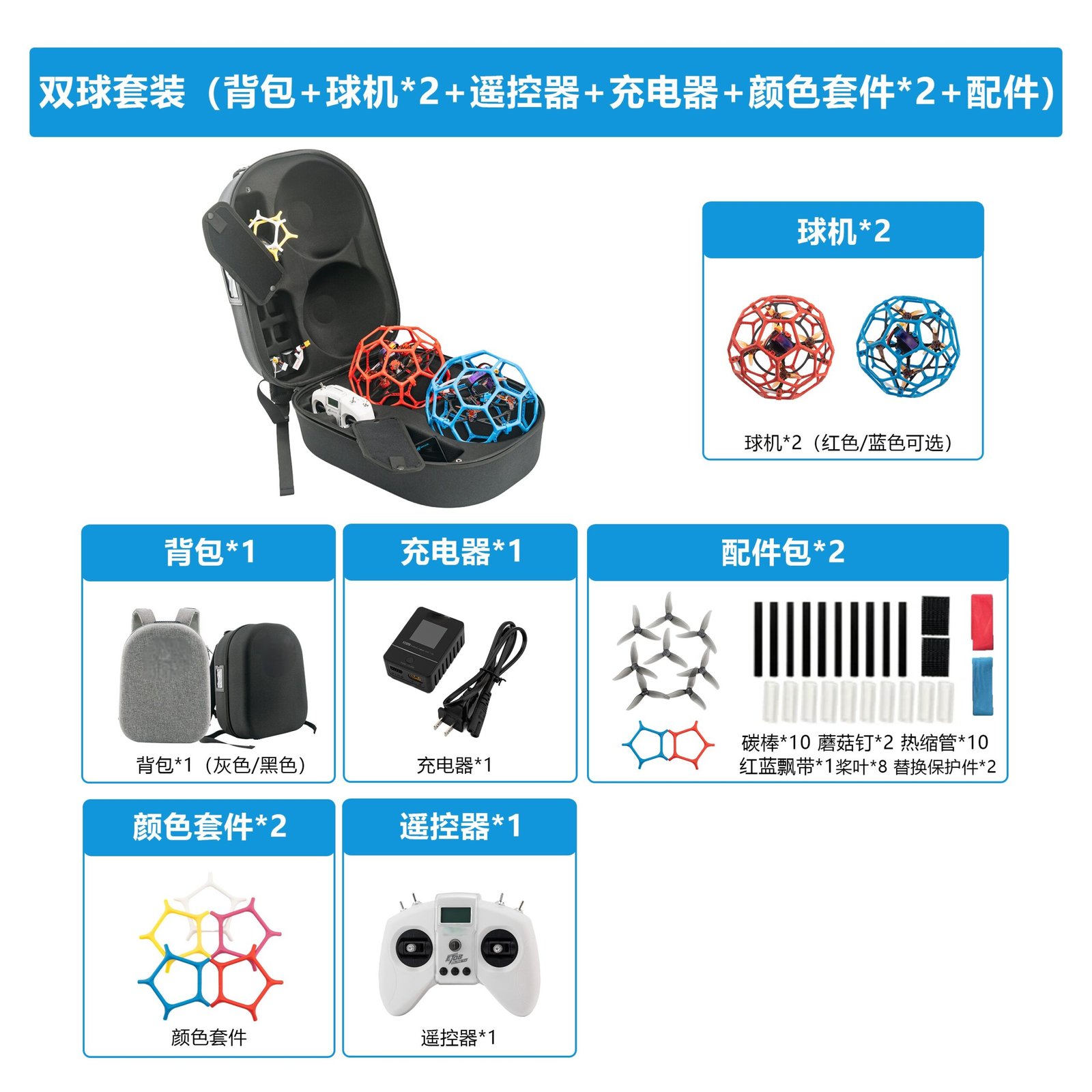
If you are planning a drone soccer (BKZ) program or need accessories (BKC) to support battery handling, our team can help you scope the kit. Request a School Program Quote and tell us how many teams, packs and charging stations you expect to run.
Trade-offs to weigh
Storage discipline costs time. Returning packs to storage level after each session adds a step, and a class of 20 students may have 20 packs to process. Skipping it may look convenient for a week and expensive over a season.
Cheaper packs can make sense for beginner sessions where damage is expected, while higher-quality packs may suit competition teams that need consistent output. Neither choice replaces correct charging and storage practice.
Simple voltage checkers are inexpensive and easy to use, but they are not calibration instruments. If precise records matter to your program, ask suppliers about the accuracy of the checkers and chargers they recommend.
Frequently asked questions
Is 3.8 V per cell always the correct storage voltage?
It is a common practical figure for hobby LiPo packs around half charge, but the correct value depends on the specific cell and manufacturer. Ask your supplier for the recommended storage voltage for your packs.
How long can a LiPo stay at storage voltage?
Packs are generally stored at that level for weeks or months, but cells can still drift. Check voltages periodically and follow any manufacturer guidance on long-term storage.
Can I store LiPo batteries in a school cupboard?
Follow your school’s safety policy and local fire guidance on battery storage. Avoid hot, damp or cluttered locations, and keep packs where they can be monitored. The FAA guidance on damaged or recalled batteries and devices that may spark or generate dangerous heat is written for aviation but illustrates why damaged packs should not simply be left in a general storage area (FAA).
Do I need a special charger for storage mode?
Many hobby chargers include a storage mode. Confirm that the charger supports your pack’s cell count and connector type, and that staff know how to set it correctly.
What should we do with a swollen LiPo pack?
Stop using it and follow your school’s disposal and safety procedure. Do not charge it or fly it. Ask your supplier or local authority about safe disposal routes for lithium batteries.
Does storage voltage affect drone soccer flight performance?
Indirectly. Packs kept at correct storage levels tend to retain capacity and voltage under load better than abused packs, which supports more consistent flight times. Actual performance depends on the full propulsion system, including motors and ESCs. You can review FPV motors and related components to understand how the system fits together.
Are there legal limits on shipping or flying with these batteries?
Rules differ by country and by mode of transport. The FAA limits described on its page apply to air travel in the United States, including a 100 Wh limit per lithium ion battery for typical passenger carriage, with some larger batteries allowed under conditions and airline approval (FAA). For shipping and export, confirm current requirements with your carrier and supplier.
Conclusion
LiPo storage voltage is a small habit with a large effect on battery cost, reliability and safety in education programs. Packs belong at roughly 3.8 V per cell when idle, checked at cell level, and handled with a consistent charging routine.
Your next procurement step: write down your storage and charging requirements, confirm them in writing with your supplier, and ask for the safety documentation you need for your school’s risk assessment. When you are ready to equip a program, Request a School Program Quote and include your expected number of teams, packs and charging stations.