Quick summary
Funding drone soccer in schools typically combines multiple sources: school STEM or activity budgets, external grants from education foundations or aerospace companies, parent-teacher associations and booster clubs, local business sponsorships, and district-level career and technical education (CTE) funds. Most successful programs blend two or three of these rather than relying on a single source. Start by estimating your full equipment and operating costs, then match each cost category to an appropriate funding stream. This approach builds a resilient program that survives annual budget cycles and staff changes.
Key Takeaways
- Blend funding sources: Combine school budget, grants, sponsorships, and fundraising to cover equipment, spares, and travel.
- Align with existing priorities: Frame drone soccer as STEM, CTE, or physical education to access established funding lines.
- Start small, scale up: A single court and a few teams need less capital than a full league; prove outcomes before requesting larger sums.
- Leverage free resources: FAA educational resources, local DronePros, and CBO charters can reduce costs and add credibility.
- Document everything: Keep records of purchases, participation, and outcomes to support future grant applications and budget requests.
What Does Drone Soccer Equipment Actually Cost?
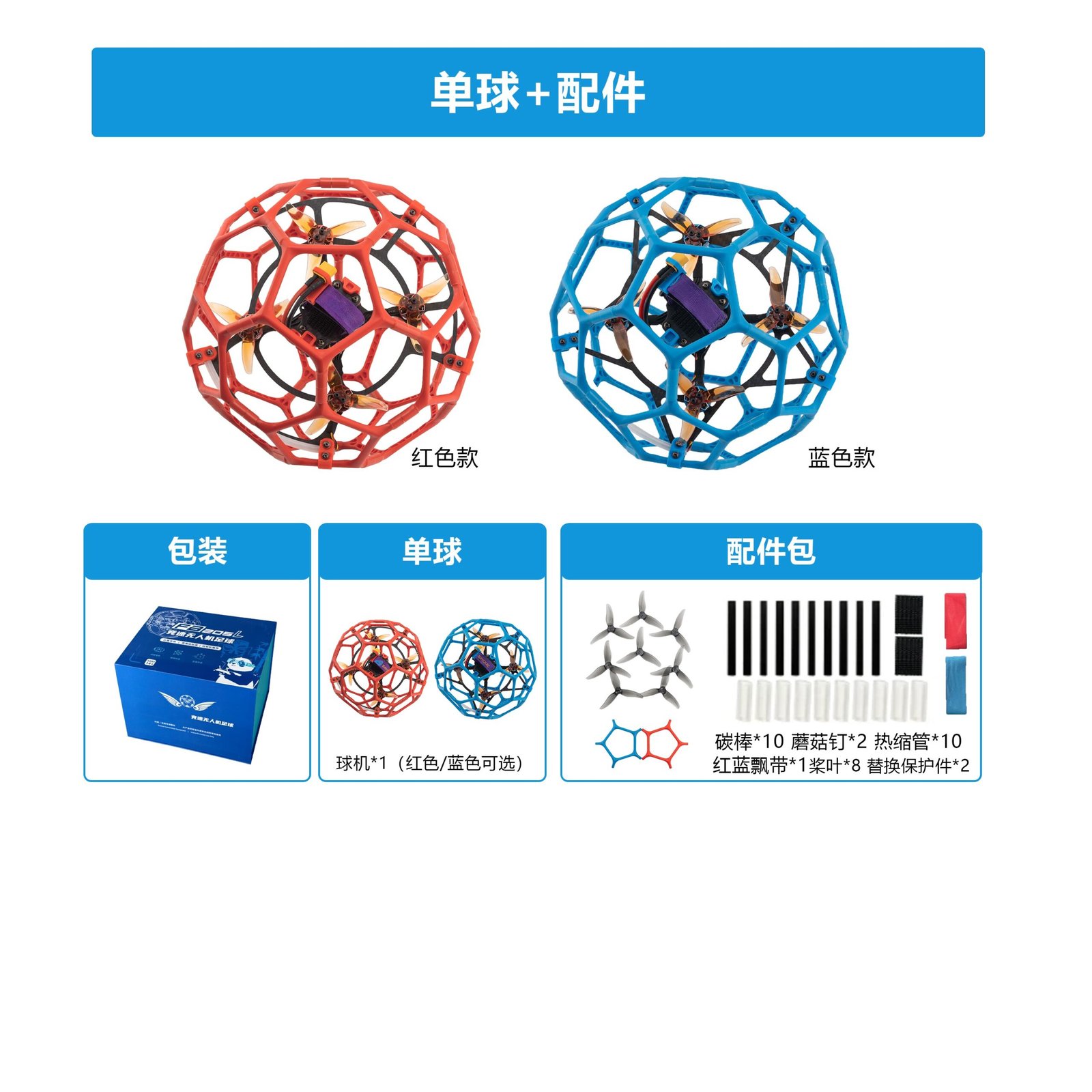
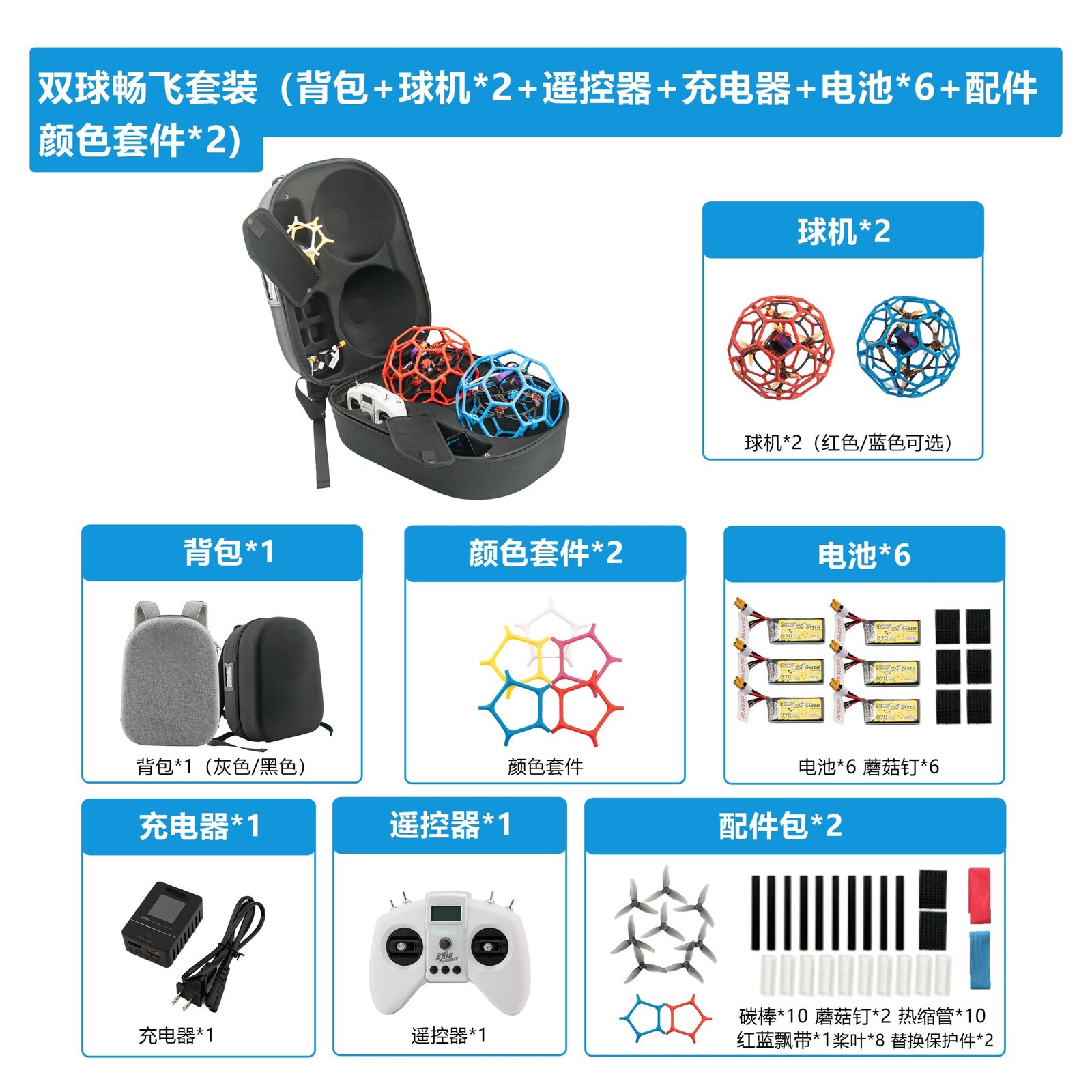
Before seeking funds, build a realistic cost model. Drone soccer requires durable drones (often called “balls”), protective cages, transmitters, batteries, chargers, spare parts, and a playing court with goals. You may also need storage, tools, and team uniforms. Costs vary widely by supplier, quantity, and specification.
Request detailed quotes from suppliers like drone soccer systems providers. Ask for itemized pricing on airframes, motors, propellers, batteries, radio gear, and any ground equipment. Also ask about educational discounts, bundle pricing, and minimum order quantities (MOQs). Confirm all terms in writing before committing.
Typical Cost Categories
| Category | Examples | Funding Notes |
|---|---|---|
| Capital equipment | Drones, cages, transmitters, goals, netting | Often funded by grants, CTE funds, or PTA; may be capital budget eligible. |
| Consumables & spares | Propellers, motors, batteries, zip ties | Recurring cost; plan for annual replacement. Use activity fees or sponsorships. |
| Facility & storage | Court setup, storage cabinets, charging stations | May be covered by school facilities budget or in-kind donations. |
| Travel & competition | Entry fees, transport, lodging | Booster clubs, sponsorships, or district activity funds. |
| Coaching & training | Stipends, professional development | Can be part of STEM teacher PD or CTE allocation. |
Which Funding Sources Are Most Common for Drone Soccer in Schools?
Most schools piece together funding from several of the following sources. The right mix depends on your district policies, community resources, and program goals.
1. School and District Budgets
If drone soccer is part of a STEM class, after-school program, or physical education unit, it may qualify for existing budget lines. Talk to your department head, CTE director, or activities coordinator. Emphasize alignment with curriculum standards, student engagement, and career readiness.
2. Grants
Grants are available from education foundations, aerospace companies, technology vendors, and community organizations. Some focus on STEM education, others on youth sports or workforce development. Search grants.gov, state education agency lists, and local community foundation websites. Many companies offer STEM grants—check their community relations pages.
For U.S. schools, note that the FAA provides educational resources and recognizes certain organizations under specific rules. For example, the FAA’s educational users page explains that qualifying educational organizations (higher education institutions, JROTC programs, and programs chartered by an FAA-recognized Community Based Organization) may operate under the Exception for Limited Recreational Operations (49 U.S.C. § 44809). Others must operate under Part 107. This regulatory context can strengthen grant applications by showing you understand compliance.
3. Parent-Teacher Associations (PTAs) and Booster Clubs
PTAs and booster clubs often fund equipment, uniforms, and travel. They may run concession stands, fun runs, or direct donation campaigns. Present a clear budget and show how drone soccer supports student learning and teamwork.
4. Corporate and Local Business Sponsorships
Local engineering firms, drone service companies, and retailers may sponsor teams in exchange for logo placement on jerseys, banners, or the court. Sponsorships can be cash or in-kind (e.g., donated parts, meeting space, or mentorship).
5. Student Activity Fees
Some schools charge a participation fee per student per season. This can cover consumables and competition entry fees. Ensure fees do not exclude students who cannot afford them; offer scholarships or waivers.
6. Crowdfunding and Online Campaigns
Platforms like DonorsChoose, GoFundMe, and local community crowdfunding can raise small to moderate amounts. Craft a compelling story with photos and specific funding goals (e.g., “$1,200 for 10 spare motors and 20 batteries”).
7. In-Kind Donations
Businesses may donate materials, 3D printing services, or volunteer time. A local maker space could help build storage racks; a drone shop might offer discounted parts.
How to Build a Funding Proposal That Gets Approved
A strong proposal connects drone soccer to educational outcomes and shows fiscal responsibility. Follow these steps.
Step 1: Define Program Goals
What will students learn? How many will participate? Will you compete in drone soccer competitions? Tie goals to STEM skills, teamwork, and career pathways.
Step 2: Create a Detailed Budget
List every item: drones, spare parts, batteries, chargers, safety gear, storage, software (if any), coaching stipends, and travel. Include shipping, taxes, and import duties if applicable. Add a 10–15% contingency for price changes or unforeseen needs.
Step 3: Identify Funding Sources and Match Them to Budget Lines
Map each expense to a potential source. For example, equipment might go to a STEM grant, while travel could be covered by a booster club. This shows you have a plan beyond a single ask.
Step 4: Prepare Supporting Materials
Include letters of support from administrators, a timeline, and evidence of student interest (e.g., sign-up sheets). If you have prior program data (even a small pilot), include it.
Step 5: Submit and Follow Up
Meet deadlines. After submission, follow up politely. If denied, ask for feedback and revise for the next cycle.
Common Mistakes to Avoid When Funding Drone Soccer
- Underestimating recurring costs: Batteries and propellers wear out. Budget for replacements from day one.
- Ignoring regulatory requirements: In the U.S., educational drone operations fall under specific FAA rules. Know whether you operate under § 44809 or Part 107, and whether you need a FRIA (FAA-Recognized Identification Area). See the FAA educational users page for details. Compliance can affect insurance and site selection.
- Failing to engage administrators early: Principals and district officials can unlock budgets and navigate policies. Bring them in before writing grants.
- Overlooking safety and insurance: Check with your district risk management. Some policies may require additional coverage for drone activities.
- Not planning for storage and charging: Safe storage and charging stations are often forgotten but essential.
- Assuming one grant will cover everything: Most grants are partial. Plan a multi-year funding strategy.
Buyer Checklist: What to Confirm Before You Buy
When you have funding in hand, use this checklist to ensure a smooth purchase.
- Regulatory compliance: Confirm whether your program operates under § 44809 or Part 107, and if you need a FRIA. Consult the FAA educational users page.
- Total cost of ownership: Ask for pricing on consumables, spare parts, and shipping. Request educational discounts and bundle pricing.
- Warranty and support: Clarify warranty length, what it covers, and how to get technical support. Get it in writing.
- Lead times and MOQs: Confirm current lead times and minimum order quantities. Plan around your competition schedule.
- Training and resources: Ask if training, curriculum, or assembly guides are included. Inquire about ongoing support.
- Compatibility: If you already own equipment, ensure new items are compatible (e.g., radio protocols, battery connectors).
- Payment terms: Understand accepted payment methods, deposit requirements, and refund/cancellation policies.
For a deeper look at how drone soccer fits into broader STEM initiatives, see our page on STEM drone education and training.
Ready to equip your school program?
Frequently Asked Questions
Can we use Title I funds for drone soccer?
Title I funds are intended to support low-income students’ academic achievement. Whether drone soccer qualifies depends on how you integrate it into your curriculum and whether it supports Title I goals. Consult your district Title I coordinator. Some schools have successfully used Title I for STEM enrichment, but rules vary by state and district.
Are there grants specifically for drone soccer?
Few grants are exclusive to drone soccer, but many STEM, CTE, and youth sports grants can apply. Look for aerospace industry grants, technology company STEM grants, and community foundation grants. Also check with national organizations promoting drone education.
Do we need insurance for a school drone soccer program?
Likely yes. Check with your district risk management office. Some schools are covered under general liability, but drone activities may require additional coverage. In the U.S., compliance with FAA rules (e.g., operating under § 44809 or Part 107) may affect insurance requirements. See the FAA educational users page for regulatory context.
How many drones do we need to start a team?
It depends on team size and format. Many programs start with 5–10 drones to allow for substitutions and spares. Check competition rules for minimum requirements. Start small and scale as interest grows.
Can we get free equipment?
Some organizations donate used or new equipment. Reach out to local drone clubs, businesses, and national groups. You can also apply for in-kind donations. For new equipment, ask suppliers about educational discounts or demo units.
What ongoing costs should we plan for?
Budget annually for batteries, propellers, motors, and other consumables. Also consider competition fees, travel, and possibly coaching stipends. A rule of thumb is to set aside 20–30% of initial equipment cost per year for replacements and upgrades.
How can we sustain funding after the first year?
Build a multi-year plan. Diversify sources: repeat grants, annual sponsorships, fundraising events, and activity fees. Show outcomes to justify continued budget support. Engage parents and community early.
Conclusion: A Practical Path to Funding Drone Soccer
Funding drone soccer in schools is achievable with a structured approach. Start by understanding your costs, then match them to a mix of school budget, grants, sponsorships, and fundraising. Align your program with educational priorities like STEM and CTE, and comply with relevant regulations such as FAA rules for educational users. Document your outcomes to strengthen future requests.
Whether you are equipping a single team or launching a district-wide league, DPF supports schools and training organizations and drone soccer clubs with equipment and guidance. Explore our drone soccer systems to see options.
Next step: Gather your team, draft a budget, and contact us to discuss your needs. We can provide a quote tailored to your program.