Quick summary
Dispose of a damaged LiPo (lithium polymer) battery by stopping all use and charging, isolating it in a fire-resistant container away from combustible materials, and taking it to a household hazardous waste facility or a certified battery recycler. Never place a damaged LiPo in regular trash or curbside recycling. For schools and youth programs, the safest approach is a written disposal protocol: identify, isolate, document, and hand off to a qualified waste handler. Confirm local regulations and your insurer’s requirements in writing before adopting any procedure.
Key Takeaways
- Damaged LiPo batteries can enter thermal runaway without warning, especially if damaged, overheated, exposed to water, overcharged, or improperly packed, according to the FAA lithium battery safety guidance.
- Never discharge, puncture, or open a damaged LiPo to “make it safe” unless the manufacturer explicitly provides a verified procedure.
- Use a dedicated, fire-resistant storage container and keep damaged batteries away from students, paper, solvents, and other flammables.
- Dispose through household hazardous waste collection or a certified battery recycler; confirm they accept damaged or swollen LiPo packs.
- Document each damaged battery and train staff on a simple identification-isolation-handoff workflow before the first incident.
What counts as a damaged LiPo battery?
A LiPo battery is damaged when it is physically deformed, swollen, punctured, wet, overheated, has a melted connector, shows a reduced capacity that no longer supports safe flight, or has been involved in a crash with impact. Any of these conditions calls for removal from service, not another charge cycle.
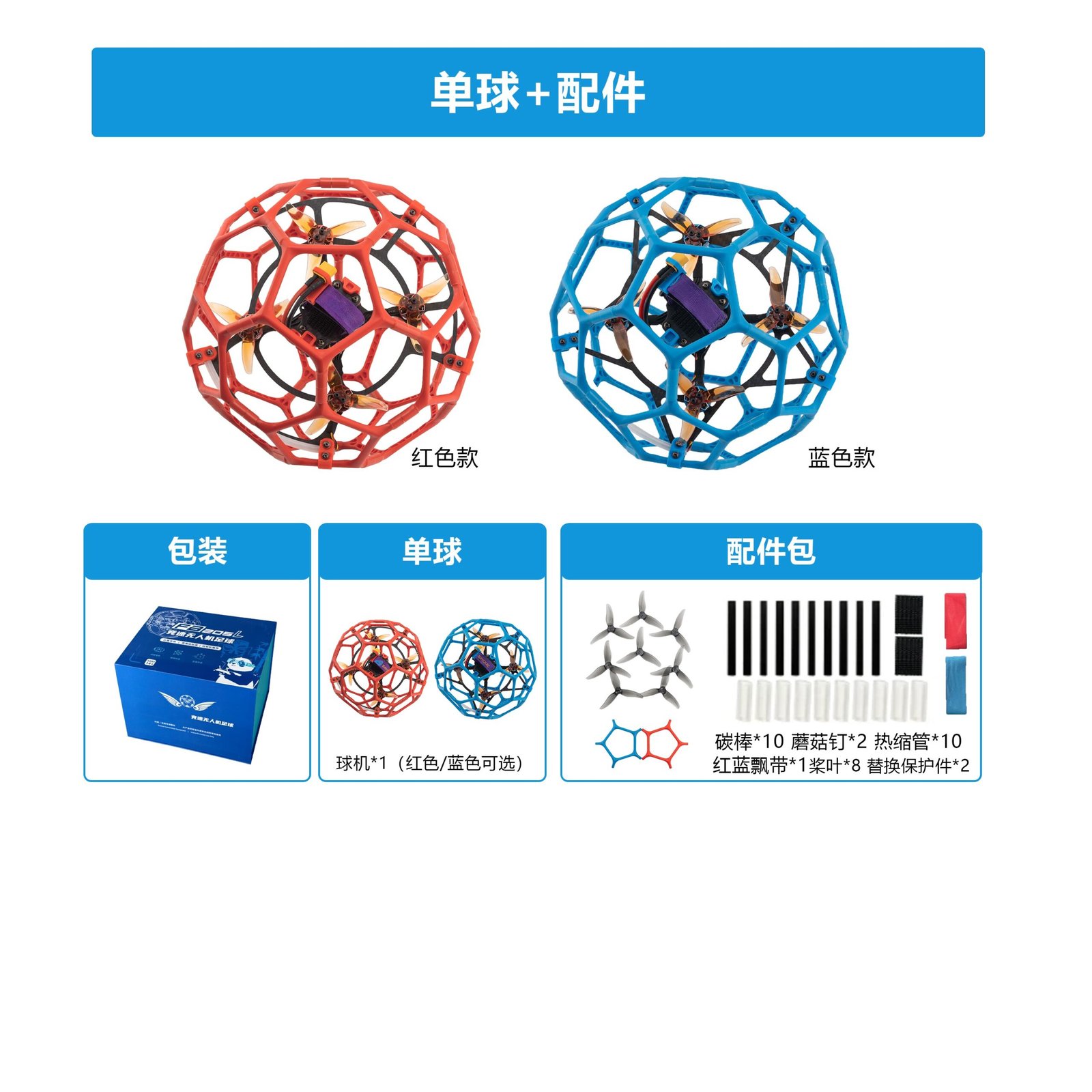
For drone soccer and youth programs, the most common damage signals are puffing or swelling after a hard landing, a torn outer wrap, a bent or corroded connector, or a pack that becomes unusually hot during charging. A pack that behaves differently from identical packs in the same fleet is also a warning sign worth isolating.
Why damaged LiPo batteries are a school safety issue
Lithium-ion batteries, including LiPo packs, can overheat and undergo thermal runaway. The FAA notes this can occur without warning due to damage, overheating, water exposure, overcharging, improper packing, or manufacturing defects. In a school setting, that means a swollen pack in a storage bin is not just a maintenance issue; it is a fire-risk item that needs a defined response.
Damaged or recalled batteries that are likely to create sparks or dangerous heat must not be carried aboard an aircraft unless the damaged battery has been removed or made safe, per the FAA PackSafe lithium battery page. This matters for teams that travel to competitions: a damaged pack should be removed from the travel kit and handled locally, not flown to the next event.
Schools also have duty-of-care and insurance considerations. The exact legal requirements vary by country, state, and institution. Ask your district safety officer and insurer what they require in writing, and do not assume a generic online checklist satisfies local rules.
Step-by-step: safe disposal of a damaged LiPo battery
The following is general guidance for education programs. It is not a substitute for your local hazardous waste regulations or the battery manufacturer’s instructions. Where the two conflict, follow the stricter requirement and confirm with your waste handler.
1. Stop use immediately and isolate the battery
Disconnect the pack from the drone, charger, or parallel board. Do not attempt to charge, discharge, or “cycle” a damaged pack. Place it in a fire-resistant container, such as a designated LiPo safety bag or a metal container with a non-combustible liner, away from students and combustible materials.
If the battery is hot, smoking, or swelling rapidly, treat it as an emergency. Evacuate the immediate area, alert trained staff, and follow your school’s fire response plan. Do not handle a battery that is venting or burning.
2. Label and document the battery
Attach a clear label with the date, battery identifier, reason for removal, and staff initials. Record the event in a battery log. Documentation helps with inventory control, insurance questions, and spotting recurring damage patterns such as a particular charger, connector, or flight maneuver.
3. Prepare for transport only as your waste handler directs
Some recyclers ask that terminals be taped and each pack be bagged individually. Others require the battery to remain in a fire-resistant container until pickup. Confirm the exact preparation steps with your hazardous waste facility or recycler before transport. Do not puncture, crush, or immerse the pack in water or salt water unless a verified procedure from the manufacturer or waste authority specifically instructs it.
4. Hand off to a qualified disposal channel
Use a household hazardous waste collection site, a certified battery recycler, or a retailer take-back program that explicitly accepts damaged lithium-ion batteries. Call ahead and describe the condition: “swollen LiPo pack, not punctured, no signs of venting.” Ask whether they accept damaged packs and how they want them packaged. Confirm any fee in writing if one applies.
Never place LiPo batteries in curbside recycling or regular trash. Even small packs can cause fires in collection trucks and recycling facilities.
5. Close the loop and improve the program
Once the battery is handed off, record the disposal date and receiving facility. Review whether the damage was preventable: was the pack over-discharged, charged at too high a current, stored fully charged, or damaged in a crash? Adjust charging and storage practices, and consider whether your fleet needs better motor, propeller and battery matching to reduce stress on packs.
Disposal options compared
| Option | Best for | Key requirement | Watch-outs for schools |
|---|---|---|---|
| Household hazardous waste facility | Most damaged LiPo packs from club or classroom use | Confirm they accept damaged lithium-ion batteries and follow their packaging rules | Hours and appointment rules vary; transport rules may apply |
| Certified battery recycler | Larger volumes, recurring fleet turnover | Ask about damaged-pack acceptance and any fees | May require a business account or scheduled pickup |
| Retailer take-back program | Convenient drop-off for small quantities | Verify the location accepts damaged or swollen packs | Staff may refuse visibly damaged batteries; call first |
| Manufacturer return program | Recalled or warranty-related packs | Follow the manufacturer’s written instructions | Not all brands offer this; confirm in writing |
| Regular trash or curbside recycling | Not acceptable | — | Fire hazard in collection and sorting facilities |
Common mistakes schools make
- Charging a swollen pack “one more time.” Swelling indicates internal damage; charging increases risk.
- Storing damaged packs with healthy batteries. A single venting pack can damage an entire storage cabinet.
- Using salt water as a universal discharge method. This is not appropriate for all packs and creates contaminated waste; follow verified instructions only.
- Assuming a battery is safe because it looks normal. A pack that has been crashed, wet, or overheated may fail later without visible damage.
- Flying with damaged spares. The FAA states damaged or recalled batteries that may spark or generate dangerous heat must not be carried aboard an aircraft unless made safe; plan to dispose locally instead.
Need help specifying battery-safe drone platforms and spares for a school program? Talk to our team about your program requirements.
Prevention: reduce damaged batteries before they happen
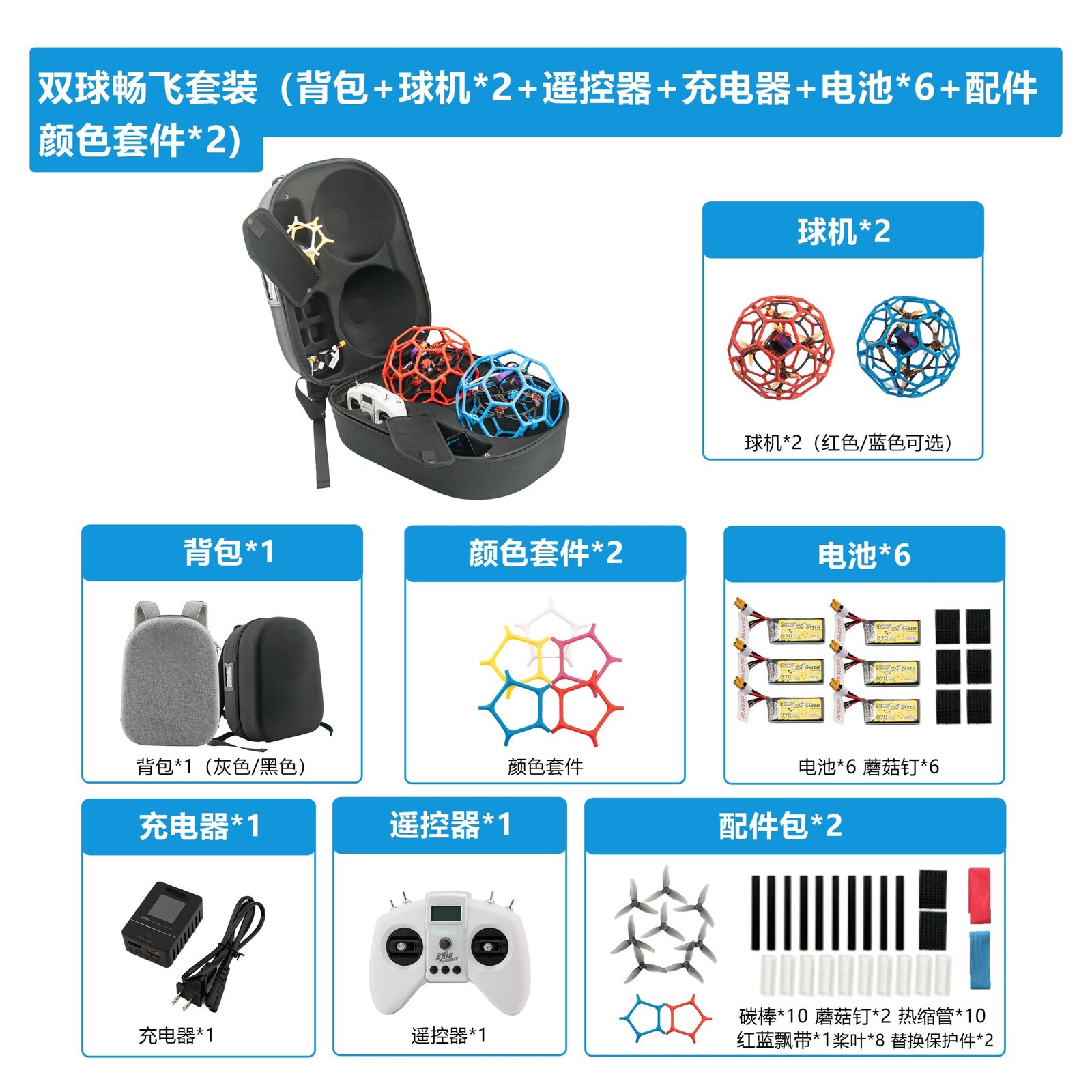
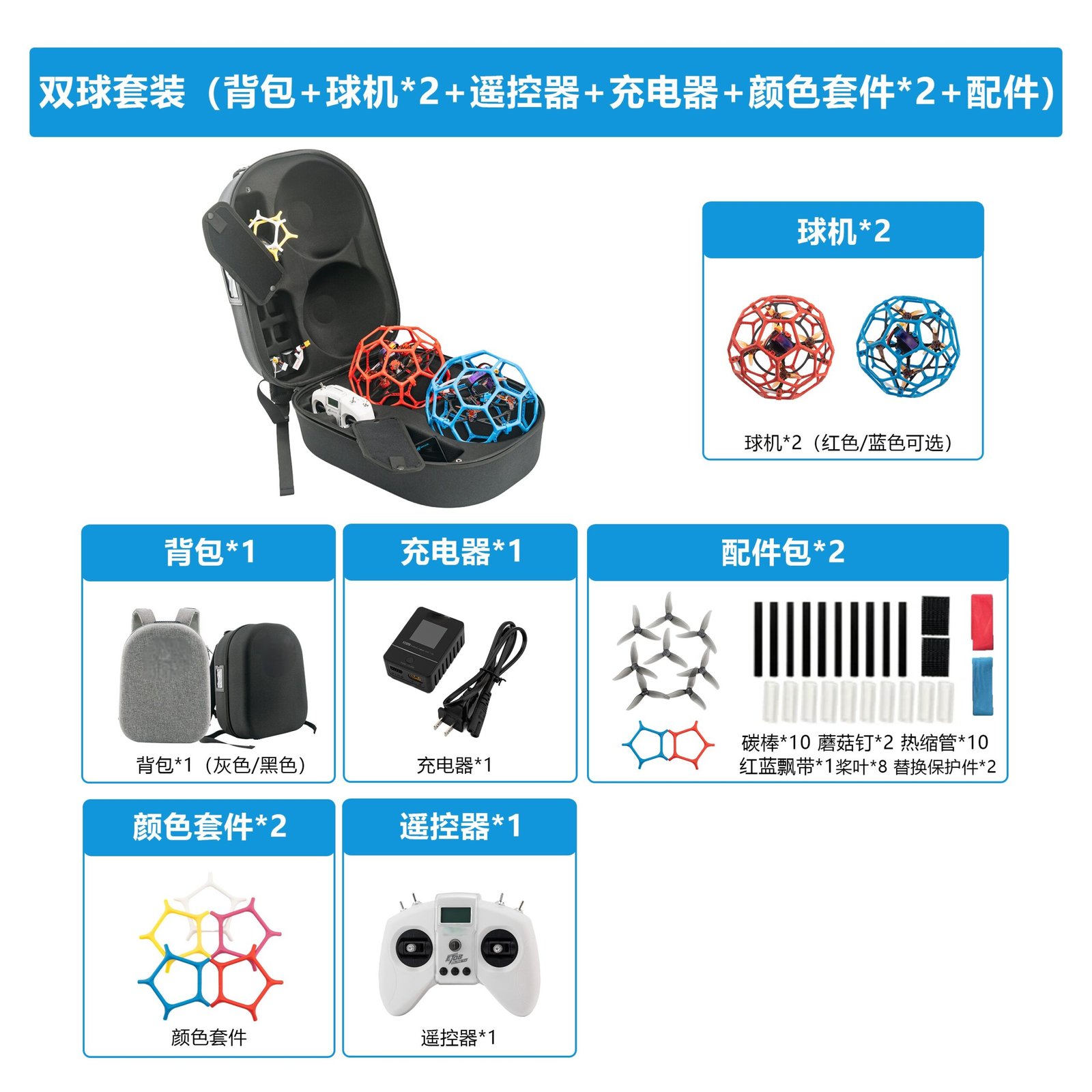
Most disposal events start with a preventable failure. Good LiPo battery safety and charging practice includes using the correct charger settings, storage voltage, and physical protection. For drone soccer programs, choose packs with impact-resistant wraps and connectors that match your fleet, and train students to inspect packs after every crash.
If you are building or refreshing a fleet, propulsion choices affect battery stress. Matching motors, propellers, and batteries within the airframe’s limits reduces over-current events. Our motor and propulsion matching service can help program managers specify combinations that are easier to manage in a school environment. For teams standardizing spare parts, propulsion combo kits can simplify inventory and reduce mismatched components.
Procurement checklist for battery-safe school programs
Use this checklist when specifying batteries, chargers, and disposal supplies. For any item marked “confirm in writing,” ask your supplier or waste handler before purchase.
- Battery packs with clear capacity, voltage, and connector labeling.
- Chargers with per-cell voltage display and adjustable current.
- Fire-resistant storage containers sized for your largest pack.
- Individual terminal caps or tape for transport preparation.
- A written disposal protocol approved by your safety officer.
- Contact details for a local hazardous waste facility or recycler.
- Battery log template and staff training schedule.
- Supplier documentation for battery testing and transport classification (confirm in writing).
- Spare-pack rotation plan to avoid over-discharged or long-stored packs.
- Incident reporting process linked to your school’s emergency plan.
Frequently asked questions
Can I throw a damaged LiPo battery in the trash?
No. Damaged lithium batteries can cause fires in collection vehicles and waste facilities. Use household hazardous waste or a certified recycler that accepts damaged packs.
How do I store a damaged LiPo battery before disposal?
Place it in a fire-resistant container away from flammables and students, ideally outdoors or in a designated safe storage area. Confirm with your waste handler whether they want terminals taped or the pack bagged.
Is it safe to discharge a swollen LiPo battery?
Do not discharge, puncture, or charge a swollen pack unless the manufacturer provides a verified procedure. General guidance is to isolate it and hand it to a qualified disposal channel.
Can my drone team fly with spare LiPo batteries?
Spare lithium-ion batteries must be carried in carry-on baggage and protected from short circuit, per the FAA. Damaged or recalled batteries that may spark or generate dangerous heat must not be carried aboard an aircraft unless made safe. Check your airline’s rules, which may be stricter.
What should a school do if a LiPo battery starts smoking?
Evacuate the immediate area, alert trained staff, and follow your fire response plan. Do not handle a venting or burning battery. Contact emergency services if needed.
How can we reduce battery damage in a drone soccer program?
Use matched propulsion components, inspect packs after crashes, avoid over-discharging, and store packs at the manufacturer’s recommended storage voltage. Consider FPV motors and battery combinations specified for your airframe.
Who can confirm the disposal rules for our area?
Your local environmental or hazardous waste authority, your school district safety officer, and your insurer. Ask for written confirmation of accepted battery types and packaging requirements.
Conclusion
Safe disposal of damaged LiPo batteries is a process, not a single action: identify the damage, isolate the pack, document it, and hand it to a qualified waste channel. Schools and youth programs should adopt a written protocol before the first swollen pack appears, and confirm local rules and insurance requirements in writing. Training staff and students to recognize damage early is the most effective way to reduce risk.
Drone Parts Factory supplies drone soccer (BKZ) platforms and accessories (BKC) for education programs. Contact us to discuss battery-safe configurations for your fleet.