Quick summary
A drone soccer club is an extracurricular team focused on competition and sustained practice, while a drone STEM course is a structured class that teaches science, technology, engineering, and math concepts through drones. The club emphasizes teamwork, match strategy, and tournament participation; the course emphasizes learning objectives, assessments, and curriculum alignment. Both can share similar equipment and safety practices, but they differ in purpose, scheduling, staffing, funding, and success metrics—so schools should choose based on their educational goals and resources.
Key Takeaways
- Purpose: Clubs prioritize competition and community; courses prioritize learning outcomes and grading.
- Structure: Clubs run after school or on weekends; courses are scheduled during the school day with a syllabus.
- Equipment: Both need drones and safety gear, but clubs may need more durable competition gear and spares.
- Funding: Clubs often rely on parent fees, sponsorships, or grants; courses may use school budget or curriculum funds.
- Regulatory awareness: Schools should understand local drone rules; in the US, the FAA provides guidance for educational users.
This article helps schools, youth education programs, drone soccer teams, distributors, event organizers, and OEM/ODM procurement teams understand the differences and make informed decisions.
What is a drone soccer club?
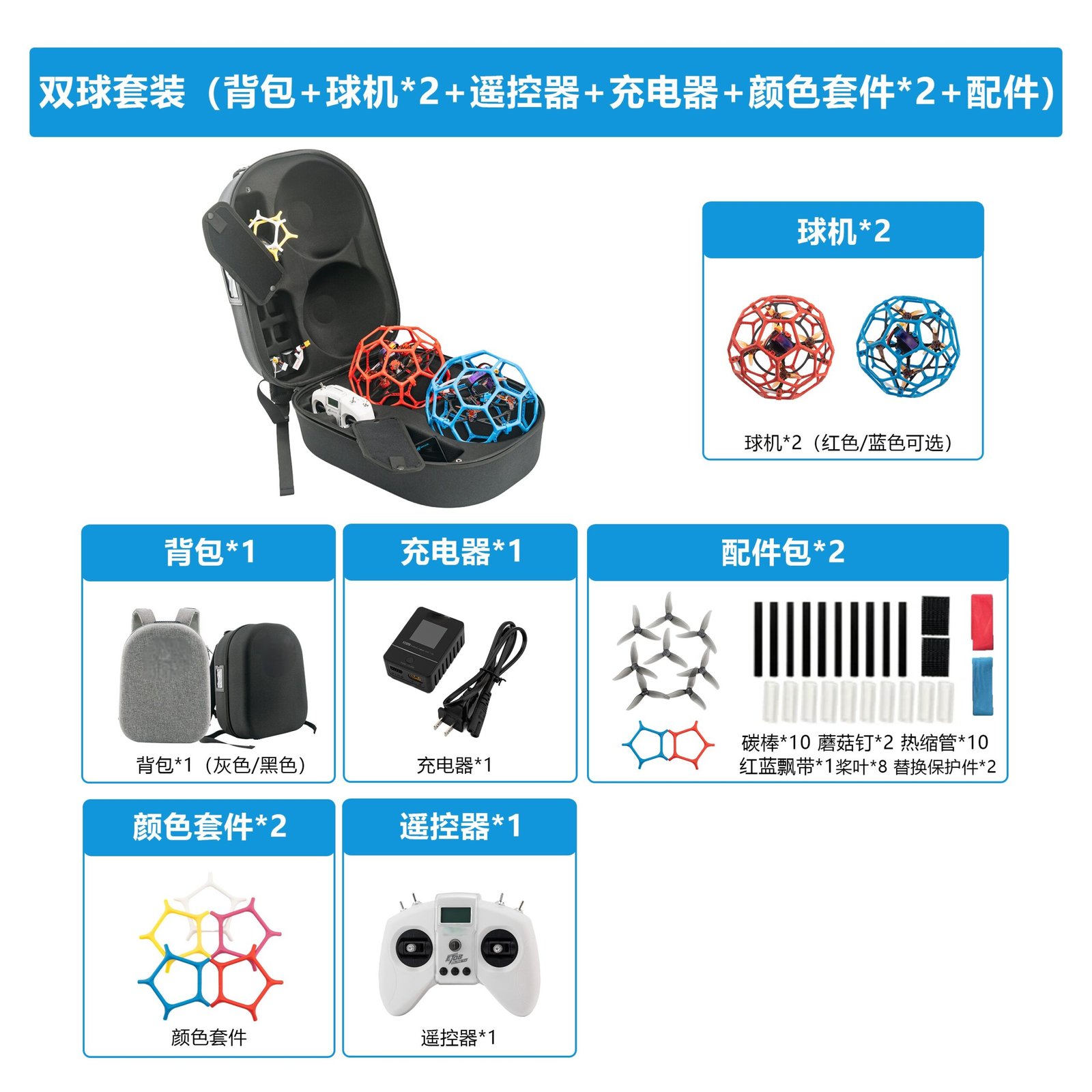
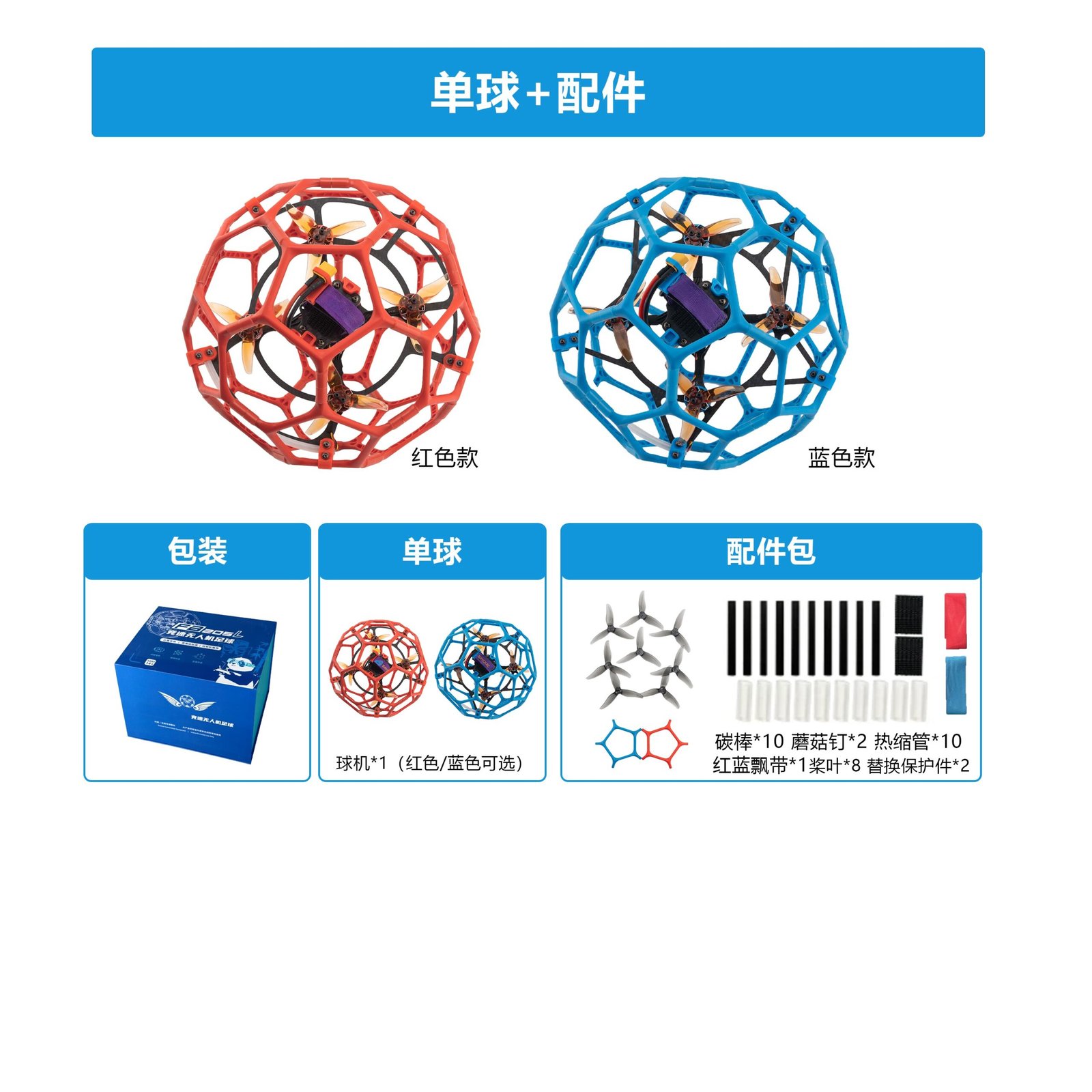
A drone soccer club is an organized group that meets regularly to practice and compete in drone soccer—a team sport where drones enclosed in protective cages (often called “balls”) are flown through goals. Clubs typically focus on skill development, strategy, and inter-school or league competition. They may be run by a teacher, parent volunteer, or community coach, and often operate outside regular class hours.
Clubs are ideal for students who thrive in team settings and want to represent their school in drone soccer competitions. They require consistent practice schedules, dedicated equipment, and a venue with safe flying space. Many clubs also build community spirit through fundraising and local events.

Typical club activities
- Weekly practice sessions focused on piloting, teamwork, and match tactics.
- Friendly scrimmages and league matches.
- Fundraising and community outreach.
- Travel to tournaments (local or regional).
Who runs a club?
Clubs are often led by a faculty advisor or a volunteer coach with an interest in drones. Some schools partner with external organizations or clubs. Responsibilities include scheduling, safety oversight, equipment maintenance, and communication with parents.
What is a drone STEM course?
A drone STEM course is a structured educational program—usually integrated into the school day—that uses drones as a tool to teach STEM concepts. Courses have defined learning objectives, lesson plans, assessments, and often align with national or state standards (e.g., NGSS in the US). They may cover physics, coding, electronics, and problem-solving.
Courses are designed for all students, not just those interested in competition. They emphasize understanding over performance and may include building, programming, and data analysis. For schools looking to embed drone learning into the curriculum, STEM drone education and training resources can help.
Typical course components
- Classroom lessons on aerodynamics, electronics, and coding.
- Hands-on activities: assembling, programming, and flying drones.
- Assessments: quizzes, projects, and presentations.
- Alignment with curriculum standards.
Who teaches a course?
Courses are usually taught by certified teachers, sometimes with support from STEM coordinators or external providers. Professional development may be needed to build confidence with drone technology.
Key differences between a drone soccer club and a drone STEM course
The table below summarizes the main differences to help you compare at a glance.
| Aspect | Drone Soccer Club | Drone STEM Course |
|---|---|---|
| Primary goal | Competition and team performance | Learning outcomes and curriculum alignment |
| Scheduling | After school, weekends, or evenings | During school day, fixed periods |
| Participants | Self-selected, often competitive | All students, possibly required |
| Curriculum | Flexible, practice-based | Structured, standards-aligned |
| Assessment | Performance in matches, skill progression | Quizzes, projects, grades |
| Equipment needs | Durable competition drones, spare parts, field setup | Educational drones, kits, computers |
| Funding sources | Fees, sponsorships, grants, fundraising | School budget, grants, curriculum funds |
| Staffing | Coach/advisor, volunteers | Certified teacher, possibly aide |
| Regulatory focus | Safety and event compliance | Safety and educational use policies |
How to choose between a club and a course
Choosing depends on your school’s goals, budget, and available resources. Consider the following:
- Educational objectives: If you want to teach STEM concepts to all students, a course is likely better. If you want to foster competitive spirit and teamwork, a club may fit.
- Budget: Courses may require curriculum materials and teacher training; clubs may require competition equipment and travel funds.
- Space and safety: Both need safe flying areas. Clubs may need a larger venue for matches.
- Student interest: Survey students to gauge interest in competition vs. learning.
- Staff capacity: Consider who will lead and whether they have time and expertise.
Many schools start with a course to build foundational skills, then spin off a club for interested students. This phased approach can maximize impact.
Equipment and procurement considerations
Both clubs and courses require drones, safety equipment, and spare parts. However, the type and quantity may differ. Clubs often need durable, repairable drones suited for competition, while courses may use educational kits that emphasize learning and programming. When procuring, consider:
- Durability: Clubs need drones that withstand frequent collisions.
- Repairability: Modular designs with easily replaceable parts reduce downtime.
- Safety features: Propeller guards, cage designs, and battery safety are critical.
- Scalability: Can you add more drones as the program grows?
- Vendor support: Request documentation on warranties, spare parts availability, and training resources.
For a range of options, explore drone soccer systems that can serve both clubs and courses.
Safety and regulatory requirements
Safety is paramount in both settings. In the United States, the Federal Aviation Administration (FAA) provides guidance for educational users. According to the FAA, drones flown for educational purposes are regulated under the Exception for Limited Recreational Operations (49 U.S.C. § 44809) or the Small Unmanned Aircraft Systems Rule (Part 107). Qualifying educational organizations may operate under § 44809; others must operate under Part 107. Schools can also request a FAA-Recognized Identification Area (FRIA) to fly without Remote ID. For details, see the FAA educational users page.
Outside the US, check local aviation authority rules. Always ensure you have appropriate permissions and follow safety guidelines.
Common mistakes to avoid
- Overlooking total cost: Include spare parts, maintenance, and travel in your budget.
- Ignoring safety training: Both students and staff need proper instruction.
- Underestimating space needs: Ensure your venue meets the size and safety requirements for flying.
- Failing to secure funding: Have a plan for ongoing costs, not just initial purchase.
- Skipping regulatory checks: Confirm local laws and school policies before flying.
Buyer checklist for schools
- Define your program goals (competition vs. curriculum).
- Assess available space and safety infrastructure.
- Identify staff leads and training needs.
- Estimate total budget including equipment, spares, and fees.
- Research vendors and request detailed quotes, warranty terms, and lead times in writing.
- Verify regulatory requirements with your local aviation authority.
- Plan for evaluation and feedback from students and parents.
Need help deciding? Contact our team for a consultation and quote tailored to your school.
Frequently asked questions
Can a school have both a club and a course?
Yes. Many schools start with a course and then offer a club for students who want to compete. This provides a pathway from learning to competition.
Do we need special insurance?
Check with your school’s insurance provider. Some policies may not cover drone activities; additional coverage may be needed. Requirements vary by location and organization.
What age group is suitable for drone soccer?
Drone soccer is typically suitable for middle and high school students, but programs can be adapted for younger or older participants with appropriate supervision and equipment.
How much does a drone soccer program cost?
Costs vary widely based on equipment, number of students, and whether you start a club or course. Request detailed quotes from suppliers to understand the total investment, including spares and training.
Are there curriculum resources available?
Yes, many organizations and vendors offer curriculum guides, lesson plans, and professional development. Ask suppliers about educational resources they provide.
What safety precautions should we take?
Establish a safety protocol: designate a flying area, use propeller guards, conduct pre-flight checks, and ensure supervision by trained staff. Follow local regulations and manufacturer guidelines.
Conclusion
Drone soccer clubs and drone STEM courses serve different but complementary purposes. Clubs emphasize competition and teamwork, while courses focus on structured learning and curriculum integration. By understanding these differences, schools can choose the model—or combination—that best fits their goals, budget, and student needs. For personalized guidance and a quote, request a school program quote today.