Quick summary
Dynamic power in ELRS (ExpressLRS, an open-source radio link) is a transmitter feature that automatically raises or lowers output power based on link quality. Instead of running your ELRS transmitter modules at a fixed wattage, dynamic power starts low and increases only when the receiver reports a weakening signal. For schools and drone soccer clubs, it can reduce heat, save battery, and lower RF exposure in busy gyms—but it is not a substitute for correct power planning. Use it for everyday practice and mixed-venue events; verify fixed-power options and regulatory requirements before competitive or public events.
Key Takeaways
- Dynamic power adjusts ELRS transmitter output automatically between a minimum and maximum you set.
- It is most useful for training, shared gyms, and battery-powered field sessions where interference changes.
- Fixed power is easier to document for events and safer when you need predictable RF behavior.
- Your transmitter module, receiver firmware, and regulatory limits must all support the same power range.
- Teams should confirm power ranges, firmware compatibility, and event rules in writing before ordering kits.
What Is Dynamic Power in ELRS?
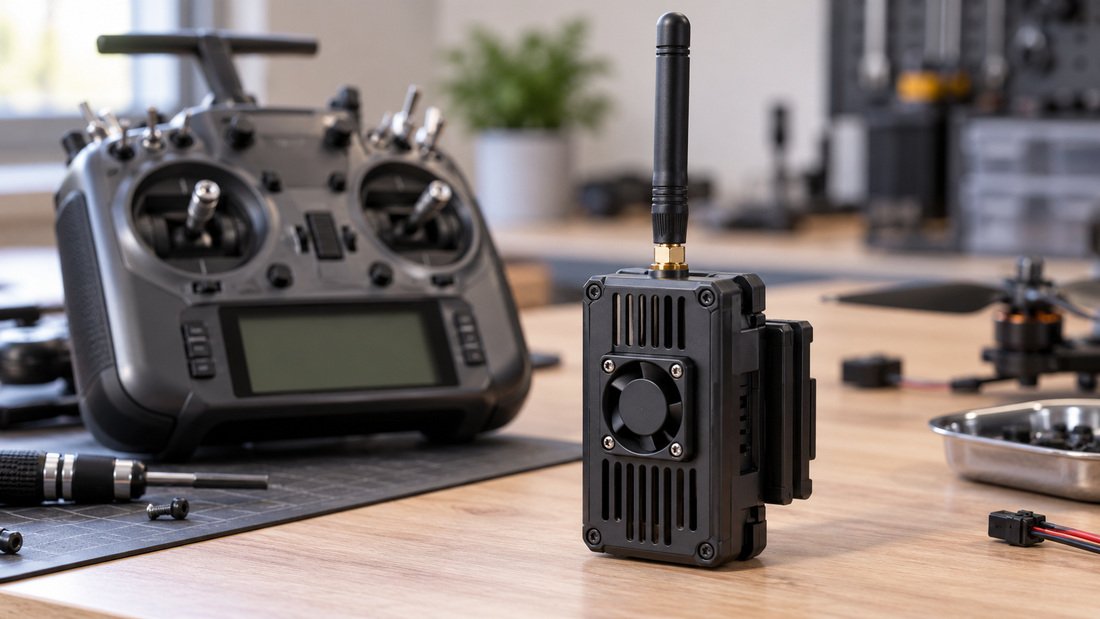
Dynamic power is an automatic power control mode in ExpressLRS. The transmitter reads link quality information from the receiver and adjusts its output power step by step. When the link is strong, power drops to a lower setting; when the link weakens, power rises toward the maximum you configured. This differs from fixed power, where the module transmits at one chosen level regardless of conditions.
ELRS is open-source, so exact behavior depends on firmware version and module implementation. The concept is consistent, but the available power steps, minimum power, and update rate can vary. Always check the firmware documentation for your specific module rather than assuming one behavior across all ELRS transmitter modules.
How Dynamic Power Differs from Fixed Power
Fixed power is predictable: if you set 100 mW, the module transmits at 100 mW. Dynamic power is adaptive: it may sit at 10 mW in a small gym and climb to 250 mW or more when the signal fades. The trade-off is efficiency versus predictability. Fixed power is simpler to document for event organizers; dynamic power is simpler to live with during long practice sessions.
What Controls the Power Range?
Three things set the boundaries: the transmitter module’s hardware capability, the firmware’s dynamic power settings, and the regulatory limit for your region and frequency band. A module rated for a given maximum cannot exceed that rating in software. Likewise, firmware may allow a range that your local rules do not. Treat the lowest of these three as your real ceiling.
Should I Use Dynamic Power for Drone Soccer and School Programs?
For most school practice and club training, yes—with conditions. Dynamic power reduces heat and current draw during long sessions, which matters when many students share a limited number of radios. It also lowers average RF output in crowded gyms where multiple teams operate at once. However, you should set a sensible maximum, confirm receiver compatibility, and switch to fixed power when an event requires documented settings.
When Dynamic Power Helps
- Long practice sessions where batteries and heat are a concern.
- Shared gyms with many transmitters and reflective surfaces.
- Beginner groups who may leave radios powered on between flights.
- Field sessions where distance and interference change constantly.
When Fixed Power Is Better
- Competitive events with published RF or power rules.
- Range or link testing where you need repeatable conditions.
- Scenarios where organizers ask for declared transmitter settings.
- Troubleshooting, because one variable is removed.
If your program needs both modes, look for ELRS transmitter modules that expose clear power settings and support the firmware your team standardizes on. You can compare options in the ELRS transmitter modules category.
Dynamic Power vs Fixed Power: Quick Comparison
| Factor | Dynamic Power | Fixed Power |
|---|---|---|
| Output behavior | Adjusts automatically within a set range | Stays at one chosen level |
| Heat and battery use | Usually lower on average | Constant, based on chosen level |
| Predictability for events | Lower; settings change during flight | Higher; easy to document |
| Setup complexity | Requires minimum and maximum configuration | Simple single setting |
| Best for | Practice, training, shared venues | Competition, testing, compliance checks |
| RF exposure management | Can reduce average output | Depends entirely on chosen level |
Neither mode is universally better. The right choice depends on your venue, your event rules, and how much documentation your program needs.
How to Configure Dynamic Power Safely
Configuration starts with knowing your module’s supported range and your local rules. Set a minimum power high enough to maintain a stable link at your typical flying distance, and a maximum that stays within regulatory and event limits. Then test in the actual venue before relying on it for a session.
- Confirm your transmitter and receiver firmware versions are compatible. The ELRS receiver compatibility center is a useful starting point.
- Set a conservative minimum power for indoor gyms and a higher maximum for outdoor fields.
- Check that your receivers report link quality correctly; dynamic power depends on that feedback.
- Run a bench or short-range test before a full practice.
- Record the settings used so you can repeat them or switch to fixed power for events.
Antenna and Installation Matter More Than Power Mode
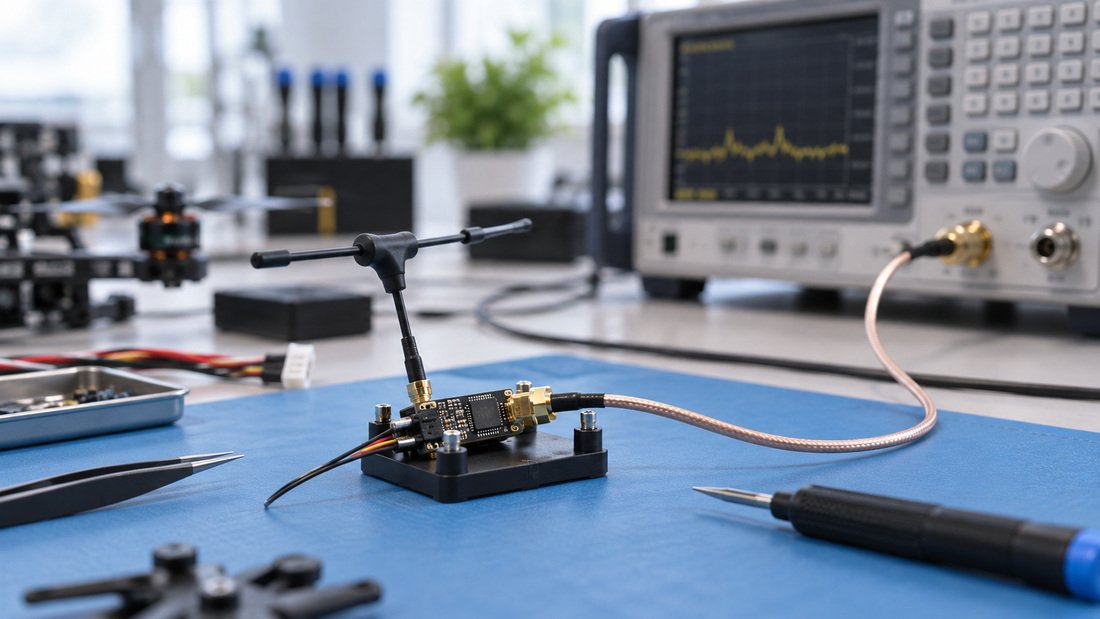
No power mode compensates for a poor antenna installation. Damaged coax, mismatched antennas, or antennas hidden inside carbon frames can waste output and create unstable links. Before tuning power, check that your RF antennas are appropriate for your band and mounted clear of conductive materials.
Procurement Checklist for Clubs and Schools
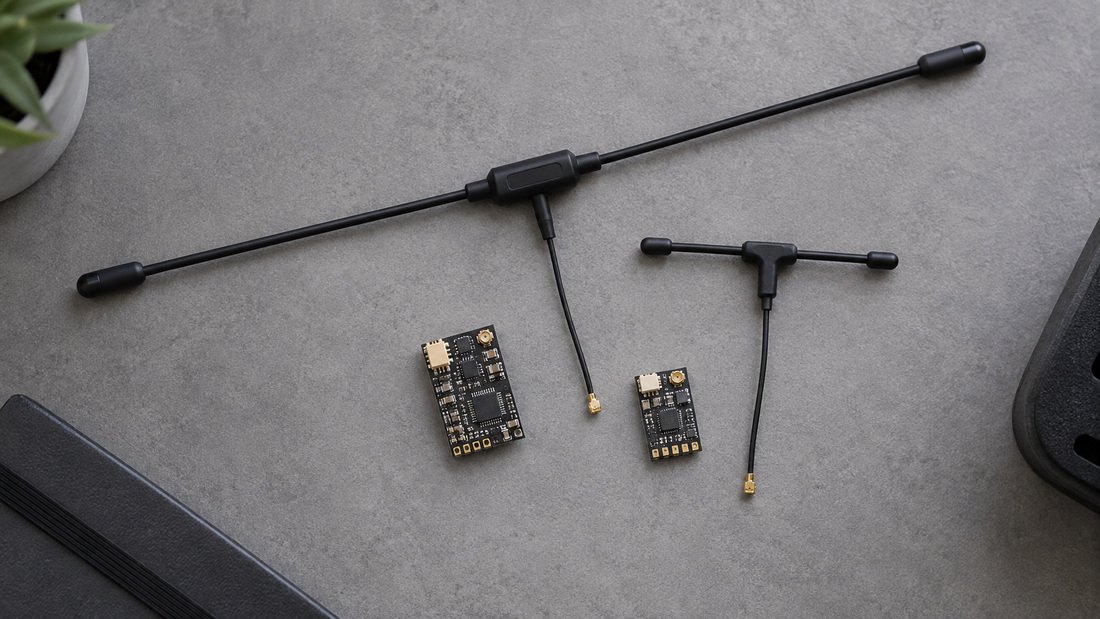
Before ordering ELRS transmitter modules for a team kit, gather answers in writing. This protects your program when event rules or venue requirements change.
- Supported power range for each module, including minimum and maximum.
- Firmware version and whether dynamic power settings are exposed to the user.
- Receiver compatibility list and any firmware matching requirements.
- Antenna type and connector supplied with each module.
- Documentation for event organizers, including how to switch to fixed power.
- Regional regulatory limits for your frequency band and how the module respects them.
- Spare parts and support process for school or club use.
If any item is not published, ask the supplier to confirm it in writing rather than assuming. Commercial terms such as lead times, minimum order quantities, and warranty periods should always be confirmed for your specific order.
Questions to Ask Your Supplier
- Which firmware versions support dynamic power on this module?
- Can the module be locked to a fixed power level for events?
- What is the recommended minimum power for indoor gym use?
- Are there known compatibility issues with common ELRS receivers?
- How should teams document transmitter settings for event organizers?
For a broader view of receivers, antennas, and modules, see the ELRS and RF systems overview.
Common Mistakes with Dynamic Power
Most problems come from configuration and expectations, not the feature itself. Watch for these patterns in school and club programs.
- Setting a maximum power above local or event limits because the hardware allows it.
- Assuming dynamic power fixes a bad antenna or damaged coax.
- Forgetting to switch to fixed power for an event that requires declared settings.
- Mixing firmware versions across transmitters and receivers without checking compatibility.
- Using dynamic power as a substitute for proper range planning at large venues.
- Failing to record settings, making troubleshooting harder for the next coach.
If your team shares radios, label each transmitter with its configured range and firmware version. This simple habit prevents hours of confusion.
Frequently Asked Questions
Does dynamic power reduce range?
Not inherently. Dynamic power can rise to your configured maximum when needed, so range depends mostly on that maximum, antenna quality, and environment. If the maximum is set too low, range will suffer.
Is dynamic power safe for beginners?
It can be, provided the maximum is set conservatively and the module is configured by an instructor. Beginners should not change power settings unsupervised.
Can I use dynamic power in competitions?
Only if the event rules allow it. Some organizers require fixed or declared settings for fairness and RF management. Check the rules and confirm with organizers before the event.
Does dynamic power work with all ELRS receivers?
It depends on firmware compatibility and how the receiver reports link quality. Check the ELRS receiver compatibility guidance and verify your specific combination.
Will dynamic power extend battery life?
Often yes, because average output is lower during strong-link conditions. Actual savings depend on your settings, module efficiency, and how often the link weakens.
How do I switch between dynamic and fixed power?
This is done through your transmitter’s ELRS configuration interface or Lua script, depending on firmware. Document the steps for your team so any coach can repeat them.
What should I confirm before buying modules for a team kit?
Confirm power ranges, firmware compatibility, antenna options, and documentation support in writing. For orders, ask about lead times, minimum quantities, and warranty terms for your specific request.
Conclusion
Dynamic power is a useful default for school and club practice because it manages heat, battery use, and average RF output automatically. It is not a replacement for correct power planning, good antennas, and documented event settings. The practical approach is to use dynamic power for training, switch to fixed power for competitions and testing, and record your settings so your program stays consistent.
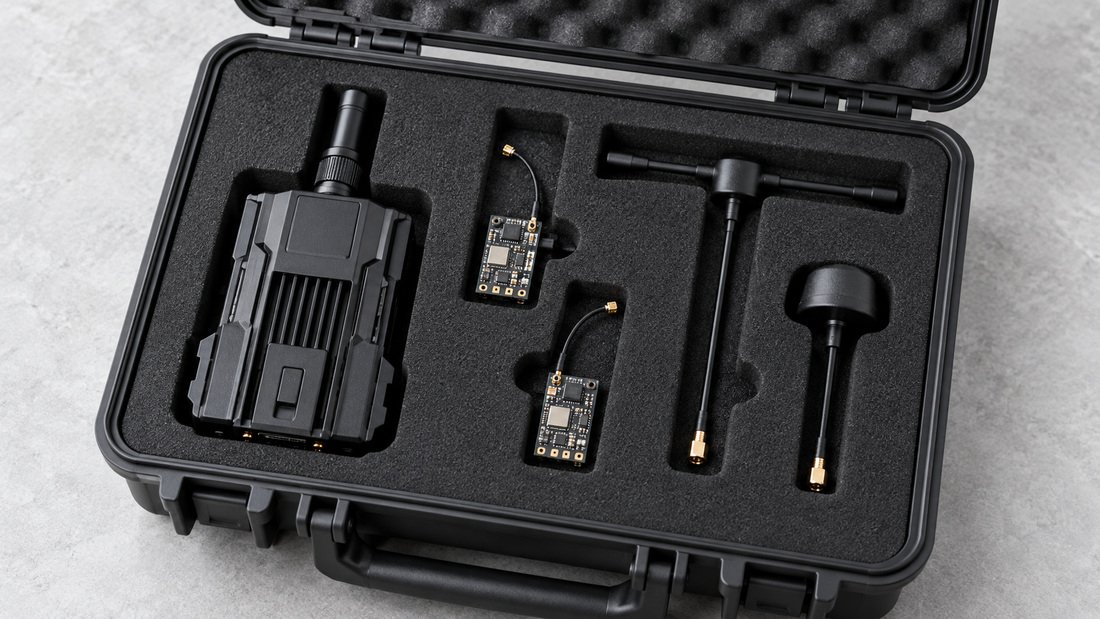
Before you equip a team, gather written confirmation of power ranges, firmware compatibility, and support terms for the modules you plan to buy. If you are building or refreshing a team kit, Request a Team Kit Quote and include your venue types, group size, and firmware standard so the configuration can be matched to your program.