Quick summary
Handling LiPo (lithium-polymer) batteries safely with kids starts with adult supervision, a structured charging routine, physical protection, and clear rules. Use LiPo-safe charging bags, never charge unattended, store batteries at storage voltage, inspect for damage before every use, and teach students to report swollen or punctured packs immediately. For schools and youth programs, written procedures and role-based supervision matter as much as the equipment itself.
Key Takeaways
- Supervision is non-negotiable: an adult should manage or directly oversee all charging and battery swaps.
- Use LiPo-safe bags, fire-resistant surfaces and a consistent charging area away from flammable materials.
- Teach students a simple pre-flight inspection routine and a “stop and report” rule for damaged packs.
- Store batteries at storage voltage, never fully charged or fully drained, and track them with a log.
- Document your procedures and confirm equipment specs and safety terms in writing with suppliers.
Why LiPo Battery Safety Matters in Youth Drone Training and Safety
LiPo batteries are popular in youth drone training and safety programs because they deliver high energy for their weight. That same energy density means misuse can cause overheating, swelling, smoke or fire. In a school or club setting, the goal is not to frighten students but to build habits that make risk predictable and manageable.
Drone soccer and STEM programs often involve repeated charge cycles, quick battery swaps and multiple students handling the same equipment. That repetition is exactly where clear procedures prevent mistakes. Safety training should be part of the curriculum, not an afterthought.
What Are the Core Safety Rules for Kids Handling LiPo Batteries?
The core rules are simple enough for students to remember: inspect, protect, supervise, and report. Adults own the charging process, while students learn to handle packs carefully and speak up when something looks wrong.
1. Adult Supervision and Role Assignment
Assign a responsible adult as battery manager for each session. That person controls charging, storage and disposal. Students can be taught to connect batteries to drones under direct supervision, but charging should remain an adult-led activity unless your organization has a documented, age-appropriate training program.
2. Pre-Use Inspection
Before every flight, check for swelling, punctures, exposed wires, loose connectors or a burnt smell. A simple student checklist can make this routine. Any pack that fails inspection goes into a clearly marked quarantine container and is reported to the adult supervisor.
3. Physical Protection
Use LiPo-safe charging bags and fire-resistant surfaces. Keep batteries away from sharp tools, water and direct sunlight. Store packs individually or with connector caps to prevent short circuits.
How Should Schools Set Up a LiPo Charging Station?
A dedicated charging station reduces risk by keeping charging predictable and contained. Choose a location away from combustible materials, with good ventilation and a clear exit path.
Charging Station Checklist
- Fire-resistant surface such as a metal tray or ceramic tile.
- LiPo-safe charging bags for each pack being charged.
- Correct charger settings for the pack’s chemistry and cell count.
- Balance charging enabled where supported.
- Timer or alarm to prevent overcharging.
- Fire extinguisher suitable for electrical fires and a clear emergency plan.
- Signage listing rules and emergency contacts.
Students should never charge batteries unattended, and charging should not happen while students are alone in a room. Keep charging sessions short and monitored.
Comparison: Safer vs. Riskier LiPo Handling Practices
| Practice | Safer Approach | Riskier Approach | Why It Matters |
|---|---|---|---|
| Charging supervision | Adult present throughout | Unattended charging | Early detection of overheating |
| Charging location | Fire-resistant surface, ventilated area | Carpet, wooden desk, cluttered area | Limits fire spread |
| Storage voltage | Store at recommended storage voltage | Store fully charged or depleted | Reduces degradation and swelling risk |
| Inspection | Check every pack before use | Skip inspection for speed | Catches damage early |
| Student role | Supervised handling, clear reporting | Unsupervised swaps and charging | Prevents accidents |
| Damage response | Quarantine and report | Continue using swollen pack | Avoids fire and injury |
This table is general guidance. Your organization should adapt it to local regulations, insurer requirements and manufacturer instructions.
How Do You Teach Kids to Handle LiPo Batteries Safely?
Teaching should be hands-on, repeated and age-appropriate. Use short demonstrations, simple language and clear consequences. For younger students, focus on inspection, careful carrying and reporting. For older students, you can introduce voltage checks and charger settings under supervision.
Sample Lesson Structure
- 10 minutes: What a LiPo battery is and why it needs care.
- 10 minutes: Demonstration of inspection and safe handling.
- 10 minutes: Supervised practice with a discharged or training pack.
- 5 minutes: Quiz or verbal check for understanding.
Pair battery safety with broader youth drone training and safety lessons, such as pre-flight checks and flight area rules. The FAA’s educational user guidance notes that drones flown for educational purposes are regulated under either the Exception for Limited Recreational Operations or Part 107, and that qualifying educational organizations may operate under § 44809.
FAA educational users page. Always confirm the rules that apply to your program and location.
Common Mistakes in School LiPo Battery Programs
- Charging multiple packs on a single charger without checking limits.
- Storing batteries fully charged for long periods.
- Using damaged packs because replacements are not available.
- Letting students charge batteries without direct supervision.
- Keeping batteries in hot vehicles or direct sunlight.
- Failing to label and log battery usage and damage.
Each mistake is preventable with procedures, training and the right accessories.
Procurement Checklist for LiPo Battery Safety in Youth Programs
When buying batteries and accessories for a school or club, use this checklist to guide conversations with suppliers. Confirm specifications and safety terms in writing.
- Battery chemistry, cell count, capacity and connector type.
- Charger compatibility and balance-charging support.
- Availability of LiPo-safe bags and storage cases.
- Clear documentation on charging and storage voltage.
- Warranty and return policy for defective or damaged packs.
- Safety data sheets or material safety documentation where available.
- Minimum order quantities and lead times for school orders.
- Spare connectors and adapters for your drone fleet.
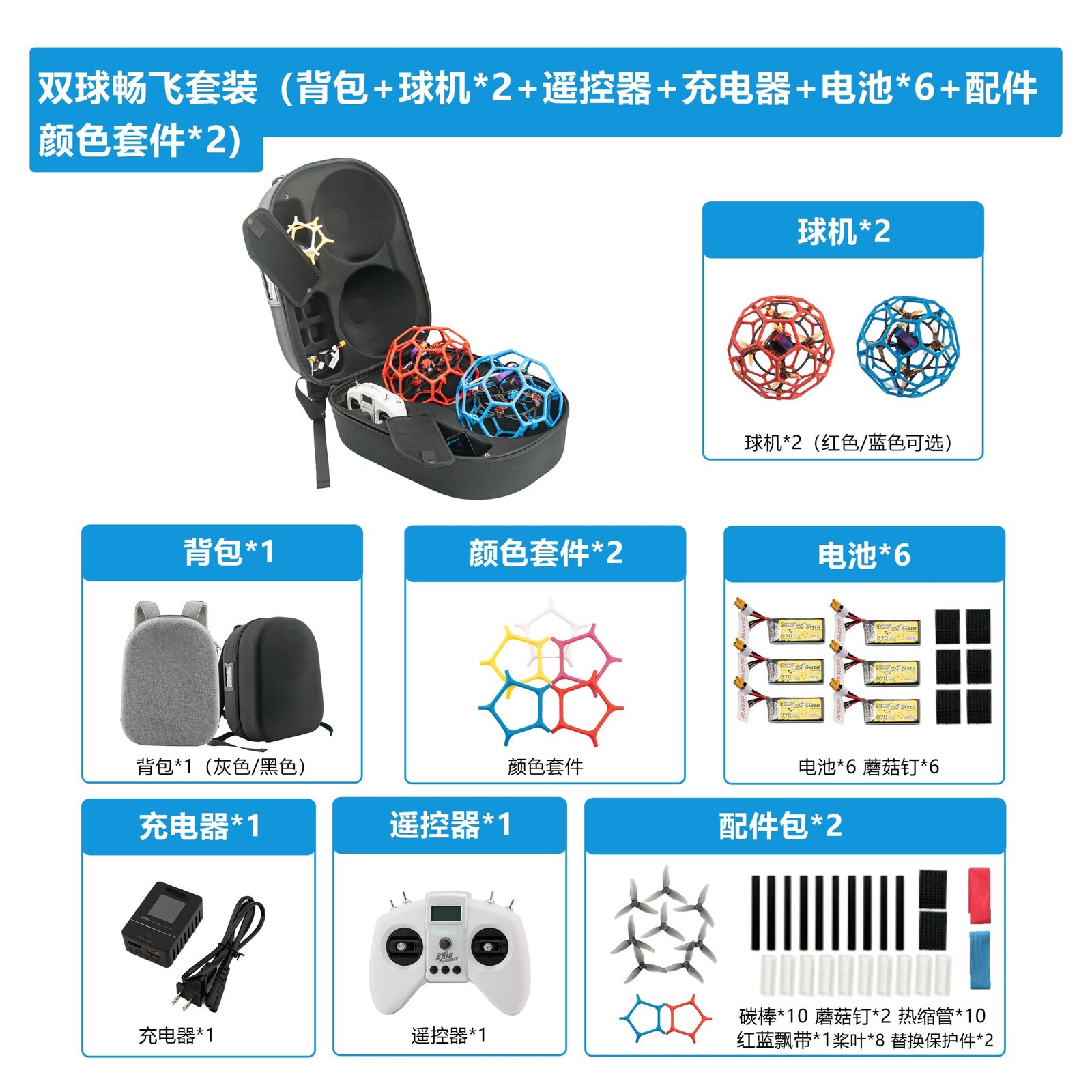
For drone soccer programs, consider how battery swaps fit into match play and practice. Standardizing packs across your fleet can simplify charging logistics and reduce confusion.
How Does Battery Safety Fit into Drone Soccer and STEM Programs?
Drone soccer adds fast-paced matches and multiple players, which increases the number of battery swaps. Build battery safety into practice routines and competition rules. Designate a battery manager for each team and use labeled charging stations.
Our STEM drone education and training resources and drone soccer competitions pages can help you plan equipment and safety procedures. For schools and training organizations, our schools and training organizations page outlines program support options.
Frequently Asked Questions
1. Can kids charge LiPo batteries themselves?
Supervision is strongly recommended. Charging should be adult-led unless your organization has a documented training program and age-appropriate supervision. Never charge unattended.
2. What should we do with a swollen LiPo battery?
Stop using it immediately. Place it in a fire-resistant container away from flammable materials and follow your local disposal or recycling guidance. Do not puncture or charge it.
3. How should LiPo batteries be stored between sessions?
Store at the manufacturer’s recommended storage voltage, in a cool, dry place, away from direct sunlight. Use LiPo-safe bags or cases and keep connectors protected.
4. Do we need a fire extinguisher at the charging station?
Check your local fire regulations and insurer requirements. Many programs keep a suitable fire extinguisher and a clear emergency plan near charging areas.
5. Are LiPo batteries allowed in school drone soccer programs?
LiPo batteries are common in drone soccer, but your school’s safety policy, insurance and local regulations determine what is allowed. Confirm requirements in writing.
6. How often should batteries be inspected?
Inspect before every use and after every landing. Also log cycles and retire packs according to manufacturer guidance or when performance declines.
Battery safety is a shared responsibility between program leaders, instructors, students and suppliers. Clear procedures, the right accessories and consistent training reduce risk and build confidence.
Ready to equip your school or club with safer battery handling accessories and drone soccer systems? Request a School Program Quote to discuss your needs.