Quick summary
For a freestyle beginner, the best power combo is usually a moderate-kV motor paired with a mid-range 4-in-1 ESC, 5-inch tri-blade propellers and a 4S or 6S battery sized to the frame. This balance gives enough thrust for flips and recoveries without the heat, current spikes and short flight times that aggressive race setups create. Clubs should select combos as a system, not as separate parts. Confirm continuous current ratings, propeller load and battery capacity together. Always verify final specifications, lead times and warranty terms in writing with the supplier before ordering for a team.
Key Takeaways
- A beginner freestyle power combo should prioritise control and durability over maximum thrust.
- Motor kV, propeller pitch and battery cell count must be matched as a system to avoid overheating and short flight time.
- Flight time is affected by weight, throttle habits, propeller choice and battery capacity, not by motor size alone.
- Clubs should standardise one or two combos across a team to simplify spares, charging and coaching.
- Ask suppliers to confirm continuous ESC current, motor dimensions, connector types and battery Wh ratings in writing.
What does a freestyle beginner actually need from a power combo?
A freestyle beginner needs predictable throttle response, enough torque to recover from mistakes and a power system that survives crashes. Maximum top speed is not the goal. A slightly lower-kV motor on a higher-cell battery can feel smoother and run cooler than a high-kV motor on a lower-cell battery.
The combo should also be easy to repair. Standard motor mounting patterns, common propeller sizes and widely available connectors reduce downtime for school programs and clubs. If a student damages one motor or ESC, the team should be able to replace it from club stock without waiting for a special order.
Control before thrust
Freestyle flying involves rapid throttle changes. A motor with moderate kV and a propeller with moderate pitch gives the flight controller (FC) more usable resolution. Very high-thrust setups can make small stick inputs feel twitchy, which slows learning. For a school program, predictable behaviour matters more than peak performance.
Durability and serviceability
Beginners crash. Bell-style motor bases, protected windings and a 4-in-1 ESC with accessible solder pads make repairs easier. Clubs should ask whether replacement arms, motors and ESCs can be ordered separately and whether the supplier keeps stock of those items. Do not assume this; request written confirmation.
How do motor, ESC, propeller and battery interact?
These four parts form a chain. The propeller determines load, the motor converts electrical power into rotation, the ESC controls current delivery and the battery supplies voltage and capacity. Changing one part changes the behaviour of the others. A larger propeller or higher pitch increases current draw; a higher cell count increases voltage and motor speed.
This is why buying a pre-matched propulsion combo kit reduces risk for a club. The supplier has already considered the interactions. Even so, the buyer should check the intended all-up weight, propeller size and battery cell count against the kit documentation.
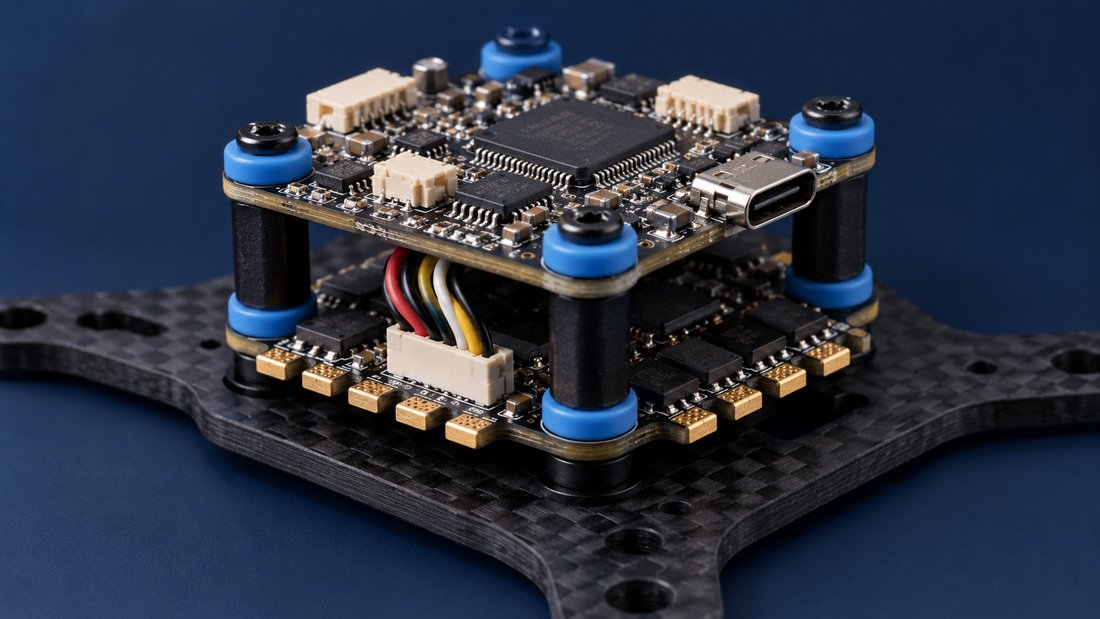
Motor kV and battery cell count
Motor kV describes revolutions per volt. Higher kV produces more speed per volt, which suits smaller propellers or lower cell counts. Lower kV suits larger propellers or higher cell counts. For freestyle beginners, a moderate kV matched to a 4S or 6S battery is common, but the right value depends on propeller size and frame weight. Ask the supplier for thrust and current data at the intended voltage.
ESC current rating and headroom
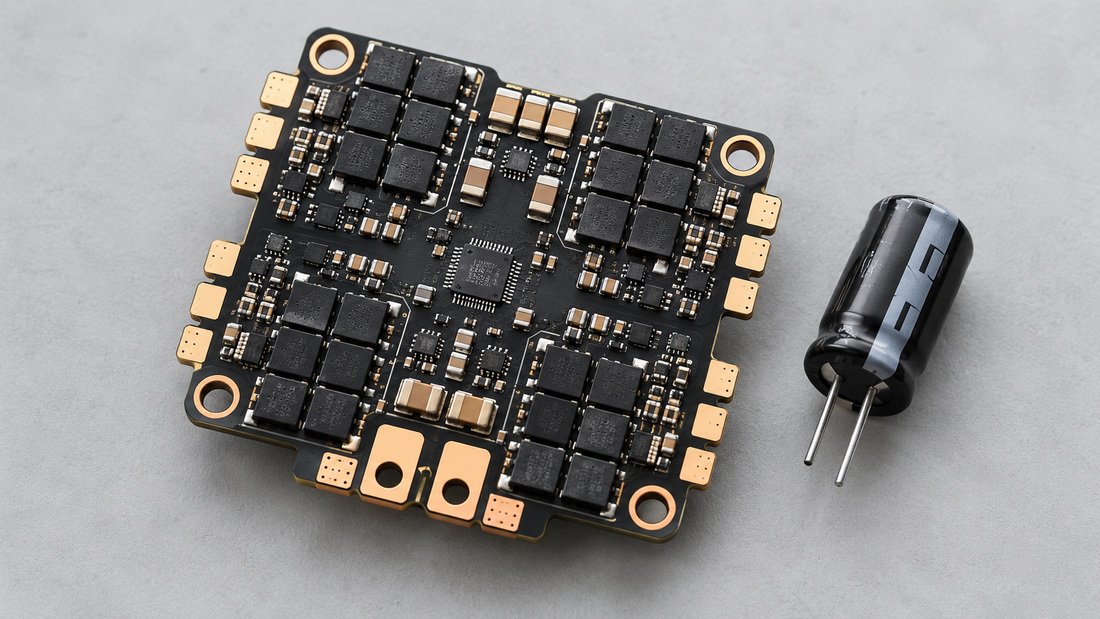
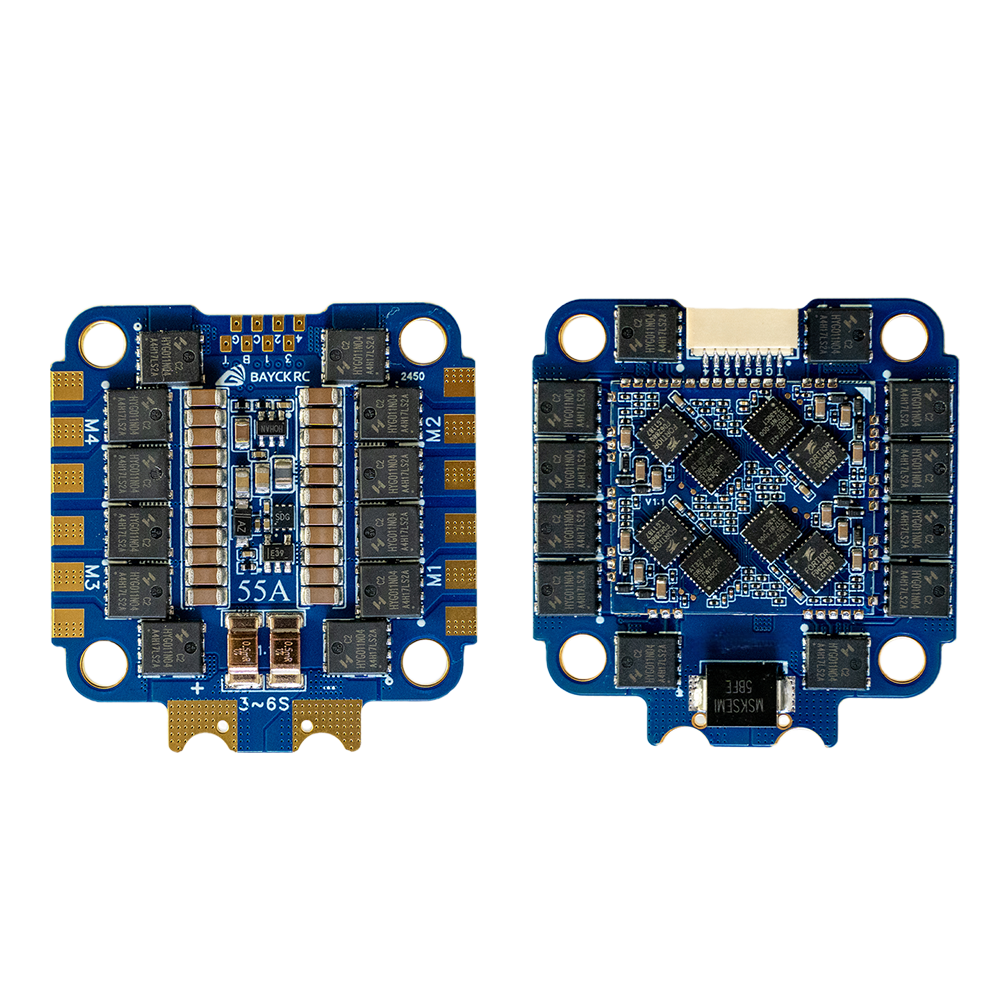
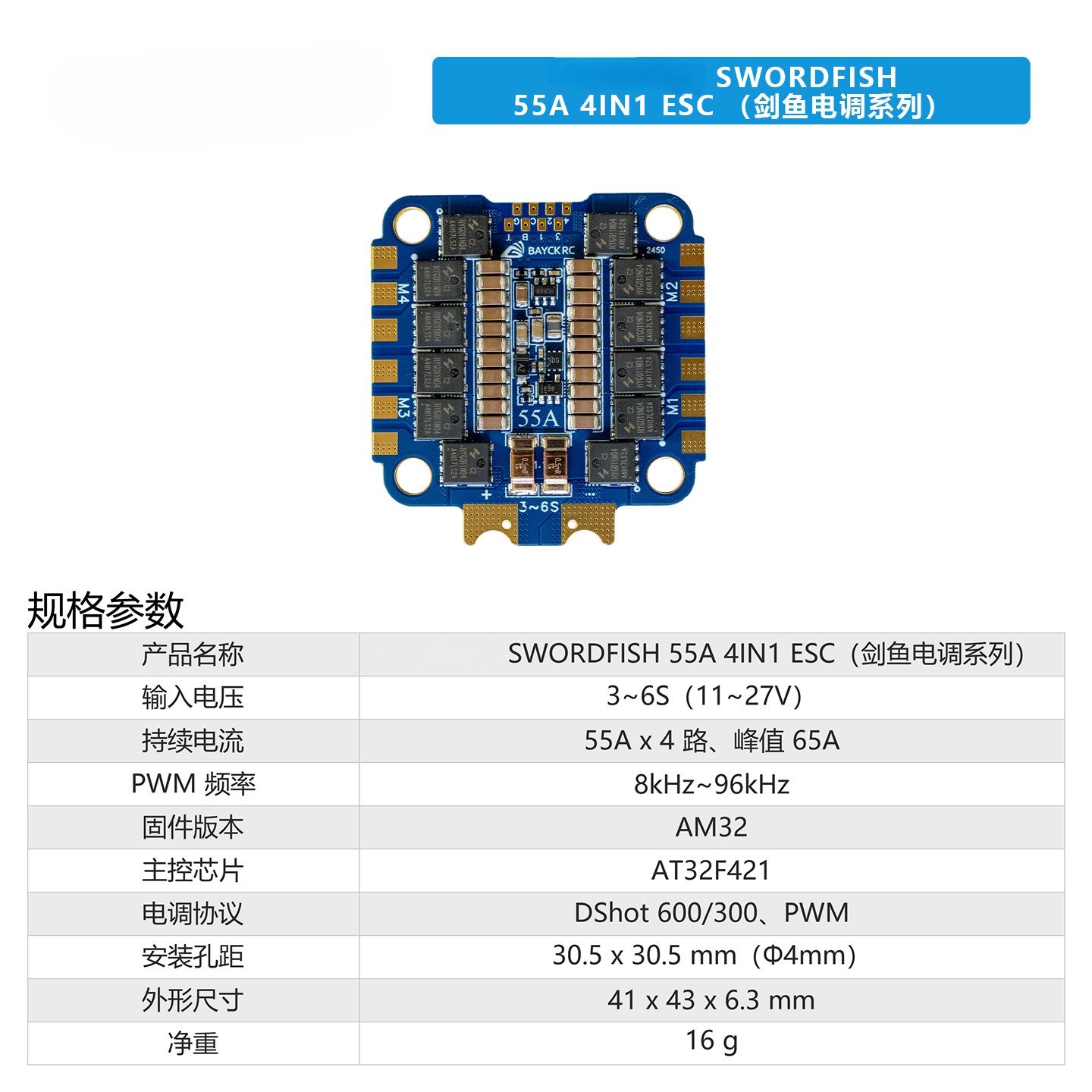
The ESC must handle the current the motor and propeller demand at full throttle. A 4-in-1 ESC distributes four motor outputs on one board. Beginners benefit from some current headroom because repeated full-throttle recoveries and hot weather increase stress. Ask for the continuous and burst current ratings and confirm they refer to the same test conditions.
Propeller choice and flight time
Propellers convert motor power into thrust. A larger diameter or higher pitch moves more air but draws more current and can reduce flight time if the battery is unchanged. Tri-blade propellers are common in freestyle for grip and control. Beginners should start with a moderate pitch and only change after measuring current draw and motor temperature.
How should a club compare beginner power combos?
Compare combos on total system behaviour, not on one headline number. The table below shows typical trade-offs. It is general guidance, not a specification for any DPF product. Confirm exact values with the supplier.
| Combo direction | Likely effect on control | Likely effect on flight time | Beginner suitability |
|---|---|---|---|
| Lower-kV motor + higher cell count battery | Smoother torque, predictable response | Can be good if weight and propeller are matched | Usually suitable with correct propeller |
| Higher-kV motor + lower cell count battery | Faster response, less forgiving | Often shorter at high throttle | Less suitable for first flights |
| Low-pitch propeller + moderate motor | Easy to manage | Often longer than high-pitch options | Good starting point |
| High-pitch propeller + high-kV motor | Twitchy, requires clean inputs | Usually shorter and hotter | Not ideal for beginners |
| Oversized battery for extra capacity | More inertia, heavier feel | May not increase time if weight rises | Use only within frame limits |
The best starting point for many clubs is a proven FPV motor set with a mid-range 4-in-1 ESC, moderate-pitch 5-inch propellers and a battery within the frame manufacturer’s stated limits. Match components using a documented motor, propeller and battery matching process rather than guesswork.
What actually determines flight time?
Flight time is the result of energy available divided by energy used. Battery capacity and voltage set the energy available; weight, propeller efficiency, motor efficiency, throttle habits and aerodynamic drag set the energy used. A beginner who flies at 60% throttle will usually get more time than one who punches full throttle constantly.
Battery watt-hours (Wh) are a useful comparison unit. Wh equals voltage multiplied by amp-hours (Ah). The U.S. Federal Aviation Administration (FAA) notes this calculation and applies a 100 Wh limit per lithium-ion battery for airline passengers, with limited exceptions; it also states that batteries carried for further sale or distribution are prohibited in passenger baggage. This is a US aviation rule, not a universal B2B transport rule. Clubs shipping batteries for events should check the applicable carrier and jurisdiction requirements.
- All-up weight: heavier builds need more thrust and often use more energy.
- Propeller efficiency: matched propellers convert power into thrust with less waste.
- Motor and ESC efficiency: overheating wastes energy and shortens component life.
- Throttle discipline: smooth inputs and lower average throttle extend flight time.
- Battery condition: aged or damaged cells deliver less usable capacity.
Lithium batteries can overheat and undergo thermal runaway if damaged, overcharged, exposed to water or improperly packed, according to the same FAA guidance. For school and club programs, battery inspection, safe charging and correct storage are part of power-system planning, not an afterthought. Cite: FAA lithium battery guidance.
Why beginners often get shorter flight time than expected
New pilots frequently over-throttle during recoveries and hover higher than necessary. They may also use a battery that is physically large but has a low energy density, or a propeller that is too aggressive for the motor. Before changing parts, review logged flight data, motor temperature after landing and the actual all-up weight.
Common mistakes when choosing a first power combo
Most beginner mistakes come from optimising one part without considering the system. The following errors are common in club and school orders.
- Choosing the highest-kV motor because it looks faster, then fitting a large propeller and overheating both motor and ESC.
- Buying batteries without checking frame dimensions, connector type or charge time for a full team.
- Mixing motor and propeller brands without confirming mounting pattern and shaft size.
- Ignoring ESC current headroom in hot weather or at high altitude.
- Standardising on a combo that has no local spare-parts supply.
- Assuming a supplier’s warranty period or support terms without written confirmation.
For OEM/ODM procurement, the same logic applies. A custom frame or team kit should be validated as a complete propulsion system. DPF’s motor and propulsion matching service is the correct discussion point for buyers who need help defining that system.
Need help specifying a combo for a school or club? Request a Team Kit Quote and share your frame size, intended battery, propeller size and pilot level.
Procurement checklist for clubs and schools
Use this checklist before confirming a team order. It separates what you can verify yourself from what the supplier must confirm in writing.
- Frame and weight: Record the frame size, all-up weight with battery and the maximum propeller diameter.
- Motor: Confirm kV, stator size, shaft diameter, mounting pattern and recommended propeller range.
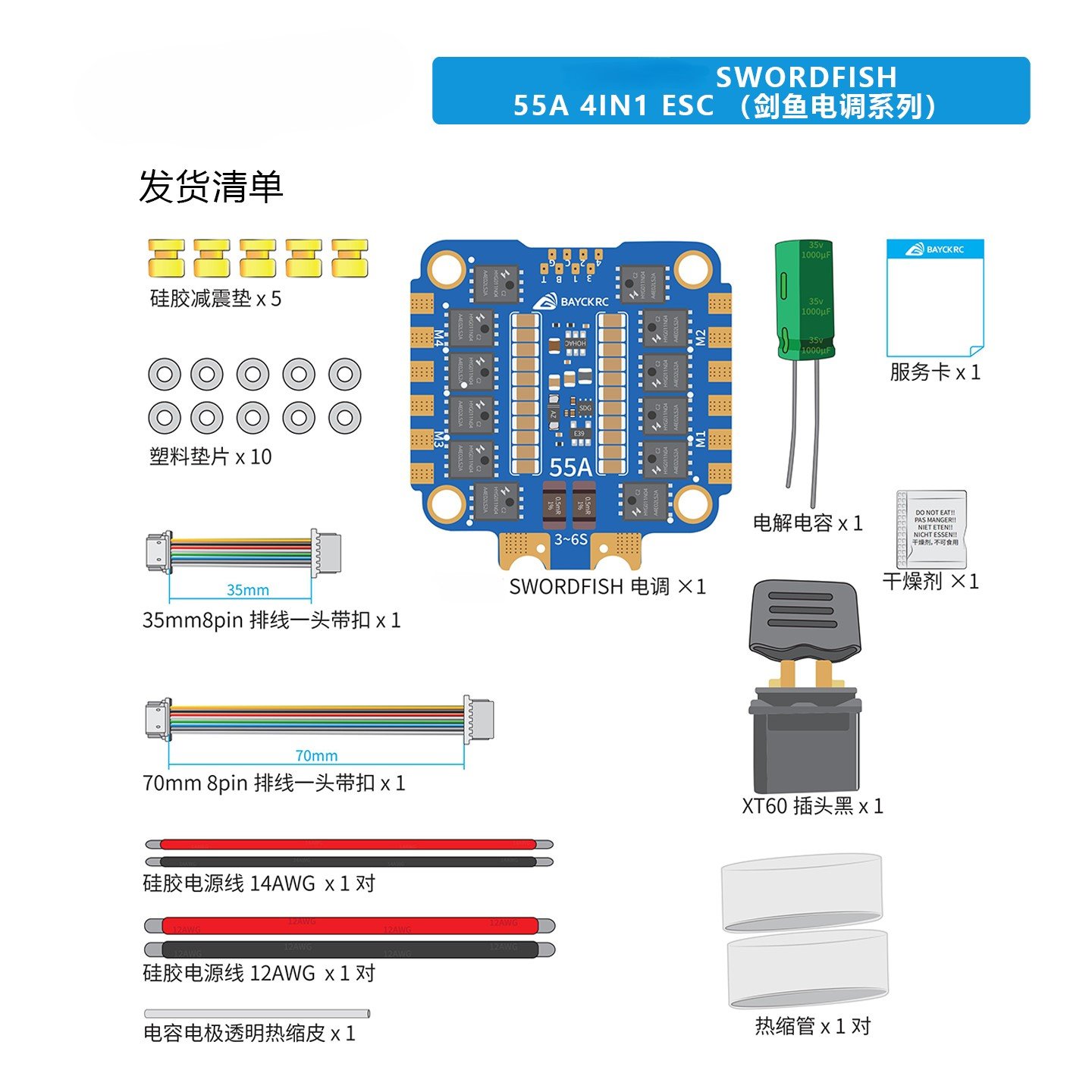
- ESC: Confirm continuous and burst current per channel, input voltage range, firmware and protocol compatibility.
- Propeller: Confirm diameter, pitch, blade count and material; check balance out of the pack.
- Battery: Confirm cell count, capacity in mAh, Wh rating, connector type, maximum charge rate and physical dimensions.
- Spares: Ask which parts can be ordered individually and whether club-level stock is available.
- Documentation: Request wiring diagrams, pinouts and any safety or transport documentation the supplier can provide.
- Commercial terms: Confirm price validity, lead time, MOQ, warranty and return terms in writing before payment.
Frequently asked questions
What is the best power combo for a freestyle beginner?
There is no single best combo because frame size, weight and budget vary. A moderate-kV motor, a 4-in-1 ESC with current headroom, moderate-pitch propellers and a battery within the frame limits is a sensible starting direction. Ask the supplier to confirm the parts work together at your intended all-up weight.
Does a more powerful motor reduce flight time?
Not automatically, but a more powerful motor can draw more current if paired with an aggressive propeller or flown at high throttle. Flight time depends on the whole system and how the pilot flies. Compare Wh capacity and measured current draw rather than motor size alone.
Should beginners use 4S or 6S batteries?
Both can work. The right choice depends on motor kV, propeller size and frame weight. A 6S battery with a lower-kV motor can feel smooth and efficient, while a 4S battery with a higher-kV motor may suit smaller builds. Confirm the motor’s rated voltage range with the supplier.
How much ESC current headroom does a beginner need?
There is no universal figure. Ask the supplier for continuous and burst ratings and compare them with the motor and propeller current data at your flight weight. Hot weather and repeated full-throttle recoveries increase stress. A modest margin is prudent, but the exact value should come from the component documentation.
Can we standardise one combo for a whole school team?
Standardising reduces spares complexity and makes coaching easier. Choose a combo that is widely available, easy to repair and appropriate for the least experienced pilot. Confirm that replacement motors, ESCs, propellers and batteries can be reordered consistently.
How should clubs manage lithium batteries for events?
Inspect packs for damage, charge and store them according to manufacturer instructions and protect terminals from short circuit. The FAA states that spare lithium batteries must be carried in carry-on baggage only when flying, and that batteries for further sale or distribution are prohibited in passenger baggage. Check your carrier and local rules before travelling or shipping.
What information should we request before ordering?
Request written confirmation of motor kV, ESC current ratings, propeller specifications, battery Wh and connector type, plus lead time, MOQ, warranty and return terms. For school or association orders, ask for the technical documentation needed for risk assessments and staff training.
Conclusion: choose a system, then verify it
A freestyle beginner does not need the most aggressive power combo. They need a matched system that is controllable, repairable and predictable in flight time. Start with a moderate motor, an ESC with sensible headroom, moderate-pitch propellers and a battery that fits the frame. Standardise across the team where possible, and keep spares available.
Before ordering for a club, school or event, ask the supplier to confirm every commercial and technical term in writing. DPF can discuss frame and power combo options, motors and ESCs for team programs. To move from general guidance to a specific quote, Request a Team Kit Quote.