Quick summary
Improving passing and goal scoring in drone soccer requires a mix of technical drone control drills, strategic teamwork exercises, and safety protocols. Key drills include precision hovering for passing accuracy, moving target practice for goal scoring, and obstacle navigation to enhance spatial awareness. For youth programs, safety must be integrated into every drill, with pre-flight checks, designated flight zones, and progressive skill building. Consistent practice with these drills builds the coordination and decision-making needed for competitive play.
Key Takeaways
- Focus on precision hovering and short passes to develop fundamental passing skills.
- Use moving target drills and goal-scoring simulations to improve accuracy under pressure.
- Incorporate obstacle courses to enhance spatial awareness and teamwork.
- Always prioritize safety with pre-flight checks, proper equipment, and adherence to regulations.
- Select drones and accessories that match skill levels and training objectives.
Why Drills Matter for Youth Drone Training and Safety
Structured drills are essential for developing drone soccer skills while maintaining safety. For schools and youth programs, drills provide a systematic way to teach control, coordination, and teamwork. They also reinforce safety habits, ensuring that students learn to operate drones responsibly. According to the FAA, educational drone operations must comply with regulations such as Part 107 or the Exception for Limited Recreational Operations (49 U.S.C. § 44809), depending on the program’s status. This underscores the importance of integrating safety into every training activity. For more on regulatory considerations, see our guide on STEM drone education and training.
Building a Foundation: Basic Control Drills
Before passing and scoring, students need basic drone control. Start with hover drills: students hold the drone steady at a fixed height and position for increasing durations. This builds throttle and pitch control. Next, introduce slow forward flight and turns. These foundational skills translate directly to passing accuracy.
Passing Drills to Improve Accuracy and Teamwork
Passing in drone soccer involves directing the ball (or drone) to a teammate through a controlled movement. Effective passing requires precision, timing, and communication. The following drills progressively build these skills.
1. Precision Hover and Short Pass
Set up two gates 2-3 meters apart. Each student hovers at the starting gate, then attempts to pass the ball through the second gate to a teammate. Focus on steady throttle and slight yaw adjustments. Repeat until consistent. This drill teaches fine motor control and introduces the concept of passing lanes.
2. Moving Pass Relay
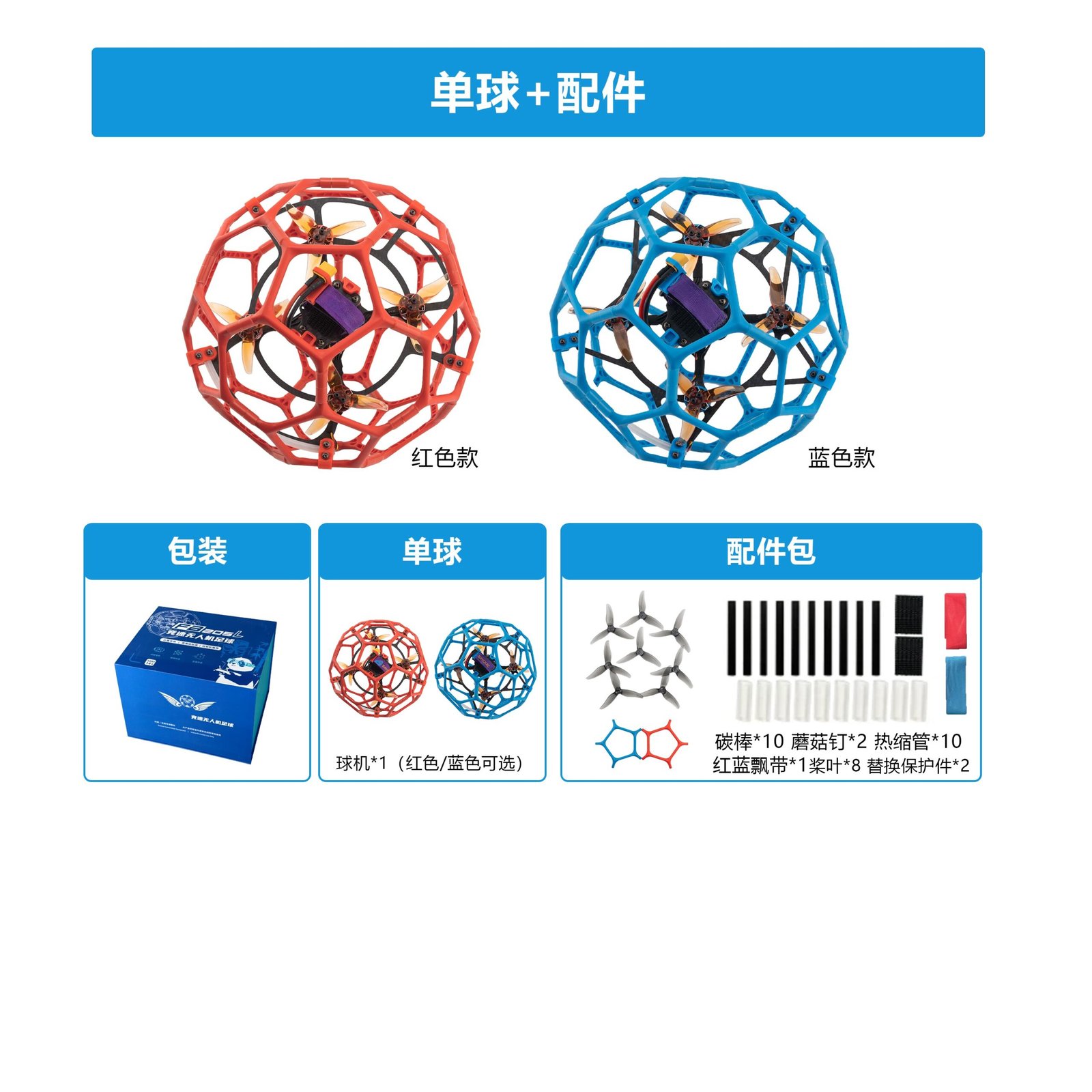
In pairs, students fly in a line, passing the ball back and forth while moving forward. This simulates game conditions where passing occurs on the move. Emphasize communication and anticipation. Use lightweight balls (like those in our drone soccer systems) to ensure safety and control.
3. Obstacle Passing
Place obstacles (cones or hoops) between passing partners. Students must navigate around obstacles while completing passes. This enhances spatial awareness and decision-making under constraints. Safety note: ensure obstacles are soft and flight areas are clear.
Goal Scoring Drills for Accuracy and Pressure
Goal scoring requires hitting a target, often a goal ring, while under defensive pressure. These drills focus on accuracy, power, and strategic play.
1. Static Target Practice
Set up a goal ring at varying distances. Students take turns attempting to fly the ball through the ring. Start close (2m) and gradually increase distance. Track success rates to monitor improvement. This drill builds basic aiming skills.
2. Moving Target Drill
Have a coach or student move the goal ring slowly side-to-side. Students must time their shot to pass through the moving target. This improves anticipation and timing, crucial for game scenarios. Use a lightweight ball to prevent damage.
3. Defended Goal Simulation
Pair students: one attacker, one defender. The attacker tries to score while the defender attempts to block. This teaches offensive strategies and ball control under pressure. Rotate roles frequently. Emphasize safety: maintain safe distances and use protective gear if necessary.
Integrating Safety into Every Drill
Safety is paramount in youth drone training. Each drill should begin with a safety briefing, pre-flight checks, and establishment of flight boundaries. The FAA provides resources for educational users, including guidance on regulations and safety practices (FAA Educational Users). Additionally, consider designating a safety officer (coach or senior student) to oversee flights and enforce rules.
Pre-Flight Checklist for Drills
- Inspect drones for damage (propellers, frame, battery).
- Ensure batteries are charged and securely attached.
- Verify flight area is clear of obstacles and bystanders.
- Check that all students understand the drill and safety rules.
- Confirm communication channels (if using radios).
- Have a first-aid kit and fire extinguisher nearby.
Progressive Skill Building and Safety
Introduce drills in order of difficulty, ensuring students master basic control before advancing. This reduces risk and builds confidence. For more on safety and training, see our drone soccer clubs resource.
Comparison of Drills: Passing vs. Goal Scoring
The table below summarizes key differences and benefits of passing and goal scoring drills to help coaches plan sessions.
| Drill Type | Primary Focus | Skills Developed | Safety Considerations |
|---|---|---|---|
| Precision Hover and Short Pass | Passing accuracy | Throttle control, precision, communication | Low speed, clear area |
| Moving Pass Relay | Passing on the move | Teamwork, anticipation, coordination | Maintain spacing, soft balls |
| Obstacle Passing | Spatial awareness | Navigation, decision-making | Soft obstacles, controlled speed |
| Static Target Practice | Goal scoring accuracy | Aiming, consistency | Safe distance, backstop |
| Moving Target Drill | Timing and anticipation | Tracking, prediction | Controlled target movement |
| Defended Goal Simulation | Scoring under pressure | Offensive strategy, ball control | Safe distances, protective gear |
Each drill targets specific skills while maintaining safety. Coaches should adapt drills to the age and skill level of participants.
Common Mistakes to Avoid
- Neglecting pre-flight checks, leading to equipment failure.
- Overcrowding flight areas, increasing collision risk.
- Skipping basic control drills and advancing too quickly.
- Using inappropriate equipment (e.g., heavy balls) that can cause injury.
- Failing to enforce safety rules consistently.
Procurement Checklist for Schools and Clubs
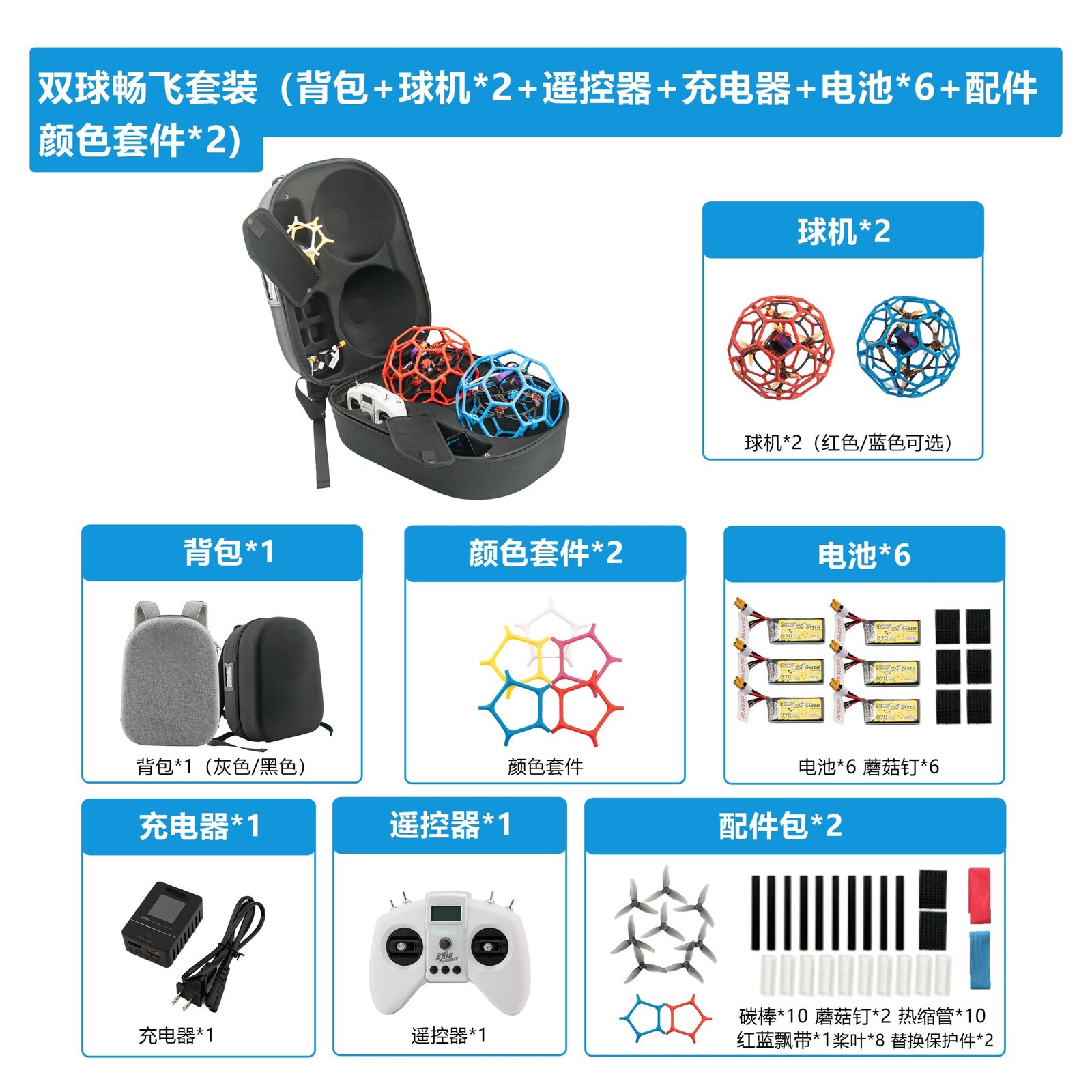
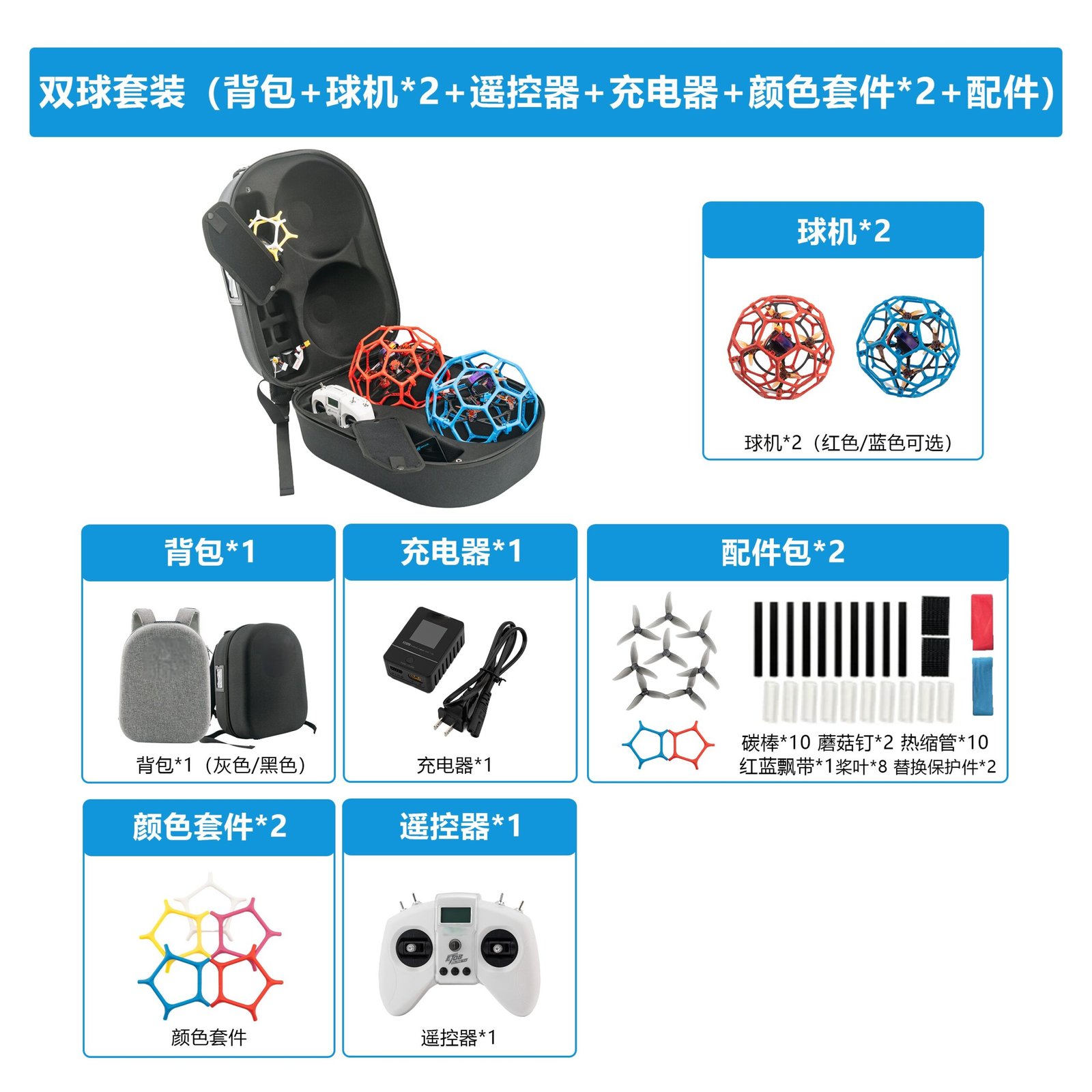
When selecting drones and accessories for training, consider the following:
- Durability: drones should withstand frequent crashes.
- Safety features: propeller guards, lightweight frames, and easy emergency stop.
- Compatibility: ensure parts and accessories are available.
- Scalability: can the system accommodate multiple students?
- Support: does the supplier offer training or technical support?
- Regulatory compliance: confirm drones meet local regulations (e.g., Remote ID).
For schools and training organizations, it’s advisable to request samples or pilot programs to evaluate equipment. Also, confirm warranty and support terms in writing.
Ready to equip your program? Request a School Program Quote to discuss your needs.
FAQs
1. What age can students start drone soccer training?
Most programs start around age 8-10, focusing on basic control and safety. Always assess maturity and follow local regulations.
2. How often should drills be practiced?
2-3 times per week for 30-60 minutes, with emphasis on consistency and gradual progression.
3. What safety gear is recommended?
Safety glasses for all participants, and gloves for those handling drones. Ensure a first-aid kit is available.
4. Can these drills be done indoors?
Yes, in a gymnasium or large room with high ceilings. Ensure netting or barriers to protect spectators.
5. How do I choose the right drone for my program?
Consider durability, safety features, and age-appropriateness. Consult with suppliers like DPF for recommendations. See our schools and training organizations page for more.
6. Are there regulations for drone soccer in schools?
In the US, educational drone use may fall under FAA Part 107 or the recreational exception. Check the FAA’s educational users page for details.
7. How can I integrate drone soccer into STEM curriculum?
Use drone soccer to teach physics, engineering, and teamwork. Our STEM drone education and training resources provide guidance.
Conclusion
Improving passing and goal scoring in drone soccer requires a structured approach combining technical drills, safety practices, and teamwork. By implementing the drills outlined above and prioritizing safety, schools and clubs can develop skilled, confident players. Remember to choose equipment that suits your program’s needs and always confirm commercial terms in writing. For personalized advice and to explore drone soccer systems, contact DPF today. Request a School Program Quote to get started.