Quick summary
Measuring current draw and battery sag means logging the amps your drone pulls and the voltage drop under load, then comparing those numbers with the battery’s rated capacity and C-rating. For a team, the practical method is a controlled hover or race-pace test with a watt meter, power analyzer or flight-log data, repeated with each candidate power combo and battery. That gives you real flight-time estimates and shows whether the battery is being over-stressed.
Key Takeaways
- Current draw is best measured in real flight or a restrained test with a watt meter, power analyzer or ESC telemetry; bench no-load amps tell you very little.
- Battery sag is the voltage drop under load: compare resting voltage, loaded voltage and recovery voltage after the test.
- Use the same prop, battery and throttle profile when comparing power combos, otherwise the data is not comparable.
- Match battery C-rating and capacity to the measured continuous and peak current, not to marketing claims.
- For club purchasing, ask suppliers for test method and data format in writing before committing to a power combo.
Why current draw and battery sag matter for schools and drone soccer teams
Drone soccer and school programs run many identical aircraft, often with young pilots and tight budgets. Current draw tells you how hard the propulsion system is working; battery sag tells you how much usable voltage remains under that load. Together they explain why two aircraft with the same nominal battery can have very different flight times and why some packs puff or fade early.
For a team, this is not lab science. A repeatable test protocol that any coach or senior student can run is more useful than a one-off bench measurement. The goal is to compare candidate power combos and flight time under identical conditions, then buy the combination that meets your event duration and safety margin.
What you need before you start
Gather measurement tools and define a test aircraft. Keep the airframe, props and battery chemistry constant while you change one variable at a time.
- Watt meter or power analyzer inline between battery and power distribution, rated above your expected peak current.
- ESC telemetry or flight controller logging if your stack supports current and voltage sensing.
- Battery checker for resting and recovery voltage per cell.
- Timer and throttle protocol so each run follows the same profile.
- Safe test area with prop guards or a restrained test stand rated for the thrust.
If you are building a fleet, standardize the measurement setup. A shared test rig and a simple spreadsheet template avoid the common problem of comparing one club’s numbers with another’s under different conditions.
How to measure current draw step by step
Measure current under realistic load, not at no-load. The most useful number for power combos and flight time is average current at your event’s typical throttle, plus the peak current during starts and manoeuvres.
1. Set a baseline hover or cruise test
Fly or restrain the aircraft at a fixed throttle for a fixed time, for example 60 seconds at hover. Record average current, peak current and starting voltage. Repeat at race pace if your events require it.
2. Log the data
If you use a watt meter, note the amp-hours consumed and the minimum voltage seen. If you use ESC telemetry, export the log and calculate the average and 95th-percentile current. Both methods are acceptable; consistency matters more than the tool.
3. Repeat with each candidate combo
Change one thing at a time: propeller, motor KV or battery capacity. Keep the flight profile identical. After three runs you will see which combo draws less current for the same thrust, which is the one likely to deliver longer flight time in your events.
How to measure battery sag correctly
Battery sag is the gap between resting voltage and voltage under load. Measure it in three states: before the run, at the end of the loaded run, and after a short rest.
Resting voltage
Check each cell after the pack has rested. This is your baseline. A 4.20 V/cell pack that reads 4.10 V/cell after storage has already lost usable energy.
Loaded voltage
Record the minimum voltage during the test. A large drop, for example from 4.20 V to 3.5 V/cell at high throttle, indicates the pack is being pushed hard or has a low C-rating for the load.
Recovery voltage
After the load stops, the voltage rebounds. Compare the rebound with the loaded minimum. A large rebound suggests high internal resistance, which usually means the pack is undersized or ageing.
Lithium-ion packs can overheat and enter thermal runaway if damaged, overheated, overcharged or improperly packed, according to the U.S. Federal Aviation Administration’s lithium battery guidance (https://www.faa.gov/hazmat/packsafe/lithium-batteries). That guidance is written for air travel, but the underlying caution applies to any club charging and testing regime: protect terminals, avoid damaged packs and never test a suspect battery. Follow your local rules and the battery manufacturer’s instructions.
Turning measurements into power combo and flight time decisions
Once you have current and sag data, you can compare power combos on evidence rather than guesswork. The table below shows how the same aircraft class can behave differently with different battery and prop choices. It is illustrative, not a guarantee of your results.
| Scenario | Average current (illustrative) | Voltage sag under load | Likely effect on flight time | Team action |
|---|---|---|---|---|
| Small prop, moderate KV, high-capacity pack | Lower | Small | Longer gentle flight; less punch | Good for training sessions |
| Large prop, high KV, same pack | Higher | Large | Shorter flight; more heat and stress | Check ESC and motor ratings |
| Same combo with higher C-rating pack | Similar | Smaller | Slightly longer usable time; more consistent | Compare cost per flight minute |
| Ageing pack with same combo | Higher for same thrust | Larger | Shorter and less predictable | Retire or relegate to practice |
Use the measured average current to estimate flight time: capacity in amp-hours divided by average current gives hours, then multiply by 60 for minutes. Leave a safety margin so pilots are not flying to cutoff. For youth programs, plan shorter flights and more swaps rather than pushing packs to the limit.
When matching motors, props and batteries, avoid choosing each part in isolation. The interaction between KV, prop load and pack voltage determines current draw. Our guide to motor, propeller and battery matching explains the relationships, and the motor and propulsion matching service page describes how OEM teams can ask for a matched set rather than parts picked separately.
Common mistakes when testing battery sag and current draw
- Testing a fresh pack only. Ageing packs show the real sag your team will see in competition.
- Comparing different props or throttle profiles. The data becomes meaningless.
- Ignoring peak current. ESCs and connectors fail on peaks, not averages.
- Using nominal voltage for calculations. Use measured loaded voltage and measured capacity consumed.
- Charging and testing unattended. Follow the battery manufacturer’s safety instructions and local rules.
Procurement checklist for clubs and schools
Use this checklist when discussing power combos and flight time with a supplier. It separates general guidance from commercial terms you should confirm in writing.
- Ask for the recommended continuous and burst current for the ESC and motor in the combo.
- Ask for the test method used to quote flight time, and whether it was hover, race pace or bench.
- Request the battery C-rating and capacity basis for the claimed flight time.
- Confirm connector type, wire gauge and whether the combo includes a power distribution board.
- Ask what data the supplier can provide, for example log files or a test summary, and in what format.
- Confirm lead time, minimum order quantity and warranty terms in writing before ordering; do not rely on verbal assurances.
- For OEM/ODM projects, ask how the supplier will validate the motor, prop and battery match for your airframe.
For fleet buyers, it also helps to ask for a small sample set so your own team can run the test protocol before committing to a season’s order. Our propulsion combo kits and FPV motors pages show the categories available; specific ratings and test data should be requested from the sales team.
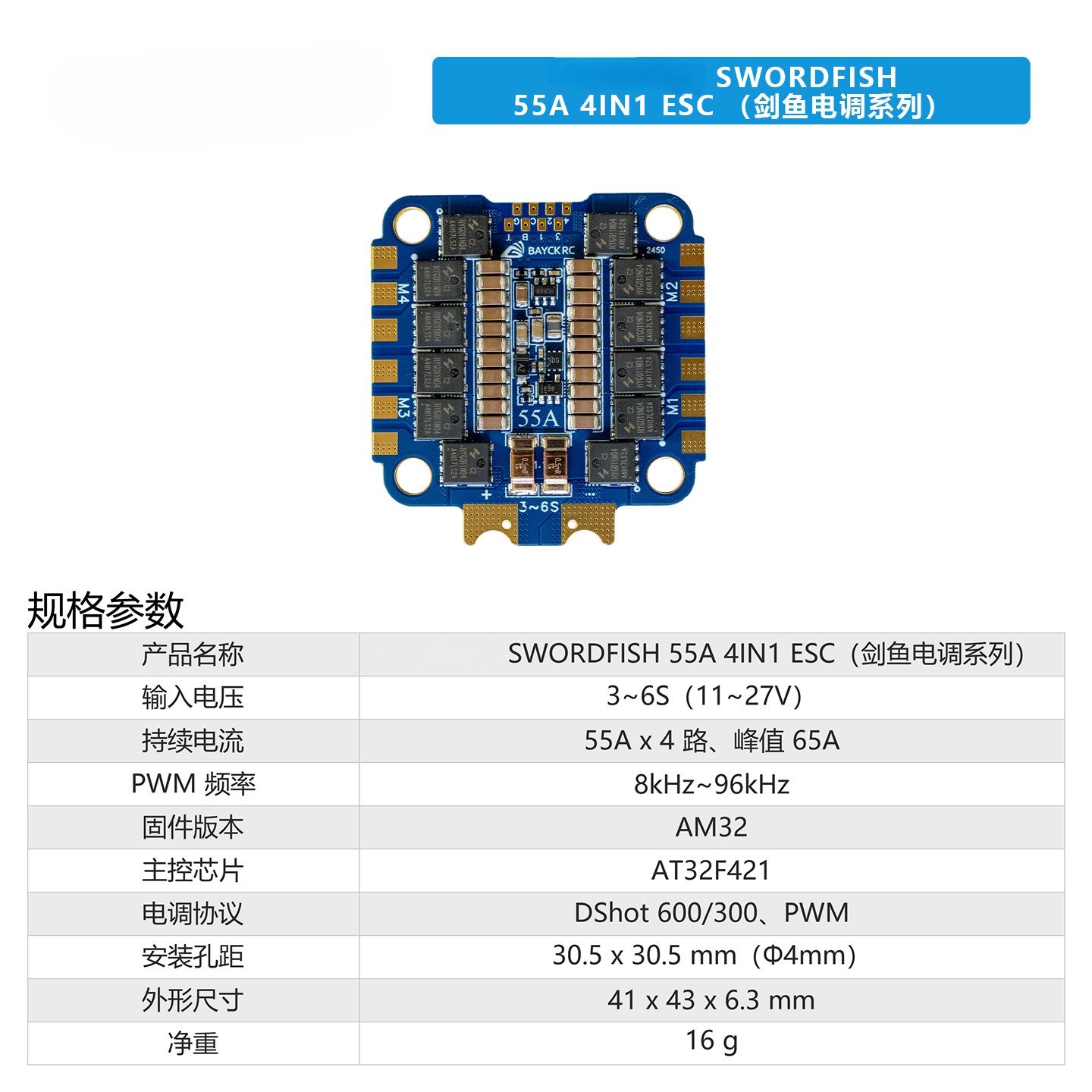
Ready to compare combos for your team? Discuss your power combo requirements with Drone Parts Factory and ask for the test data and commercial terms you need.
Frequently asked questions
Can I measure current draw with a standard multimeter?
Most handheld multimeters are not rated for the continuous current of an FPV power system and can be damaged. Use a watt meter or power analyzer rated above your peak current, or use ESC telemetry.
What is a normal battery sag for a drone soccer pack?
There is no universal number. Sag depends on load, pack C-rating, capacity, temperature and age. Record your own baseline and compare packs under identical conditions; treat large or growing sag as a reason to inspect or retire the pack.
How do I estimate flight time from current draw?
Divide usable capacity in amp-hours by measured average current in amps to get hours, then multiply by 60. Use measured capacity rather than label capacity, and keep a safety margin.
Does a higher C-rating always mean longer flight time?
No. A higher C-rating can reduce sag and improve consistency, but the energy available still depends on capacity and the load. Compare cost per flight minute rather than C-rating alone.
How often should a club repeat these tests?
Repeat when you change a component, when a pack ages, and before a new season. Keep records so you can see trends rather than single readings.
Can the supplier provide the test data for a power combo?
Ask. Test method, data format and the conditions used for any flight-time claim should be confirmed in writing. Do not assume a quoted flight time applies to your airframe or event pace.
Is this testing safe for school programs?
Only with adult supervision, appropriate safety equipment and a test area that protects people from spinning props. Follow battery manufacturer instructions and local rules, and never test a damaged or swollen pack.
Conclusion
Measuring current draw and battery sag is the most practical way for schools, clubs and teams to compare power combos and flight time. Define a repeatable test, log real load data, and use it to choose batteries and propulsion systems that match your event duration and safety margin. For purchasing, ask suppliers for the test method and data in writing, and validate samples before a fleet order. To start a conversation about your team’s requirements, Request a Team Kit Quote.