Quick summary
Drone soccer goalkeepers need drills that build spatial awareness, quick reaction time, and precise control under pressure. Effective youth drone training and safety sessions combine simple block-and-clear drills, reaction games, positioning exercises, and safety-first routines. Focus on repeatable, low-risk drills that reinforce safe flight habits, battery management, and teamwork—not just scoring. These sessions help students develop skills transferable to competitions while keeping safety central.
Key Takeaways
- Goalkeeper drills in drone soccer should prioritize safety and control before speed.
- Use progressive drills: start with static blocking, then move to reactive and match-like scenarios.
- Incorporate battery and pre-flight checks as part of every goalkeeper training routine.
- Reaction and positioning drills translate directly to better match performance.
- Always verify local regulations for youth drone training and safety compliance, such as FAA guidelines for educational use.
Why Goalkeeper Drills Are Different in Drone Soccer
In drone soccer, the goalkeeper is not just a defender—they are the last line of defense in a fast-paced, three-dimensional game. Unlike traditional soccer, the goalkeeper must track a flying ball, anticipate trajectories, and execute precise blocking maneuvers while managing drone controls. This demands a unique blend of hand-eye coordination, spatial reasoning, and calm decision-making under pressure. For schools and youth programs, drills must also reinforce safety protocols, as students are flying drones in close proximity. Good drills build both skill and safety awareness, ensuring that young pilots learn to fly responsibly while having fun.
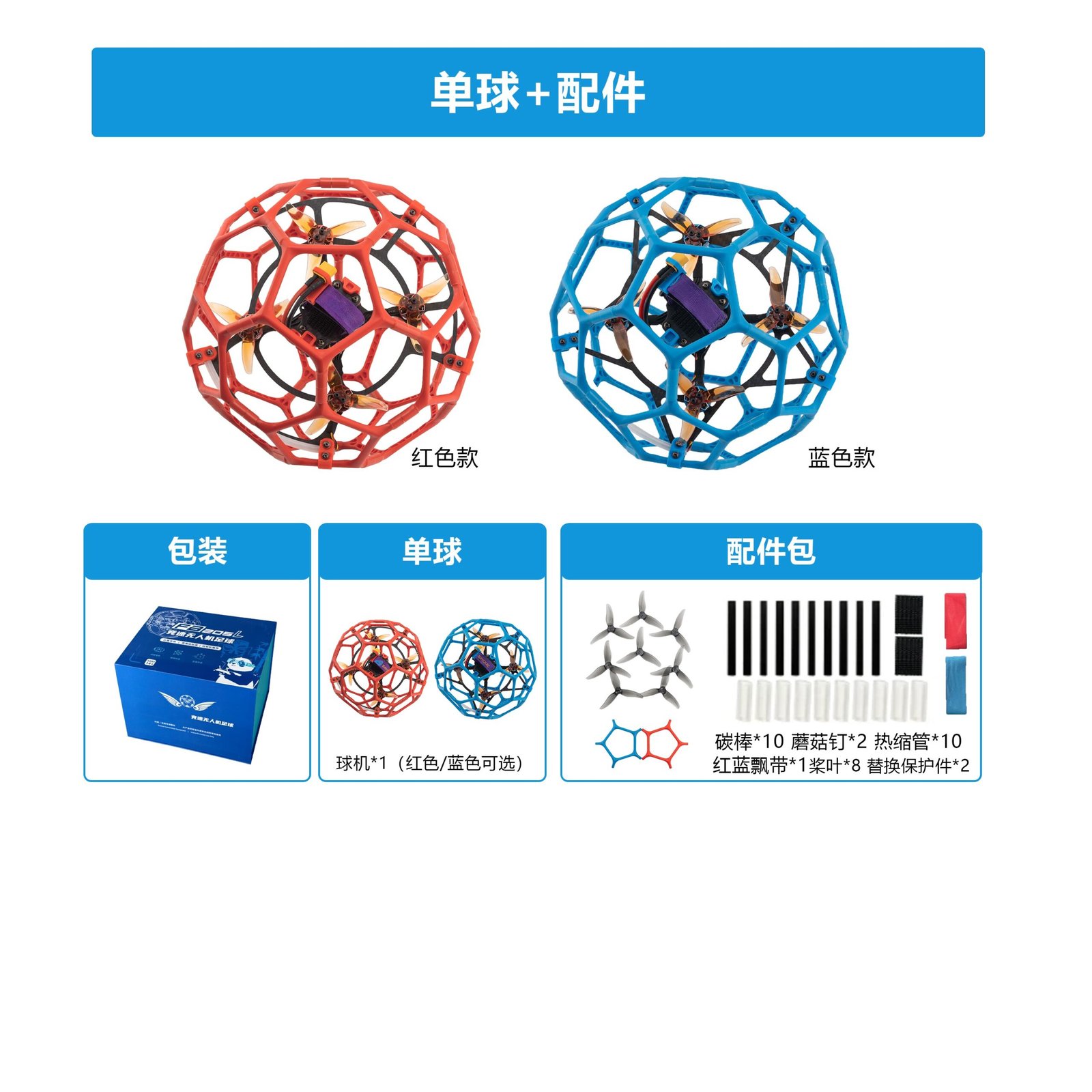
Core Goalkeeper Drills for Youth Drone Training and Safety
1. Static Block and Clear Drill (Beginner)
Purpose: Teach basic positioning and blocking technique without the pressure of a moving opponent. Students learn to hover steadily, align with the ball, and use controlled movements to deflect.
Setup: Place a ball on a tee or stationary holder at a set distance from the goal. The goalkeeper practices flying their drone to block the ball from a fixed position. Focus on smooth, deliberate movements—no erratic flying. Emphasize safety checks before each attempt.
Progression: Once comfortable, introduce gentle pushes of the ball toward the goal to simulate a slow-moving threat.
2. Reaction Gate Drill (Intermediate)
Purpose: Improve reaction time and decision-making. The goalkeeper must respond to unpredictable ball launches.
Setup: Use a launcher or a coach to roll or toss the ball toward the goal from varying angles and speeds. The goalkeeper must react quickly and position their drone to intercept. Start with predictable trajectories and gradually increase randomness. Incorporate verbal cues (e.g., “left,” “right”) to build communication.
Safety note: Ensure adequate spacing and use softer balls or foam balls to reduce impact risk.

3. Positioning and Angles Drill (Intermediate)
Purpose: Teach goalkeepers to anticipate shot angles and position themselves optimally.
Setup: Place cones or markers at different shooting positions around the goal. The goalkeeper must adjust their drone position based on the ball’s location. Use a partner to move the ball between positions while the goalkeeper mirrors the movement. This drill enhances spatial awareness and defensive coverage.
4. Battery Management and Pre-Flight Routine (All Levels)
Purpose: Instill safe habits and ensure drones are always ready for play.
Setup: Before every drill, have students perform a pre-flight checklist: check battery levels, propellers, and firmware. During drills, practice swapping batteries quickly and safely. This drill integrates youth drone training and safety into every session, reinforcing that safety is part of skill development.
Comparison Table: Drill Types and Focus Areas
| Drill | Primary Focus | Skill Level | Duration | Safety Emphasis |
|---|---|---|---|---|
| Static Block and Clear | Basic positioning, control | Beginner | 10-15 min | Pre-flight checks, hovering stability |
| Reaction Gate | Reaction time, decision-making | Intermediate | 15-20 min | Spacing, soft balls, verbal cues |
| Positioning and Angles | Spatial awareness, anticipation | Intermediate | 15-20 min | Controlled movements, cone setup |
| Battery Management | Safety routines, readiness | All levels | 5-10 min | Battery handling, equipment checks |
| Match Simulation | Full integration under pressure | Advanced | 20-30 min | Full safety gear, supervised play |
Common Mistakes in Goalkeeper Training
- Skipping safety checks: Rushing into drills without pre-flight routines increases risk. Make safety checks non-negotiable.
- Overcomplicating early drills: Beginners need simple, repeatable tasks before adding complexity.
- Ignoring communication: Goalkeepers must coordinate with defenders; drills should include verbal and non-verbal cues.
- Neglecting battery management: Running out of battery mid-drill disrupts training and can lead to unsafe landings.
- Insufficient supervision: Always have a coach or trained adult overseeing youth drone activities.
Procurement Checklist for Schools and Clubs
When selecting drones and accessories for goalkeeper training, consider:
- Durability: Drones should withstand frequent bumps and blocks.
- Safety features: Propeller guards, sturdy frames, and easy-to-use controllers.
- Battery life and swap speed: Quick-swap batteries keep training sessions flowing.
- Compatibility: Ensure drones work with existing drone soccer systems and accessories.
- Regulatory compliance: Verify that drones meet local regulations for educational use. For example, in the US, the FAA provides guidance on educational use of drones, including recreational exceptions and Part 107 rules.
- Warranty and support: Request written confirmation of warranty terms, lead times, and MOQs from suppliers.
For schools and training organizations looking to equip their programs, explore our schools and training organizations solutions.
Frequently Asked Questions (FAQs)
1. How often should goalkeepers practice?
2-3 times per week is ideal for skill retention, with each session lasting 45-60 minutes including warm-up and safety drills.
2. What age is appropriate for drone soccer goalkeeper training?
Most programs start at age 10-12, depending on local regulations and maturity. Always check guidelines for youth drone training and safety.
3. Do we need special insurance for drone soccer?
Yes, many schools require liability insurance. Check with your district and verify coverage for drone activities.
4. Can these drills be done indoors?
Yes, with adequate ceiling height and safety netting. Indoor drills are great for controlled environments.
5. How do we ensure safety during goalkeeper drills?
Implement strict pre-flight checks, use propeller guards, maintain safe distances, and always have a trained supervisor.
6. What drone features are best for goalkeepers?
Responsive controls, durable frames, and stable hovering capabilities are key. Consult with suppliers like DPF for recommendations.
7. Are there regulations for youth drone training?
Yes, in the US, the FAA regulates educational drone use. Review the FAA’s educational users page for details.
Conclusion
Goalkeeper drills are essential for building confident, skilled drone soccer players. By integrating safety into every drill and following a progressive training plan, schools and clubs can develop strong goalkeepers while keeping students safe. Remember to verify equipment specifications and regulatory compliance with your supplier.
Ready to equip your team? Request a School Program Quote to discuss your needs.