Quick summary
To choose battery size for your motors, match voltage to your motor KV and ESC rating, select capacity for your target flight time, and ensure the C-rating meets your motor’s current draw. For drone soccer teams, prioritize a balanced power combo—motor, propeller, ESC, and battery—that fits within league weight and voltage rules, then verify flight time through testing with your actual components.
Key Takeaways
- Battery voltage must match motor KV and ESC voltage limits to avoid overheating or failure.
- Capacity affects flight time; higher capacity adds weight, so find the sweet spot for your drone soccer maneuvers.
- C-rating must exceed your motor’s max current draw to prevent voltage sag and battery damage.
- Use a power combo (motor, propeller, ESC, battery) tested together for predictable performance.
- Always confirm battery shipping rules and verify specifications with suppliers in writing.
Understanding Motor and Battery Matching
Battery sizing starts with understanding how your motor’s KV rating (RPM per volt) interacts with battery voltage. A higher voltage battery increases motor RPM, which can boost thrust but also draw more current. If the current exceeds your ESC or battery rating, you risk overheating or failure.
For example, a 6S (22.2V) battery on a 2400KV motor will spin much faster than on 4S (14.8V), potentially exceeding the motor’s power handling. Always check the motor’s recommended voltage range and ESC’s continuous current rating. Our motor, propeller and battery matching guide provides a systematic approach to this balance.
Voltage and KV Relationship
Motors are designed for specific voltage ranges. Using a battery outside that range can cause excessive heat, reduced efficiency, or failure. For drone soccer, where rapid acceleration and agility matter, choose a voltage that provides the thrust needed without overstressing components.
Current Draw and C-Rating
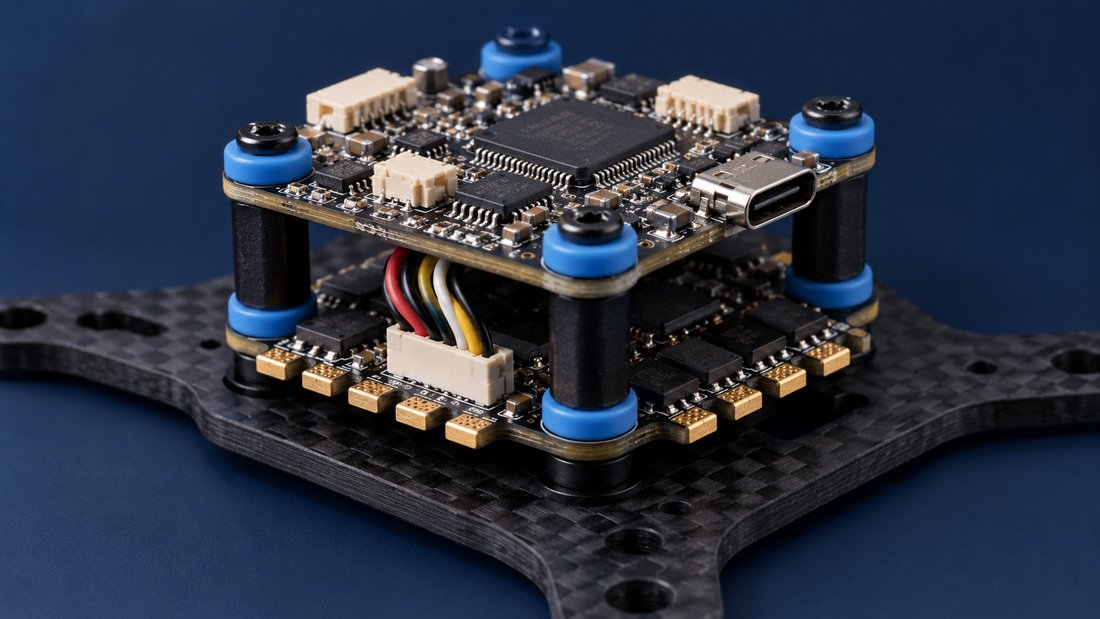
C-rating indicates how quickly a battery can deliver current safely. Multiply the C-rating by capacity (in Ah) to get max continuous amps. For instance, a 1500mAh 100C battery can deliver 150A. Ensure this exceeds your motor’s peak current draw. If your motors pull 30A each on a 4-motor craft, you need at least 120A total; a battery with insufficient C-rating will sag under load, reducing performance and lifespan.
Calculating Flight Time and Capacity Needs
Flight time depends on capacity, weight, and efficiency. As a rule of thumb, doubling capacity can increase flight time by roughly 40-50% because added weight reduces efficiency. For drone soccer, matches are short (typically 3-7 minutes), but practice sessions need longer flight times. Choose capacity that covers your longest expected run while staying within weight limits.
Use this formula for a rough estimate: Flight time (minutes) ≈ (Battery capacity in Ah × 60) / Average current draw in amps. For example, a 1500mAh (1.5Ah) battery with an average draw of 20A gives about 4.5 minutes. Adjust based on your flying style and drone soccer maneuvers.
Weight Trade-offs
Every gram counts in drone soccer. Larger batteries add weight, reducing agility and increasing current draw. Test different capacities to find the best balance for your team’s strategy. A propulsion combo kit can simplify this by providing matched components.
Power Combos: The Smart Approach
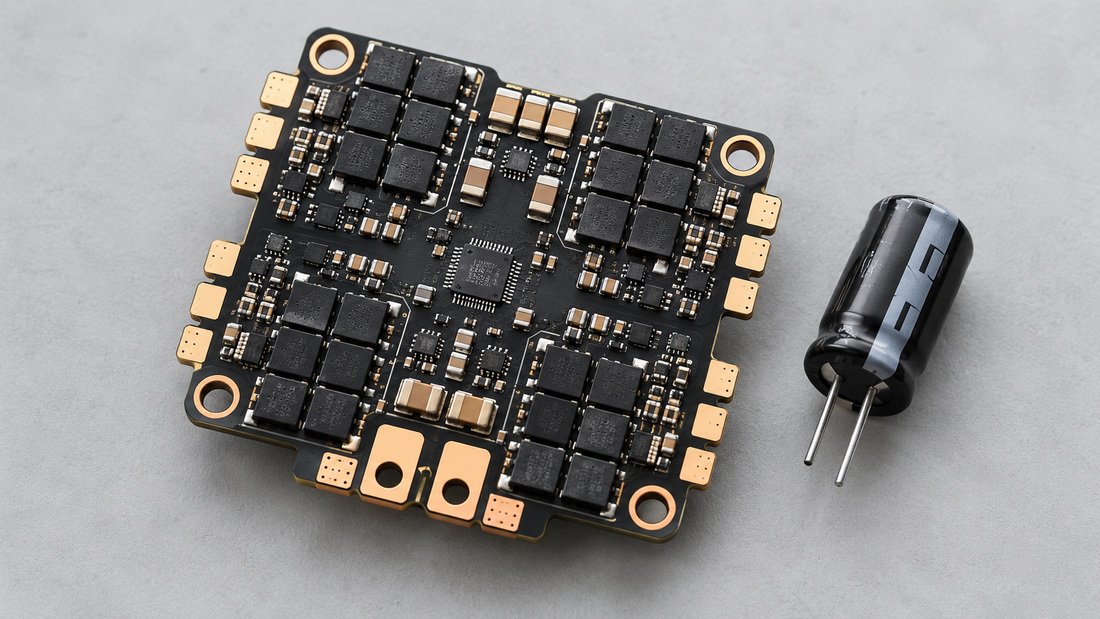
A power combo bundles motor, propeller, ESC, and sometimes battery, tested together for optimal performance. This reduces guesswork and ensures compatibility. For teams, standardizing on a combo simplifies maintenance and spare parts. DPF offers propulsion combo kits and FPV motors that can be mixed and matched; our motor and propulsion matching service helps customize for your needs.
Comparing Battery Options
Below is a comparison of common battery configurations for drone soccer (illustrative; actual performance depends on specific components):
| Configuration | Voltage (S) | Capacity (mAh) | Weight (g) | Typical Flight Time | Best For |
|---|---|---|---|---|---|
| Lightweight | 4S | 850-1000 | 80-100 | 3-4 min | Agility, short matches |
| Balanced | 4S | 1300-1500 | 150-180 | 4-5 min | All-around performance |
| Endurance | 4S | 1800-2200 | 220-280 | 5-6 min | Practice, longer flights |
| High Voltage | 6S | 1000-1300 | 180-220 | 4-5 min | High thrust, expert pilots |
Note: These are general guidelines; always test with your specific setup. For 6S, ensure motors and ESCs are rated for higher voltage.
Practical Procurement Checklist
Before purchasing batteries for your team, use this checklist:
- Voltage match: Confirm battery voltage aligns with motor KV and ESC rating.
- Capacity vs. weight: Weigh options against your drone’s weight limit and desired flight time.
- C-rating: Ensure battery’s continuous discharge exceeds motor’s max current draw.
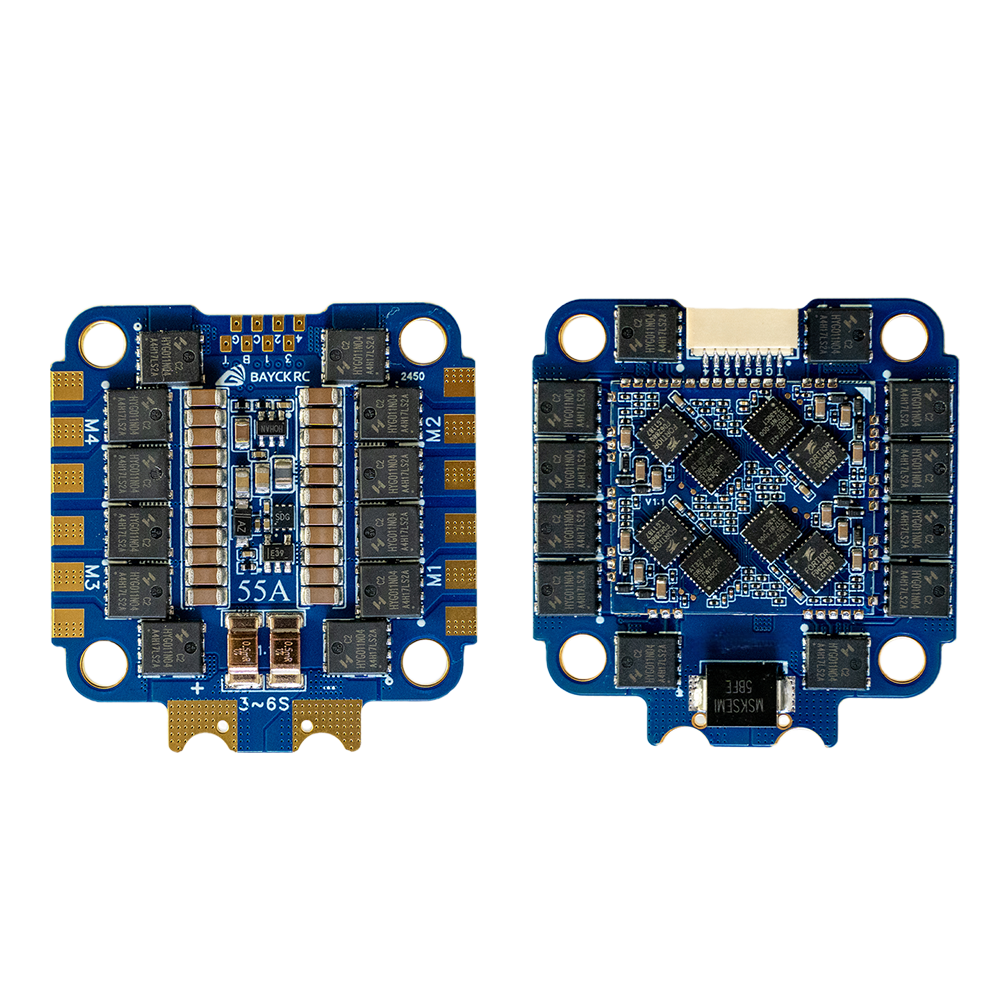
- Connector type: Match battery connector to your ESC (e.g., XT60, XT90).
- Physical dimensions: Check battery fits your frame without compromising balance.
- Safety certifications: Ask supplier for documentation on safety testing; lithium batteries require safety testing.
- Shipping compliance: Verify battery shipping regulations; spare lithium batteries must be in carry-on baggage only when flying.
- Bulk pricing and MOQ: For teams, request quotes for multiple units; confirm MOQ and lead times in writing.
For detailed compatibility, refer to our motor, propeller and battery matching center.
Common Mistakes to Avoid
- Ignoring C-rating: A low C-rating causes voltage sag, reducing power and damaging cells.
- Overvolting motors: Exceeding recommended voltage can burn out motors or ESCs.
- Choosing capacity by guesswork: Always calculate based on your average current draw and test.
- Neglecting weight: Heavier batteries reduce agility, critical in drone soccer.
- Skipping safety checks: Lithium batteries can overheat or undergo thermal runaway if damaged or improperly used.
Frequently Asked Questions
1. How do I calculate the right battery capacity for my drone soccer drone?
Estimate average current draw from your motor/propeller combo, then use the formula: Capacity (Ah) = (Flight time in minutes × Current draw in amps) / 60. Add a margin for safety and test.
2. Can I use a higher C-rating battery than needed?
Yes, a higher C-rating is safe and can provide headroom, but it may add weight and cost. Match to your needs.
3. What voltage is best for drone soccer?
Most drone soccer leagues use 4S or 6S. Check your league rules and motor specs. 4S is common for beginner teams, while 6S offers more power for advanced pilots.
4. How do I ensure my battery is safe to use?
Inspect for damage, avoid overcharging, and store at recommended voltage. Lithium batteries must undergo safety testing; ask your supplier for documentation. Never use a damaged battery.
5. What are the shipping restrictions for lithium batteries?
Spare lithium batteries must be carried in carry-on baggage only when flying, and terminals must be protected from short circuit. For shipping, follow carrier regulations and declare correctly. See FAA guidelines for details.
6. Should I buy a power combo or separate components?
Power combos simplify matching and often save time. For custom needs, separate components offer flexibility. Consult our propulsion combo kits.
7. How can I verify battery specifications before purchase?
Request a datasheet and test reports from the supplier. For commercial terms like MOQ, lead time, and warranty, ask for written confirmation. DPF can provide detailed specs for our products.
Conclusion
Choosing the right battery size for your motors is a balance of voltage, capacity, C-rating, and weight. For drone soccer teams, standardizing on a proven power combo simplifies management and ensures consistent performance. Always test configurations and verify specifications with suppliers.
Ready to equip your team? Request a Team Kit Quote to discuss your specific needs with our team.