Quick summary
Beginner soldering practice projects should be low-cost, low-voltage, and easy to inspect. The best fit for youth drone training and safety is a sequence: practice on scrap copper or dummy components first, then build a simple battery connector harness or LED circuit before touching any drone flight hardware. This keeps learners away from LiPo packs and powered circuits while they build the hand control and inspection habits that later soldering work requires.
Key Takeaways
- Start with no-power practice: scrap PCB pads, wire tinning, and dummy components.
- Move to low-voltage projects such as LED circuits and connector harnesses before any drone flight hardware.
- Keep soldering and battery handling as separate lessons; never solder a connected LiPo pack.
- Use a written pre-flight and post-solder inspection routine to make safety habits visible.
- For schools in the US, check whether the program must operate under the Exception for Limited Recreational Operations or Part 107 before planning outdoor flight lessons; see the FAA educational users page.
What soldering projects are safe and useful for drone beginners?
The safest beginner soldering projects are ones that use low voltage, require no flight battery, and produce a visible result the student can inspect. Good examples include tinning scrap wire, soldering LEDs to a coin-cell holder, building a simple continuity tester, and making a practice connector harness. These projects teach heat control, flux use, and joint inspection without exposing learners to LiPo charging or spinning propellers.
1. Scrap-pad and wire-tinning drills
Give each student a piece of scrap prototyping board or copper-clad board and a short length of insulated wire. The task is to strip the wire, tin both the wire and the pad, then solder them together and inspect the joint. This project costs almost nothing and can be repeated until the student can produce a shiny, concave joint without burning the insulation.
2. LED and coin-cell circuits
A coin-cell holder, a resistor, and a through-hole LED make a low-risk project that still teaches polarity, component orientation, and heat sensitivity. Because the power source is a small coin cell, the consequences of a wiring mistake are limited. Students can test the circuit and resolder a bad joint in the same session.
3. Practice connector harnesses
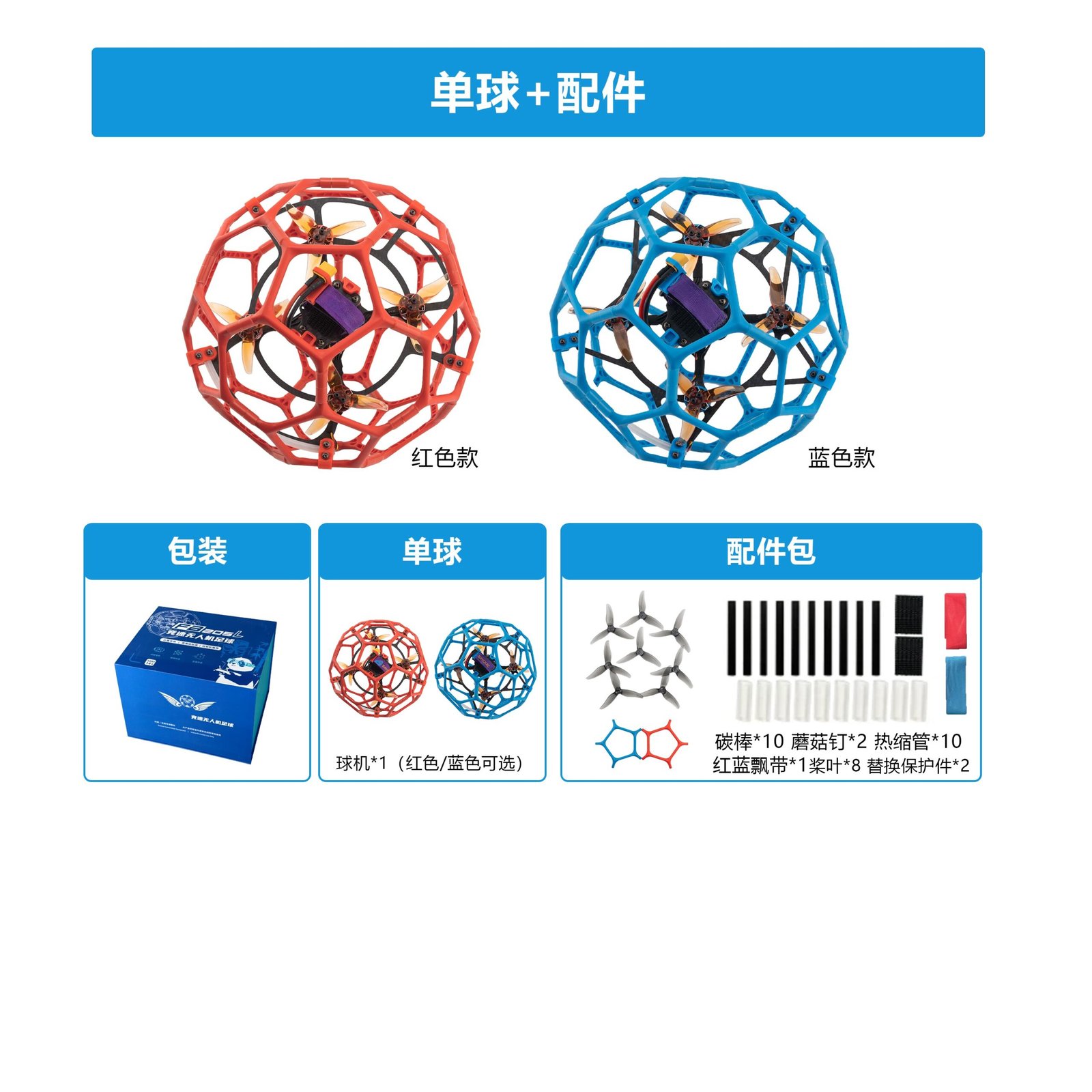
Before students work on a drone power lead, have them build a practice harness from spare wire and unpowered connectors. They can practice stripping, tinning, strain relief, and heat-shrink application. This is the closest safe rehearsal for the connector work they will eventually do on drone soccer systems and accessories.
4. Simple continuity tester
A continuity tester built from a battery holder, a resistor, and an LED teaches students to check their own joints. The tester becomes a reusable classroom tool, and it reinforces the idea that a joint must be electrically verified, not just looked at. Keep the tester low-voltage and store it with the soldering station, not with flight batteries.
5. Dummy practice boards for drone-shaped layouts
Once students can solder consistently, give them a dummy board laid out like a simplified drone power distribution pattern. They can practice routing wires and soldering pads without a real flight controller. This bridges the gap between abstract practice and real drone hardware while keeping the lesson unpowered.
How should youth drone training and safety sequence soldering lessons?
Sequence soldering lessons from no-power to low-power, and from inspection to assembly. A workable order is: tool and PPE orientation, scrap-pad tinning, wire-to-pad joints, LED circuits, connector harnesses, and only then supervised work on unpowered drone hardware. Keep outdoor flight lessons separate from soldering sessions so students are not handling batteries and hot tools in the same block.
| Stage | Project | Power source | Key skill | Supervision level |
|---|---|---|---|---|
| 1 | Scrap-pad tinning | None | Heat control and flux use | Direct |
| 2 | Wire-to-pad joint | None | Joint shape and insulation protection | Direct |
| 3 | LED and coin-cell circuit | Coin cell | Polarity and component heat limits | Direct |
| 4 | Practice connector harness | None | Strain relief and heat-shrink | Direct to periodic |
| 5 | Unpowered drone-shape dummy board | None | Layout awareness and inspection | Periodic |
What soldering safety rules should schools and clubs enforce?
Schools and clubs should enforce a written soldering safety routine that covers ventilation, eye protection, tool return, and battery separation. The routine should be short enough for students to repeat aloud and specific enough that a substitute instructor can enforce it. It should also state clearly that soldering irons never touch a connected battery or a powered circuit.
- Solder at a dedicated station with fume extraction or open ventilation.
- Wear safety glasses when clipping leads or applying heat-shrink.
- Keep LiPo packs and flight batteries in a separate, fire-resistant storage area.
- Never solder a connected battery, and never charge a battery near a soldering station.
- Return irons to stands immediately and unplug stations at the end of the session.
- Inspect every joint under good light and tug-test with gentle force before the circuit is powered.
For US programs, flight rules and soldering safety are separate topics, but both belong in the same risk plan. Teachers planning outdoor lessons should review whether their organization operates under the Exception for Limited Recreational Operations or Part 107, and whether it qualifies for that exception; the FAA educational users guidance explains the conditions and the role of qualifying educational organizations.
Common mistakes in beginner soldering programs
The most common mistakes are starting on real drone hardware too soon, using oversized irons, and skipping joint inspection. Each of these turns a practice project into a repair job and increases the chance that a student damages a pad or a connector. A short, repeated inspection routine prevents most of these problems.
- Starting on flight hardware: students should master scrap-pad joints before touching a drone power lead.
- Using the wrong tip: a large tip on small pads overheats components and lifts copper.
- Skipping flux and cleaning: poor wetting leads to cold joints that fail in flight.
- No strain relief: a good joint can still fail if the wire is not supported.
- Mixing battery handling with soldering: keep these as separate lessons with separate storage.
Buyer checklist: what to specify when sourcing soldering practice supplies
When sourcing soldering practice supplies for a school or club, specify the age group, class size, and whether the projects will feed into a drone soccer or FPV build. Ask suppliers to confirm tool voltage, tip compatibility, consumable pack contents, and safe storage requirements in writing. For drone-specific items such as connectors and accessories, confirm compatibility with the airframes your program uses.
- Iron type and wattage, with a tip size suited to small pads.
- Fume extraction or ventilation plan for the room.
- PPE: safety glasses, heat-resistant mats, and stands.
- Consumables: solder alloy, flux, wick, spare tips, heat-shrink.
- Practice boards or dummy components that do not require flight batteries.
- Storage plan that separates soldering tools from LiPo packs.
- Written confirmation of compatibility for any drone connectors or accessories.
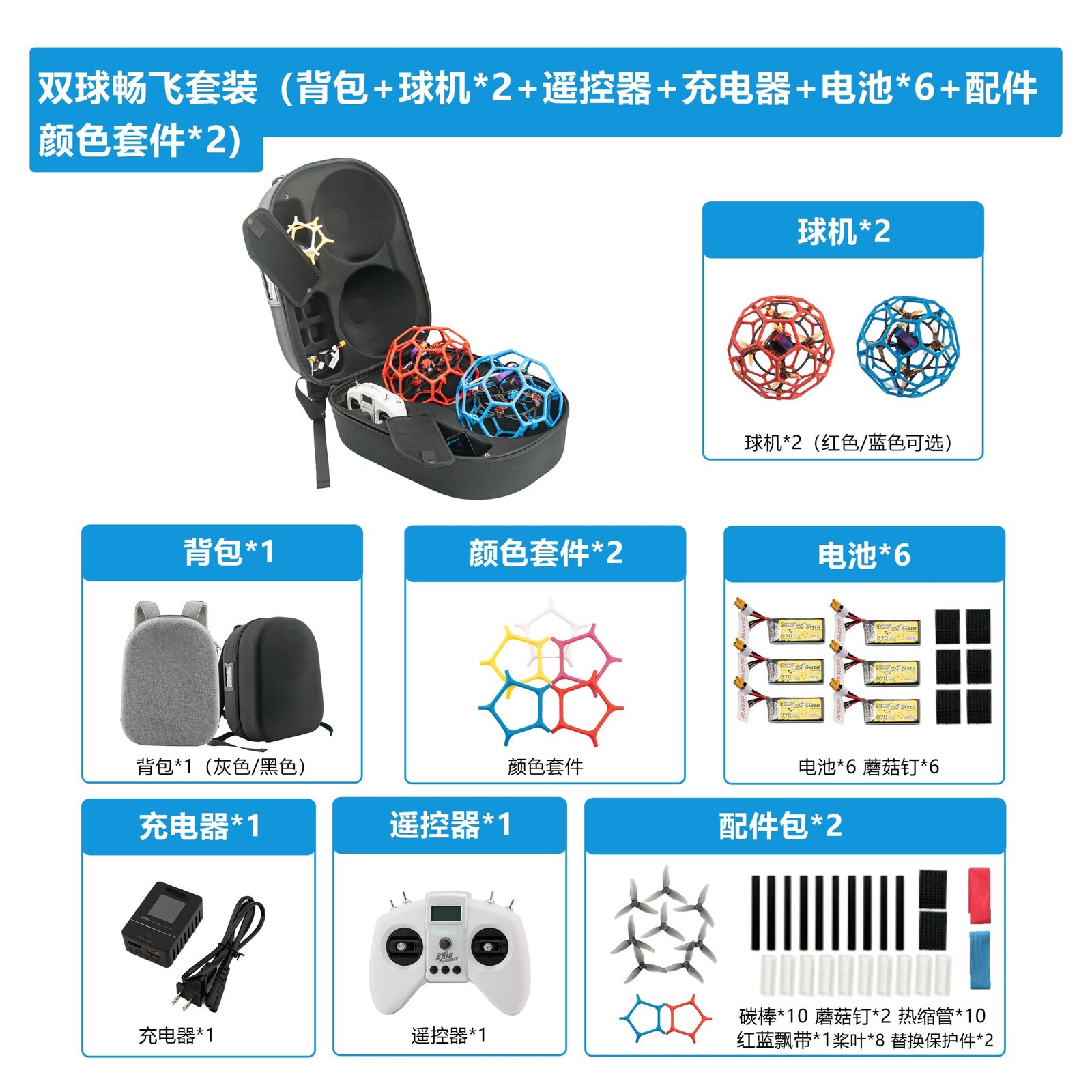
If your program is building toward competition, it helps to align practice projects with the hardware students will later maintain. Review the STEM drone education and training resources and the drone soccer competitions guidance so the soldering curriculum supports the same safety habits used on the field.
Planning a soldering and safety unit for your school or club? Request a School Program Quote to discuss drone soccer and accessory options for your program.
How do soldering skills support drone soccer and flight safety?
Soldering skills support flight safety by teaching students to inspect connections, recognize cold joints, and respect battery separation. In drone soccer, airframes take repeated contact, so a student who can identify a strained wire or a cracked joint is better prepared to flag a problem before the next match. This is a practical safety habit, not a substitute for the manufacturer’s inspection or the program’s own maintenance rules.
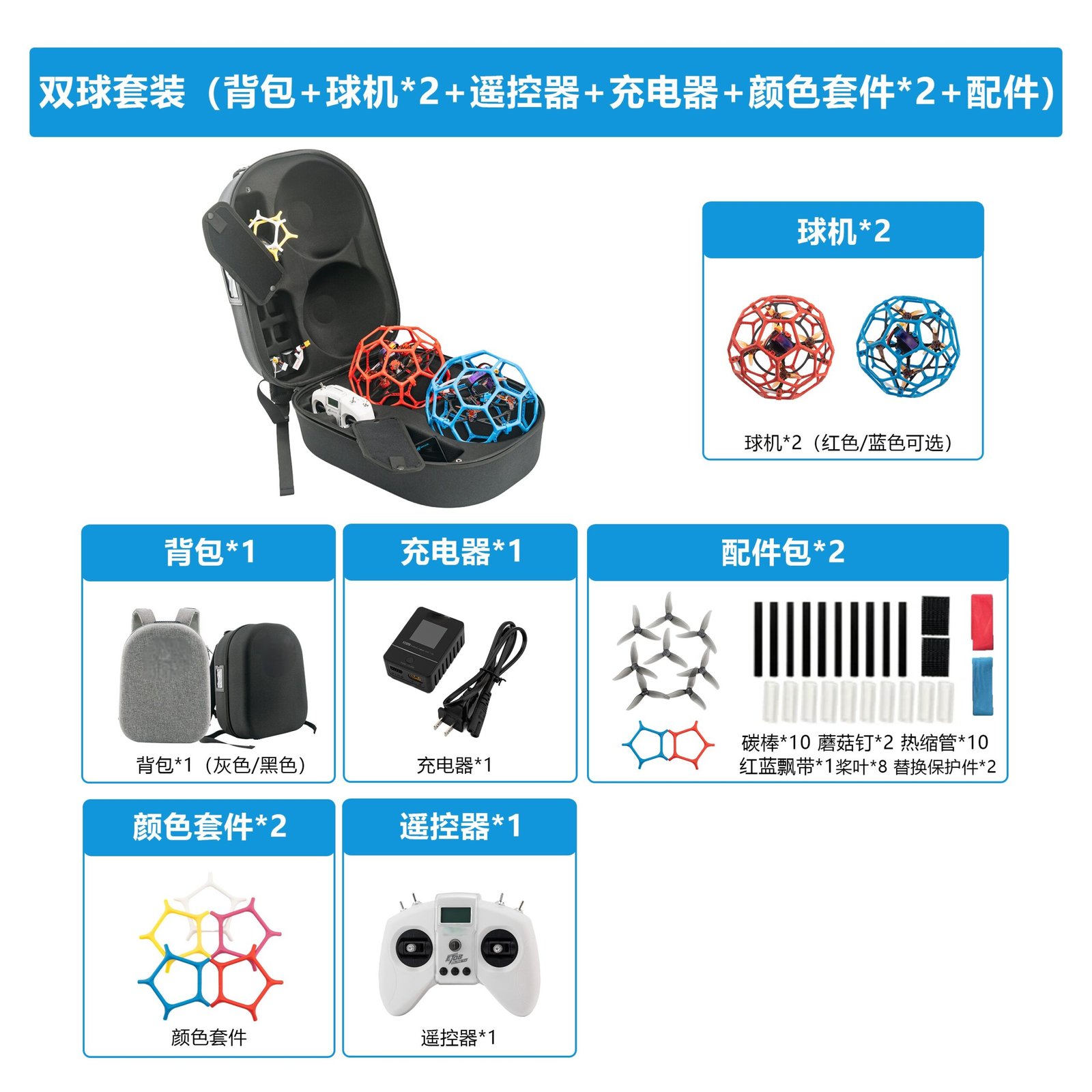
Schools and clubs can use these habits when maintaining drone soccer clubs equipment and when preparing students for competition events. Keep solder work and flight work in separate sessions, and record inspections in a simple log so instructors can see patterns over time.
Frequently asked questions
Can beginners solder drone components directly?
Not safely as a first project. Beginners should start on scrap pads and dummy components, then move to low-voltage projects before working on real drone hardware under supervision. Direct work on flight hardware should come after consistent joint inspection and strain-relief practice.
What age is appropriate for soldering in school programs?
Appropriate age depends on the school’s risk assessment, supervision ratios, and local rules. Many programs introduce soldering in middle or high school with direct supervision. Confirm your institution’s policy and insurer requirements before planning the unit.
Do we need Part 107 for a school drone program?
It depends on the operation and the organization. The FAA educational users page explains that educational flights may fall under the Exception for Limited Recreational Operations or Part 107, and that qualifying educational organizations include institutions of higher education, JROTC programs, and programs chartered by an FAA-recognized Community Based Organization. Confirm your status with the FAA guidance and your own legal review.
Can students solder LiPo battery connectors?
Battery connector work carries fire risk and should be limited to trained instructors using appropriate procedures. Students should practice on unpowered connector harnesses first. Never solder a connected battery, and store LiPo packs separately from soldering stations.
What should we ask a supplier before ordering?
Ask for written confirmation of tool voltage, tip compatibility, consumable contents, and compatibility with your airframes. For drone soccer and accessory items, confirm connector types and intended use in writing rather than relying on catalog photos alone.
How do soldering projects connect to drone soccer competitions?
Soldering practice builds inspection habits that help teams maintain airframes between matches. It does not replace event rules or manufacturer maintenance instructions. Review your competition rules and the schools and training organizations guidance before planning the season.
What is a reasonable first project for a large class?
Scrap-pad tinning is the most practical first project for large classes because it uses low-cost materials, requires no power source, and can be repeated until the student shows consistent control. Add LED circuits once the group can solder without burning insulation or lifting pads.
Conclusion and next step
For youth drone training and safety, the best beginner soldering projects are unpowered and inspectable: scrap-pad tinning, wire-to-pad joints, LED circuits, practice harnesses, and dummy drone-shape boards. Sequence them before any real flight hardware, keep battery handling in a separate lesson, and use a written inspection routine. To plan a program that connects soldering practice with drone soccer and accessories, Request a School Program Quote.