Quick summary
Running a drone soccer team for a year typically costs between $3,000 and $15,000, depending on team size, competition level, and equipment choices. The main expenses include drones and spare parts, safety gear, field and facility fees, coaching or supervision, travel to events, and administrative costs. For schools and youth programs, grants and sponsorships can offset these costs. This article breaks down each category, offers a comparison table, and provides a procurement checklist to help you plan accurately.
Key Takeaways
- Annual costs for drone clubs and teams vary widely based on scope, from local recreational play to regional competition.
- Drones and spare parts constitute the largest capital expense; ongoing costs include repairs, consumables, and travel.
- Safety and insurance are non-negotiable; budget for protective gear, liability coverage, and facility compliance.
- Funding sources include school budgets, grants, sponsorships, and participant fees.
- Use a procurement checklist to request quotes and confirm specifications, especially for bulk orders.
What Are the Main Cost Categories for a Drone Soccer Team?
The major cost categories for a drone soccer team are equipment (drones, controllers, spare parts), safety gear, field and facility, coaching and training, travel and competition fees, and administration. Each category scales with team size and ambition level.
For a typical school-based team of 10-20 students, equipment might account for 40-60% of the first-year budget, while recurring costs like repairs and travel grow in subsequent years. Below, we detail each category with practical ranges.
Equipment: Drones, Controllers, and Spare Parts
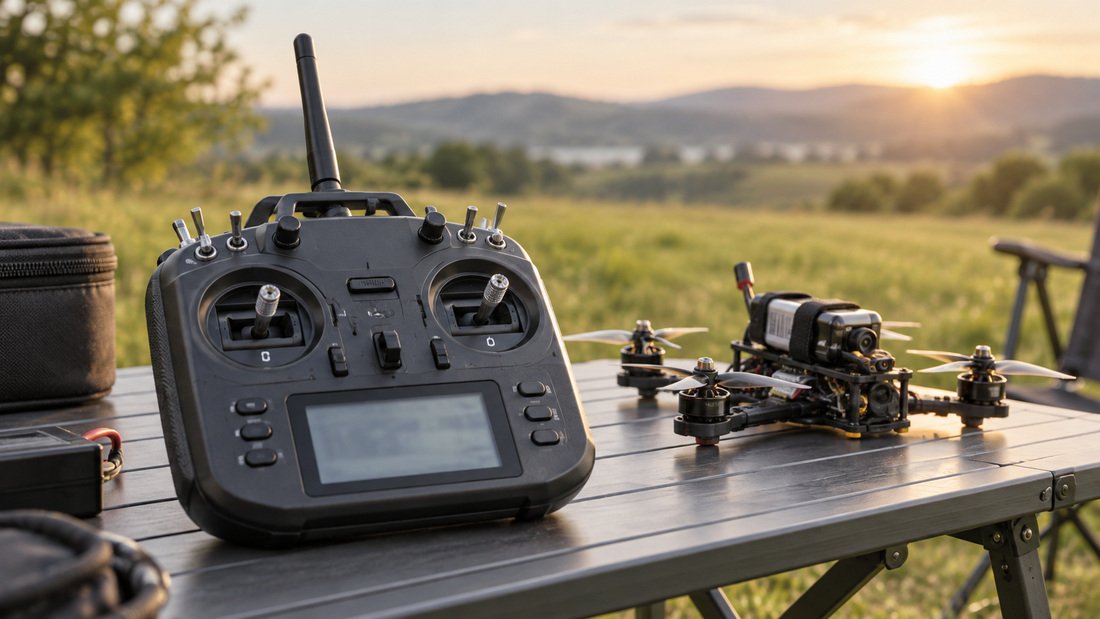
Drone soccer uses specialized drones enclosed in protective balls. A starter set for a small team might include 6-10 drones, controllers, batteries, and a charging station. Spare parts are critical because crashes are common in learning.
For organizations seeking reliable drone soccer systems, DPF offers modular components that simplify repairs. When budgeting, consider that each drone may need 2-3 propeller replacements per season and occasional motor or frame repairs.
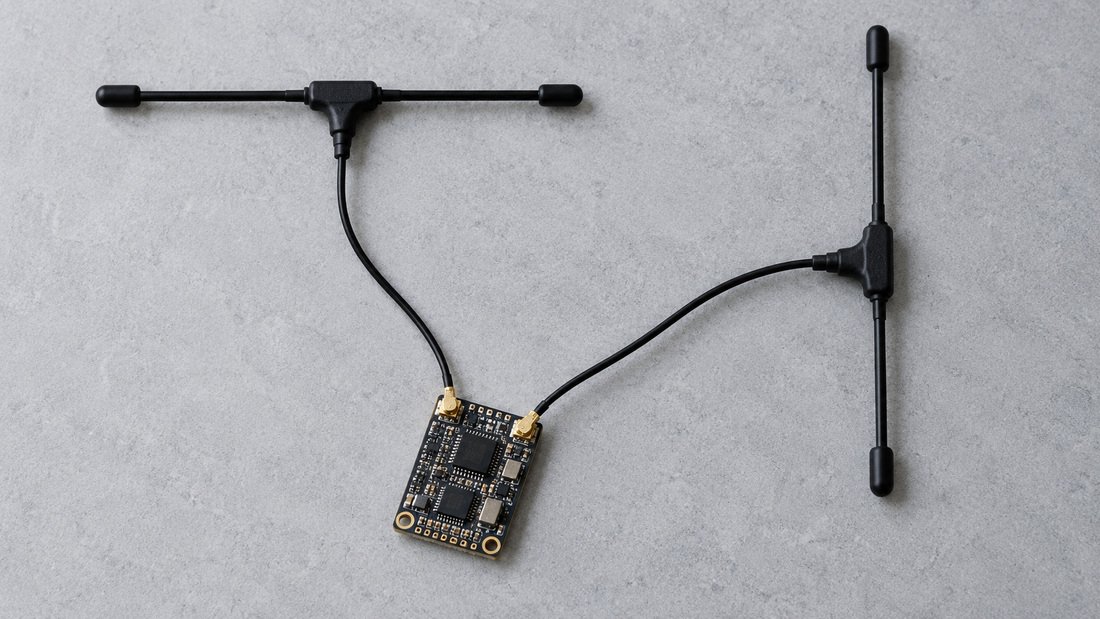
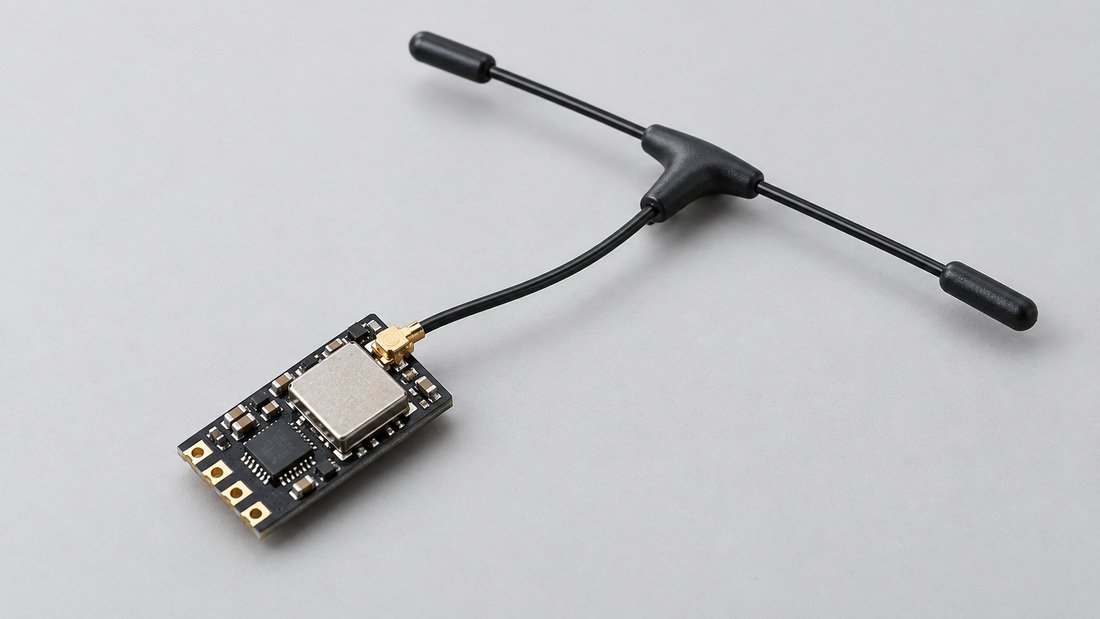
Beyond drones, you’ll need transmitters, receivers (such as ELRS for robust control), and batteries. For teams looking to customize, frames and power combos can be a cost-effective way to build or repair drones.
Safety Gear and Insurance
Safety is paramount. Budget for protective eyewear, nets, and first-aid kits. Liability insurance is often required by schools and facilities; costs vary by provider and coverage.
In the US, educational drone operations may fall under FAA regulations. According to the FAA’s educational users page, drones flown for educational purposes are regulated under the Exception for Limited Recreational Operations (49 U.S.C. § 44809) or Part 107. Qualifying educational organizations include institutions of higher education, JROTC programs, and programs chartered by an FAA-recognized Community Based Organization. Others must operate under Part 107. Understanding these rules can affect insurance and training requirements.
Field and Facility Costs
Indoor spaces like gymnasiums are ideal. Costs may include rental fees, setup equipment (nets, goals), and storage. Some schools provide facilities free of charge, while others charge hourly rates.
Coaching and Training
Coaches may be volunteers or paid staff. Training for coaches and students is an investment; consider workshops or online courses. DPF’s STEM drone education and training resources can help reduce onboarding time.
Travel and Competition Fees
If your team participates in drone soccer competitions, budget for registration fees, transportation, and lodging. Local events may cost a few hundred dollars, while national events can exceed $2,000 per trip.
Administrative and Miscellaneous
Include costs for software (if any), communication tools, uniforms, and marketing. Administrative overhead is often overlooked but can add 5-10% to the total.
Drone Soccer Team Annual Budget Comparison
The table below provides illustrative ranges for three team profiles. These are general estimates; actual costs depend on specific circumstances.
| Cost Category | Recreational (Local) | Competitive (Regional) | Elite (National) |
|---|---|---|---|
| Equipment (drones, parts, controllers) | $1,500 – $3,000 | $3,000 – $6,000 | $6,000 – $10,000 |
| Safety gear & insurance | $300 – $600 | $600 – $1,200 | $1,200 – $2,500 |
| Field/facility | $0 – $500 | $500 – $1,500 | $1,500 – $3,000 |
| Coaching/training | $0 – $500 | $500 – $1,500 | $1,500 – $3,000 |
| Travel/competition | $200 – $800 | $800 – $2,000 | $2,000 – $5,000 |
| Administrative | $100 – $300 | $300 – $600 | $600 – $1,200 |
| Total Annual Estimate | $2,100 – $5,700 | $5,700 – $12,800 | $12,800 – $24,700 |
Note: These figures are illustrative and not quotes. Request current pricing from suppliers.
How to Reduce Costs Without Compromising Safety
Cost reduction strategies include buying durable equipment, standardizing parts, seeking sponsorships, and sharing resources with other drone soccer clubs. Bulk purchasing and modular designs also lower long-term expenses.
Consider starting with a smaller fleet and expanding as interest grows. Use simulators for initial training to reduce crash risk.
Common Mistakes in Budgeting for Drone Teams
- Underestimating spare parts and repair costs.
- Ignoring insurance and regulatory compliance.
- Overlooking travel and competition fees.
- Failing to account for coach training time.
- Not planning for equipment obsolescence or upgrades.
Procurement Checklist for Drone Soccer Equipment
Before purchasing, use this checklist to ensure you cover all essentials and clarify terms with suppliers.
- Determine team size and number of drones needed.
- Specify frequency bands and compatibility (e.g., ELRS).
- Request a detailed quote including shipping and taxes.
- Confirm warranty and repair policy in writing.
- Ask about minimum order quantities and lead times.
- Verify certifications (e.g., CE, FCC) if required.
- Check for training resources and technical support.
- Plan for spare parts inventory.
Funding Sources for Drone Clubs and Teams
Funding can come from school budgets, grants (e.g., STEM education grants), corporate sponsorships, and participant fees. For schools and training organizations, check local and national STEM initiatives. Crowdfunding and community events are also options.
FAQs
What is the biggest expense in running a drone soccer team?
Equipment, particularly drones and spare parts, is typically the largest expense, followed by travel and competition fees.
How many drones does a team need?
A small team might need 6-10 drones, but this depends on team size and whether you have backups. More drones reduce downtime.
Are there grants available for school drone programs?
Yes, many STEM education grants and local sponsorships exist. Check with your school district, local businesses, and national organizations.
Do we need insurance for a drone soccer team?
Most schools and facilities require liability insurance. Check with your administration and insurer for specific requirements.
Can we build our own drones to save money?
Building from components can be cost-effective, especially with frames and power combos, but requires technical skills. Consider pre-built systems for reliability.
What regulations apply to educational drone use?
In the US, educational drone operations may fall under the Exception for Limited Recreational Operations or Part 107. See the FAA’s guidance for details. Other countries have their own rules.
How can we reduce travel costs?
Focus on local competitions, carpool, and seek sponsorships for travel. Hosting events can also reduce travel expenses.
Conclusion
Running a drone soccer team for a year requires careful budgeting. By understanding the cost categories and using the checklist, you can plan effectively. For a tailored quote on equipment, contact DPF. Request a Team Kit Quote today to discuss your needs and get current pricing.