Quick summary
Attracting sponsors for drone soccer tournaments and events comes down to giving a funder a clear, verifiable reason to associate with your competition: a defined audience, a credible operating plan, and benefits they can measure. Build a short sponsorship deck around audience size and profile, safety and compliance arrangements, the school or club partnerships behind the event, and the exact assets a sponsor receives. Offer tiered packages, show honest costs, and give sponsors proof after the event. Sponsors rarely back an unknown event on enthusiasm alone; they back organizers who can document planning and delivery.
Key Takeaways
- Sponsors buy audience access, brand association and measurable visibility, not the novelty of drones alone. Lead with those three things.
- Event credibility — named venues, confirmed teams, safety planning and governing-body alignment — matters more than a large promised attendance figure.
- Tiered, specific packages convert better than a single “sponsor us” request because funders can match budget to benefit.
- Compliance and safety documentation increasingly matters to corporate sponsors, especially where youth participants and radio equipment are involved; US organizers can point to FAA resources on educational drone use at faa.gov/uas/educational_users.
- After the event, deliver a short proof pack of photos, exposure numbers and quotes. It is the cheapest way to renew a sponsor for the next season.
Why do sponsors fund drone soccer tournaments and events at all?
Sponsors fund them because they want structured access to a specific audience — students, parents, schools, technical educators and local media — in a setting that signals innovation and youth engagement. Your job is to show that your event delivers that access reliably.
What sponsors are actually buying
In practice, B2B and community sponsors evaluate four things: audience quality, brand fit, risk, and measurable deliverables. Audience quality means who attends and who sees coverage. Brand fit means whether drone soccer, STEM education or youth sport aligns with their positioning. Risk covers safety incidents, cancellations and reputational exposure. Deliverables are the tangible assets: signage, screen time, social posts, workshops, naming rights.
Treat those four as the spine of your pitch. A sponsor who can check all four boxes in a ten-minute conversation is far more likely to sign than one who has to dig for basic facts.
Who typically sponsors these events
Common sponsor categories include drone and electronics brands, local technology employers, universities and technical colleges recruiting students, sports and hobby retailers, municipal or regional development bodies, and education-focused foundations. Each has a different motive, so prepare audience-specific versions of the same core deck rather than one generic document.
How do you build a sponsorship package that converts?
You build it by mapping sponsor goals to concrete, costed benefits and presenting them in tiers. Specificity is the difference between a package that gets a reply and a flyer that gets ignored.
Structure: three tiers plus custom
A workable pattern is a headline (naming) tier, a mid tier built around visible branding and participation, and an entry tier for local businesses. Keep each tier to five or six benefits and state the price or a price range. Reserve a “custom” option for sponsors who want something specific, such as a school workshop or a recruitment stand.
| Tier | Typical sponsor motive | Example benefits | What to confirm in writing |
|---|---|---|---|
| Headline / naming | Regional brand leadership, OEM marketing | Event name association, main-stage presence, logo on all materials, media mentions | Exclusivity scope, approval rights over logo use, cancellation terms |
| Mid tier | Recruitment, product visibility, community goodwill | Court or division branding, booth space, workshop slot, social posts | Number of posts, dates, asset sizes, booth dimensions |
| Entry / local | Local businesses, clubs, parents’ networks | Programme listing, banner placement, thank-you mention | Placement location, print deadlines, delivery of logo files |
| In-kind | Equipment, venue, catering, media partners | Product supply, venue, broadcast or photography | Value assigned, delivery dates, insurance and liability |
What belongs in the deck
Keep it to eight to twelve slides: event concept in one line; date, venue and format; participating schools, clubs and expected team count; audience profile; safety and compliance plan; sponsor tiers and benefits; previous-event evidence if you have it; and contact details. If you do not yet have previous events, substitute planning evidence — confirmed venue agreements, letters of support from schools, and the organizing committee’s experience.
What evidence makes a drone soccer event sponsor-ready?
Evidence that reduces a sponsor’s perceived risk is worth more than ambitious projections. Build a one-page proof sheet that answers the questions a marketing or procurement reviewer will ask internally.
Audience and delivery evidence
- Named participating schools, clubs or teams, with their permission to be listed.
- Venue confirmation and capacity, including spectator areas and field layout.
- Match schedule and format, so sponsors can picture screen time and footfall.
- Media plan: local press contacts, streaming arrangements, social channels and follower counts stated honestly.
- Organizing committee roles, so sponsors know who is accountable for what.
Safety and compliance evidence
Corporate sponsors, especially those with legal review, will ask how the event handles youth safeguarding, first aid, equipment inspection and airspace rules. In the United States, educational drone operations are regulated under either the Exception for Limited Recreational Operations (49 U.S.C. § 44809) or the Small Unmanned Aircraft Systems Rule (Part 107), and the FAA explains that qualifying educational organizations may operate under § 44809 while others must operate under Part 107 — see the FAA’s educational users page.
The same FAA page notes that educational institutions may request a FAA-Recognized Identification Area (FRIA), a location where drones can be flown without Remote ID. If your event relies on indoor flight, confirm separately how Remote ID and registration requirements apply; do not assume an exemption. Always verify current rules with the relevant aviation authority and your venue before promising anything to a sponsor.
How do you find and approach the right sponsors?
You find them by starting from companies that already serve your audience, then approaching them with a tailored, short ask. Broad cold outreach to unrelated brands wastes the organizing team’s limited time.
Build a target list of 20–40 prospects
Segment prospects by motive: drone and electronics brands for product visibility; universities and technical colleges for student recruitment; local employers for workforce pipeline; retailers for footfall; civic bodies for community outcomes. For each, note a specific reason your event fits them — a new STEM programme, a regional expansion, an education campaign.
Approach with a short, specific message
Open with one sentence on who attends, one on what the sponsor gets, and one on the ask (a 20-minute call or a decision by a stated date). Attach the deck, not a long letter. Follow up once, then move on. Sponsorship decisions often sit with marketing and finance, so expect a two-stage conversation: interest, then internal approval.
If your organizing team also needs to source competition hardware, radio links or spare parts for the event, our team can help scope equipment for multiple teams and age groups — talk to us about event equipment requirements.
What equipment and technical planning should sponsors see?
Sponsors do not need engineering detail, but they do need to see that the event will run reliably and that equipment logistics are handled. A short technical section in the deck builds confidence.
Reliability is a sponsorship argument
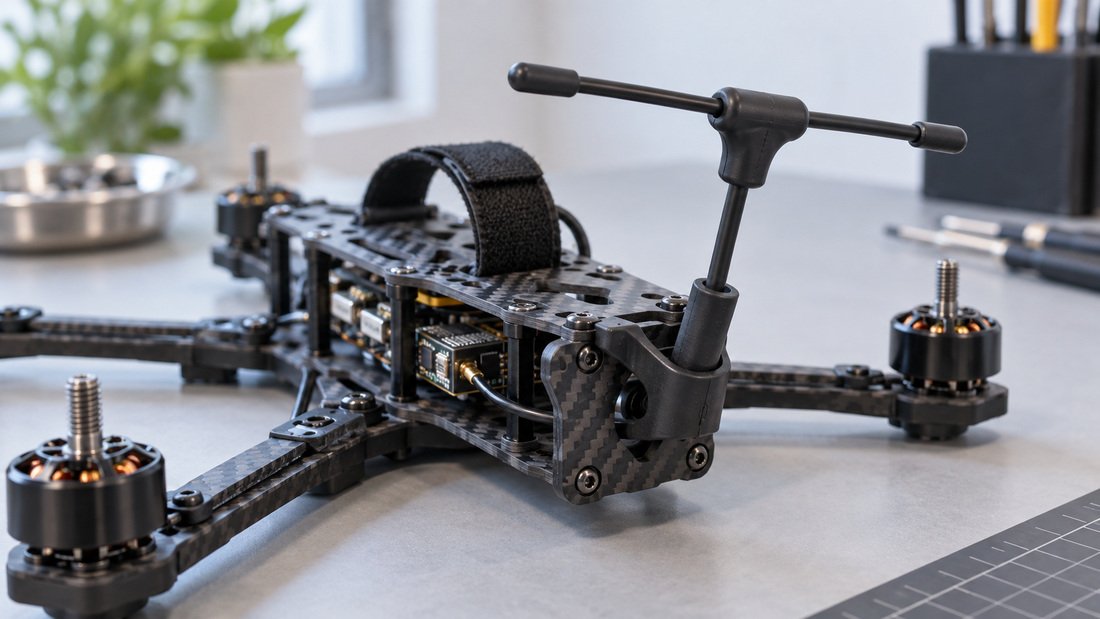
Drone soccer competition depends on consistent radio links, durable airframes and quick turnaround on repairs between matches. Organizers sourcing fleets for schools and clubs often standardize on a small number of configurations, with spare receivers and antennas on hand. ExpressLRS (ELRS) is a common open-source radio link ecosystem; organizers who standardize on ELRS receivers typically value predictable binding and spare-part availability across a mixed fleet.
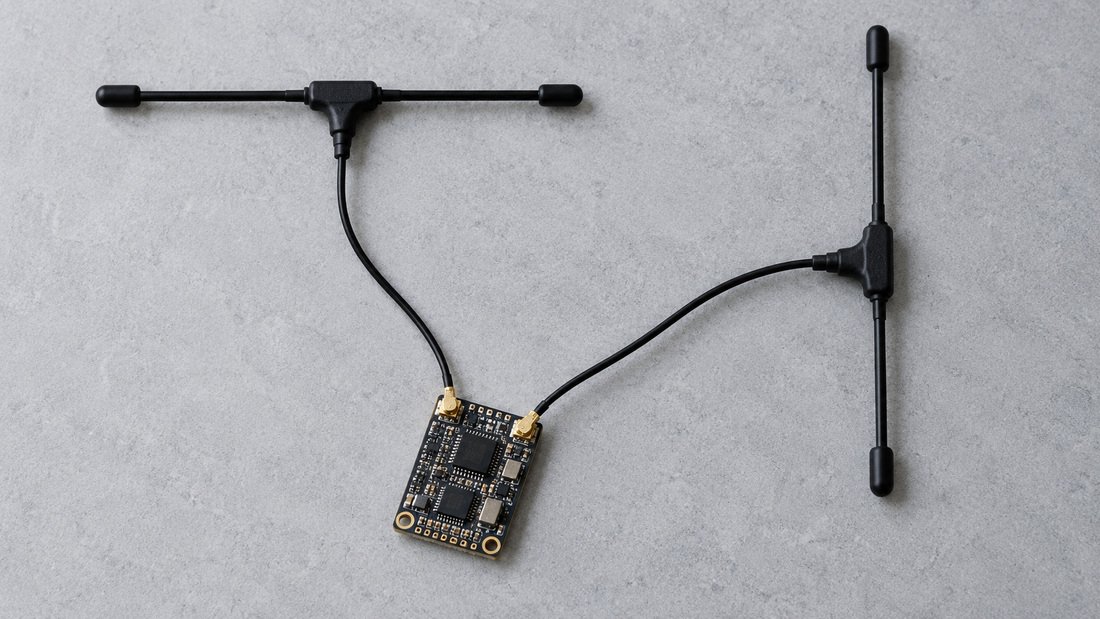
Our drone soccer systems and ELRS receivers are the kind of supporting hardware organizers evaluate when planning multi-team events. Confirm specifications, quantities and commercial terms directly with us in writing before committing to a sponsor-facing equipment promise.
What to promise and what to avoid
Promise what you control: field time, branding placements, participant numbers you can evidence, and a named contact. Avoid promising broadcast reach, media coverage or attendance figures you cannot substantiate. Sponsors remember overpromising longer than they remember a smaller, well-delivered package.
How should you price and budget sponsorship?
Price from your event budget upward, not from guesswork downward. Build the full cost of running the event, decide how much must be covered by sponsorship, then assign value to each deliverable.
A simple budget model
- Fixed costs: venue, insurance, officials, medical cover, trophies, printing.
- Equipment costs: drones, receivers, antennas, batteries, spares, charging infrastructure.
- Operations: travel support for teams, volunteer costs, safety briefings.
- Marketing: photography, streaming, signage, social content.
- Contingency: a line item for repairs and replacement parts between matches.
Then allocate sponsorship targets across tiers. If the sum of tiers exceeds your required total, you have room to offer in-kind alternatives. If it falls short, reduce scope before raising prices beyond what local sponsors can justify.
Common mistakes organizers make with drone soccer sponsorship
- Leading with the sport, not the audience. Sponsors need to know who will see their brand and why that audience matters.
- No named participants. “Hundreds of students” is weaker than five named schools confirmed in writing.
- One generic package. A single price forces every sponsor into the same decision.
- Ignoring compliance questions. Corporate sponsors may stall if safety and airspace arrangements are unclear.
- No post-event report. Renewal is far easier when you can show what was delivered.
- Overpromising media reach. Claims you cannot evidence damage credibility with every future prospect.
Buyer and organizer checklist
Use this list before you send a single sponsorship email.
- Event concept, date, venue and format confirmed in writing.
- Participating schools, clubs or teams listed with permission.
- Safety plan, first-aid cover and safeguarding policy documented.
- Airspace and Remote ID position confirmed with the relevant authority and venue.
- Equipment plan, spares and repair capacity defined.
- Sponsorship tiers with prices, benefits and deadlines.
- Deck and one-page proof sheet reviewed by someone outside the organizing team.
- Renewal plan: what proof you will send after the event.
- Commercial terms with any supplier — quantities, specifications, delivery and payment — confirmed in writing.
Frequently asked questions
How much sponsorship should a drone soccer tournament ask for?
There is no universal figure. Build your event budget first, subtract registration income and grants, and set the sponsorship target at the gap plus a contingency. Then price tiers against what local and regional sponsors can realistically approve. Confirm any external figures you rely on rather than quoting industry averages you cannot verify.
Do sponsors care about drone soccer rules and governance?
Often yes, at least at a high level. Sponsors want to know the event follows a recognized competition format and that matches are officiated consistently. Mention the format and officiating arrangements in the deck, and note any alignment with a national or regional body if it applies.
Is FAA documentation relevant to attracting sponsors?
In the US it can be, because it demonstrates operational competence. The FAA states that drones flown for educational purposes are regulated under either the Exception for Limited Recreational Operations or Part 107, and explains which educational organizations qualify under § 44809 — see faa.gov/uas/educational_users. Outside the US, cite your own aviation authority’s guidance instead.
Should we offer in-kind sponsorship?
Yes, where it reduces real event costs. Equipment, venue, catering, photography and streaming support can all be treated as in-kind. Assign a fair value, confirm delivery dates in writing, and clarify insurance and liability responsibilities.
How do we renew sponsors for the next season?
Send a short report within a few weeks of the event: photos of branding in place, participant numbers you can verify, links to any coverage, and two or three quotes from schools or teams. Then propose next season’s package with a specific early-confirmation benefit.
Can schools and clubs help attract sponsors?
Yes. Schools and clubs bring credibility and local networks. Ask them for letters of support, introductions to local employers, and permission to list their names. Our drone soccer clubs and schools and training organizations pages describe how programs of this kind are typically structured.
What should we confirm with equipment suppliers before naming them as event partners?
Confirm product specifications, quantities available, delivery dates, payment terms and any branding or logo-use permissions in writing. Never announce a supplier partnership before both sides have agreed the scope. Review our drone soccer competitions resources for context on event equipment planning.
Conclusion: sponsorship follows evidence, not enthusiasm
Attracting sponsors for drone soccer tournaments and events is a documentation exercise as much as a sales one. Define the audience, prove the event will run safely and reliably, price tiers from a real budget, and close the loop with a post-event report. Teams that do this build a repeatable sponsor base instead of restarting outreach every season.
If your organizing team is also planning the equipment side — fleets for multiple schools, spare receivers, antennas or radio links — our team can help you scope requirements and confirm terms in writing. Request Event Equipment Support.