Quick summary
Drone soccer cages survive collisions because they are designed as a protective exoskeleton: a lightweight but stiff frame (often carbon fiber or reinforced polymer) is wrapped by a flexible, replaceable protective shell. The shell absorbs impact energy, spreads it across a wider area, and deforms or detaches instead of transmitting the full force to the motors, props, or electronics. A well-designed drone soccer ball cage and structure also uses rounded geometry, secure fasteners, and a serviceable layout so damaged parts can be replaced quickly—critical for schools and clubs that run frequent matches.
Key Takeaways
- Protection comes from the combination of a rigid internal frame and a flexible outer shell—not from a single material.
- Collision survival depends on energy absorption, load distribution, and quick serviceability.
- Rounded, enclosed geometry reduces snagging and point loads during impacts.
- Schools and clubs should prioritize replaceable shells and standard fasteners over maximum stiffness.
- Request material specs, impact test methods, and spare-part availability in writing before ordering.
What makes up a drone soccer ball cage and structure?
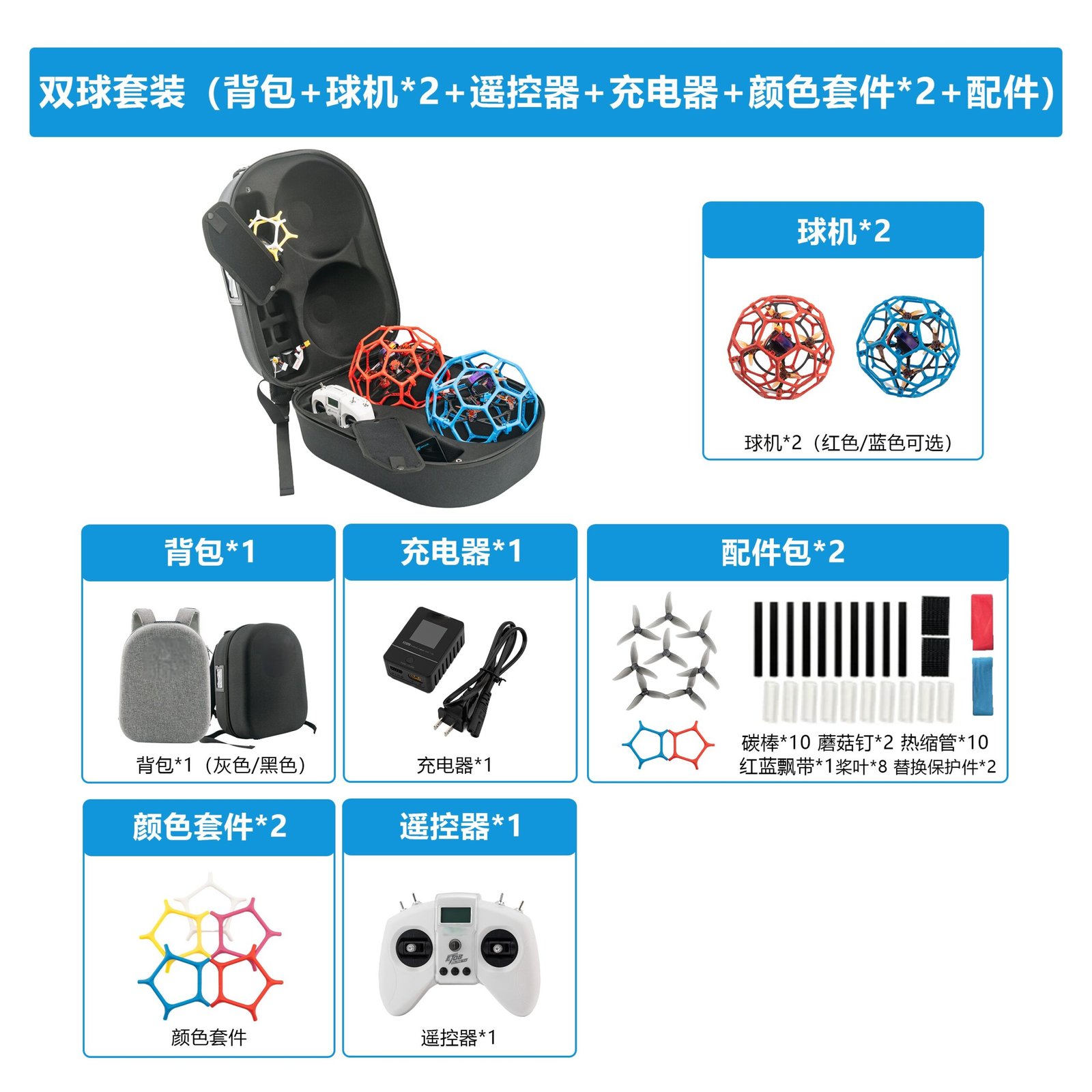
A drone soccer ball cage and structure is the protective frame that surrounds the drone’s propulsion and electronics, forming a roughly spherical or rounded enclosure. It typically includes an internal structural frame, an outer protective shell, mounting points for motors and electronics, and a ball-retention or goal-scoring interface. The design must balance protection, weight, and airflow.
The internal frame carries structural loads and keeps motors aligned. The outer shell is the first point of contact and is designed to absorb and distribute impact energy. In many systems, the shell is a separate, replaceable component—important for schools and clubs because it lowers repair cost and downtime.
Internal frame vs. outer shell
The internal frame is usually made from carbon fiber, glass fiber, or engineering plastics. It provides stiffness so the drone responds predictably and motors stay in alignment. The outer shell is often a flexible polymer (such as TPU, EPP, or similar) that can bend and recover. The frame should be stiff enough to protect electronics but not so stiff that it transfers shock directly to the flight controller or battery.
Fasteners, mounts, and serviceability
Fasteners and mounts are often the weak link in collisions. Threaded inserts, captive nuts, and standardized screws make field repairs faster. Quick-release or tool-less designs can help schools with limited technical support. Ask suppliers whether replacement shells, arms, and fasteners are available as separate spares.
How does the cage absorb impact energy?
The cage absorbs impact energy through controlled deformation: the outer shell bends, compresses, or slides on impact, converting kinetic energy into temporary strain rather than passing it to the frame. The frame then distributes the remaining load across multiple points. This is why a flexible shell over a stiff frame works better than a rigid shell alone.
Energy absorption depends on material thickness, geometry, and how the shell is attached. A shell that is too thin may crack; one that is too thick may be too heavy or transfer too much force. Rounded shapes avoid sharp corners that concentrate stress. Ventilation slots and cutouts can reduce weight but may create stress risers if not designed carefully.
Why rounded, enclosed geometry matters
Rounded geometry reduces point loads and snagging on other drones, nets, or goal structures. An enclosed ball shape also keeps props and electronics away from direct contact. When evaluating a design, look for smooth transitions, no exposed sharp edges, and consistent wall thickness.
The role of the flight controller and ESC in survivability
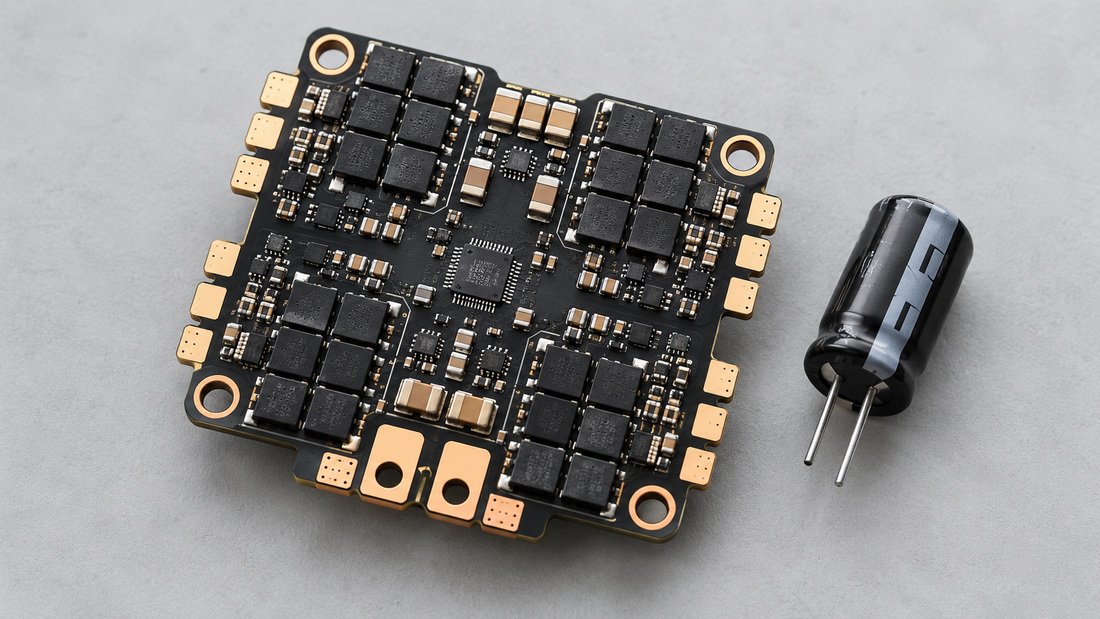
The flight controller (FC) is the computer that reads sensors and sends commands to the electronic speed controller (ESC), which drives the motors. In a collision, shock can cause sensor errors or disconnects. Secure mounting, vibration isolation, and strain relief on wires help. Betaflight, a common open-source flight control software, notes that the flight controller reads sensors and sends commands to the ESC to control motors and keep the craft in the air (Betaflight Getting Started). Protecting these components from direct impact is essential.
Which materials are used in drone soccer ball cages?
Common materials include carbon fiber, glass fiber, engineering plastics (such as nylon or polycarbonate), and flexible polymers (TPU, EPP, EVA foam). Each has trade-offs in stiffness, weight, impact resistance, and repairability. There is no single best material; the right choice depends on the level of play and budget.
| Material | Typical role | Pros | Cons | Best for |
|---|---|---|---|---|
| Carbon fiber | Internal frame | High stiffness-to-weight, precise | Brittle under point impact, costly | Competitive teams needing rigidity |
| Glass fiber | Internal frame | Lower cost, more forgiving | Heavier, less stiff | School programs, training |
| Nylon / polycarbonate | Frame or mounts | Tough, moldable, low cost | Can be heavy; quality varies | High-volume kits |
| TPU / EPP / EVA | Outer shell | Flexible, energy-absorbing, replaceable | May wear, needs proper attachment | All levels; quick repairs |
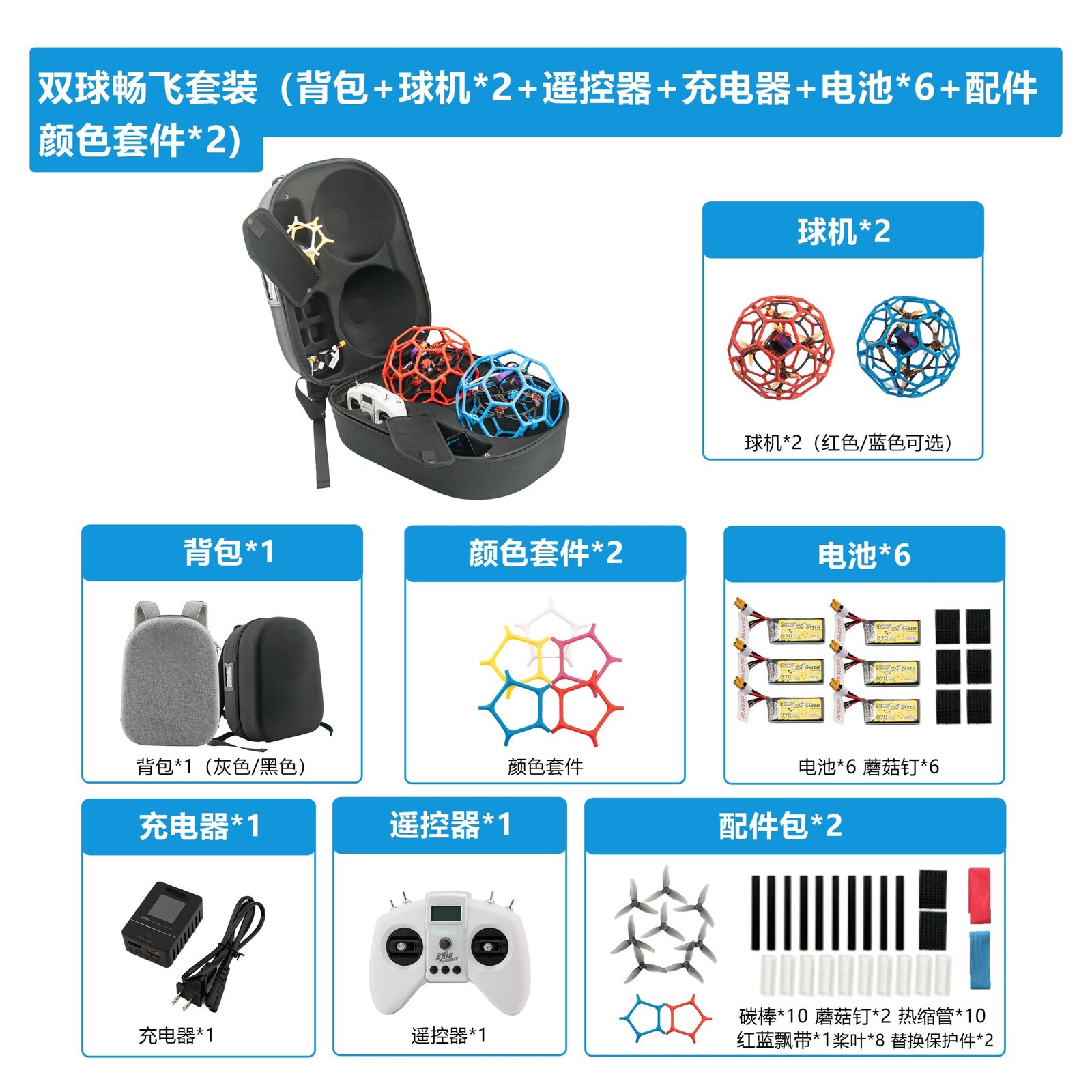
For replacement parts, look for shells that are sold separately and are compatible with your frame. DPF offers protective shells and drone soccer replacement parts; confirm compatibility and material specs with the supplier.
Carbon fiber vs. polymer frames
Carbon fiber offers high stiffness and low weight but can crack under sharp impact. Polymer frames are more forgiving but heavier. Many drone soccer designs use a hybrid: a carbon or glass fiber frame with a flexible polymer shell. Ask for the frame material and layup if stiffness matters for your level of play.
Shell materials and replaceability
The shell is the sacrificial layer. It should be easy to remove and replace without special tools. Check whether shells are available as spares and whether they include mounting hardware. For schools, a supply of spare shells and arms is often more important than maximum performance.
How do design features improve collision survival?
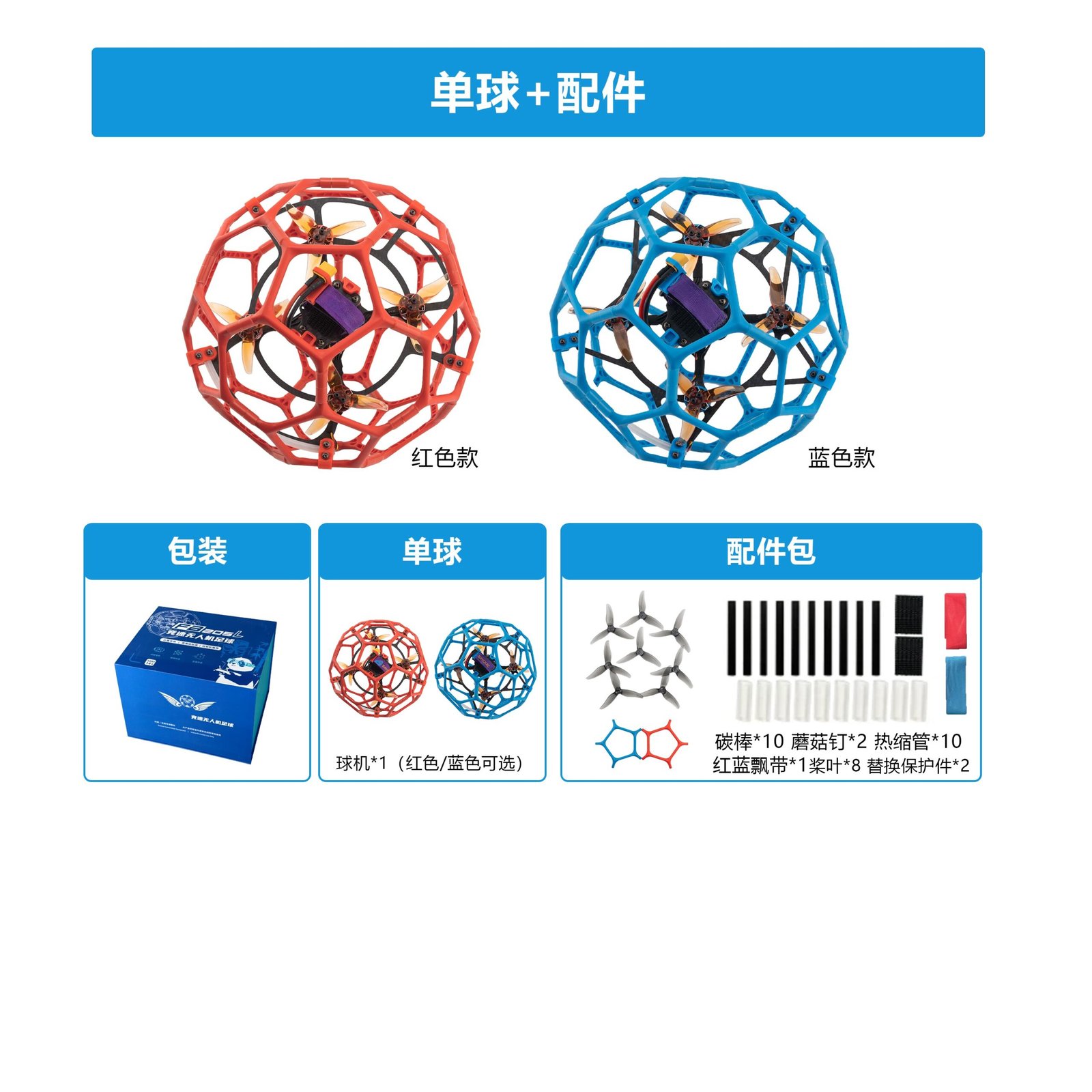
Design features that improve survival include rounded geometry, flexible mounting, energy-absorbing shells, protected electronics, and standardized fasteners. These features work together; one alone is not enough. A rigid frame with no shell will transmit shock; a soft shell with a weak frame will deform and misalign motors.
Geometry and load paths
Rounded shapes and smooth load paths distribute impact forces. Avoid sharp internal corners where stress concentrates. Motor mounts should be reinforced but able to flex slightly. The goal is to guide force around the electronics, not through them.
Vibration isolation and electronics protection
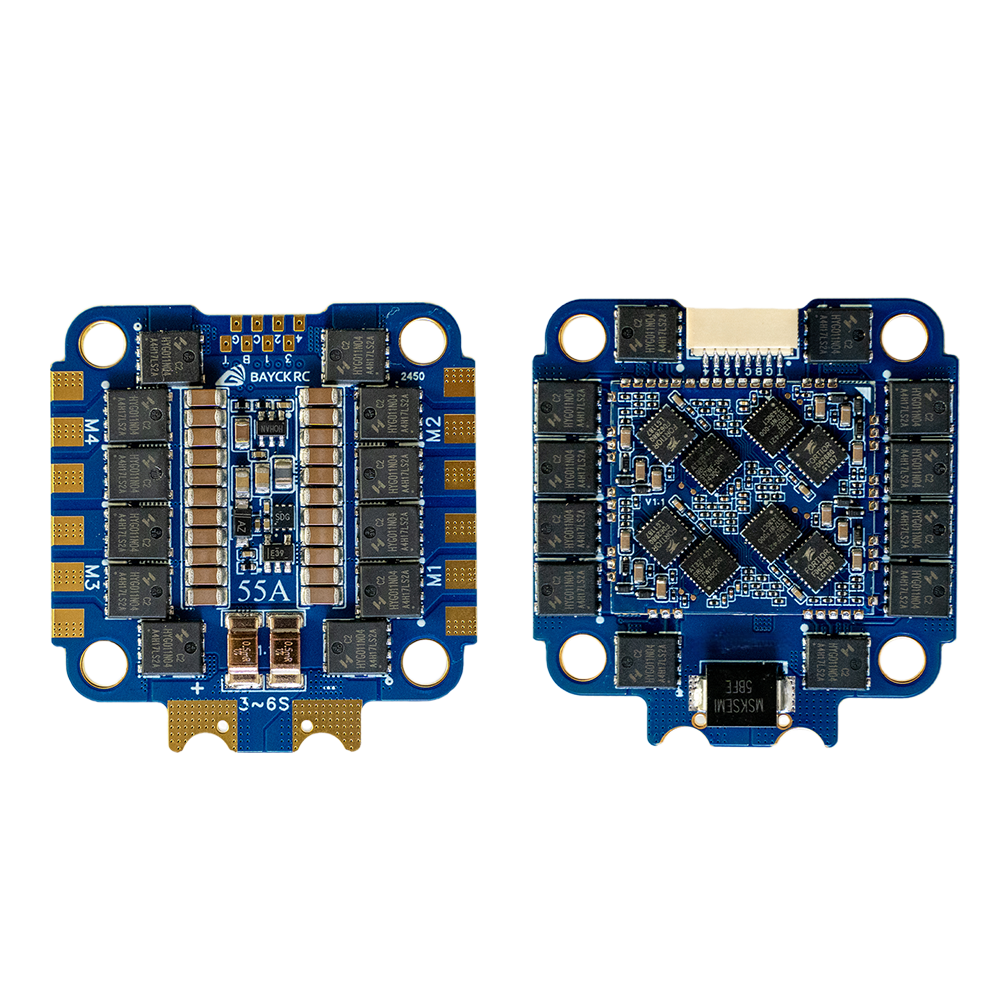
Vibration isolation mounts for the flight controller and secure battery straps reduce secondary damage. Wires should have strain relief and be routed away from impact zones. The ESC, which drives the motors, should be protected from direct contact; a four-in-one ESC board is common in compact builds.
What should schools and clubs look for when buying?
Schools and clubs should prioritize safety, repairability, and spare-part availability over peak performance. A cage that survives collisions is one that can be repaired quickly and cheaply. Ask for material specifications, impact test methods (if any), and a list of consumable spares.
Procurement checklist
- Material specs for frame and shell (with data sheets if available).
- Impact or drop test method and results, if the supplier publishes them.
- Availability of replacement shells, arms, fasteners, and motors.
- Assembly and repair instructions suitable for students.
- Spare-part pricing and minimum order quantities (request in writing).
- Compatibility with your existing fleet and flight controller.
- Safety documentation and usage guidelines for youth programs.
- Warranty terms and RMA process (confirm in writing).
Common mistakes
- Buying the lightest cage without checking repairability.
- Ignoring spare-part availability—downtime kills programs.
- Using mismatched shells and frames from different suppliers.
- Skipping strain relief and vibration isolation.
- Assuming all “carbon fiber” parts have the same quality.
Trade-offs to discuss with your supplier
Weight vs. durability; stiffness vs. forgiveness; cost vs. serviceability. For school programs, a slightly heavier but more repairable cage is often better. For competitive teams, stiffness and weight may matter more. Discuss these trade-offs and request samples where possible.
Ready to equip your team? Request a Team Kit Quote to discuss your specific needs.
How do you maintain and repair a drone soccer cage?
Maintenance is simple: inspect shells for cracks or deformation after each session, check fasteners for tightness, and replace worn parts before they fail. Keep a spares kit with shells, arms, props, and fasteners. Train students to do pre-flight checks.
When replacing a shell, ensure it seats correctly and fasteners are not over-tightened. Check motor alignment and wire routing. After repairs, test hover in a safe area. For electronics, follow the flight controller manufacturer’s guidance; Betaflight notes that manufacturers support their hardware and pilots own their builds (Betaflight Getting Started).
Spare-parts strategy for clubs
Stock consumables based on your match frequency. Track which parts fail most often and adjust. Consider standardizing on one frame and shell design across your fleet to simplify spares and training.
Frequently asked questions
What is a drone soccer ball cage made of?
Most cages combine a rigid internal frame (carbon fiber, glass fiber, or engineering plastic) with a flexible outer shell (TPU, EPP, or similar). The shell absorbs impact and is often replaceable.
Can a drone soccer cage be repaired?
Yes, typically by replacing the damaged shell, arm, or fastener. The repairability depends on the design; ask about spare-part availability before buying.
How often should shells be replaced?
Replace shells when they show cracks, deep deformation, or loose mounting. Frequency depends on play intensity; inspect after every session.
Are heavier cages more durable?
Not necessarily. Durability depends on design, materials, and energy absorption. A heavier cage may be stiffer but could transfer more shock.
Do all drone soccer cages fit all drones?
No. Cage designs vary in size, mounting pattern, and motor spacing. Confirm compatibility with your frame and electronics before ordering.
What should schools ask suppliers?
Ask for material specs, impact test information, spare-part lists, assembly instructions, and warranty terms in writing. Request samples if possible.
Conclusion
A drone soccer ball cage and structure survives collisions through thoughtful design: a stiff but forgiving frame, a flexible replaceable shell, rounded geometry, and secure electronics mounting. For schools and clubs, the best cage is one that protects the drone and can be repaired quickly with available spares. Start by defining your level of play and budget, then request material specs and spare-part lists from suppliers.
Request a Team Kit Quote to discuss your program’s needs.