Quick summary
Testing cage strength for drone soccer usually involves a combination of visual inspection, manual stress checks, and controlled impact or load tests. Schools and youth programs should ask suppliers for documented test methods, pass/fail criteria, and sample reports. Because no single universal standard covers all drone soccer cages, buyers must verify that the supplier’s testing approach matches the intended use and local safety expectations. This article explains common test types, what to request in writing, and how to compare options without relying on unverified claims. It focuses on practical product safety testing for educational buyers and distributors.
Key Takeaways
- Cage strength testing is not one test but a set of checks: visual, manual, impact, and sometimes load or fatigue tests.
- Ask for the supplier’s test method, sample size, pass/fail criteria, and whether testing is in-house or third-party.
- No single global standard is known to govern all drone soccer cages; verify claims against your local requirements.
- Request sample test reports and confirm warranty terms in writing before ordering for a school program.
- Use a procurement checklist to compare suppliers fairly and avoid relying on marketing language alone.
What Does “Cage Strength” Mean for Drone Soccer?
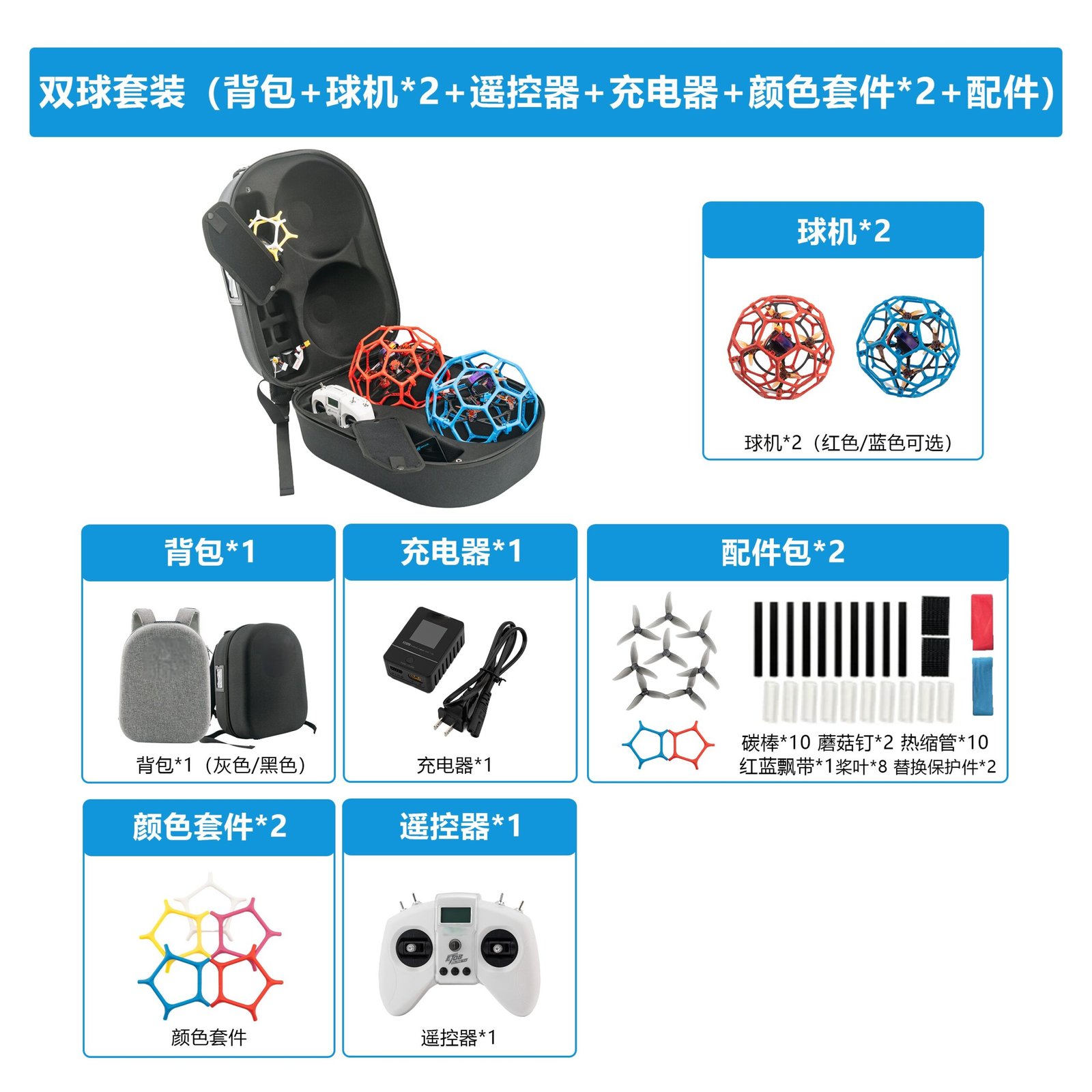
In drone soccer, the cage (often called the ball or protective shell) surrounds the drone to protect players and the aircraft during collisions. “Cage strength” generally refers to the cage’s ability to withstand impact, flexing, and repeated handling without cracking, deforming permanently, or separating from the drone. For schools, the practical question is whether the cage remains safe and functional after typical student use.
Strength is not the only property that matters. A cage that is too rigid may transfer force to the drone frame or players; a cage that is too flexible may deform and interfere with flight. Suppliers should explain the trade-off between stiffness, toughness, and weight. Ask how the design handles repeated impacts and what happens when the cage does fail.
Why Schools Should Care
Schools have a duty of care to students and staff. Even if drone soccer is a controlled activity, equipment failure can cause injury or property damage. Documented product safety testing helps schools demonstrate due diligence and gives teachers confidence during classes and competitions. It also supports conversations with insurers and school administrators who may ask for evidence of safety review.
Common Methods Used to Test Cage Strength
Suppliers may use one or more of the following methods. The exact method matters less than whether it is documented, repeatable, and relevant to how students will use the cage. Ask for a description of each test the supplier claims to perform.
1. Visual and Dimensional Inspection
Every cage should be checked for molding defects, cracks, warping, and dimensional consistency. This is a basic quality control step, not a strength test by itself, but it catches obvious problems before use. Ask whether inspection criteria are written down and whether rejected units are tracked.
2. Manual Stress and Flex Checks
A technician may apply controlled hand pressure to key points of the cage to check for excessive flex, creaking, or permanent deformation. This is quick and useful for batch screening, but it is subjective unless the supplier defines how much force is applied and what constitutes a failure. Ask for the pass/fail description.
3. Impact Testing
Impact tests simulate collisions by dropping a weight onto the cage or striking it with a pendulum or falling object. The supplier should specify the impact energy, the point of impact, and the acceptance criteria (for example, no cracking or no separation from the frame). Impact testing is more repeatable than manual checks if the setup is controlled.
Schools should ask whether impact testing is done on a finished drone assembly or on the cage alone, because the frame and fasteners affect how force is distributed.
4. Load or Compression Testing
A load test applies a steady force to the cage and measures deformation. This can help compare designs or verify that a cage can withstand forces such as being stepped on or stacked during storage. The supplier should explain the maximum load tested and whether the test is destructive.
5. Fatigue and Repeated Impact Testing
Fatigue testing repeats impacts or flex cycles to see how the cage degrades over time. This is especially relevant for school programs where cages may be used many times per week. Ask how many cycles were tested and whether the supplier observed cracking, loosening, or color change. If the supplier has not done fatigue testing, ask what field experience or warranty data they can share instead.
6. Material and Component Verification
Some suppliers verify the cage material (for example, by checking supplier certificates or doing simple shop tests) and the strength of attachment points such as screws, clips, or hinges. A strong cage can still fail if fasteners pull out. Ask how attachment points are tested and whether replacement parts are available.
Comparing Test Approaches: A Practical Table
The table below summarizes common test types, what they can and cannot tell you, and what to ask the supplier. Use it to structure conversations and compare offers fairly.
| Test Type | What It Checks | Strengths | Limitations | What to Ask |
|---|---|---|---|---|
| Visual/dimensional inspection | Defects, warping, consistency | Fast, low cost, catches obvious issues | Does not measure strength | Written inspection criteria; rejection rate |
| Manual stress/flex | Excessive flex, cracking under hand pressure | Quick batch screening | Subjective unless force and criteria defined | How force is applied; pass/fail definition |
| Impact test | Resistance to collisions | Repeatable if controlled; relevant to play | Setup-dependent; may be destructive | Impact energy; impact point; acceptance criteria |
| Load/compression | Deformation under steady force | Compares designs; tests storage loads | May not reflect dynamic impacts | Maximum load; destructive or not |
| Fatigue/repeated impact | Durability over many cycles | Relevant to school use | Time-consuming; may not be done | Number of cycles; observed failure modes |
| Material/component verification | Material identity; fastener strength | Catches weak points | Does not test full assembly | Certificates; attachment test method |
What to Request in Writing Before You Buy
Verbal assurances are not enough for a school procurement file. Ask for a written summary of the supplier’s product safety testing approach. The following checklist can be adapted to your institution’s requirements. Confirm that any documents you receive are current and specific to the product you are ordering.
- Test method description: What test is performed, on which component, and with what equipment?
- Pass/fail criteria: What counts as a failure (crack, permanent deformation, separation)?
- Sample size and frequency: How many units are tested per batch or per production run?
- Testing location: Is testing done in-house or by an external lab? Ask for the lab’s name if applicable.
- Sample report: Request a redacted test report or a summary you can review with your safety officer.
- Change control: How does the supplier notify you if the cage design or material changes?
- Warranty terms: What is covered, for how long, and what is excluded? Get this in writing.
- Spare parts: Are replacement cages and fasteners available, and at what cost?
- Compliance claims: If the supplier claims compliance with a standard, ask for the exact standard number and certificate. Verify independently.
For more detail on how quality processes work, see DPF’s overview of quality control and testing and inspection. These pages describe general service categories; confirm product-specific test details directly with the supplier.
Trade-Offs: Strength vs. Weight, Cost, and Playability
Cage design involves trade-offs that affect safety and performance. A heavier, stiffer cage may resist impact but increase drone weight and reduce flight time. A lighter cage may improve agility but deform more easily. Schools should discuss these trade-offs with the supplier and consider the skill level of students and the intensity of use.
Cost is another factor. More extensive testing and higher-grade materials can increase unit price. For a school program, the total cost of ownership includes replacement cages and downtime, so cheaper cages that fail quickly may not be economical. Ask the supplier to explain how their design balances these factors, and request field feedback if available.

A Note on Standards and Compliance
Drone soccer is a relatively new activity, and no single international standard specifically for drone soccer cage strength is known to the author. Suppliers may reference general toy safety, electrical safety, or materials standards, but applicability varies by country and use case. Do not assume that a CE or FCC mark alone proves cage strength. Ask which standard was applied, by whom, and for what purpose. For general guidance on compliance documentation, see DPF’s safety and compliance support page and verify claims with your local authorities.
Common Mistakes Schools Make When Evaluating Cage Strength
- Relying on a single test: One impact test does not cover fatigue, attachment failure, or material aging.
- Accepting verbal claims: Without written test methods and criteria, you cannot compare suppliers or defend a purchase.
- Ignoring attachment points: The cage may be strong, but fasteners or clips can fail first.
- Assuming a standard applies: Always ask for the exact standard and certificate, and verify it.
- Overlooking student skill level: Beginners may crash more often; ask whether the cage is designed for that use.
- Forgetting spare parts: Without replacement cages, a single failure can sideline a drone.
Procurement Checklist for Schools and Distributors
Use this checklist during supplier evaluation. Mark each item as confirmed, not confirmed, or not applicable. Keep the completed checklist in your procurement file.
- Supplier provides a written description of cage strength test methods.
- Pass/fail criteria are defined for each test.
- Sample size and testing frequency are stated.
- Testing location (in-house or external lab) is disclosed.
- A sample test report or summary is available for review.
- Change control process for design or material changes is documented.
- Warranty terms, including cage coverage, are provided in writing.
- Spare cages and fasteners are available for purchase.
- Compliance claims include standard number and certificate where applicable.
- Field feedback or reference cases from similar school programs can be requested.
If you are comparing OEM or ODM options, DPF’s warranty and after-sales program page may help you frame questions about support. Confirm all terms directly with the supplier.
Contextual CTA
Planning a school drone soccer program and need to discuss testing documentation? Contact our team to ask specific questions about product safety testing and procurement requirements.
Frequently Asked Questions
1. Is there a universal standard for drone soccer cage strength?
No single international standard specifically for drone soccer cage strength is known to the author. Some suppliers may reference general toy or electrical safety standards, but applicability varies. Ask for the exact standard number and certificate, and verify with your local authorities.
2. Can I rely on a CE or FCC mark as proof of cage strength?
No. CE and FCC marks generally relate to specific regulatory scopes such as electromagnetic compatibility or electrical safety, not necessarily mechanical strength. Ask what the mark covers and request test documentation for the cage itself.
3. What is the difference between impact testing and fatigue testing?
Impact testing measures resistance to a single collision or drop. Fatigue testing repeats impacts or flex cycles to assess durability over time. Both are relevant for school programs, but fatigue testing is more time-consuming and may not be performed by all suppliers.
4. How many samples should a supplier test?
There is no universal number. Ask the supplier to explain their sampling plan and whether it is based on batch size or production run. For school purchases, request that test reports correspond to the batch you are buying, or ask how the supplier ensures consistency across batches.
5. What should I do if the supplier cannot provide test reports?
Consider it a warning sign. You can ask for alternative evidence such as field feedback, warranty data, or a sample you can inspect. If documentation is essential for your school’s risk assessment, you may need to choose a different supplier.
6. Does cage strength testing cover the whole drone or just the cage?
It depends on the supplier. Some test the cage alone; others test the assembled drone. Assembly testing is more representative of real use because it includes the frame and fasteners. Ask which approach is used and whether attachment points are included.
7. How often should cages be replaced in a school program?
Replacement frequency depends on use intensity, student skill, and cage design. There is no universal schedule. Ask the supplier for guidance and inspect cages regularly for cracks or loose fasteners. Keep spare cages on hand to minimize downtime.
Conclusion
Cage strength testing is an important part of product safety testing for drone soccer, especially in school and youth programs. Because no single universal standard is known to cover all cages, buyers must ask detailed questions and request written documentation. Focus on test methods, pass/fail criteria, sample sizes, attachment points, and warranty terms. Use the checklist and table in this article to compare suppliers fairly, and verify all claims independently. When you are ready to equip a school program, Request a School Program Quote to discuss your specific needs and documentation requirements.