Quick summary
For each batch of radio equipment, a supplier should provide: a declaration of conformity (DoC) referencing the applicable approval (FCC, CE-RED, or SRRC), the latest test report or certificate, a batch-specific certificate of conformity, and shipping documents that match the approved model. Importers should also request a change log for any hardware or firmware revisions. These documents confirm that the units you receive are legally marketable and traceable to the approved design. The exact list depends on the destination market and product type.
Key Takeaways
- Radio approvals (FCC, CE-RED, SRRC) are market-specific; a single global certificate is not sufficient.
- Batch documents must tie the shipped units to the approved model via serial numbers or batch codes.
- Always request a declaration of conformity, test reports, and a certificate of conformity for each batch.
- Verify that firmware versions and hardware revisions match the approved configuration.
- Keep a compliance file for each shipment to support customs clearance and audits.
Why Radio Approvals Matter for Every Batch
Radio approvals are not one-time events. Regulators expect that every unit placed on the market complies with the approved design. For importers and distributors, a batch-level document set provides evidence of conformity and protects against detention at customs or recalls. Schools and drone soccer clubs also benefit because they can verify that equipment meets local spectrum rules, reducing the risk of interference or legal issues.
The three main approval regimes are:
- FCC (Federal Communications Commission) for the United States: requires certification for intentional radiators, with an FCC ID.
- CE-RED (Radio Equipment Directive) for the European Union: requires a declaration of conformity and CE marking.
- SRRC (State Radio Regulation of China) for China: requires type approval and a certificate.
Each regime has its own document set, but the principle is the same: the documents must match the product and the batch.
Core Documents to Request with Each Batch
At minimum, a supplier should provide the following documents with every batch of radio equipment. The exact format may vary, but the content should be consistent.
1. Declaration of Conformity (DoC)
The DoC is a formal statement by the manufacturer that the product complies with the applicable regulations. For CE-RED, it must list the directives and standards applied. For FCC, a similar declaration is often part of the certification package. Ensure the DoC references the correct model and includes the manufacturer’s name and address.
2. Test Reports and Certificates
Test reports from an accredited laboratory demonstrate that the product meets technical requirements. Certificates (e.g., FCC ID grant, CE-RED certificate, SRRC certificate) are issued by the regulator or notified body. Request the full test report, not just a summary, to verify the tested parameters (frequency, power, bandwidth).
3. Certificate of Conformity for the Batch
This document, sometimes called a certificate of compliance, confirms that the specific batch was manufactured according to the approved design and passed production tests. It should include the batch or serial number range and the date of manufacture.
4. Change Log and Firmware Version
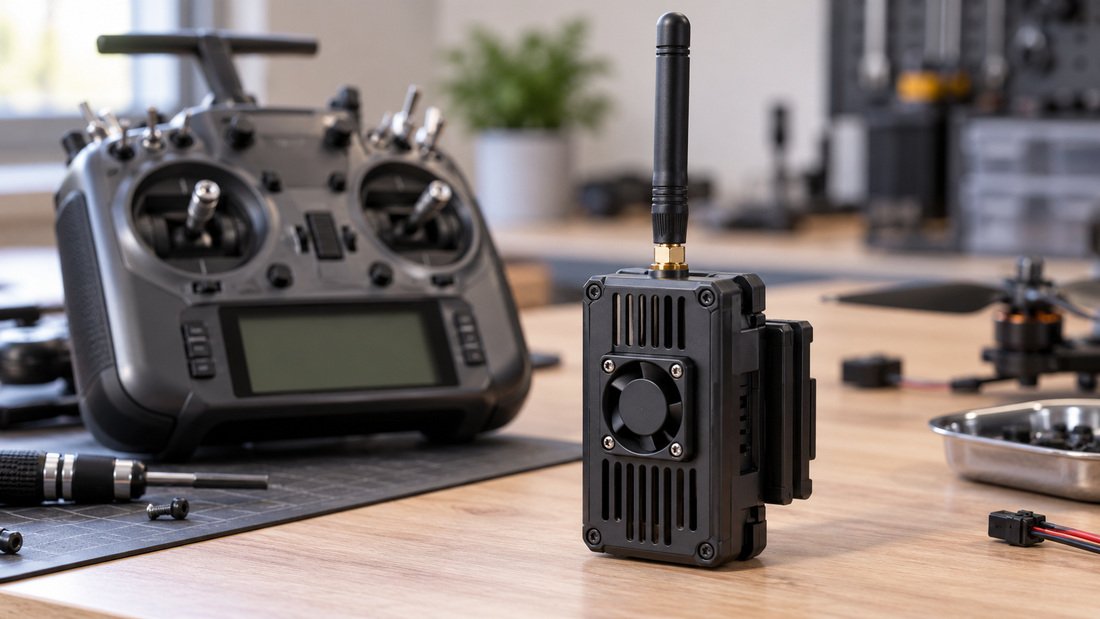
Radio equipment often includes firmware. Any change in firmware or hardware can affect compliance. Request a change log that documents revisions and confirm that the firmware version in the batch matches the approved version. For ELRS receivers and TX modules, firmware updates are common, so this is critical.
5. Shipping and Customs Documents
Commercial invoice, packing list, and bill of lading must match the approved model and include the appropriate approval references (e.g., FCC ID, CE mark). Some countries require additional import licenses or declarations.
For a deeper look at export control and product classification, see our export control and product classification guide.
Document Checklist by Market
Use this table to verify the documents required for each market. Note that additional documents may be needed for specific product types or shipping methods.
| Document | FCC (US) | CE-RED (EU) | SRRC (China) |
|---|---|---|---|
| Declaration of Conformity | Required (part of certification) | Required | Required |
| Test Report | Required | Required | Required |
| Certificate (FCC ID, CE certificate, SRRC certificate) | FCC ID grant | CE certificate from notified body (if applicable) | SRRC certificate |
| Batch Certificate of Conformity | Recommended | Recommended | Recommended |
| Change Log / Firmware Version | Required for verification | Required for verification | Required for verification |
Always confirm with your supplier that the documents are current and match the exact model and batch. For EU-specific requirements, refer to our EU UAS requirements page.
Common Mistakes and How to Avoid Them
Even experienced buyers can overlook key details. Here are frequent pitfalls:
- Accepting generic certificates: Certificates that do not list the specific model or batch number are insufficient.
- Ignoring firmware updates: A firmware change can alter radio characteristics; always verify the approved firmware version.
- Missing the DoC: The declaration of conformity is often forgotten but is legally required in many markets.
- Assuming global approval: FCC approval does not cover CE or SRRC; each market requires its own documentation.
- Not keeping copies: Maintain a compliance file for each shipment to respond to audits or customer inquiries.
Need help verifying supplier documents? Our compliance team can guide you through the requirements for your market. Request an OEM / Wholesale Quote and let us know your destination and product needs.
Procurement Checklist for Batch Documentation
Use this checklist when evaluating a supplier or receiving a shipment. Adapt it to your market and product.
- ☐ Declaration of Conformity (DoC) referencing the correct standard and model.
- ☐ Full test report from an accredited lab, including all applicable parameters.
- ☐ Certificate issued by the relevant authority (FCC ID, CE certificate, SRRC certificate).
- ☐ Batch certificate of conformity with batch/serial numbers and manufacturing date.
- ☐ Change log and firmware version confirmation.
- ☐ Shipping documents (invoice, packing list) that match the approved model.
- ☐ For lithium batteries, safety test reports and shipping declarations as per battery shipping compliance.
Note that lithium batteries require safety testing and are subject to specific air transport rules. For example, the FAA states that spare lithium batteries must be carried in carry-on baggage only and that terminals must be protected from short circuit (source: FAA lithium batteries guidance). This applies to air travel, but similar principles apply to shipping. Always request battery test reports and UN38.3 certificates where applicable.
What About ELRS Receivers and TX Modules?
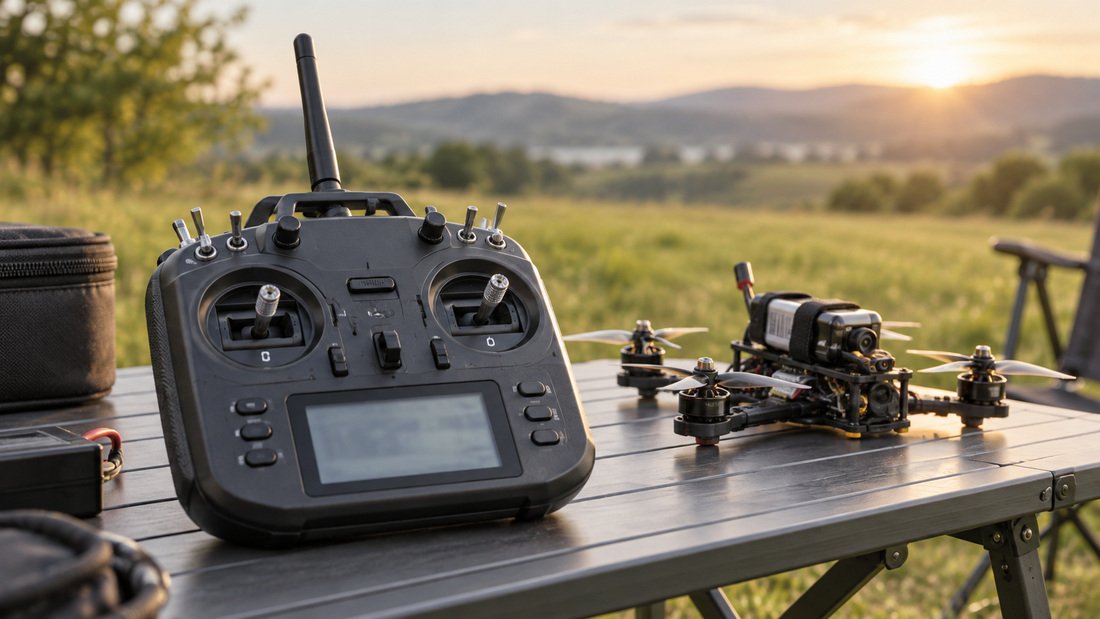
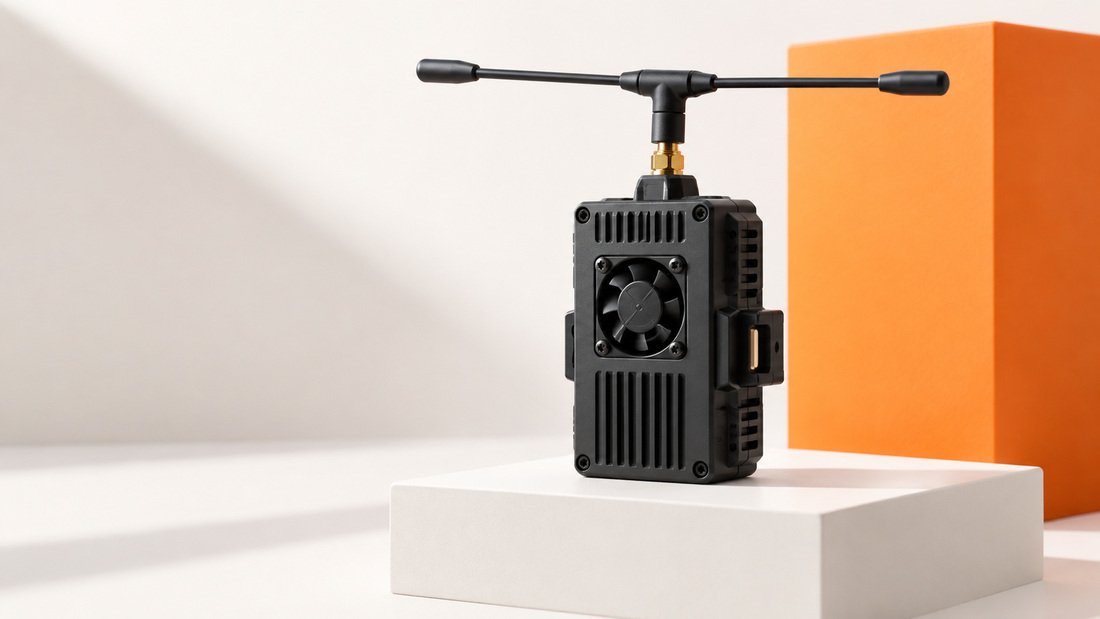
ELRS (ExpressLRS) is an open-source radio link system. For ELRS receivers (BKR) and TX modules (BKT), the same approval principles apply. However, because ELRS devices often support multiple frequency bands and power levels, the approval must cover the specific configuration shipped. Request documentation that lists the frequency bands and output power for the batch. Also confirm that the firmware version is the one tested, as ELRS firmware updates can change regulatory behavior.
For a comprehensive overview of compliance topics, visit our compliance center overview.
Frequently Asked Questions
1. Do I need a new certificate for every batch?
Not necessarily a new certificate, but you need a batch certificate of conformity that ties the batch to the approved design. The original certificate remains valid as long as the design and firmware are unchanged.
2. What if the supplier only provides a CE mark on the product?
A CE mark alone is not sufficient. You must obtain the declaration of conformity and test reports to verify compliance. The mark is a claim, not evidence.
3. Are FCC and CE approvals interchangeable?
No. FCC approval is for the US market, and CE-RED is for the EU. Each market has its own requirements and documents. You need separate approvals for each destination.
4. How do I verify that the documents match my batch?
Check the model number, batch or serial number range, and firmware version on the documents against the physical units and packaging. Request a sample from the batch if necessary.
5. What about SRRC for China?
SRRC approval is required for radio equipment sold in China. Request the SRRC certificate and ensure it covers the specific frequency bands and power levels of your product.
6. Do I need to keep copies of these documents?
Yes. Keep a compliance file for each shipment for at least the period required by local regulations. This helps with customs audits and customer inquiries.
7. Can Drone Parts Factory provide these documents?
Drone Parts Factory can supply the relevant compliance documents for its products. Contact us with your destination market and product details to confirm what is available.
Conclusion
Obtaining the right radio approvals documentation with each batch is essential for legal compliance and smooth customs clearance. By requesting a declaration of conformity, test reports, batch certificates, and change logs, you protect your business and ensure that the equipment you distribute meets local requirements. Always verify that the documents match the exact model and firmware version. For tailored guidance and to discuss your OEM or wholesale needs, Request an OEM / Wholesale Quote today.