Quick summary
Direct answer: The EU Toy Safety Directive (TSD) applies to products designed or intended for use by children under 14 for play. A drone sold as a children’s toy falls under the TSD, but most drones used in schools, clubs or drone soccer are not toys; they are unmanned aircraft (UAS) governed by EU aviation rules (Regulation 2018/1139 and related implementing regulations). Compliance depends on intended use, age group and how the product is presented. For procurement, confirm the classification in writing with your supplier and check both toy and UAS requirements where relevant.
Key Takeaways
- The EU Toy Safety Directive covers products designed or intended for children under 14 for play, including some toy drones.
- Drones used in education, sports or drone soccer are generally regulated as UAS, not toys, because their intended use is not play.
- Classification hinges on intended use, age of the user, and marketing; the same airframe could be a toy or a UAS depending on context.
- Schools and clubs should request written classification and compliance documentation from suppliers before purchase.
- Lithium battery transport and UAS operational rules apply separately from toy rules; see linked compliance guides.
What is the EU Toy Safety Directive?
The EU Toy Safety Directive (TSD) is the framework that sets safety requirements for toys sold in the EU. Its purpose is to ensure toys are safe for children, with essential safety requirements, conformity assessment, CE marking and warnings. The TSD applies to products designed or intended, whether or not exclusively, for use in play by children under 14 years of age. It does not apply to products that are not intended for play, such as sports equipment or educational equipment used under supervision, although the boundary can be nuanced.
For a B2B buyer, the key question is not just “is it a drone?” but “is it a toy under the TSD?” The answer affects which conformity route, documentation and warnings are required. The TSD is separate from EU UAS rules, which govern drone operations and product requirements for unmanned aircraft. A product could, in principle, need to satisfy both if it is marketed as a toy and also falls within UAS rules.
Does the EU Toy Safety Directive cover drones?
It depends on the drone’s intended use. A drone marketed as a children’s toy, with play as its primary purpose, is likely covered by the TSD. A drone intended for education, sports, drone soccer or professional use is generally not a toy. For example, a drone soccer ball or a training drone used in a school program is likely a UAS or sports equipment, not a toy, because its intended use is sport or education rather than play. The TSD explicitly excludes equipment intended for sports or educational purposes in many contexts, but the exact boundary is fact-specific.
Regulatory guidance and market surveillance practice look at the product’s presentation, packaging, instructions and reasonably foreseeable use. If a supplier markets a drone to children as a plaything, it may be treated as a toy even if adults also use it. Conversely, a drone sold to schools with educational materials and age recommendations may be treated as educational equipment or a UAS. There is no single list that classifies every drone; buyers should obtain a written classification from the supplier.

Children’s product and sports equipment rules: how drones fit
EU product rules separate children’s products from sports equipment. The TSD focuses on toys for children under 14, while sports equipment is generally outside the TSD. Drone soccer, as a competitive sport, often uses drones that are sports equipment. Schools and clubs should not assume a drone soccer ball is a toy just because students use it. Instead, they should confirm the intended use, age suitability and applicable conformity documentation.
For a school program, the procurement team should ask: Is the drone intended for play by children under 14? If yes, TSD may apply. Is it intended for supervised sport or education? If yes, it is more likely a UAS or sports equipment. The answer should be documented in the supplier’s technical file or declaration. This is not a substitute for legal advice, but it gives a defensible basis for purchasing decisions.
What about drones used in schools and youth programs?
Drones used in schools and youth programs are typically governed by EU UAS rules, not the TSD, when used for education or sport. The EU UAS framework includes product requirements and operational rules. For example, drones in the “open” category have specific limitations and operator responsibilities. The EU UAS requirements guide from DPF explains the categories and what schools should check. Schools should also consider insurance, supervision and local rules. The TSD may still apply to accessories or parts marketed as toys, so check each item separately.
If a school buys a drone kit for a STEM class, the kit may be educational equipment, not a toy. However, if the kit is marketed to children as a plaything, it could be a toy. The distinction matters for documentation. Ask the supplier for a written statement of intended use and the conformity route. This helps schools meet their duty of care and procurement policies.
What about drone soccer balls and competition equipment?
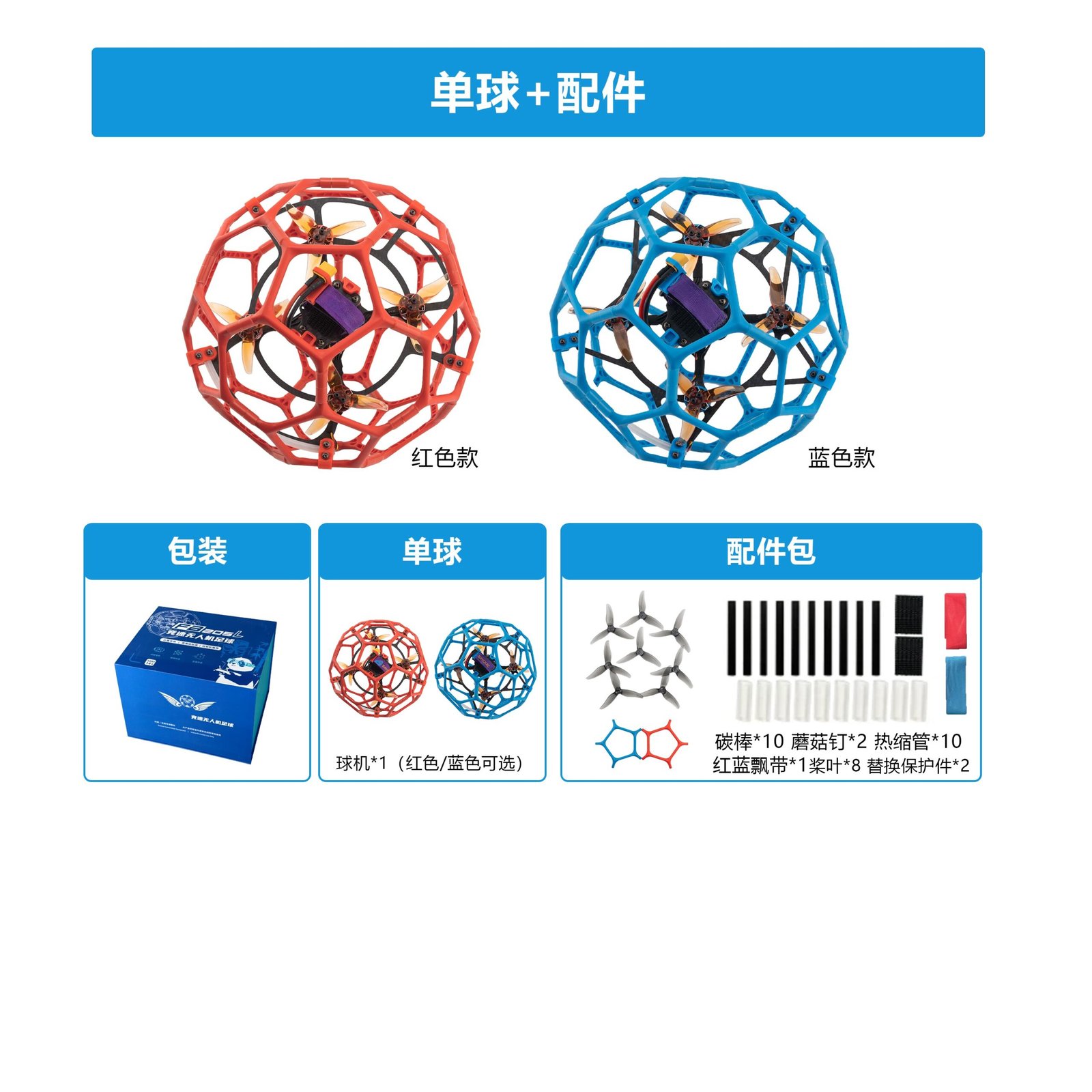
Drone soccer equipment, such as protective balls or bumpers, is generally sports equipment, not a toy. The intended use is competitive sport, often for participants of various ages. Sports equipment is generally outside the TSD, but it may still be subject to general product safety rules. For B2B buyers, the key is to specify the intended use in the purchase contract and ask for relevant declarations. The DPF drone soccer (BKZ) product line is designed for sport and education, but specific compliance documentation should be requested and confirmed in writing.
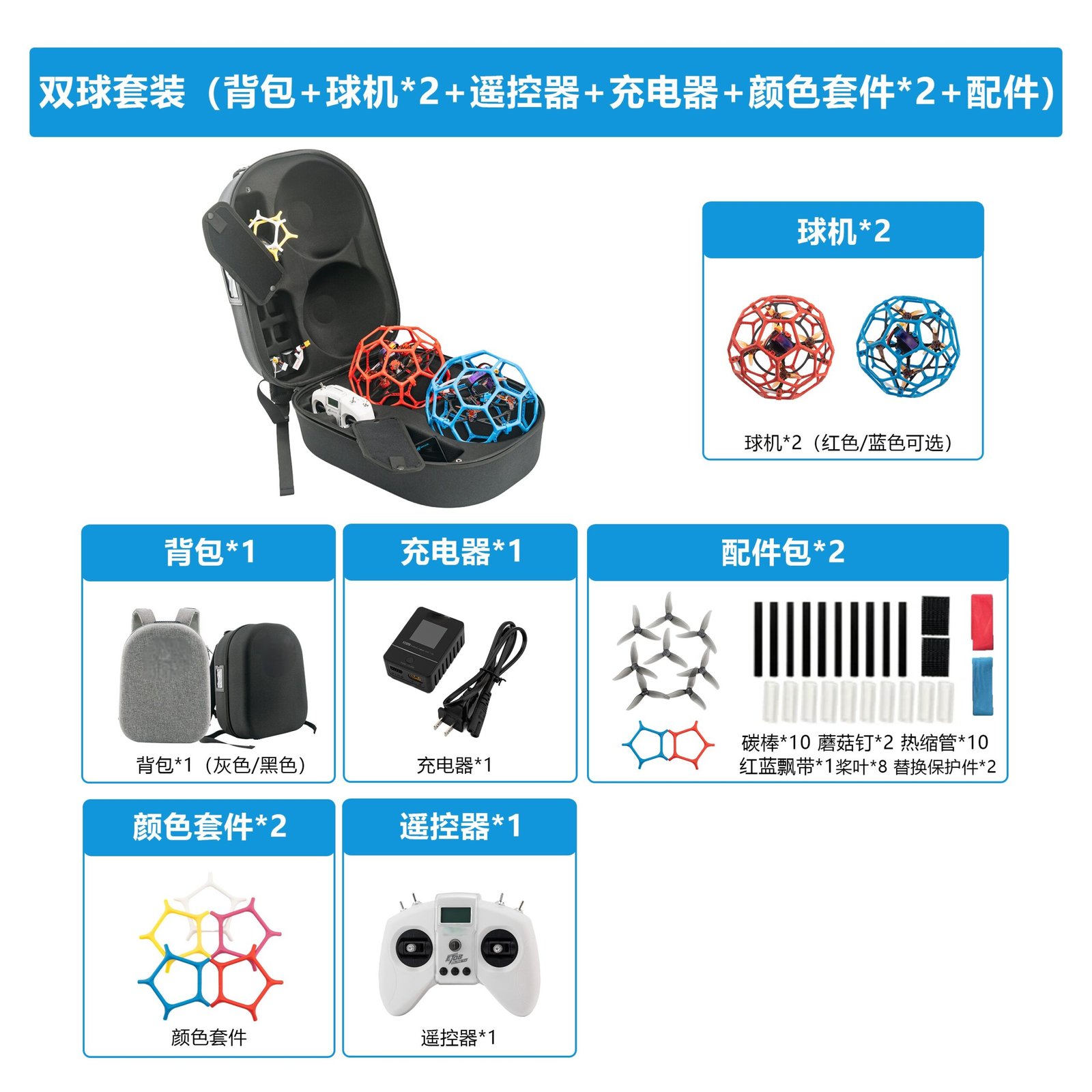
Comparison: TSD vs EU UAS rules for drones
| Aspect | EU Toy Safety Directive (TSD) | EU UAS rules (Regulation 2018/1139 etc.) |
|---|---|---|
| Primary focus | Safety of toys for children under 14 | Safety of unmanned aircraft operations and products |
| Intended use | Play by children | Education, sport, professional, recreational flight |
| Typical drone | Toy drone marketed to children | Drone soccer ball, training drone, school kit |
| Conformity marking | CE marking under TSD | CE marking under UAS rules where applicable |
| Documentation | Technical file, declaration of conformity, warnings | Technical documentation, declaration, operating manual |
| Operational rules | Not applicable (product rules only) | Operator registration, remote ID, categories |
This table is general guidance, not legal advice. The exact obligations depend on the product and its intended use. Buyers should verify with the supplier and, where needed, a compliance specialist.
Procurement checklist for schools and clubs
Use this checklist to structure your purchase and reduce compliance risk. It is not exhaustive, but it covers the common gaps we see in school and club procurement.
- Define intended use: play, education, sport or mixed. Document it in the purchase order.
- Ask the supplier for a written classification: toy, UAS, sports equipment or other.
- Request the declaration of conformity and technical file references for the applicable rules.
- Check age recommendations and supervision requirements in the instructions.
- Confirm battery transport and shipping documentation; see the battery shipping compliance guide.
- Verify UAS operational requirements for your country and category; see the EU UAS requirements guide.
- For custom or OEM projects, clarify who holds the conformity documentation and CE marking responsibility.
- Keep records of supplier declarations for your school’s audit and insurance purposes.
Common mistakes in drone procurement
Schools and clubs often assume that any drone used by children is a toy. That is not correct. The TSD is about play, not age alone. Another common mistake is relying on a supplier’s verbal assurance without written documentation. For B2B purchases, written classification and conformity documents are essential. A third mistake is ignoring battery transport rules, which are separate from toy and UAS rules. Lithium batteries are regulated for air transport, and spare batteries must be protected from short circuit and carried in carry-on baggage only where applicable. The FAA provides useful guidance on lithium battery safety, which illustrates the type of safety testing and handling concerns that apply to lithium batteries in general, though it is US-focused and not an EU regulation. Always check the applicable EU and airline rules.
Another mistake is mixing up product compliance and operational compliance. A drone can be compliant as a product but still require operator registration or remote ID. Schools should check both. Finally, buyers sometimes overlook the need to update documentation when they rebrand or modify a product. If you change the intended use or packaging, the classification may change. Keep your supplier informed and request updated declarations.
Trade-offs: cost, documentation and flexibility
Choosing a drone for a school program involves trade-offs. Toys may have simpler operational rules but are not suitable for sport. UAS or sports equipment may require more documentation and operational checks but are designed for the intended use. Buying a toy drone for drone soccer may save money upfront but could create compliance and safety issues. Conversely, buying a professional UAS for young children may be over-specified and costly. The right choice depends on the program’s goals, age group and supervision level.
Documentation also involves trade-offs. A supplier with complete documentation may have higher prices or longer lead times, but it reduces risk. For OEM/ODM projects, clarifying who owns the technical file and CE marking is critical. If you private-label a drone, you may become the manufacturer for compliance purposes. Discuss this with your supplier and confirm responsibilities in writing. DPF’s compliance center overview explains how documentation is organized and what buyers can request.
Ready to equip your school program? Request a School Program Quote to discuss your drone soccer or training needs.
Frequently asked questions
Is a drone a toy under EU rules?
Only if it is designed or intended for play by children under 14. Drones for education, sport or professional use are generally UAS, not toys. The classification depends on intended use, marketing and age recommendations. Ask your supplier for a written statement.
Do schools need to follow the Toy Safety Directive for drone soccer?
Generally no, because drone soccer is a sport, not play. However, you should confirm the product classification and check UAS rules. Some accessories may still be toys if marketed to children. Always request documentation.
What is the difference between TSD and CE marking for drones?
Both can involve CE marking, but under different rules. TSD CE marking is for toys. UAS CE marking is for unmanned aircraft under aviation rules. A product might need one or the other, or both in rare cases. The declaration of conformity should state the applicable directive or regulation.
Are lithium batteries in drones regulated separately?
Yes. Lithium batteries are subject to transport and safety rules. For air travel, spare batteries must be protected from short circuit and carried in carry-on baggage only, and there are watt-hour limits. The FAA provides guidance on these rules for US travel, but always check the specific airline and EU rules. See our battery shipping compliance guide.
What should I request from a supplier before buying drones for a school?
Request a written classification of intended use, the declaration of conformity, technical file references, age and supervision instructions, and battery transport documents. For OEM projects, clarify who holds the CE marking. Confirm all commercial terms in writing.
Does the Toy Safety Directive apply to drone parts and accessories?
It can, if the part or accessory is designed or intended for play by children under 14. For example, a toy controller or a decorative accessory might be a toy. Functional drone parts for sport are more likely sports equipment or UAS components. Check each item’s intended use.
How does DPF support compliance for school and club orders?
DPF provides product documentation and can discuss classification and conformity needs for your order. Specific terms, documentation packages and responsibilities should be confirmed in writing. Visit our compliance center overview or contact us to discuss your requirements. We do not invent certifications or timelines; we confirm what is available for your project.
Conclusion
The EU Toy Safety Directive covers drones only when they are toys for children under 14. Most school, club and drone soccer drones are UAS or sports equipment, governed by aviation rules. The safest approach is to define intended use, request written classification and conformity documents, and check both product and operational requirements. Battery transport rules are separate and should be verified with your carrier. For procurement next steps, Request a School Program Quote and confirm documentation requirements in writing.