Quick summary
A reasonable failure rate for training drones depends on the use case, but for school and youth programs, even a 5–10% annual failure rate can be disruptive. Failures should be measured through consistent product safety testing and field data. Rather than chasing a single number, focus on defining what counts as a failure, tracking it, and choosing suppliers who can document their testing and quality control. A well-managed program balances safety, budget, and learning continuity.
Key Takeaways
- There is no universal “acceptable” failure rate; it varies with drone type, usage intensity, and maintenance.
- Define failure clearly (e.g., loss of control, battery issue, structural break) and track incidents to establish your own baseline.
- Product safety testing and quality control at the supplier level reduce early-life failures.
- For drone soccer (BKZ) programs, ball and frame durability are common failure points—ask for test evidence.
- Procurement should include written confirmation of testing protocols, warranty terms, and spare parts availability.
What Does “Failure Rate” Mean for Training Drones?
Failure rate is the percentage of drones that fail within a given period, but the definition of “failure” matters. For schools, a failure could be a crash caused by component malfunction, a battery that no longer holds charge, or a motor that stops mid-flight. Without a clear definition, comparing rates is misleading. Start by categorizing failures: critical (safety risk), functional (drone unusable), and cosmetic. Then track them per fleet per term.
Why One Number Doesn’t Fit All
A beginner drone flown indoors at low speed may see different failure patterns than a drone soccer ball subjected to repeated impacts. Usage intensity, operator skill, and maintenance practices all affect failure rates. Instead of asking “what is a reasonable rate?”, ask “what failure types are acceptable for our program, and how will we detect them?”
How Product Safety Testing Informs Failure Rate Expectations
Product safety testing helps predict failures by simulating stress conditions. Tests may include drop tests, motor endurance, battery safety, and radio link stability. Suppliers who perform documented testing can provide data on expected performance. However, test results are not guarantees—real-world use varies. Ask suppliers what tests they run and how they use results to improve reliability.
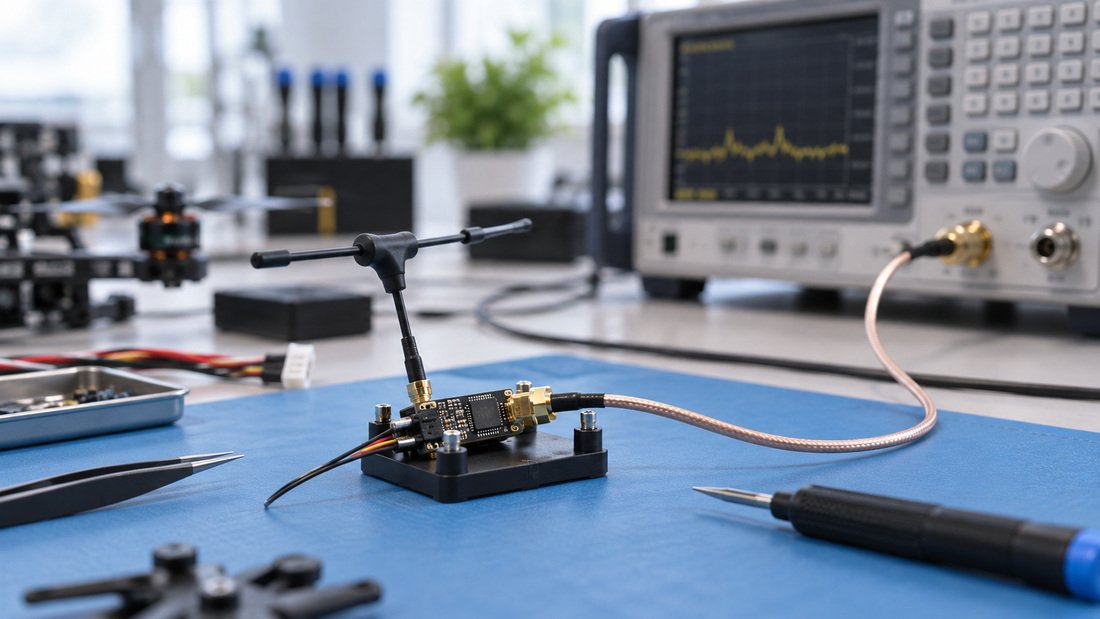
For example, bench testing of radio links can reveal range and interference issues before deployment. Schools can request summaries of such tests.
Typical Failure Points in Training Drones
- Batteries: swelling, reduced capacity, connector wear.
- Motors and propellers: bearing wear, bent shafts, cracked props.
- Frames and guards: cracks from impacts, especially in drone soccer.
- Radio and control: signal loss, antenna damage.
- Software/firmware: glitches, update issues.
Knowing common failure points helps you design inspection routines and spare parts inventory.
Comparing Failure Rates by Drone Type and Use Case
Failure rates differ by drone category and program intensity. The table below provides illustrative ranges based on general industry experience—not DPF-specific data. Use it as a starting point for discussions with suppliers.
| Drone Type / Use Case | Illustrative Annual Failure Rate Range | Common Failure Modes |
|---|---|---|
| Beginner trainer (indoor, low speed) | 3–8% | Propeller damage, battery degradation |
| Drone soccer (BKZ) ball | 10–20% | Frame cracks, motor wear from impacts |
| FPV racing trainer | 8–15% | Motor burnout, camera damage, antenna breakage |
| Advanced education drone | 5–12% | Sensor drift, firmware issues |
These ranges are illustrative; actual rates depend on maintenance and operating conditions. Request field data or accelerated life test summaries from suppliers.
How to Set a Reasonable Failure Rate for Your Program
Define your program’s tolerance for failure based on safety, budget, and learning objectives. A reasonable rate is one that keeps the program running without compromising safety. Start by tracking failures for one term, then set targets. Consider that some failures are learning opportunities—students can learn troubleshooting. But frequent critical failures erode trust and consume staff time.
Steps to Establish Your Baseline
- Log every failure with date, drone ID, failure type, and suspected cause.
- Classify failures as critical, functional, or cosmetic.
- Calculate failure rate per 100 flight hours or per term.
- Review with staff and adjust maintenance schedules.
- Use data to negotiate with suppliers and plan spares.
Procurement Checklist: Product Safety Testing and Quality Control
When sourcing training drones or parts, use this checklist to verify supplier practices. Confirmed DPF information: DPF offers quality control and testing and inspection services as part of OEM/ODM projects. For specific test protocols and reports, request details in writing.
- Ask for a description of product safety testing performed on the drone or components.
- Request sample test reports or summaries (e.g., drop test, endurance test).
- Confirm quality control steps during production (e.g., incoming inspection, functional test).
- Clarify warranty terms and what is covered (see warranty and after-sales program).
- Ask about spare parts availability and recommended spares kit.
- Check for safety and compliance support if your region requires certifications.
- Request references from similar education programs (if available).
For unverified commercial terms such as MOQ, lead time, and warranty period, ask for written confirmation.
Planning a school drone program? Request a School Program Quote to discuss your needs.
Common Mistakes When Evaluating Failure Rates
Buyers often overlook key factors. Avoid these mistakes:
- Not defining failure: Without a clear definition, data is incomparable.
- Ignoring maintenance: Many failures stem from lack of routine checks.
- Over-relying on a single test: One test doesn’t predict all failures.
- Choosing on price alone: Cheaper drones may have higher failure rates and hidden costs.
- Not planning spares: Without spares, minor failures become major disruptions.
Frequently Asked Questions
What is a reasonable failure rate for training drones?
There is no universal standard. For school programs, a rate that keeps critical failures near zero and functional failures manageable (e.g., under 10% annually) may be reasonable, but it depends on your risk tolerance and budget. Track your own data to set targets.
How can product safety testing reduce failure rates?
Testing identifies design weaknesses and manufacturing defects before deployment. It helps suppliers improve reliability and gives buyers evidence to compare products. However, testing cannot eliminate all failures.
What should schools ask suppliers about testing?
Ask for test protocols, sample reports, and how test results are used in quality control. Also ask about field data from similar programs if available.
Are drone soccer balls more prone to failure?
Drone soccer (BKZ) involves repeated impacts, so ball frames and motors may experience higher wear. Ask for durability test summaries and consider spare balls.
How do we track failure rates effectively?
Implement a simple logbook or spreadsheet. Record each failure with details and calculate rates per term or flight hour. Review regularly.
What warranty terms are typical?
Warranty terms vary. Request written warranty details from each supplier, including coverage period and what is excluded.
Can we customize testing for our program?
Some suppliers offer customized testing for OEM/ODM projects. Discuss your specific needs and request a proposal.
Conclusion
Setting a reasonable failure rate for training drones is about understanding your program’s needs and working with suppliers who prioritize safety and quality. Use product safety testing evidence, track your own data, and choose partners who provide transparent information. To discuss your school program requirements and request a tailored quote, Request a School Program Quote.