Quick summary
Mounting the antenna safely on a drone soccer ball cage requires isolating the antenna from impact forces, securing it to a rigid part of the frame rather than the flexible cage net, and routing the cable so it cannot be snagged or pinched. Use a dedicated antenna mount or standoff with a zip tie and heat-shrink strain relief, keep the active element clear of carbon and metal, and test range before every match. This protects both the drone soccer ball cage and structure and the radio link that keeps the drone controllable.
Key Takeaways
- Mount to the frame, not the net: attach the antenna base to a rigid carbon or plastic frame element inside the cage, using a standoff or bracket that can absorb impacts.
- Protect the connector and cable: use a short pigtail with strain relief and a right-angle connector to avoid bending the antenna’s own connector.
- Keep the active element in clear air: avoid placing the antenna directly against carbon fiber, metal screws, or the cage shell, which can detune it and reduce range.
- Use a break-away or flexible mount: a flexible antenna or a mount that can flex on impact reduces the chance of ripping the connector off the flight controller.
- Inspect and range-check after every impact: a visual check plus a range test catches bent pins, cracked mounts, and damaged coax before they cause a failsafe.
Why Antenna Placement Matters on a Drone Soccer Ball Cage
A drone soccer ball cage is designed to absorb collisions, but it also changes the radio environment around the drone. The cage and its mounting hardware can block or reflect 2.4 GHz and 5.8 GHz signals, and the antenna is often the most exposed part of the electronics. A poorly mounted antenna can be snapped off in a single collision, leaving the drone unresponsive.
The goal is to keep the antenna rigidly attached to the airframe, electrically clear of conductive materials, and mechanically protected by the cage without being mounted directly on the flexible net or shell. This is a structural and RF problem, not just a zip-tie problem.
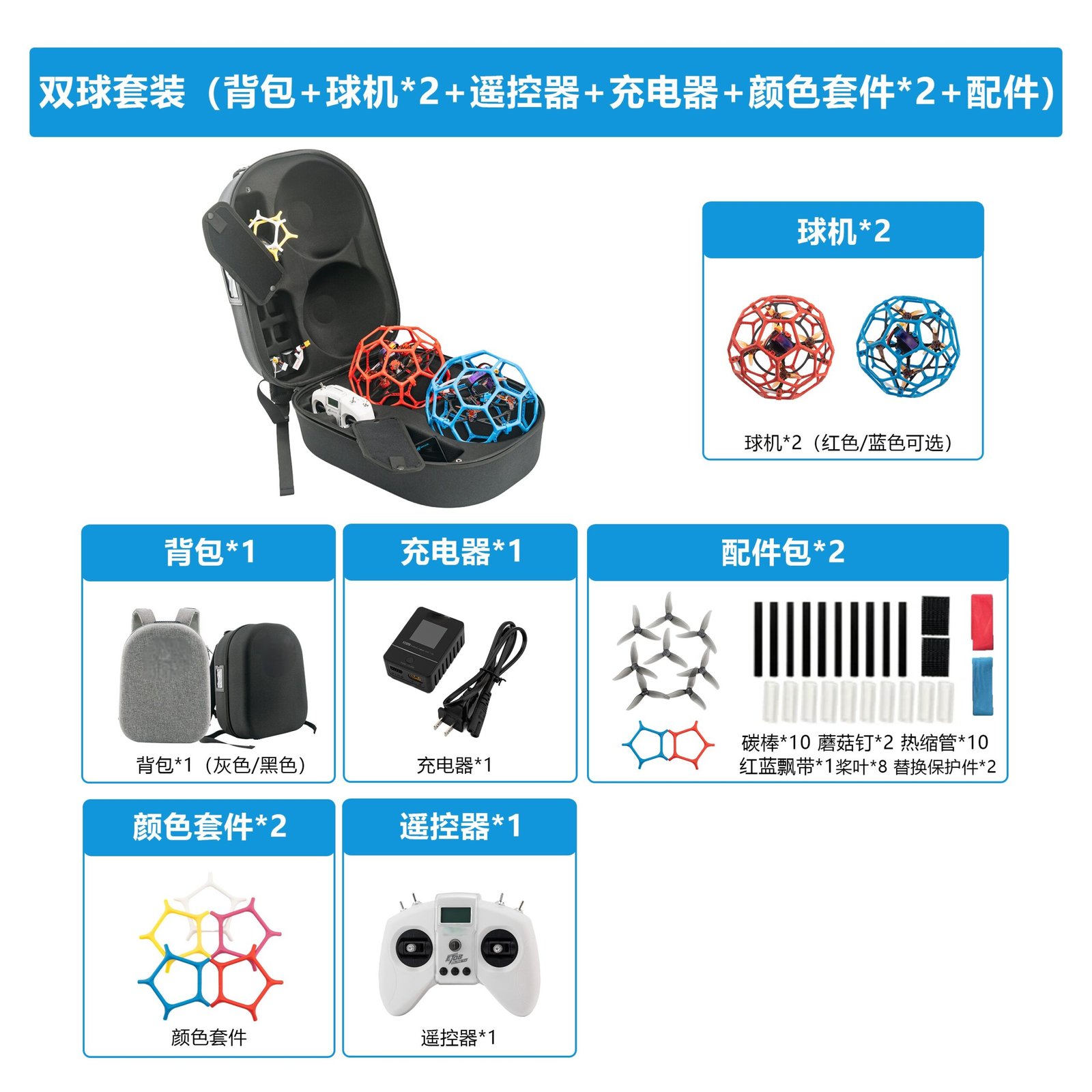
How Should You Mount the Antenna on the Cage?
The safest approach is to mount the antenna to a rigid frame element that is inside or integrated with the cage, using a flexible or break-away mount and a short, strain-relieved pigtail. Avoid attaching the antenna directly to the cage net or shell, because those parts flex on impact and will transfer force to the antenna connector.
Step-by-step mounting approach
- Choose a rigid mounting point. Select a carbon plate, arm, or dedicated antenna mount that is part of the drone frame, not the protective cage shell. The frame should be stiff enough that it does not flex significantly under impact.
- Use a standoff or printed bracket. A short standoff or bracket raises the antenna base away from conductive carbon and gives the connector room to flex. Many drone frames include antenna mounting holes; check your frame’s documentation.
- Add a short pigtail with strain relief. Connect the antenna to the flight controller or VTX using a short coax pigtail. Use heat-shrink or a zip tie to anchor the pigtail so that impacts pull on the mount, not the connector.
- Orient the antenna for clear line of sight. Keep the active element vertical and away from carbon, metal screws, and the cage shell. If the antenna is too close to conductive material, range can drop significantly.
- Secure with a flexible or break-away element. A flexible antenna whip or a mount designed to snap away on impact reduces the chance of ripping the connector off the board. Avoid rigid metal brackets that transmit impact directly to the connector.
- Range-check and inspect. Before flying, do a range test and visually inspect the mount, pigtail, and connector. After every hard impact, repeat the check.
For replacement cages, shells, and mounting accessories, see drone soccer replacement parts.
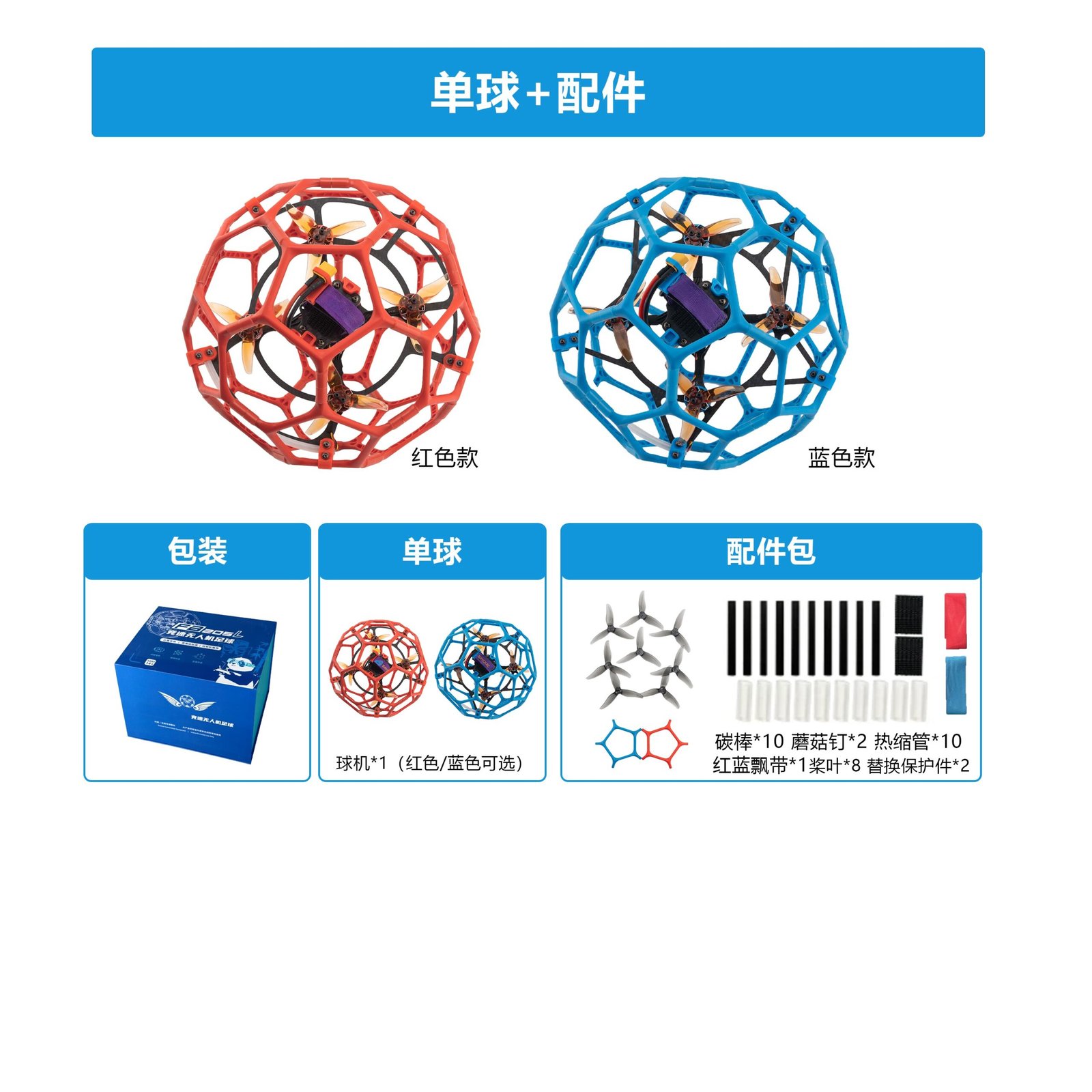
What Are the Common Antenna Mounting Mistakes?
Most antenna failures in drone soccer come from a few repeatable mistakes. Knowing them helps teams avoid mid-match failsafes and expensive repairs.
- Mounting directly to the cage net or shell. The cage flexes on impact, so the antenna connector takes the load and can crack or pull off.
- No strain relief on the pigtail. A dangling pigtail can snag on the cage or another drone and rip the connector from the flight controller.
- Antenna pressed against carbon fiber. Carbon is conductive and can detune the antenna, reducing range and causing unpredictable control.
- Using a rigid metal mount. Rigid mounts transfer impact directly to the connector instead of absorbing it.
- Ignoring post-impact inspection. A bent pin or cracked coax may still work intermittently, leading to a failsafe at the worst moment.
Comparison: Antenna Mounting Options for Drone Soccer
The table below compares common mounting approaches. Actual performance depends on the specific frame, cage, and antenna; test your own setup.
| Mounting Option | Impact Protection | RF Performance | Ease of Installation | Best For |
|---|---|---|---|---|
| Standoff on frame with flexible antenna | High | Good if clear of carbon | Moderate | Most team drones |
| Printed bracket on cage shell | Low to moderate | Can be blocked by shell | Easy | Lightweight builds |
| Rigid metal bracket | Low | Good but risk of detuning | Moderate | Not recommended for impact-heavy play |
| Zip tie to cage net | Very low | Poor and unstable | Easy | Temporary only; not for matches |
| Flexible break-away mount | High | Good | Moderate | Competition and training |
If you are selecting frames for a team, review the available drone frames and confirm antenna mounting provisions with the supplier.
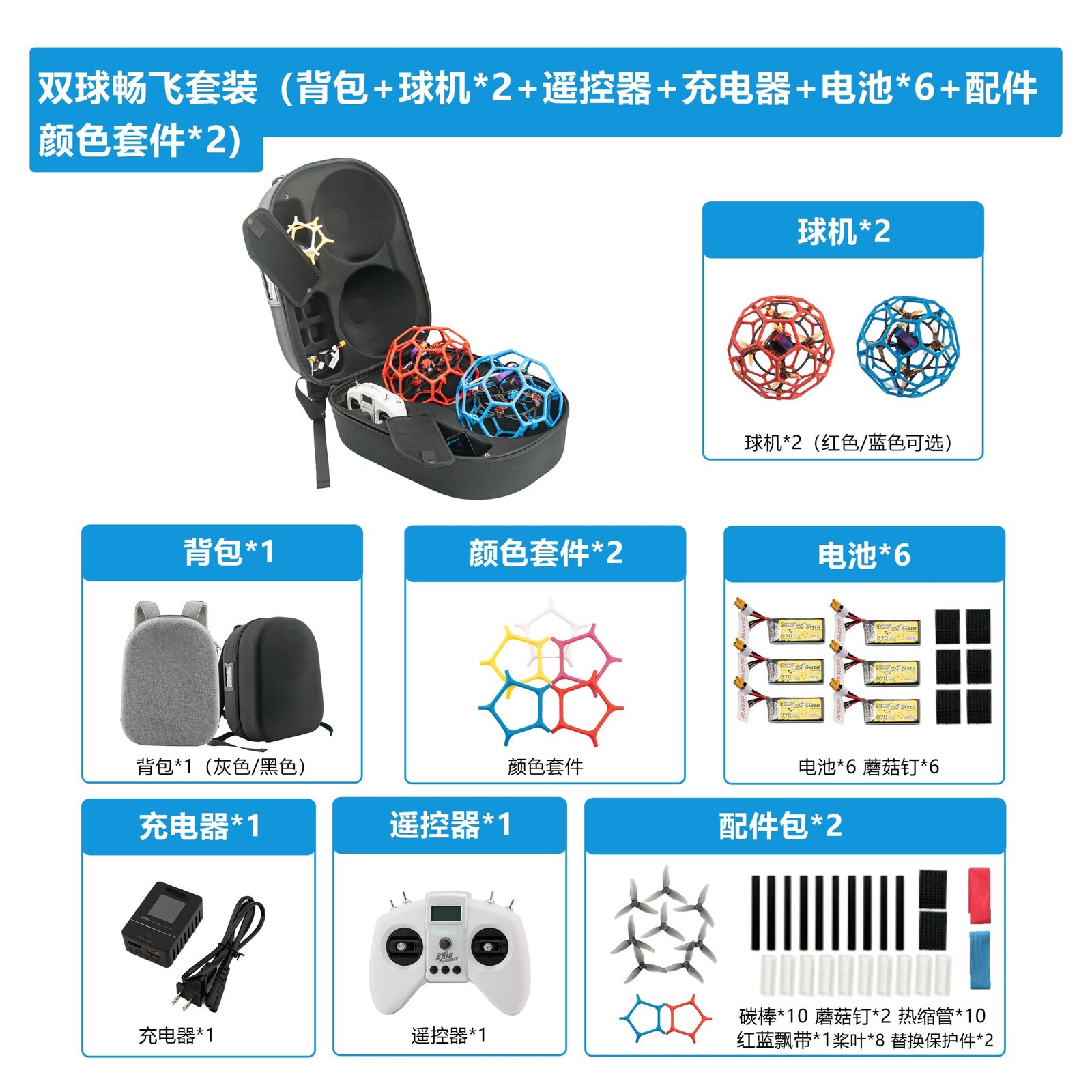
Buyer Checklist: Antenna Mounting and Cage Procurement
Use this checklist when specifying drones, cages, or replacement parts for a school, club, or association. Confirm each item in writing with your supplier, especially where terms are not published.
- Antenna mounting provision: Does the frame include a dedicated antenna mount or standoff hole pattern? Ask for the mounting hole spacing and thread size.
- Cage material and stiffness: Is the cage shell rigid enough to protect the antenna without flexing into it? Request material and thickness details.
- Pigtail and connector type: Confirm the connector type (e.g., SMA, RP-SMA, U.FL) and pigtail length. Mismatched connectors are a common failure point.
- Strain relief design: Ask how the pigtail is anchored. A supplier that understands impact loads should offer a strain-relief solution or recommend one.
- Spare parts availability: Confirm availability of protective shells and antenna mounts for repairs.
- Documentation: Request assembly guidance or a mounting diagram. If not available, ask what the supplier recommends.
- Commercial terms: Confirm lead times, minimum order quantities, warranty, and replacement policy in writing; these are not assumed here.
How Do You Protect the Antenna During Play and Storage?
Protection continues after mounting. During play, the cage absorbs most impacts, but the antenna can still be struck by another drone or the goal frame. During storage and transport, antennas are vulnerable to bending and connector stress.
- Use a flexible antenna or a break-away mount to reduce impact transfer.
- Inspect the antenna and pigtail after every match and hard landing.
- Store drones with antennas upright or in a protective case; avoid bending the antenna at the connector.
- Keep spare antennas and pigtails in the team kit, especially for competition events.
For team builds that combine frame, motors, and ESCs, propulsion combo kits can simplify procurement, but always confirm antenna mounting compatibility with the supplier.
Frequently Asked Questions
Can I mount the antenna directly on the drone soccer ball cage shell?
It is not recommended. The cage shell flexes on impact and can transfer force to the antenna connector. Mount to a rigid frame element instead, or use a flexible break-away bracket if the shell is the only option.
What is the best antenna type for drone soccer?
A flexible whip antenna or a short dipole with a strain-relieved pigtail is common. The best choice depends on your radio system and frame; confirm compatibility with your supplier and test range before matches.
How do I prevent the antenna from detuning?
Keep the active element away from carbon fiber, metal screws, and the cage shell. Use a standoff to raise the antenna base and maintain clear line of sight. Test range after installation.
How often should I inspect the antenna mount?
Inspect before and after every match or training session, and after any hard impact. Look for bent pins, cracked mounts, frayed coax, and loose connectors.
What should I do if the antenna connector is damaged?
Replace the pigtail or antenna rather than attempting field repairs that may damage the flight controller. Keep spare parts in your team kit. Contact your supplier for replacement options.
Does the cage material affect radio range?
Yes, conductive materials near the antenna can absorb or reflect RF energy. Carbon fiber and metal hardware can reduce range. Position the antenna in clear air and test your specific setup.
Can I use a different antenna than the one supplied?
Only if it matches your radio system’s connector and frequency band. A mismatched antenna can damage the transmitter or drastically reduce range. Confirm specifications with your supplier.
Conclusion
Safely mounting the antenna on a drone soccer ball cage comes down to mounting to a rigid frame element, using strain relief and a flexible or break-away mount, keeping the active element clear of conductive materials, and inspecting after every impact. These practices protect your drone soccer ball cage and structure and keep the radio link reliable during play.
To equip a team with cages, frames, and replacement parts, Request a Team Kit Quote and confirm antenna mounting provisions, spares, and commercial terms in writing with the supplier.