Quick summary
A pre-shipment inspection (PSI) is a final quality check performed after production is complete and before goods leave the factory. For drone parts, it confirms that quantity, labeling, packaging, and agreed specifications match your purchase order. The process typically involves booking an inspector, agreeing on a sampling plan such as AQL (Acceptable Quality Limit), reviewing test reports and packaging, and documenting findings in a report. Clear communication and written acceptance criteria are essential. This guide explains how to plan and execute a PSI for ELRS receivers, motors, ESCs, and flight controllers, with practical checklists and questions to ask your supplier.
Key Takeaways
- Define written acceptance criteria and a sampling plan before production finishes; do not rely on verbal agreements.
- Use a third-party inspector or a documented internal process; confirm the scope and reporting format in advance.
- Focus on functional checks, workmanship, labeling, packaging, and quantity; request test evidence where applicable.
- Record findings with photos and a clear pass/fail report; agree on corrective actions for any defects.
- Confirm all commercial terms, inspection costs, and timelines in writing with your supplier.
What is a pre-shipment inspection in factory QC?
A pre-shipment inspection is a systematic check of finished goods before shipment. It is part of factory QC and inspection activities that help buyers verify that products meet agreed specifications. For drone components, a PSI often includes visual inspection, quantity verification, packaging review, and functional testing of a sample. It does not replace in-process quality control or design verification, but it provides a final checkpoint before goods are shipped.
PSI is especially important for B2B buyers such as schools, drone soccer clubs, distributors, and OEM/ODM procurement teams. These buyers often order in bulk and need consistent quality across units. A well-planned inspection reduces the risk of receiving non-conforming parts and helps maintain trust with end users.
Why pre-shipment inspection matters for drone parts
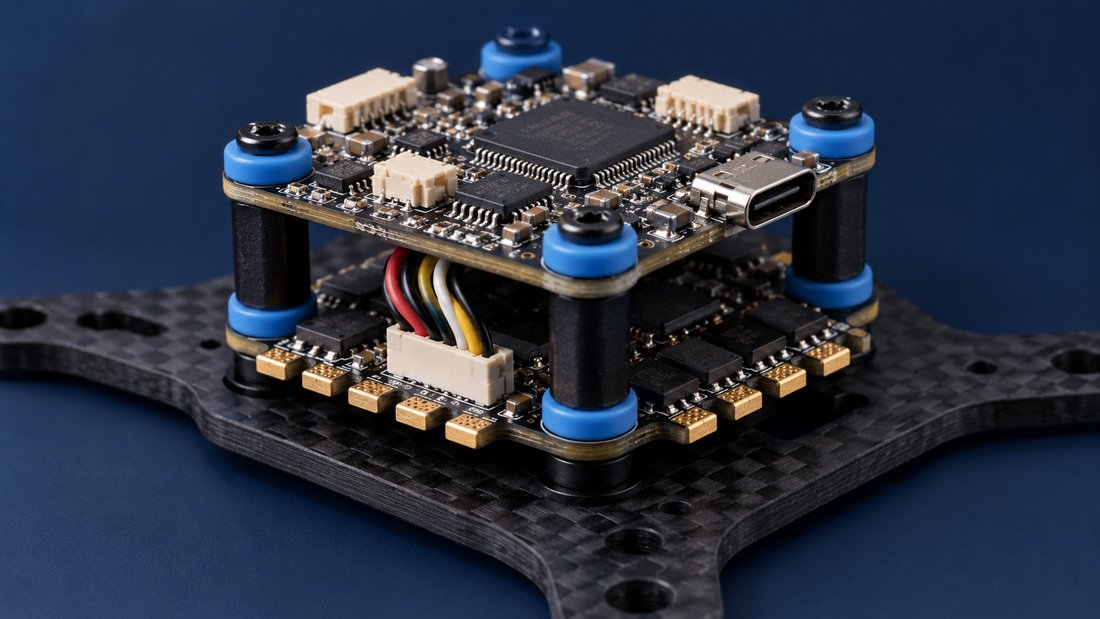
Drone parts such as ELRS receivers, motors, ESCs, and flight controllers are precision components. Defects can affect performance, safety, and user experience. A PSI helps catch issues like soldering defects, incorrect firmware, missing accessories, or damaged packaging before they reach your warehouse. For educational programs and drone soccer teams, reliable parts are critical for training and competitions.
Moreover, a PSI creates a documented record of the transaction. If disputes arise, the inspection report serves as evidence of the condition of goods at the time of shipment. This is valuable for both buyers and suppliers.
How to plan a pre-shipment inspection: step-by-step
Planning is key to a smooth inspection. Start by defining what you want to inspect and how. Then coordinate with your supplier and, if needed, an inspection company. The steps below outline a typical process for drone parts.
1. Define acceptance criteria and specifications
Work with your supplier to document clear specifications for each product. This includes dimensions, materials, firmware version, connector types, and performance parameters. For ELRS receivers, specify frequency bands and protocol compatibility. For motors, define KV rating, stator size, and winding quality. For ESCs, specify current rating and firmware. For flight controllers, specify sensor models and port layout. These criteria become the basis for inspection.
2. Agree on a sampling plan
Decide how many units to inspect. Common practice is to use an AQL-based sampling plan, such as ISO 2859-1 or ANSI/ASQ Z1.4. These standards provide tables for sample size and acceptance numbers based on lot size and inspection level. Discuss with your supplier and inspector to choose a plan that balances risk and cost. For critical components, you may choose a tighter inspection level.
3. Choose the inspection provider
You can use a third-party inspection company or rely on your supplier’s internal QC team. Third-party inspections offer independence but add cost. If using the supplier’s team, ensure they follow a documented process and provide a detailed report. Clarify who bears the inspection cost; this should be agreed in writing.
4. Schedule the inspection
Book the inspection when production is complete and goods are packed. Provide the inspector with access to the factory and the necessary documents. Confirm the date and time in advance to avoid delays.
5. Prepare documentation
Gather the purchase order, product specifications, approved samples (if any), and any previous inspection reports. These documents help the inspector understand the requirements. Also prepare a checklist of specific points to inspect.
6. Conduct the inspection
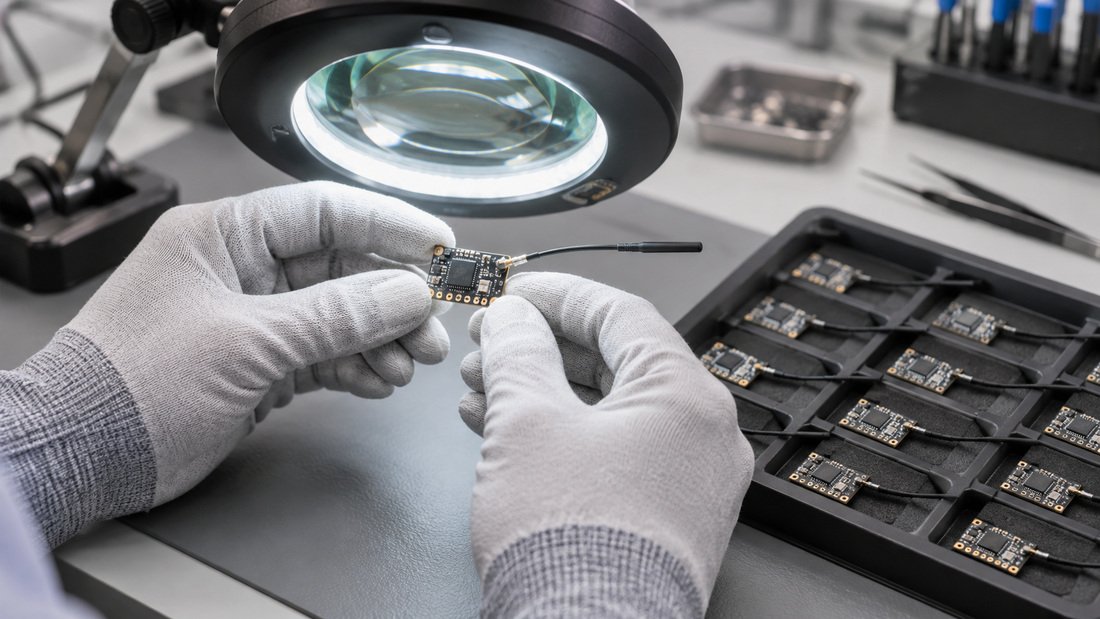
The inspector will check quantity, packaging, labeling, and workmanship. They will also perform functional tests on a sample. For drone parts, functional tests may include binding an ELRS receiver to a transmitter, spinning motors, testing ESC communication, and checking flight controller sensor readings. The inspector should record findings with photos and notes.
7. Review the report and decide
After the inspection, review the report carefully. If defects are found, discuss with the supplier whether to rework, replace, or accept with a concession. Document the decision and any corrective actions. Only release shipment when you are satisfied.
What to inspect: drone parts checklist
Different components require different checks. Below is a practical checklist for common drone parts. Use it as a starting point and adapt to your specific products.
General checks for all parts
- Quantity: count units against packing list and purchase order.
- Packaging: verify that packaging is intact, appropriate for shipping, and includes necessary protection.
- Labeling: check product labels, SKU, batch numbers, and certification marks if applicable.
- Workmanship: look for solder bridges, cold joints, loose components, burrs, and surface defects.
- Accessories: confirm that cables, connectors, manuals, and other included items are present.
ELRS receivers
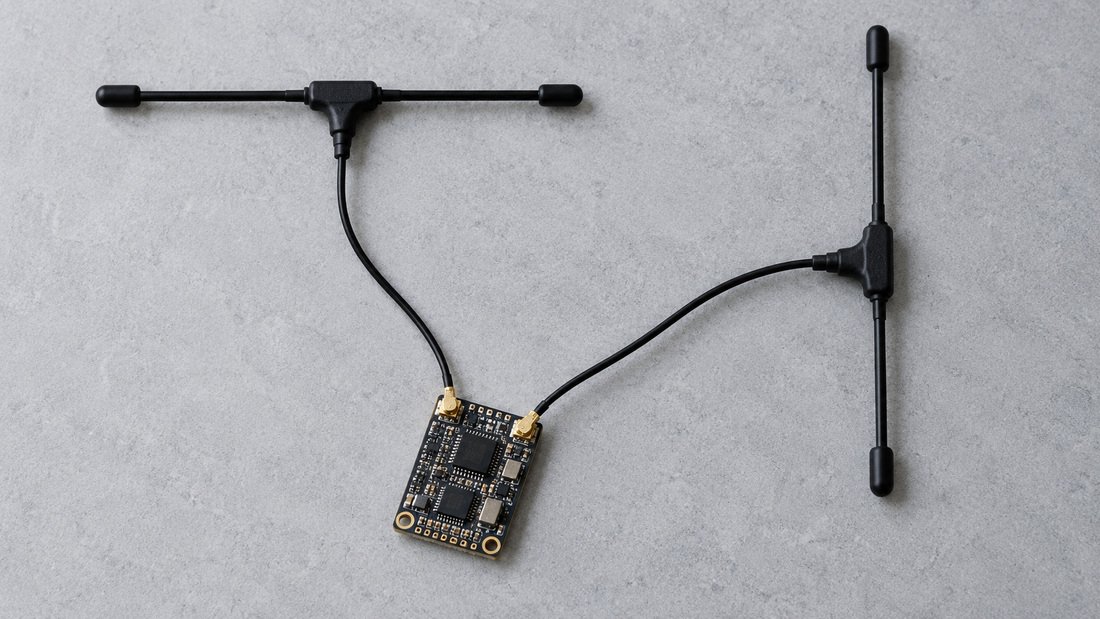
- Firmware version: verify that the installed firmware matches the agreed version.
- Binding test: bind a sample to a compatible transmitter and check range and signal stability.
- Antenna and connector: inspect antenna connection and connector type.
- PCB quality: check for proper soldering and conformal coating if specified.
Motors
- Dimensions and weight: check against specifications.
- KV rating: verify with a test if possible.
- Winding quality: inspect for even winding and insulation.
- Bearings: check for smooth rotation and noise.
- Mounting holes: ensure they match the agreed pattern.
ESCs
- Current rating: verify model and rating.
- Firmware: check that firmware is correct and updatable.
- Soldering: inspect solder joints on pads and wires.
- Functional test: connect to a motor and test throttle response.
Flight controllers
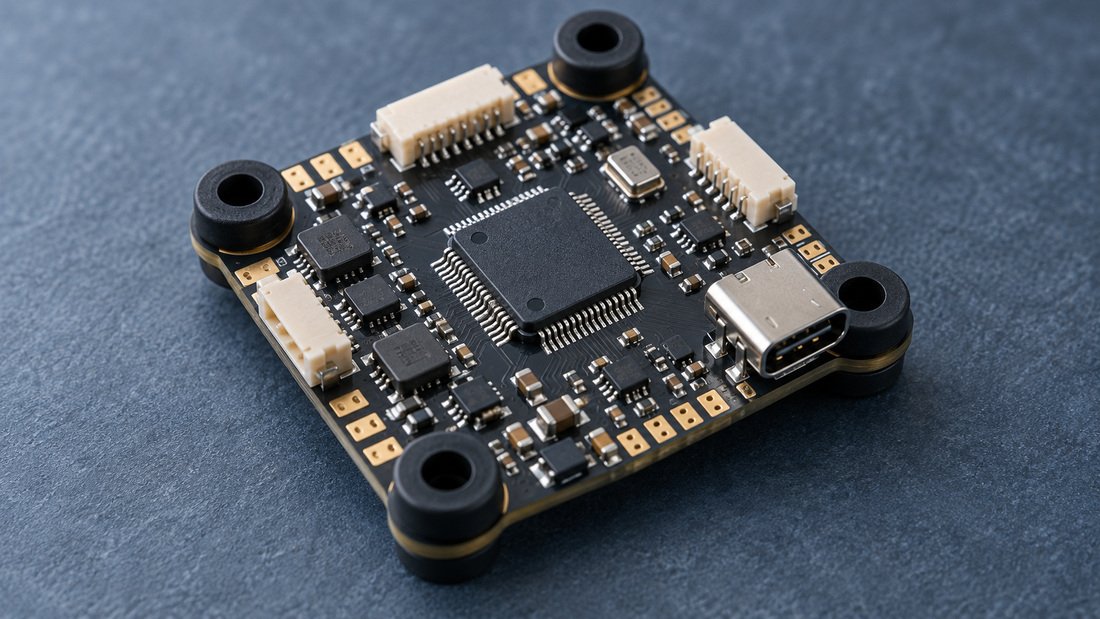
- Sensor calibration: check that gyro and accelerometer respond correctly.
- Port functionality: test USB, UART, and other ports.
- Firmware: verify that the correct firmware is installed.
- PCB inspection: look for damage or missing components.
Comparison: third-party vs. supplier internal inspection
Buyers often ask whether to use a third-party inspection company or rely on the supplier’s own QC team. The table below outlines general trade-offs. Actual terms, costs, and capabilities should be confirmed with your supplier or inspection provider.
| Aspect | Third-party inspection | Supplier internal inspection |
|---|---|---|
| Independence | High; inspector has no stake in the factory | Lower; may be influenced by production pressure |
| Cost | Additional cost, often per man-day plus travel | Usually included in product price or lower cost |
| Reporting | Standardized report with photos and findings | Varies; may be less detailed |
| Flexibility | Scheduled in advance; may not accommodate last-minute changes | Can be more flexible with timing |
| Coverage | Focused on pre-shipment check | Can integrate with in-process QC |
For high-value or critical orders, a third-party inspection may provide greater assurance. For repeat orders with a trusted supplier, internal inspection with a documented process may suffice. Always clarify the scope and reporting format in writing.
Common mistakes in pre-shipment inspection
Even with good intentions, buyers and suppliers can make mistakes that reduce the effectiveness of a PSI. Here are some common pitfalls to avoid.
- Vague specifications: Without clear written criteria, inspectors cannot judge conformity objectively.
- Late booking: Scheduling an inspection too close to shipment date may result in rushed or missed inspections.
- Insufficient sampling: Inspecting too few units may miss defects that affect the lot.
- Ignoring packaging: Poor packaging can lead to damage during transit; always check packaging quality.
- No follow-up: Failing to address defects found during inspection means the same issues may recur.
Buyer checklist for pre-shipment inspection
Use this checklist to prepare for your next inspection. Confirm each item with your supplier and inspector.
- Written product specifications and acceptance criteria shared with supplier and inspector.
- Sampling plan agreed (e.g., AQL level, sample size).
- Inspection provider selected and cost confirmed in writing.
- Inspection date scheduled after production completion and before shipment.
- Documents prepared: purchase order, specifications, approved samples, previous reports.
- Checklist of specific tests and checks for each product type.
- Report format and delivery timeline agreed.
- Process for handling defects and corrective actions defined.
Frequently asked questions
What is the difference between pre-shipment inspection and in-process QC?
In-process QC monitors quality during production, catching issues early. Pre-shipment inspection is a final check on finished goods before shipment. Both are important; PSI does not replace in-process controls.
How many units should be inspected?
The number depends on lot size and the sampling plan you choose. AQL-based plans provide standard sample sizes. For critical components, consider a tighter inspection level. Discuss with your inspector.
Who pays for the inspection?
This is negotiable. Typically, the buyer pays for third-party inspections, while supplier internal inspections are included in the product price. Confirm in writing before booking.
What if defects are found?
You can ask the supplier to rework or replace defective units, or accept with a price concession. Document the decision and any corrective actions. For recurring issues, request a root cause analysis.
Can I inspect during production?
Yes, many buyers combine in-process checks with pre-shipment inspection. This can catch issues earlier and reduce rework. Discuss with your supplier.
How long does a pre-shipment inspection take?
Duration varies with order size and complexity. A small order may take a few hours; larger orders may take a full day or more. Confirm with your inspector.
Do I need a pre-shipment inspection for every order?
Not necessarily. For repeat orders with a reliable supplier, you may reduce frequency. However, periodic inspections help maintain quality consistency. Assess risk and cost.
Conclusion and next steps
A pre-shipment inspection is a valuable tool for importers, distributors, and solution integrators to verify quality before goods leave the factory. By defining clear criteria, agreeing on a sampling plan, and documenting findings, you can reduce risks and ensure that drone parts meet your expectations. Remember to confirm all commercial terms, inspection costs, and timelines in writing with your supplier.
At Drone Parts Factory, we support buyers with quality control and testing and inspection processes. For OEM/ODM projects, we can discuss your specific inspection requirements. We also offer safety and compliance support and a warranty and after-sales program to address post-shipment concerns.
Ready to plan your next order? Request an OEM / Wholesale Quote and let us know your inspection needs.