Quick summary
Whether a school must obtain product safety certificates for drone equipment depends on the equipment’s classification, the buyers’ location, and the school’s own risk policies. There is no single universal certificate that covers every drone, battery, and sports accessory. Schools should ask suppliers for documentation that matches the actual product: general product safety, electrical safety, battery test summaries, material or age-suitability information, and, where applicable, radio or UAV compliance evidence. For drone soccer programs, the safest approach is to specify required documents in the purchase contract and confirm them in writing before ordering.
Key Takeaways
- No single certificate fits all drone equipment. Classification (toy, sports equipment, UAV, or training system) determines which standards and declarations apply.
- Children’s product rules apply only when the product is intended for children. Age grading, warnings, and material documentation may be required even for sports gear.
- Lithium batteries carry their own travel and safety documentation. Safety testing is expected for lithium batteries, and spare batteries have strict air-travel limits (FAA).
- Schools should ask for documents that match the exact SKU and destination. Generic certificates or expired reports are not reliable evidence.
- Confirm every commercial term in writing. MOQs, lead times, and custom documentation should be agreed in the purchase contract, not assumed.
What do schools actually need to verify before buying drone equipment?
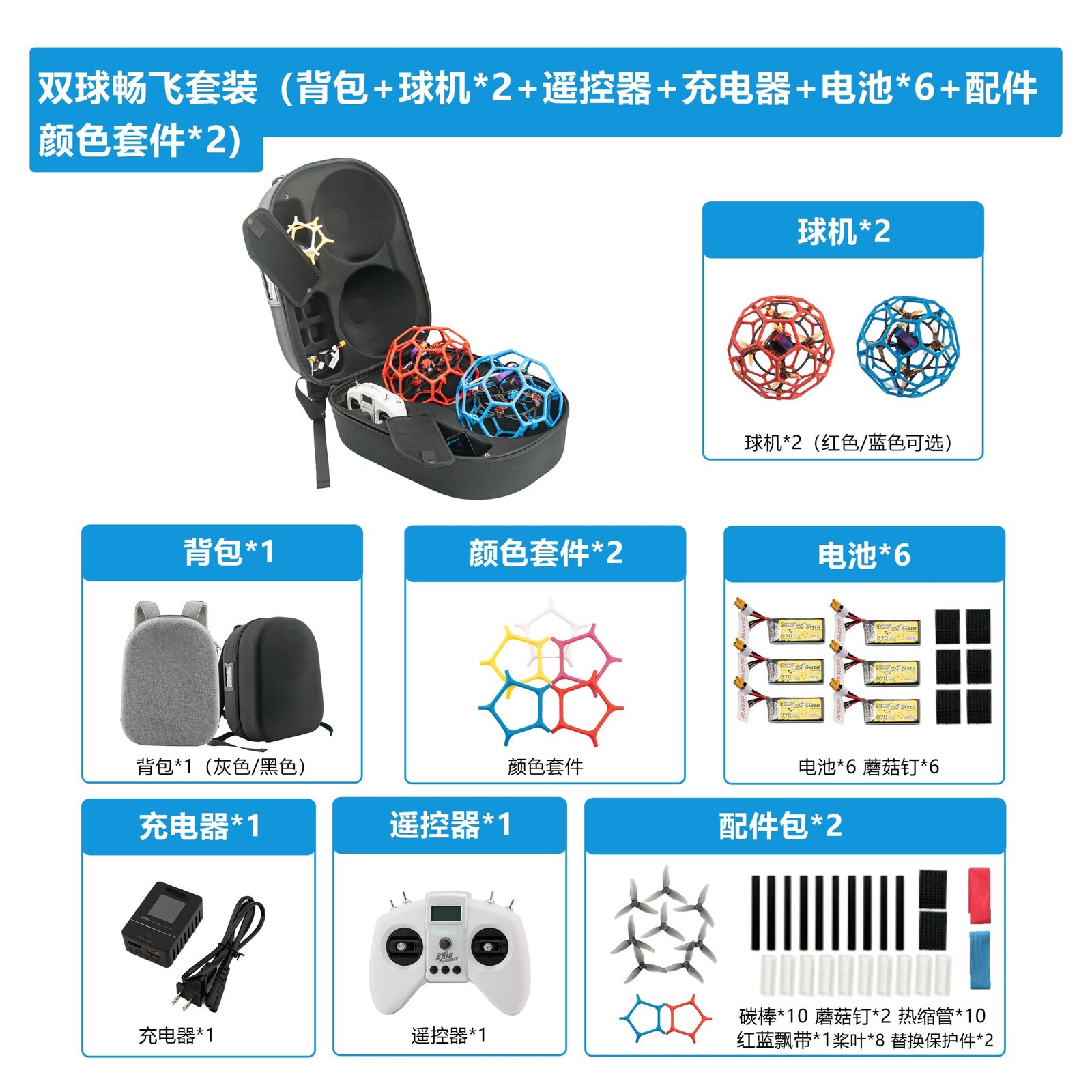
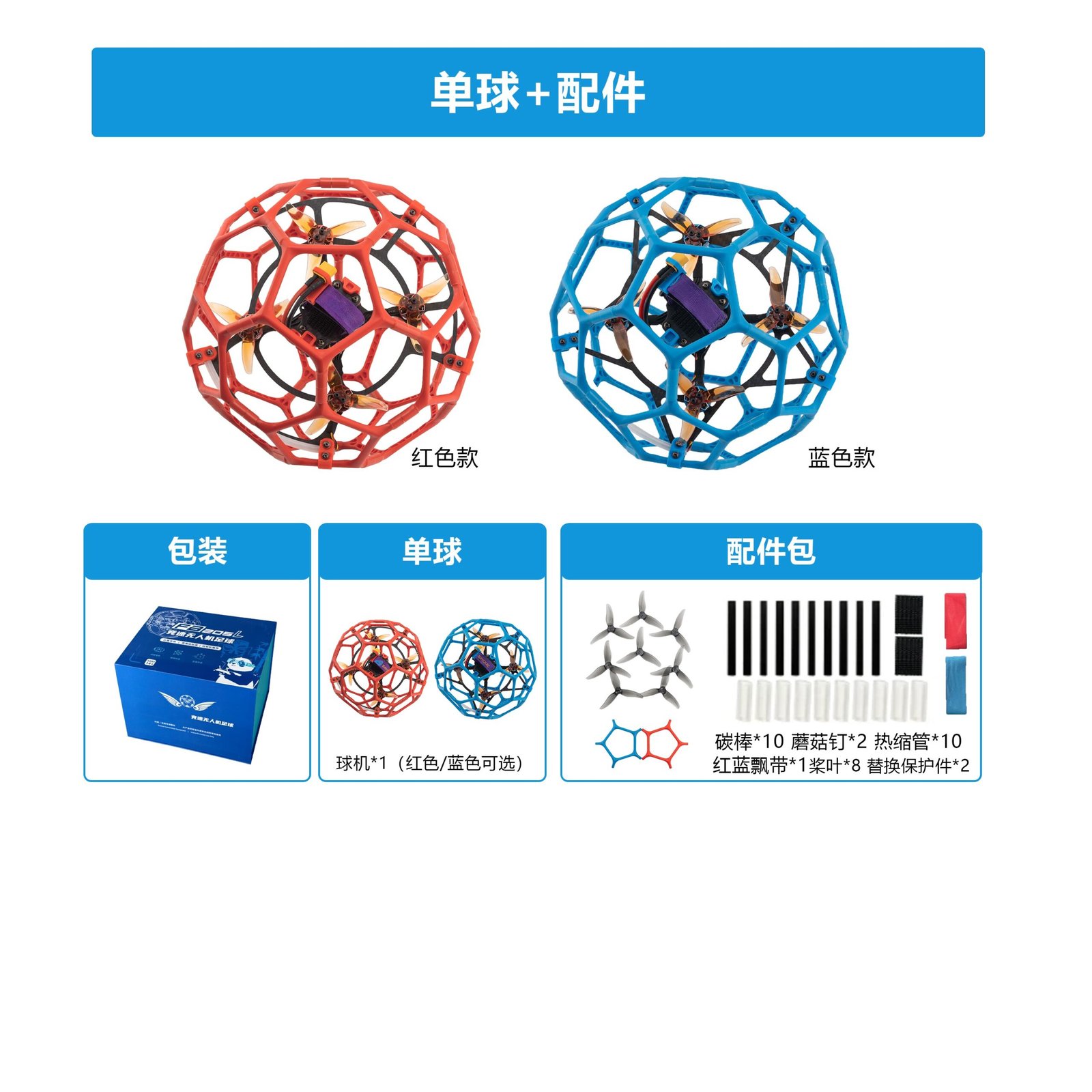
Schools need to verify that the product is suitable for the age group, that electrical and battery risks are addressed, and that the supplier can provide traceable documentation. The exact certificates depend on how the product is classified and where it will be used. A drone soccer ball, for example, may be treated as sports equipment, a toy, or part of a UAV system depending on its design and marketing.
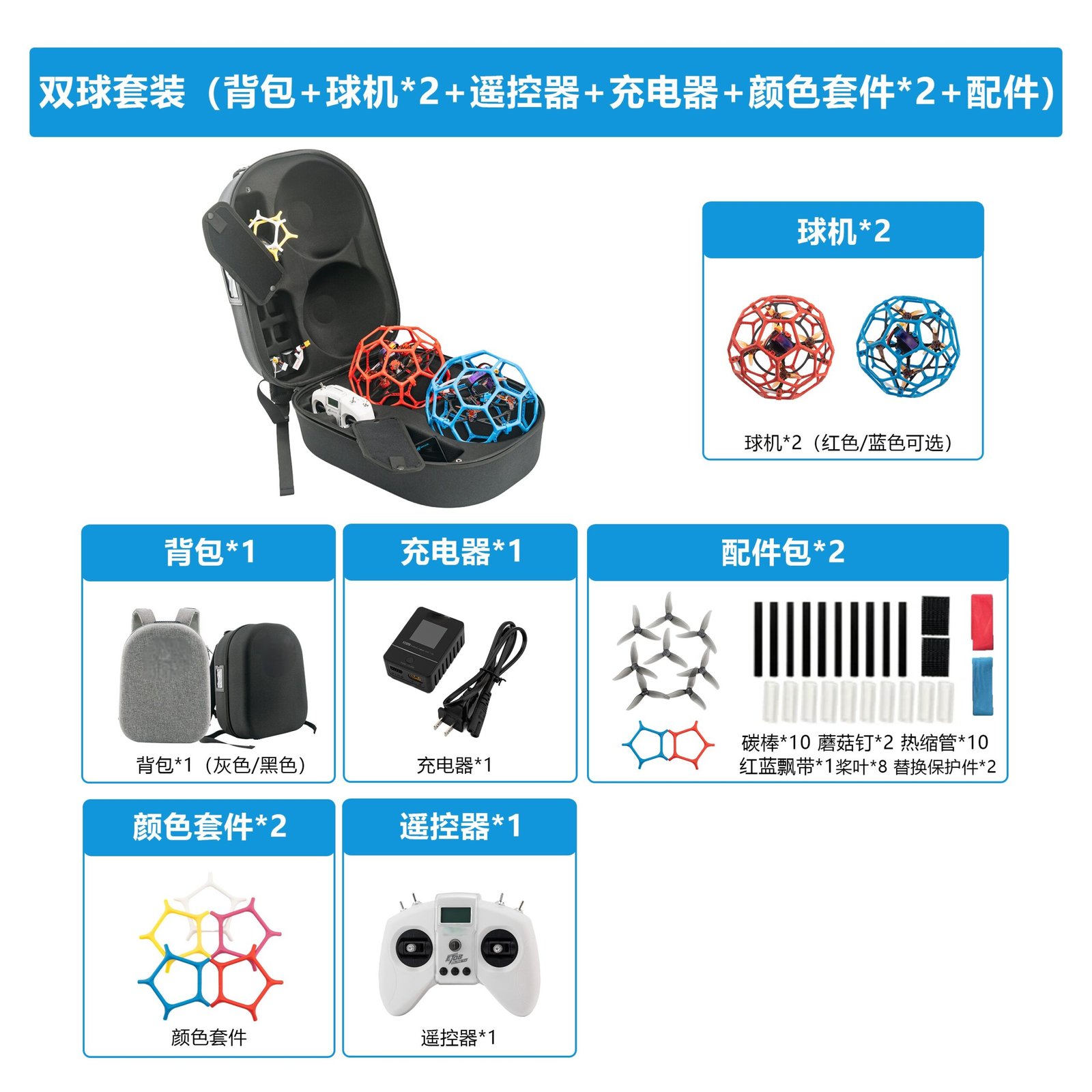
Start by mapping each item in the program: drones or frames, propellers, batteries, chargers, radio transmitters, receivers, ball cages, and goal nets. Then ask which rules apply to each category and which documents the supplier can actually supply.
Which rules apply to drone soccer equipment?
Drone soccer equipment can fall under several overlapping rule sets: general product safety, toy safety, electrical safety, radio equipment rules, UAV regulations, and battery transport rules. The supplier and the school should agree which set applies to the specific product and destination.
Children’s product and sports equipment rules
Children’s product rules are triggered by intended use for children, not just by the product category. A drone soccer ball marketed to youth teams may need age-appropriate warnings, small-parts considerations, material safety information, and clear instructions. Sports equipment rules may also apply to protective cages, goals, and field accessories.
Buyers should ask whether the product is age-graded for the intended team age, whether small parts or sharp edges are documented, and whether instructions and warnings are provided in the local language.
Electrical safety, EMC, and radio equipment
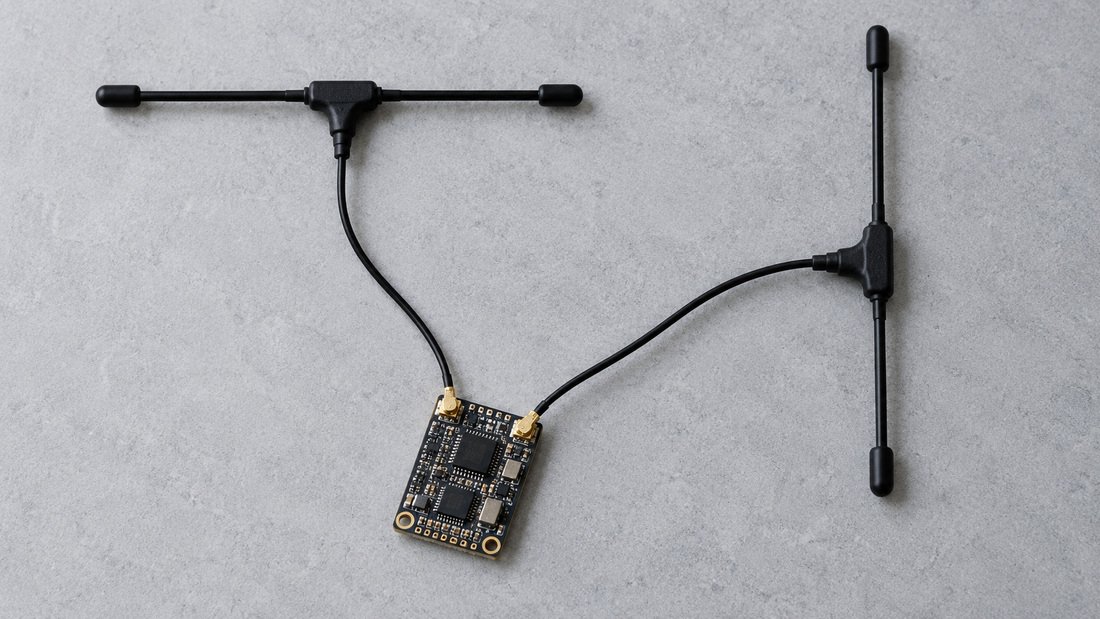
Drones and chargers contain electronics. Suppliers may be able to provide declarations or test summaries for electrical safety and electromagnetic compatibility, but the exact documents vary by market. Radio transmitters and receivers may also be subject to radio equipment rules, especially in the EU. The EU UAS requirements page is a useful starting point for understanding how UAV rules interact with product documentation.
Lithium battery safety and transport
Lithium batteries are a separate compliance track. The FAA notes that lithium batteries are required to undergo safety testing and that lithium ion batteries can overheat and enter thermal runaway if damaged, overheated, overcharged, or improperly packed (FAA lithium batteries guidance). For schools receiving shipments, this matters for packing, labeling, and transport documentation.
Spare lithium batteries are restricted in air travel. The FAA states that spare lithium ion and lithium metal batteries must be carried in carry-on baggage only, with terminals protected from short circuit, and that lithium ion batteries are generally limited to 100 Wh per battery unless airline approval is obtained for larger batteries (FAA). Schools should not assume that large battery packs can be shipped or carried without additional checks. See the battery shipping compliance page for related guidance.
Comparison table: common document types for school drone programs
| Document type | What it usually covers | When schools should ask for it | What to verify |
|---|---|---|---|
| General product safety declaration | Basic safety information and conformity claims | All equipment | Matches exact model, valid date, correct destination market |
| Age-grading or child-suitability statement | Intended age range and warnings | Equipment used by minors | Age range, small-parts warnings, language of instructions |
| Electrical safety test summary | Charger and electronics safety | Chargers, power supplies, drones | Test standard referenced, report date, model number |
| Battery test summary | Cell and pack safety testing | All lithium battery packs | UN 38.3 or equivalent test reference, Wh rating, cell type |
| Radio equipment declaration | Radio transmitter and receiver compliance | Where local radio rules apply | Frequency bands, power limits, regional variant |
| UAV or UAS registration guidance | Operator and aircraft registration | Outdoor flight, larger drones | Local aviation authority requirements |
This table is general guidance. The actual documents required depend on the product and jurisdiction. Confirm with the supplier and, where necessary, local authorities.
What should schools request from a supplier?
Schools should request a document package that matches the exact products and destination. A generic certificate covering a different model or market is not sufficient evidence. The request should be specific, written, and tied to the purchase order.
- Exact model and SKU list with descriptions matching the quote.
- Product safety declarations for each item, including date and issuing body where applicable.
- Age-suitability and warning documentation for equipment used by children.
- Battery documentation including Wh rating, cell type, and test references.
- Radio and UAV compliance statements for the destination market.
- Instructions and labels in the language required by the school or local authority.
- Packing and shipping documentation for lithium batteries.
Distributors and OEM/ODM buyers should also request a export control and product classification review when products cross borders. This helps clarify whether additional export or import documentation is needed.
For a structured overview of available documentation, see the compliance center overview.
Common mistakes schools make when checking drone equipment certificates
Many problems come from accepting documents at face value without checking whether they match the product and destination. The following mistakes are common and avoidable.
- Accepting a generic certificate that does not list the exact model or SKU.
- Assuming a toy certificate covers a drone soccer ball without checking the intended age and use.
- Ignoring battery documentation until shipping, when options are limited.
- Relying on verbal assurances instead of written confirmation in the contract or purchase order.
- Using documents from a different market without checking local requirements.
- Forgetting to ask about spare batteries and how they will be transported or stored.
Buyer checklist for schools and program organizers
Use this checklist before placing a drone equipment order. It is designed for schools, youth programs, and their procurement teams.
- List every item in the program, including spares and accessories.
- Define the intended age group and whether the product is marketed to children.
- Identify the destination country and any local school or aviation requirements.
- Request the document package in writing, linked to the exact models.
- Check dates, model numbers, and whether the document covers the destination market.
- Confirm battery Wh ratings and shipping documentation.
- Ask about spare battery limits and storage guidance.
- Confirm instructions and warnings are available in the local language.
- Agree on documentation responsibilities in the purchase contract.
- Keep copies of all documents with the purchase records.
If you are comparing suppliers or planning a new program, request a school program quote and specify the documentation you need. This helps align the quote with your compliance requirements.
Frequently asked questions
Do schools legally need product safety certificates for drone equipment?
It depends on the jurisdiction and product classification. Schools often have procurement policies that require safety documentation, and some products are subject to mandatory certification. Schools should check local rules and their own procurement policies, and ask suppliers for documents that match the specific product.
Is a drone soccer ball a toy or sports equipment?
Classification depends on design, marketing, and intended use. A ball marketed to children may fall under children’s product or toy rules, while a ball used in organized sports may be treated differently. The supplier should state the intended classification and provide matching documentation.
What battery documents should schools request?
Schools should request battery test summaries, Wh ratings, cell type information, and packing instructions. For transport, the FAA notes that lithium batteries are required to undergo safety testing and that spare batteries have specific air-travel limits (FAA). Confirm shipping arrangements with the supplier in writing.
Can a generic certificate cover multiple drone models?
A generic certificate may not cover every model. Schools should check that the document lists the exact model or SKU being purchased, and ask for an updated document if the model is not listed.
What should distributors ask for when supplying schools?
Distributors should ask for product safety declarations, battery documentation, radio compliance statements, and export classification information. They should also confirm which documents will be provided to schools and keep records of the documents supplied.
Does EU toy safety legislation apply to drone soccer equipment?
EU toy safety rules can apply if the product is intended for children under the applicable age threshold. The supplier should clarify whether the product is classified as a toy or another product category, and provide documentation for the destination market. See also the EU UAS requirements page for UAV-related considerations.
What if the school cannot obtain the required documents?
If documents are missing or do not match the product, the school should pause the order and ask the supplier to clarify. In some cases, an alternative product or supplier may be needed. The purchase contract should specify which documents are required before shipment.
Conclusion: confirm documents before you order
Schools do not need a single universal certificate, but they do need the right documents for each product, age group, and destination. The most reliable approach is to define the equipment list, ask the supplier for exact-model documentation, and confirm the requirements in the purchase contract. For drone soccer programs, this includes children’s product and sports equipment considerations, electrical and radio documentation, and lithium battery transport rules.
To move forward, Request a School Program Quote and include your documentation requirements, destination, and age group so the response can address them directly.