Quick summary
Drone soccer kits typically carry a limited warranty of 6 to 12 months covering manufacturing defects, with 90 days to 6 months on batteries. However, warranty, RMA and after-sales terms vary significantly by supplier, component and region. For schools and clubs, the real value lies in clear RMA procedures, spare-part availability and responsive technical support—not just the warranty length.
Key Takeaways
- Most drone soccer kits include a 6–12 month limited warranty against manufacturing defects, with batteries and consumables often covered for a shorter period.
- Warranty, RMA and after-sales support should be evaluated together—fast replacement and spare-part access matter more than a longer warranty with slow service.
- OEM/ODM buyers can negotiate warranty terms, spare-parts kits and localized support as part of the supply agreement.
- Always confirm what is excluded (crash damage, water damage, unauthorized repairs) and who pays return shipping.
- For institutional buyers, request a written after-sales policy and a sample RMA workflow before placing a bulk order.
Why Warranty, RMA and After-Sales Matter for Drone Soccer Programs
Drone soccer is a contact sport. Balls collide, drones tumble, and propellers break. For a school or club running weekly sessions, every grounded drone means fewer students on the field. A strong warranty, RMA and after-sales program keeps your program running. A weak one turns minor damage into expensive downtime. This is why procurement teams at schools, education groups and youth training institutions should treat after-sales as a core selection criterion, not an afterthought.
Typical Warranty Coverage for Drone Soccer Kits
Warranty terms vary by manufacturer and product line. The table below summarizes what buyers commonly encounter. Use it as a starting point, not a guarantee—always verify the written policy with your supplier.
| Component | Typical Warranty Period | Common Exclusions |
|---|---|---|
| Flight controller / main board | 6–12 months | Crash damage, liquid damage, reverse polarity |
| Motors and ESCs | 6–12 months | Bent shafts, burned windings from overloading |
| Propellers / guards | 30–90 days (often considered consumables) | Normal wear, crash impacts |
| Battery packs | 90 days – 6 months | Swelling from misuse, over-discharge, physical damage |
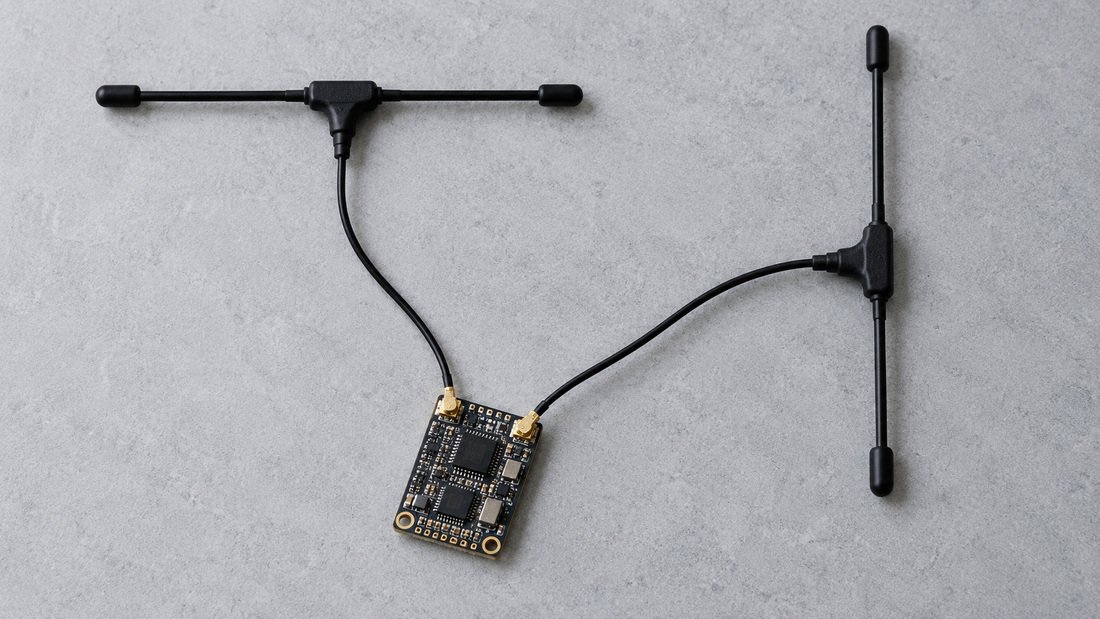
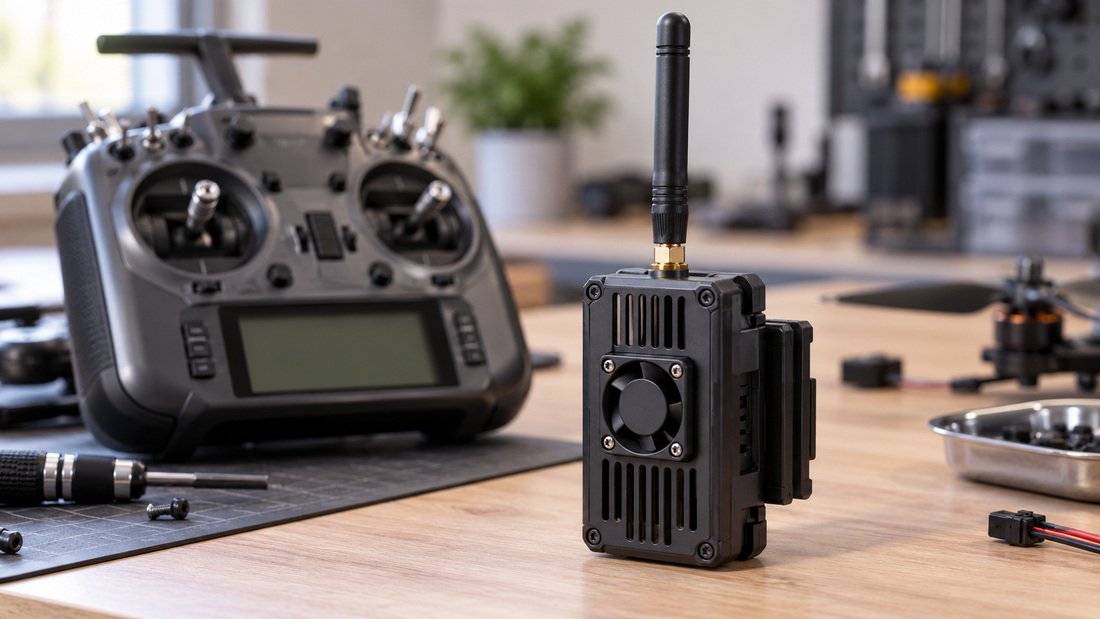
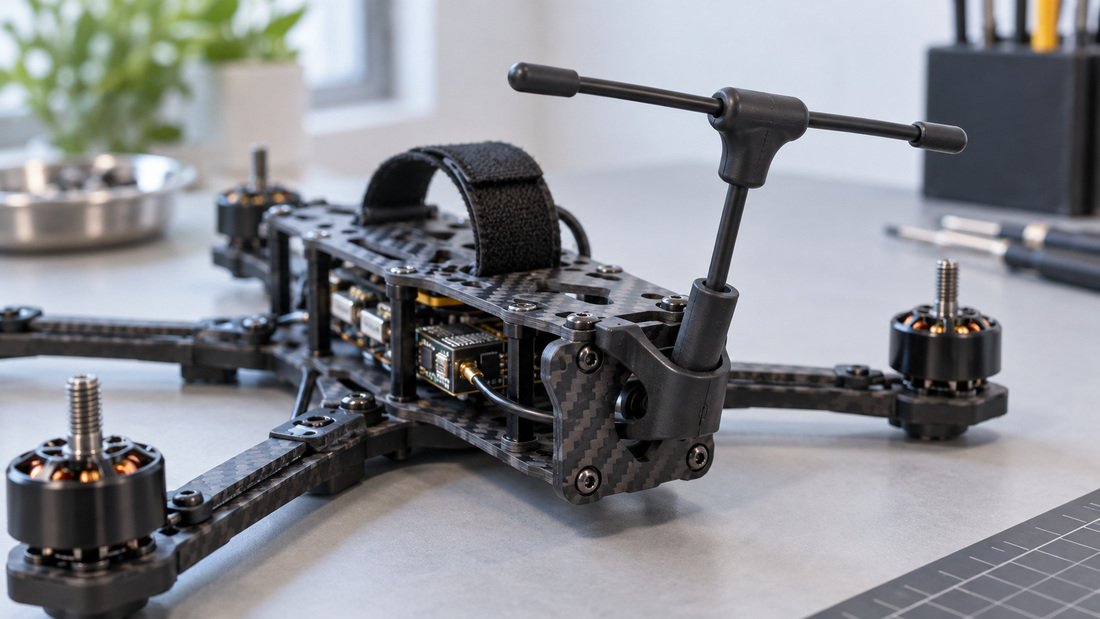
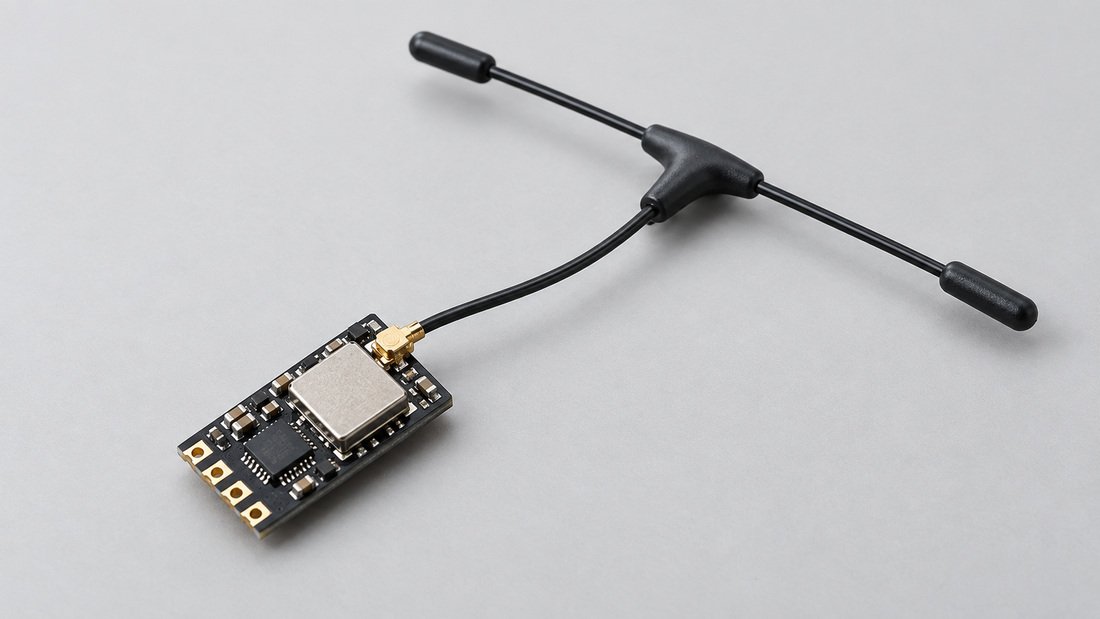
| Radio transmitter / receiver (e.g., ELRS) | 6–12 months | Antenna damage, water ingress, unauthorized firmware changes |
| Frame / structural parts | 6–12 months | Impact cracks, modifications |
Note that some suppliers offer extended warranty as a paid option. For institutional buyers, negotiating an extended warranty or a spare-parts kit at the time of purchase is often more cost-effective than paying per-repair later.
What Is Usually Excluded from Warranty
Most drone soccer kit warranties cover manufacturing defects only. They rarely cover:
- Crash damage from pilot error or aggressive play
- Water or moisture damage
- Damage from using non-approved batteries or chargers
- Unauthorized repairs or firmware modifications
- Normal wear on propellers, guards and motors
Understanding these exclusions helps schools budget for consumables and avoid disputes during RMA processing. Ask your supplier for a clear list of excluded items before signing a purchase order.
The RMA Process: What Schools Should Expect
A well-defined RMA process is critical. Poorly handled returns can leave a school without equipment for weeks. A typical RMA workflow includes:
- Issue report: The buyer submits a description of the fault, photos or video, and proof of purchase.
- Troubleshooting: The supplier’s technical team attempts remote diagnosis to rule out configuration issues.
- RMA authorization: If a defect is confirmed, the supplier issues an RMA number and shipping instructions.
- Return and inspection: The defective item is returned, inspected and classified as warranty or non-warranty.
- Resolution: Repair, replacement or credit is issued according to the policy.
Ask your supplier how long each step typically takes. For drone soccer programs, a turnaround of 2–4 weeks is common for international RMA, though this depends on shipping and customs. Some suppliers offer advance replacement for institutional accounts, which can reduce downtime significantly.
We at DPF understand that downtime is the enemy of any educational program. That is why we structure our warranty and after-sales program to prioritize fast communication and practical solutions for schools and clubs.
OEM/ODM and Private Label Warranty Considerations
When you order custom-branded drone soccer kits, warranty terms are negotiable. OEM/ODM buyers can often secure:
- Extended warranty periods for institutional clients
- Custom RMA workflows tailored to your region
- Spare-parts kits included in the initial order
- Local repair options or authorized service partners
These terms should be written into the supply agreement. Vague verbal promises are not enough. A clear contract protects both parties and sets expectations for after-sales support.
Spare Parts and Consumables: The Hidden Cost of Ownership
Even the best warranty does not cover everything. Schools should budget for consumables such as propellers, propeller guards, batteries and motors. These items wear out with regular use. A drone soccer program running 20 drones for a school term may need dozens of spare propellers and several replacement batteries.
When evaluating suppliers, ask about the availability and lead time of spare parts. Can you order them easily? Are they affordable? Do they ship quickly? A supplier that stocks spare parts and offers a simple reorder process will save your program time and money.
Quality Control and Its Impact on Warranty Claims
Warranty claims are closely tied to manufacturing quality. A supplier with robust quality control will have fewer defects, which means fewer RMA cases and less downtime for your program. When vetting a supplier, ask about their QC process. Do they test every unit? Do they perform batch testing? What is their defect rate?
At DPF, we integrate quality checks at multiple stages of production. Our testing and inspection procedures are designed to catch issues before products ship, reducing the likelihood of warranty claims. This is particularly important for educational buyers who need reliable equipment for scheduled classes and competitions.
Certification and Compliance: What Warranty Does Not Cover
Warranty covers defects, but it does not cover regulatory compliance. Drone soccer kits may require certification depending on your country. Radio equipment, for example, must comply with local spectrum regulations. In the United States, the FCC regulates radio frequency devices; in the European Union, CE marking applies. Batteries must meet transport regulations such as UN 38.3.
As a buyer, you should verify that the products you import meet local requirements. Your supplier should provide documentation, but ultimately, compliance is the importer’s responsibility. DPF offers safety and compliance support to help buyers understand what documentation may be needed, but we always recommend confirming with local authorities.
International Shipping and Lithium Battery Returns
Returning defective products internationally can be complicated, especially when lithium batteries are involved. Lithium batteries are classified as dangerous goods for shipping. Many carriers have strict rules about air transport of batteries, and returns may require special packaging and documentation.
Before purchasing, ask your supplier how they handle returns of battery-containing products. Some suppliers may offer to replace batteries without requiring the return of the defective unit, which simplifies the process. Others may have local return addresses. Clarify this upfront to avoid surprises.
Common Mistakes Schools Make When Evaluating Warranty
- Focusing only on warranty length: A 12-month warranty with slow RMA processing is less useful than a 6-month warranty with fast replacements.
- Ignoring the RMA process: Not asking about turnaround times, shipping costs and who pays for return freight.
- Forgetting spare parts: Not budgeting for consumables like propellers and batteries.
- Assuming all components are covered: Batteries and propellers often have shorter or no warranty.
- Not getting the policy in writing: Verbal promises are hard to enforce.
- Overlooking firmware and software support: Warranty may not cover software issues; check if technical support is included.
- Failing to plan for shipping costs: International returns can be expensive; understand who pays.
Buyer Red Flags
- Supplier refuses to provide a written warranty policy.
- No clear RMA process or contact for after-sales support.
- Warranty terms that are significantly shorter than industry norms without explanation.
- High-pressure sales tactics that discourage due diligence.
- No spare parts available for purchase separately.
- Unwillingness to provide references from other institutional buyers.
Practical Buyer Checklist for Drone Soccer Kit Warranty
Use this checklist when evaluating suppliers:
- ☐ Request the written warranty policy, including duration and exclusions.
- ☐ Confirm which components are covered (batteries, propellers, electronics).
- ☐ Ask about the RMA process: steps, turnaround time, who pays shipping.
- ☐ Inquire about advance replacement options for institutional accounts.
- ☐ Check spare parts availability and pricing.
- ☐ Verify technical support channels (email, phone, remote sessions).
- ☐ Understand firmware update policy and support.
- ☐ For OEM/ODM, negotiate warranty terms in the supply agreement.
- ☐ Request sample RMA documentation to review before purchase.
- ☐ Confirm return shipping instructions for lithium batteries.
FAQ: Warranty, RMA and After-Sales for Drone Soccer Kits
1. What is the typical warranty period for a drone soccer kit?
Most kits carry a 6–12 month limited warranty against manufacturing defects. Batteries often have a shorter period, typically 90 days to 6 months. Always check the specific policy from your supplier.
2. Does the warranty cover crash damage?
No. Crash damage is generally considered user-induced and is not covered. Some suppliers may offer repair services at a cost.
3. How long does an RMA take?
For international RMA, a turnaround of 2–4 weeks is common, depending on shipping and customs. Some suppliers offer faster replacement for institutional buyers.
4. Who pays for return shipping?
This varies. Some suppliers cover shipping for valid warranty claims; others require the buyer to pay. Clarify this before purchase.
5. Can I get spare parts for drone soccer kits?
Yes, most reputable suppliers offer spare parts such as propellers, motors, batteries and receivers. Ask for a spare parts list and pricing.
6. Is firmware covered under warranty?
Warranty typically covers hardware defects. Firmware issues may be addressed through technical support, but not as a warranty claim. Check the supplier’s software support policy.
7. What should I do if I receive a defective kit?
Contact your supplier immediately with photos and a description. Follow their RMA process. Keep all packaging and documentation until the issue is resolved.
Conclusion
When purchasing drone soccer kits for schools or clubs, warranty, RMA and after-sales support are critical components of the total cost of ownership. A clear, written warranty policy, an efficient RMA process and reliable access to spare parts will keep your program running smoothly. Evaluate suppliers not just on price, but on their commitment to after-sales service. For institutional buyers, this often makes the difference between a successful program and a frustrating one.
Next Steps
Ready to equip your school or club with reliable drone soccer kits and solid after-sales support? Request a quote today and let our team help you build a program that lasts.
Request a School Program Quote
Scan the QR code to contact Emily on WeChat. Contact our team via Contact Us,
Get a Quote,
Request Samples, or
Discuss Your OEM Project.