Quick summary
Schools write a purchase request for drone soccer equipment by defining program goals, listing required products and quantities, documenting technical and safety specifications, attaching supplier quotes, identifying a funding source, and routing the document through purchasing and administration for approval. Because drone soccer in schools touches physical education, STEM curriculum, safety, and IT policy, the request usually needs more detail than a standard supply order. This guide gives educators and administrators a practical, procurement-ready process.
Key Takeaways
- A school purchase request for drone soccer should combine program justification, itemized product specs, quantities, pricing, and compliance notes in one document.
- Write the request around educational outcomes and safety, not just hardware features.
- Always request samples or a demonstration unit before committing to a full classroom set.
- Confirm radio, battery, and safety compliance for your region before finalizing the order.
- Ask suppliers for spare parts, curriculum support, and a clear warranty before you submit the request.
Why Drone Soccer in Schools Needs a Formal Purchase Request
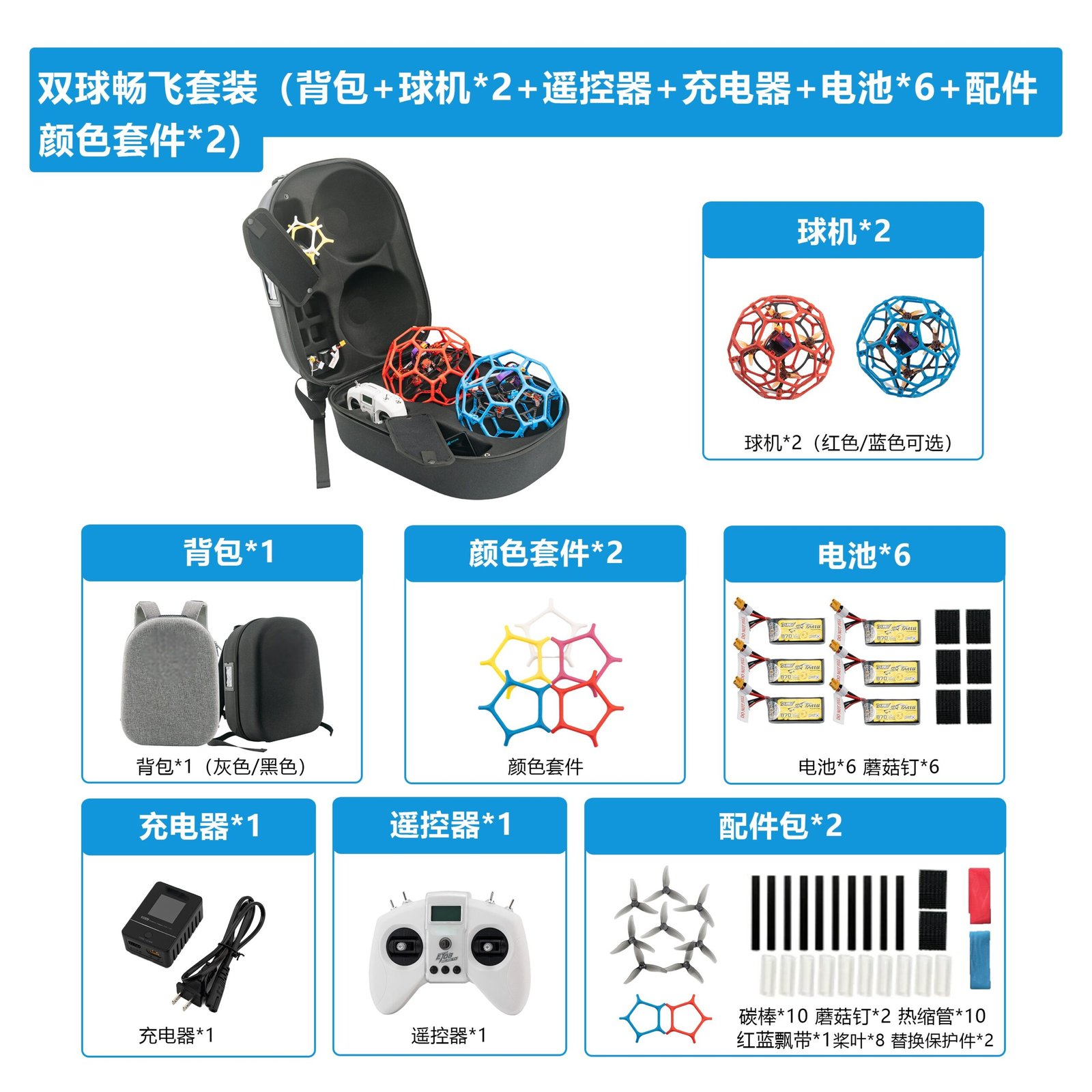
Drone soccer is not a single item you add to a supply cart. A working program needs drones, protective ball cages, controllers, batteries, charging equipment, spare parts, and often a competition-ready setup. That combination raises the purchase value above typical classroom consumables, which usually triggers a formal review.
Most schools also need to show that the purchase supports learning standards, that the equipment is safe for students, and that the supplier can support the program over multiple years. A well-written purchase request answers those questions before a committee asks them.
If your district already runs engineering, robotics, or aviation pathways, drone soccer fits naturally into an existing STEM sequence. Programs described on DPF’s page for STEM drone education and training can serve as a reference model for how the equipment is used across grade levels.
Step 1: Define the Program Before You Define the Products
Start with the educational purpose. Is this an after-school club, a semester-long elective, a competition team, or a district showcase event? The answer changes quantities, safety requirements, and budget.
Write two or three sentences that state the goal. For example: “Launch a 20-student drone soccer club that meets twice weekly and prepares a team for regional competition.” This gives reviewers a clear reason to approve the request.
Questions to answer internally first
- How many students will participate in the first year?
- Will the program be curricular, extracurricular, or both?
- Who supervises students during flight sessions?
- What indoor or outdoor space is available?
- Will the school eventually host or attend competitions?
Once those answers are on paper, product selection becomes much easier. Schools that plan to compete often need additional transmitters, replacement balls, and field equipment, while introductory clubs can start with a smaller classroom set.
Step 2: Choose the Right Product Configuration
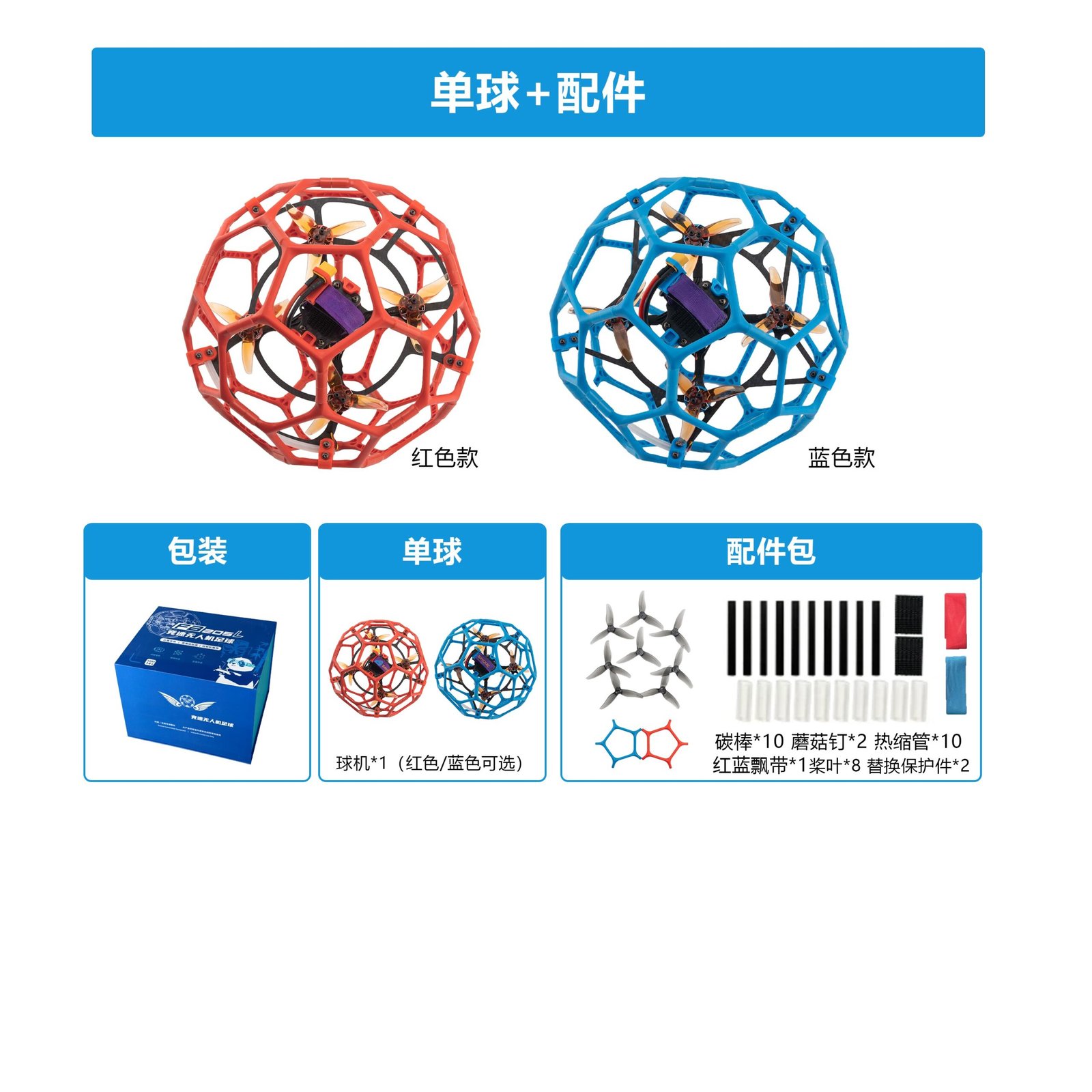
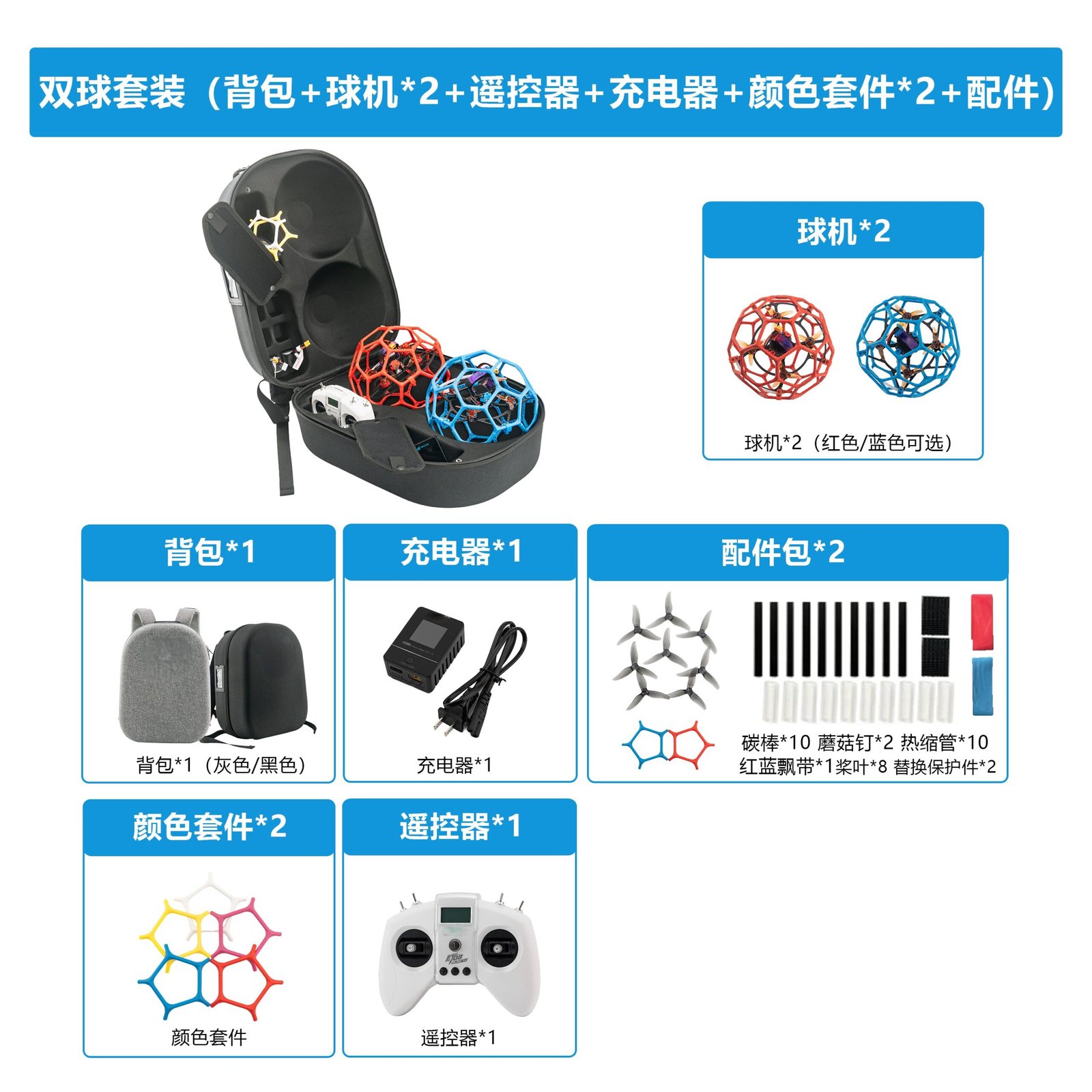
Drone soccer hardware is usually sold as a system: drones, ball cages, controllers, batteries, chargers, and spare parts. Buyers should confirm exactly what is included in each kit, because some suppliers sell the drone alone while others provide a complete training package.
Review the full product scope on DPF’s drone soccer systems page and compare kit contents against your student count. A common mistake is ordering one drone per student when a shared configuration with rotation works better for budget and supervision.
Specification checklist for the request
| Specification | What to document | Why it matters |
|---|---|---|
| Ball diameter and cage | Standard size, replacement availability | Determines competition compatibility |
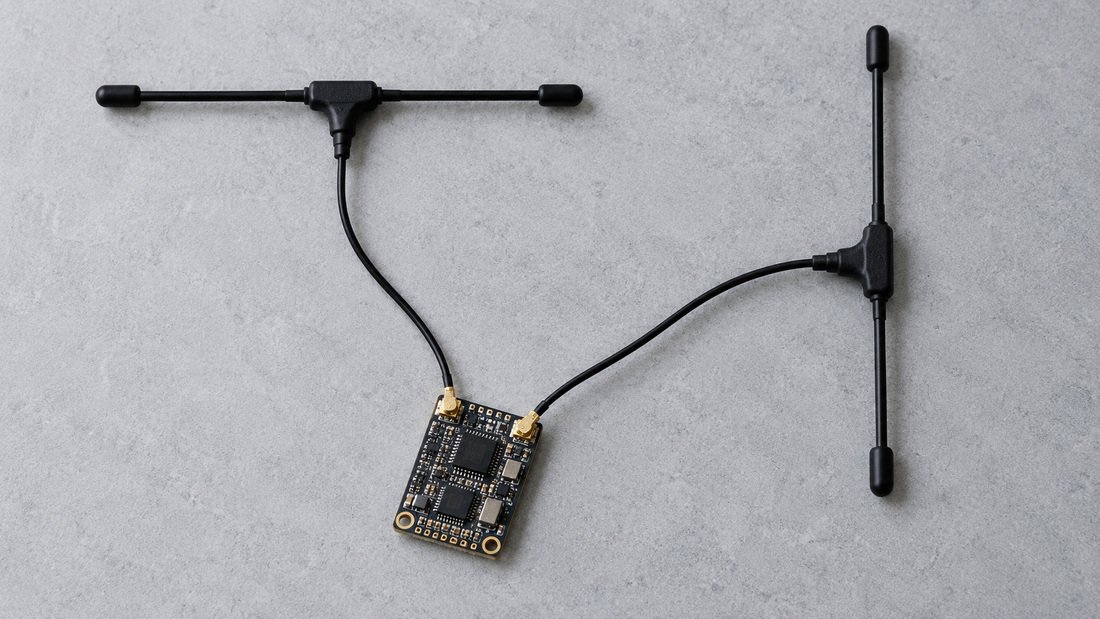
| Radio protocol | ELRS or other supported protocol | Affects controller and receiver compatibility |
| Battery type | Chemistry, voltage, connector, spares | Drives charging policy and shipping rules |
| Transmitter style | Number of channels, mode | Matches student skill level |
| Spare parts included | Props, cages, arms, balls | Reduces downtime during the term |
Step 3: Match Purchasing Rules to the Funding Source
Most schools fund drone soccer through a mix of sources: department budget, PTA contributions, grants, career and technical education funds, or booster clubs. Each source may have different documentation requirements.
Grant-funded purchases often require competitive quotes, so request at least two or three written quotes even if you already prefer one supplier. District procurement teams may also require vendor registration, tax documentation, or approved supplier status before a purchase order can be issued.
When you write the request, cite the funding source directly. A line such as “Funded by the 2026 STEM expansion grant, requires three written quotes” tells the reviewer exactly which rules apply.
Step 4: Set Quantities and Plan for Growth
Quantities should reflect both immediate and future needs. Ordering a single spare part for a 20-student club is rarely enough; consumables like propellers and ball cages wear with repeated use.
A practical baseline for a new club is one drone per two to three students, one controller per drone, enough batteries for a full session, at least one spare cage or ball assembly, and a small stock of replacement propellers. Competition programs usually need more units to allow for practice rotation and match preparation.
Sample quantity planning table
| Program size | Drones | Controllers | Batteries | Spare parts |
|---|---|---|---|---|
| 10–15 students | 5–7 | 5–7 | 10+ | Basic set |
| 16–25 students | 8–12 | 8–12 | 16+ | Expanded set |
| Competition team | 12+ | 12+ | 24+ | Full spares kit |
Treat this table as a planning guide rather than a fixed rule. Your school’s session length, supervision ratio, and storage capacity will shift the numbers.
Step 5: Address Safety, Radio, and Battery Compliance
Compliance is often the slowest part of a school purchase request. Radio frequency rules, battery shipping restrictions, and product safety standards vary by country and sometimes by region.
Radio equipment sold in the United States generally falls under FCC rules, while the European Union applies CE marking and radio equipment directives. Buyers should verify the exact requirements with local authorities, because a configuration approved for one market may not be approved for another. For reference, schools can review the FCC’s equipment authorization guidance and the EU’s radio equipment directive resources, but the final compliance path typically depends on the specific product configuration and destination country.
Lithium batteries add another layer. Many carriers restrict air shipping of lithium batteries, and some require special documentation or ground transport. Ask your supplier how batteries are packed, labeled, and shipped before the order is approved.
Student safety standards may also apply. If the equipment is marketed for younger students, buyers should confirm whether toy safety standards such as EN 71 or ASTM F963 are relevant in their market. These requirements typically depend on the product’s intended age group, packaging, and claims, so confirm with the supplier and local authorities.
Compliance information to request from the supplier
- Available certification documents for the specific configuration you are buying
- Radio frequency range and regional variants
- Battery shipping method and required documentation
- Age suitability statement
- Material and labeling information
DPF’s programs for schools and training organizations cover these operational details as part of the program conversation, which can help administrators prepare accurate documentation.
Step 6: Request Samples and Validate Before Bulk Purchase
Never submit a classroom-scale order without testing the equipment first. A sample unit lets teachers evaluate build quality, flight stability, battery life, and repair difficulty before the school commits funds.
Ask the supplier whether samples are available, what the sample cost is, and whether the sample cost is credited toward a later bulk order. Confirm the sample lead time, because some configurations ship faster than others.
During the sample phase, document everything: how long assembly takes, how students respond, how often the drone needs repair, and how easy spare parts are to replace. Those notes become evidence in the final purchase request.
Sample test checklist
- Flight stability and response in an indoor gym
- Battery runtime under realistic session conditions
- Cage durability after repeated collisions
- Repair time for a broken propeller or arm
- Controller pairing and student usability
- Packaging condition after international shipping
If you are evaluating a complete program rather than a single kit, DPF can help you scope it through the Request a School Program Quote process.
Step 7: Confirm MOQ, Pricing, Lead Time, and Support
Pricing for drone soccer equipment depends on several factors: order quantity, configuration, radio protocol, battery type, packaging, and whether branding or private labeling is included. Minimum order quantities (MOQ) also vary by supplier and product line.
When you write the purchase request, include the quoted unit price, MOQ, estimated shipping cost, and expected delivery date. If the program may expand, ask whether pricing tiers improve at higher quantities.
Lead time deserves special attention. Production schedules, component availability, and shipping method all affect delivery. For school programs tied to a semester start or a competition date, build in buffer time. Ask for a written production timeline rather than a verbal estimate.
Commercial terms to document
| Term | What to confirm |
|---|---|
| Unit price | Per-kit and per-spare-part pricing |
| MOQ | Minimum units for standard and custom orders |
| Lead time | Production plus shipping estimate |
| Payment terms | Deposit, balance, accepted methods |
| Warranty | Coverage period and replacement policy |
| Spare parts | Availability and reorder process |
Schools that plan multi-year programs should also ask about firmware updates, compatibility with future receivers, and whether the supplier supports curriculum changes. Some institutions request OEM or private-label options so the equipment carries the school’s or district’s branding. DPF handles custom requests through the OEM project discussion channel.
For schools building a competitive track, DPF’s overview of drone soccer competitions explains how equipment choices connect to league formats and event rules.
The Purchase Request Document: What to Include
A strong purchase request is short enough to review quickly but detailed enough to justify the spend. Use this structure:
- Program summary: Purpose, student count, schedule, and expected outcomes.
- Curriculum link: How the equipment supports STEM, engineering, or physical education standards.
- Itemized product list: Drones, controllers, batteries, chargers, spare parts, storage.
- Technical specifications: Radio protocol, battery type, ball size, compatibility.
- Supplier information: Vendor name, quote reference, and contact details.
- Pricing: Unit cost, quantity, shipping, taxes, and total.
- Compliance notes: Radio, battery, and safety documentation.
- Sample or demo results: What was tested and by whom.
- Funding source: Budget line, grant, or donation.
- Timeline: Order date, delivery date, and program start date.
Attach supplier quotes as appendices so the reviewer can verify numbers without hunting through email threads.
Common Mistakes Schools Make in Drone Soccer Purchase Requests
- Buying drones without spare parts. A single damaged cage can stop a class for weeks if replacements were not ordered.
- Ignoring radio compliance. Equipment approved in one country may not be legal to operate in another.
- Skipping the sample phase. Bulk orders based on spec sheets alone often lead to disappointing classroom performance.
- Underestimating battery and charging needs. Insufficient batteries reduce actual flight time per session.
- Leaving compliance documents to the last minute. Missing paperwork can delay delivery past the program start.
- Forgetting teacher training. Even good equipment underperforms without instructor preparation.
- Choosing on price alone. The lowest quote may exclude warranty, support, or curriculum materials.
Buyer Red Flags When Comparing Drone Soccer Suppliers
- No clear answer about which certifications apply to the exact configuration.
- Unwillingness to provide a sample or demonstration unit.
- Vague lead times with no written production schedule.
- No spare parts catalog or reorder path.
- No documentation of battery shipping method.
- Pressure to order immediately without a trial period.
- Unclear warranty terms or no defined support contact.
These signals matter because a school program runs on predictable support. A supplier that cannot answer compliance and spare-parts questions before the sale is unlikely to answer them after it.
Practical Buyer Checklist for Schools
- Program goal written in one or two sentences.
- Student count and session schedule confirmed.
- Product list includes drones, controllers, batteries, chargers, and spares.
- Technical specifications documented for each item.
- Two or three supplier quotes collected.
- Sample unit tested and results recorded.
- Radio and battery compliance requirements verified locally.
- MOQ, unit price, shipping, and total cost confirmed in writing.
- Lead time aligned with the program start date.
- Warranty, spare parts, and support terms documented.
- Funding source identified and cited.
- Approval routing confirmed with the purchasing department.
Frequently Asked Questions
How much does drone soccer equipment cost for a school?
Cost depends on the number of students, the configuration, and the number of spare parts included. Request itemized quotes so the purchase request shows unit pricing, shipping, and total program cost separately.
Can schools buy drone soccer equipment with grant funding?
Many grant programs allow STEM and physical education equipment, but each grant has its own rules. Check the grant guidelines and confirm whether competitive quotes or vendor registration are required before submitting the purchase request.
What is the minimum order quantity for drone soccer kits?
MOQ varies by supplier and product configuration. Ask for the MOQ for both standard and customized orders, and confirm whether sample purchases count toward a later bulk order.
Do schools need special permission to operate drones indoors?
Indoor operation is often governed by school policy rather than aviation rules, but requirements vary. Check with your administration and local authorities, and document the supervision plan in the purchase request.
Are lithium batteries for drone soccer safe to ship internationally?
Lithium batteries are regulated for transport, and rules differ by carrier and destination. Ask the supplier how batteries are packed, labeled, and shipped, and confirm the documentation required for your country.
What spare parts should schools order with their first drone soccer purchase?
At minimum, order replacement propellers, ball cages, and batteries. Schools with larger programs often add arms, motors, and additional receiver units to reduce downtime.
Can schools customize drone soccer equipment with their own branding?
Some suppliers offer OEM or private-label options for larger orders. Customization may affect MOQ, lead time, and cost, so confirm the details before finalizing the purchase request.
Conclusion
A strong purchase request for drone soccer in schools connects educational goals to carefully chosen equipment, verified compliance, and dependable support. Define the program first, document specifications and quantities, collect quotes, test a sample, and confirm lead times before routing the request for approval. This process protects the budget, satisfies reviewers, and gives students equipment that works from the first session.
Ready to build your school program? Request a School Program Quote and our team will help you scope the right configuration, quantities, and support package for your students and budget.
Scan the QR code to contact Emily on WeChat. Contact our team via Contact Us,
Get a Quote,
Request Samples, or
Discuss Your OEM Project.