How Can the Cage Color and Logo Be Customized on a Drone Soccer Ball Cage and Structure?
Customizing the cage color and logo on a drone soccer ball cage and structure is a straightforward OEM process, but it requires careful planning. Most manufacturers offer options like injection-molded colored plastic, spray painting, pad printing, and UV printing. The minimum order quantity (MOQ), cost, and lead time depend on the method and the number of colors or logo positions. For clubs and teams, custom cages improve brand visibility and team identity. This guide explains the practical steps, trade-offs, and procurement considerations for buyers.
Key Takeaways
- Custom cage colors are typically achieved through masterbatch in injection molding, painting, or film coating; each has different MOQ and durability.
- Logos can be pad printed, UV printed, or added as stickers; pad printing is common for small logos, while UV printing suits multi-color designs.
- MOQ for custom colors usually starts at 500–1,000 units per color, but some suppliers offer lower MOQs for simple pad printing.
- Always request pre-production samples to verify color matching and logo adhesion before mass production.
- Confirm that any paints or inks comply with toy safety regulations if the cages are used by children.
Understanding the Drone Soccer Ball Cage and Structure
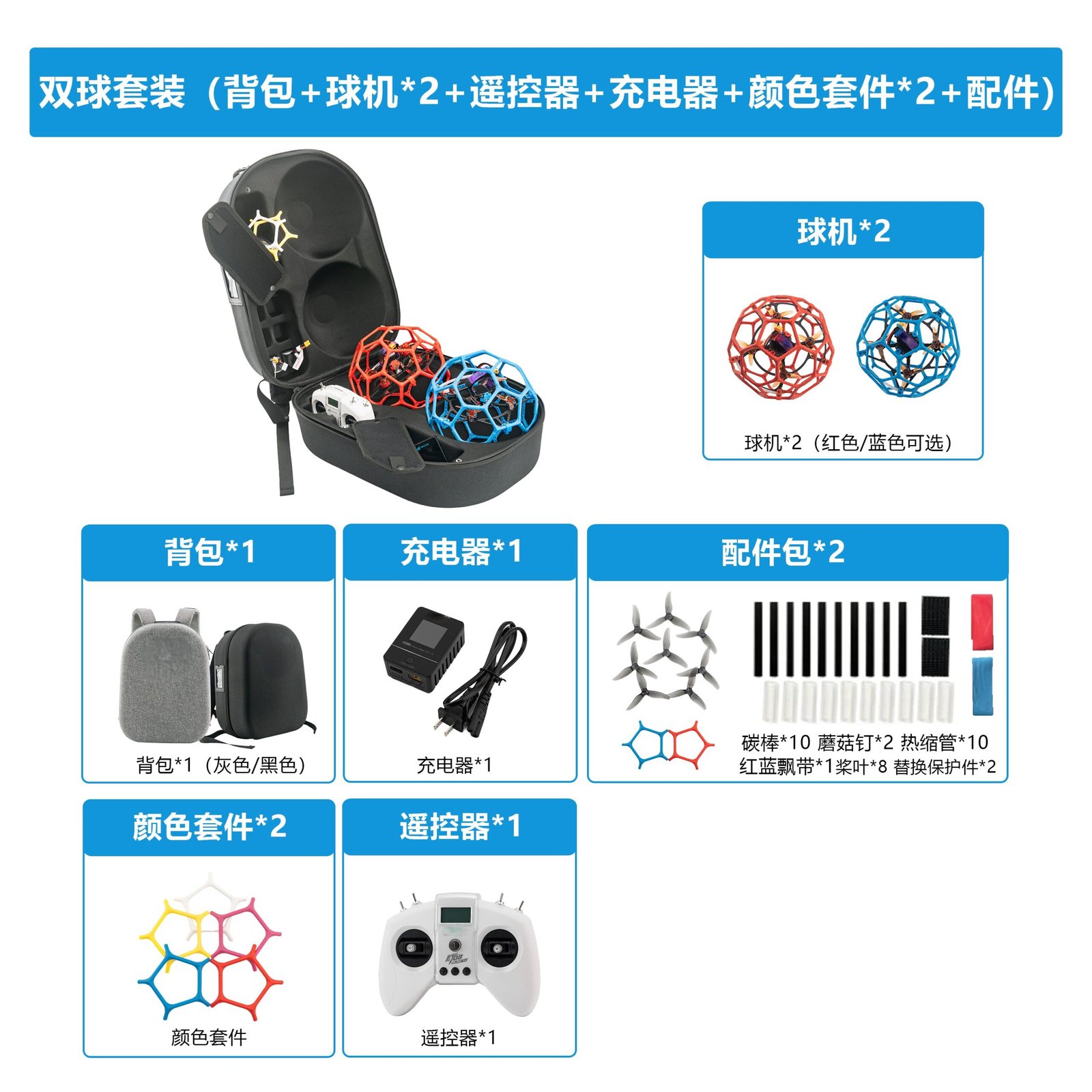
The drone soccer ball cage is the protective outer shell that surrounds the drone. It is part of the overall structure, which also includes internal frames and mounting points. The cage must be lightweight, impact-resistant, and aerodynamic. Common materials include polypropylene (PP), polycarbonate (PC), and nylon. The structure may be a single piece or modular. When customizing, you are essentially changing the appearance of the cage without compromising its protective function.
Color customization affects not only aesthetics but also visibility during matches. Bright colors like neon green or orange improve tracking for players and spectators. Logo placement should avoid obstructing sensors or airflow. Typically, logos are placed on the top or sides of the cage. For teams, the logo often includes the club crest, sponsor marks, or event branding.
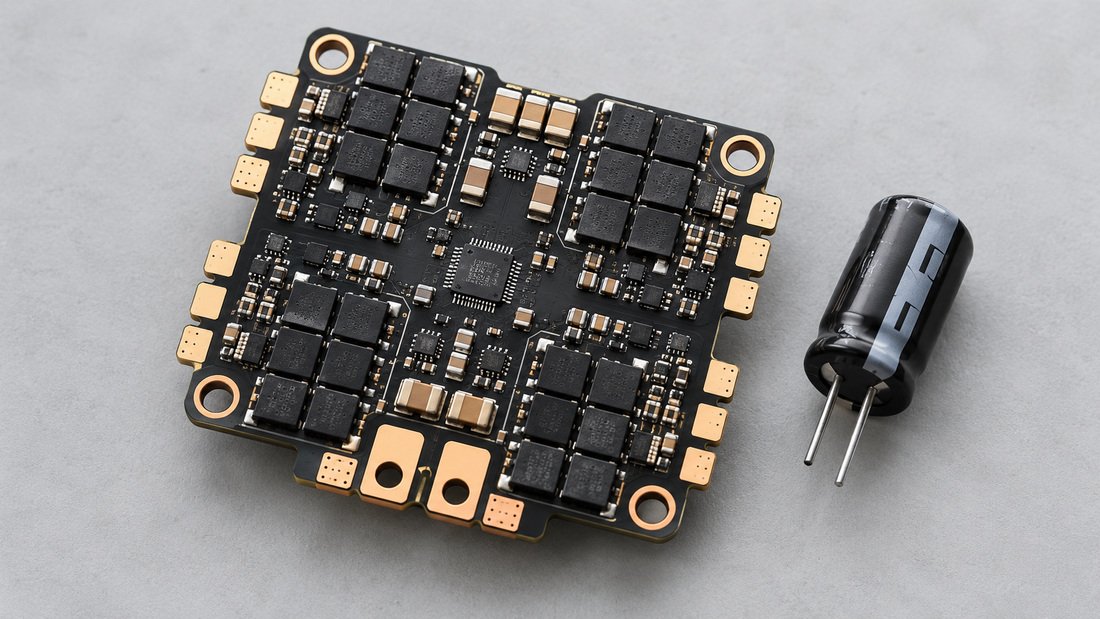
Before diving into customization, it’s important to source a reliable base. DPF offers a range of drone frames and complete drone soccer systems. You can also browse drone soccer replacement parts if you need to replace damaged cages.
Color Customization Methods and Their Trade-offs
There are three main ways to customize the color of a drone soccer ball cage: masterbatch coloring during injection molding, spray painting after molding, and film coating or wrapping. Each method has distinct advantages and limitations for B2B buyers.
Masterbatch Coloring (In-Mold)
Masterbatch involves mixing color pellets with raw plastic before injection molding. The color becomes integral to the part, so it won’t chip or fade easily. This method offers excellent durability and a uniform finish. However, it requires a high MOQ because the manufacturer must clean the machine and run a dedicated batch. Typical MOQ for custom colors is 500–1,000 units per color. Lead time may extend by 2–4 weeks compared to standard colors.
Spray Painting
Spray painting applies color after molding. It allows for more flexibility in color and can be done on existing stock. MOQ can be lower, sometimes 100–300 units. However, painted surfaces may scratch or peel over time, especially with frequent impacts. The paint adds slight weight and may require a protective clear coat. For teams that need a specific Pantone color match, spray painting can be more precise than masterbatch.
Film Coating or Wrapping
Film coating uses a adhesive-backed film applied to the cage. It offers design flexibility, including gradients and patterns. MOQ is often low, but durability is lower than in-mold coloring. Films can lift at edges after repeated collisions. This method is best for short-term events or prototypes.
| Method | MOQ (approx.) | Durability | Cost per unit | Lead time adder |
|---|---|---|---|---|
| Masterbatch | 500–1,000 | High | Medium | 2–4 weeks |
| Spray Painting | 100–300 | Medium | Low–Medium | 1–2 weeks |
| Film Coating | 50–200 | Low–Medium | Low | 1 week |
When choosing a method, consider the intended use. For competitive leagues where cages see heavy impact, masterbatch is the most durable. For promotional events or seasonal branding, spray painting or film may suffice.
Logo Customization: Techniques and Best Practices
Adding a logo to the cage is a common request from clubs and sponsors. The logo can be applied via pad printing, UV printing, laser engraving, or stickers. The choice depends on the logo complexity, number of colors, and desired durability.
Pad Printing
Pad printing uses a silicone pad to transfer ink from an etched plate onto the curved surface of the cage. It works well for one or two colors and small logos. It is cost-effective for medium volumes (500+ units). The ink adheres well to most plastics but may wear off in high-abrasion areas.
UV Printing
UV printing uses ultraviolet light to cure ink instantly. It can handle multi-color logos and gradients on curved surfaces. It offers better durability than pad printing and is suitable for complex designs. MOQ is often similar to pad printing, but setup costs are higher.
Laser Engraving
Laser engraving removes material to create a permanent mark. It works best on dark plastics where the engraved area appears lighter. It is durable but limited to single-color logos and may affect structural integrity if too deep.
Stickers and Decals
Stickers are the simplest and lowest MOQ option. They can be printed digitally and applied manually. However, they can peel off during play and may not look as professional. They are best for temporary use or small teams.
For a professional look, pad printing or UV printing are recommended. Always request a sample with your logo to check legibility and adhesion. If your team needs both cages and propulsion, consider propulsion combo kits to complete your setup.
OEM/ODM and Private Label Options
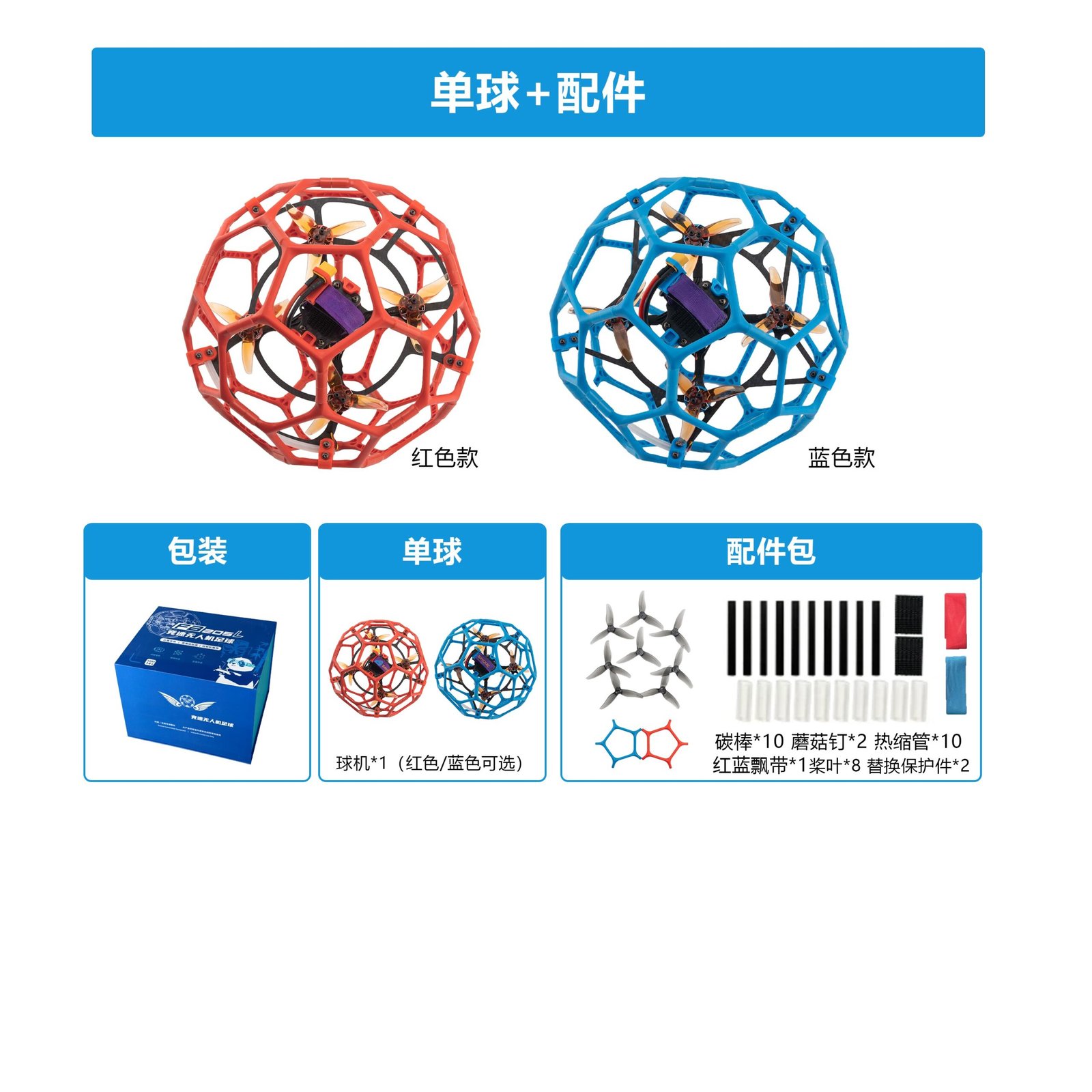
Many suppliers offer OEM (Original Equipment Manufacturer) and ODM (Original Design Manufacturer) services for drone soccer cages. OEM means you provide the design and specifications, and the manufacturer produces to your requirements. ODM means the manufacturer has existing designs that you can brand with your logo and colors. For most clubs, ODM is more cost-effective because it avoids tooling costs.
Private label involves putting your brand on an existing product. This can include custom packaging, manuals, and labels. MOQ for private label is often lower than full OEM. DPF supports OEM/ODM projects for drone soccer systems. To discuss your specific needs, you can discuss your OEM project with our team.
MOQ and Pricing Factors
MOQ and pricing for customized cages depend on several variables:
- Color method: Masterbatch requires higher MOQ than spray painting.
- Logo complexity: Multi-color logos cost more and may require UV printing.
- Number of SKUs: Different cage sizes or models multiply setup costs.
- Packaging: Custom boxes, inserts, and manuals add cost and may have their own MOQ.
- Order volume: Larger orders reduce per-unit cost, especially for setup fees.
- Lead time: Rush orders may incur expediting fees.
Typical MOQ for custom colors is 500–1,000 units per color, but some suppliers accept 300 units for pad printing only. Always request a detailed quotation that breaks down setup, unit price, and shipping.
Sample Testing and Validation
Before committing to mass production, always request pre-production samples. Samples allow you to verify color accuracy, logo placement, material quality, and fit. Testing should include:
- Color match against your Pantone or RAL reference.
- Logo adhesion test (tape test or rub test).
- Impact resistance test (drop test from typical flight height).
- Fit check with your drone frame and propulsion system.
- Weight check to ensure it meets league regulations.
Samples usually take 1–2 weeks and may cost $50–$200, often refundable against a bulk order. DPF provides sample requests for qualified buyers.
Quality Control and Compliance
Quality control for customized cages should cover color consistency, dimensional accuracy, and structural integrity. Ask for the supplier’s QC process: incoming material inspection, in-process checks, and final random inspection. AQL sampling (e.g., ISO 2859) is common.
Compliance is critical if the cages are intended for children or educational use. In the US, the Consumer Product Safety Improvement Act (CPSIA) may apply, and in the EU, the Toy Safety Directive (2009/48/EC) and EN 71 standards may apply. Paints and inks must be non-toxic and within heavy metal limits. Buyers should verify with local authorities and request test reports such as EN 71-3 or ASTM F963. Note that certification requirements depend on the specific product configuration and target market.
For radio equipment, cages themselves are passive, but the drone’s electronics must comply with FCC (US) or CE (EU) regulations. The cage color or logo does not affect RF compliance, but it’s part of the overall product. Per FCC guidelines, intentional radiators require certification; cages are not radiators, but the complete drone may need testing.
Lead Times and Production Scheduling
Customization adds time to standard production. Typical lead times after sample approval:
- Masterbatch: 4–6 weeks
- Spray painting: 3–4 weeks
- Pad printing: 3–4 weeks
- UV printing: 4–5 weeks
These are estimates and depend on order size, factory capacity, and raw material availability. Plan for Chinese New Year and other holidays. Always confirm lead time in the purchase order.
Packaging and Branding
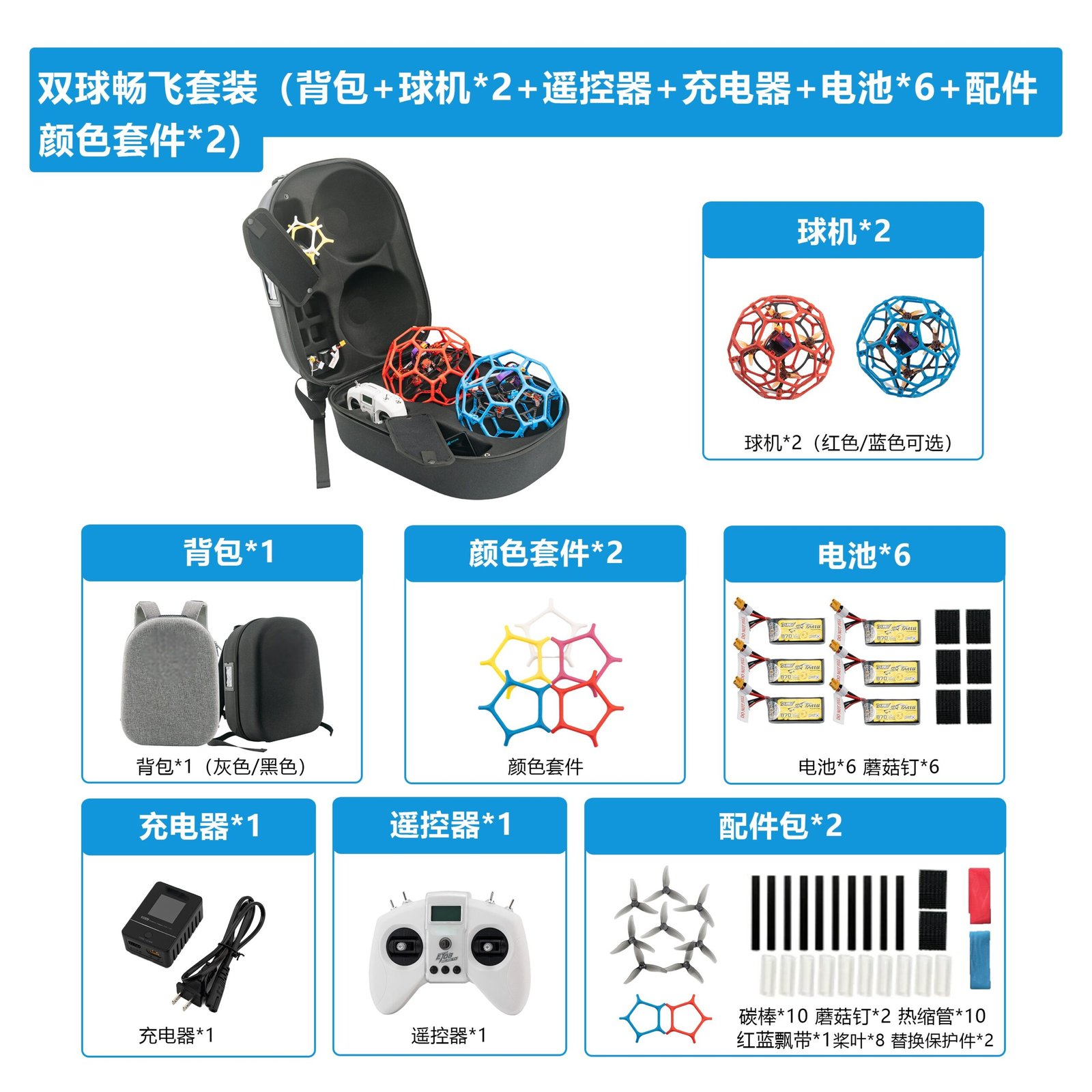
Custom packaging enhances the unboxing experience and reinforces your brand. Options include printed boxes, foam inserts, and branded manuals. MOQ for custom packaging is often 1,000 units. If you need to ship internationally, ensure packaging protects the cages from impact and moisture.
For teams, consider including a spare protective shell with each kit. This adds value and reduces downtime.
Shipping and Lithium Battery Considerations
Drone soccer cages are non-hazardous, but if shipped with batteries, lithium battery regulations apply. Lithium batteries are classified as UN3480/UN3481 and require special packaging, labeling, and documentation. Air shipping may require IATA DGR compliance. Always inform your supplier if batteries are included so they can prepare the correct paperwork.
After-Sales, Warranty, and Spare Parts
Custom cages should be covered by a warranty against manufacturing defects. Typical warranty is 6–12 months. Clarify what is covered: color fading, cracking, or logo peeling. Spare parts availability is crucial for clubs. Ensure your supplier can provide replacement cages in the same custom color and logo.
Common Mistakes and Buyer Red Flags
Watch out for these pitfalls when sourcing custom cages:
- No color standard: Not providing Pantone/RAL codes leads to mismatched colors.
- Ignoring MOQ: Assuming low MOQ for complex customization; always confirm.
- Skipping samples: Ordering without a pre-production sample risks costly errors.
- Overlooking compliance: Using non-compliant paints for children’s products can lead to recalls.
- Vague lead times: Not getting lead time in writing can cause missed events.
- No spare parts plan: Failing to order extra cages with custom branding.
- Unclear logo ownership: Ensure you have rights to use logos and that supplier won’t resell your design.
Practical Buyer Checklist
Use this checklist before placing a custom order:
- Define your color requirements (Pantone/RAL codes).
- Prepare logo files in vector format (AI, EPS, PDF).
- Confirm MOQ and pricing for your chosen method.
- Request pre-production samples and test them.
- Verify compliance requirements for your market (e.g., EN 71, CPSIA).
- Agree on lead time, shipping terms, and Incoterms.
- Confirm warranty and spare parts availability.
- Get everything in a written contract.
FAQ
1. What is the typical MOQ for custom cage colors?
MOQ varies by method. Masterbatch coloring usually requires 500–1,000 units per color. Spray painting can start at 100–300 units. Pad printing may allow 300 units. Always confirm with your supplier.
2. Can I mix different colors in one order?
Yes, but each color may have its own MOQ. Some suppliers allow mixed colors within a total order quantity, but setup fees apply per color.
3. How durable is a printed logo on a drone soccer cage?
Pad printing and UV printing are durable for normal play. UV printing is more resistant to abrasion. Laser engraving is permanent but limited in color. Stickers are least durable.
4. What file format do I need for my logo?
Vector files (AI, EPS, PDF) are preferred for crisp printing. If you only have a raster image (JPG, PNG), it may need to be redrawn, which adds cost.
5. Are there safety regulations for colored cages?
If the cages are marketed for children, toy safety regulations may apply. In the EU, EN 71-3 limits heavy metals in coatings. In the US, CPSIA requires lead content testing. Verify with local authorities.
6. How long does production take for custom cages?
After sample approval, production typically takes 3–6 weeks depending on the method and order size. Add shipping time.
7. Can I get a sample with my logo before mass production?
Yes, most suppliers offer pre-production samples. Expect to pay a sample fee, which is often credited against the bulk order.
Conclusion
Customizing the cage color and logo on a drone soccer ball and structure is a practical way to build team identity and brand visibility. By understanding the methods, MOQs, compliance, and lead times, you can make informed procurement decisions. Always work with a supplier who provides clear communication, samples, and after-sales support. DPF specializes in drone soccer systems and OEM projects. For clubs and associations, we offer team kits with custom colors and logos. Request a quote to get started.
For more information, visit our Contact Us page or Request Samples.
Scan the QR code to contact Emily on WeChat. Contact our team via Contact Us, Get a Quote, Request Samples, or Discuss Your OEM Project.