Quick summary
Choosing brushless motors for drone soccer requires balancing thrust, durability, and cost against league rules and your team’s flying style. Start by confirming the motor size (stator diameter and height), KV rating, and voltage compatibility with your ESC and battery. Then prioritize impact resistance and spare parts availability. This guide walks club managers and coaches through the key technical and procurement decisions, from sample testing to bulk orders.
Key Takeaways
- Motor selection in drone soccer hinges on KV rating, stator size, and thrust-to-weight ratio—not just raw power.
- Durability matters more than peak performance: crashes are frequent, so choose motors with reinforced bells and easy-to-replace parts.
- MOQ, unit price, and lead time vary with customization (windings, connectors, branding) and order volume.
- Always test samples under real match conditions before committing to a team kit.
- Verify that your motor choice complies with local radio and safety regulations, especially for youth programs.
Drone soccer is a fast-growing international sport, with leagues and tournaments attracting school teams and clubs worldwide. The right brushless motors directly affect how well a drone can accelerate, maneuver, and survive collisions. But selecting motors isn’t just about reading a spec sheet; it’s a procurement decision that impacts budget, maintenance, and competitive success.
1. Understand the Role of Brushless Motors in Drone Soccer
Drone soccer uses spherical, protective cages around quadcopters. The motors must deliver quick throttle response and enough thrust to push the ball through the opponent’s goal ring. Because the drone is enclosed, airflow is restricted, which can reduce efficiency compared to open-propeller FPV racing. That means motor choice must account for the cage’s aerodynamic penalty.
Teams typically fly in 3v3 or 5v5 formats, with matches lasting a few minutes. Motors are subjected to repeated impacts and sudden direction changes. Therefore, reliability and impact resistance are as important as thrust. A motor that delivers blistering speed but fails after two crashes will cost you more in the long run.
For clubs and educational programs, consistency across a fleet is also critical. Buying the same motor model in bulk simplifies maintenance, spare parts inventory, and pilot training. This is where working with a supplier that offers both FPV motors and drone soccer specific components can streamline procurement.
2. Key Specs to Evaluate: KV, Stator Size, and More
The two most important numbers on a brushless motor are stator size and KV rating. Stator size (e.g., 2207, 2306) refers to the diameter and height of the stator in millimeters. A larger stator generally produces more torque and thrust, but adds weight. KV rating indicates RPM per volt; lower KV motors spin slower but can turn larger props, while higher KV motors spin faster with smaller props.
For drone soccer, typical motor sizes range from 2205 to 2306, with KV ratings between 1700 and 2400 for 4S batteries. However, the optimal choice depends on your drone’s weight, propeller size, and cage design. A heavier, armored ball may need more thrust, pushing you toward a larger stator or higher KV.
Other specs to consider include:
- Motor weight: Lighter motors improve agility but may sacrifice durability.
- Bearings: Japanese or Swiss bearings tend to last longer under impact.
- Windings: Single-strand vs. multi-strand affects heat and efficiency.
- Connectors: Ensure they match your ESC (e.g., 3.5mm bullets, solder pads).
- Mounting pattern: Standard 16x16mm or 19x19mm holes must align with your frame.
Also consider the motor’s compatibility with your ESC and battery. A motor, propeller and battery matching guide can help you avoid mismatches that lead to overheating or poor performance.
3. Thrust-to-Weight Ratio: The Performance Benchmark
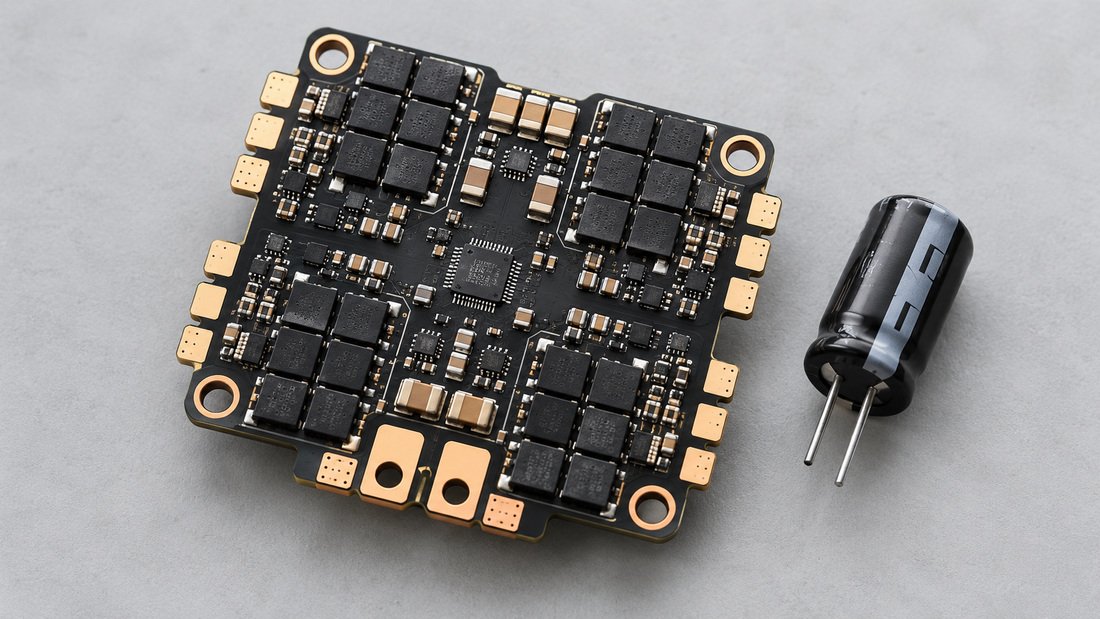
Thrust-to-weight ratio (TWR) is the single best indicator of drone soccer performance. It’s calculated by dividing total thrust (from all four motors) by the all-up weight (AUW) of the drone, including battery and cage. A TWR of 2:1 means the drone can produce twice its weight in thrust, allowing for vertical acceleration and quick direction changes.
For drone soccer, a TWR between 3:1 and 4:1 is often recommended for competitive play. Novice teams may find 2.5:1 easier to control. To achieve your target TWR, you need to select motors that provide sufficient thrust with your chosen propeller and battery voltage. Motor manufacturers typically publish thrust data for specific propellers and voltages, but these tests are often done in open air. In a cage, expect a 10-20% reduction in thrust.
Here’s a simplified comparison of common motor sizes for drone soccer:
| Motor Size | Typical KV | Recommended Battery | Best For |
|---|---|---|---|
| 2205 | 2300-2600 | 4S | Lightweight, agile drones up to 200g |
| 2207 | 1800-2100 | 4S-6S | Balanced performance for standard 250g drones |
| 2306 | 1700-2000 | 6S | Heavy-duty, high-thrust for larger cages |
These are general guidelines. Always verify with actual thrust tests that mimic your drone’s weight and cage.
If you’re building a complete fleet, you might consider propulsion combo kits that include motors, ESCs, and propellers matched for compatibility. This reduces the risk of mismatched components and simplifies ordering.
4. Durability and Crash Resistance
Drone soccer is a contact sport. Drones collide with each other, the cage walls, and the goal structure. Motors are often the first components to suffer damage in a crash. To minimize downtime, look for motors with:
- Reinforced bell: A thicker bell or a protective ring can prevent deformation.
- Steel or titanium shaft: Stronger shafts resist bending.
- Easy-access screws: Allow quick replacement of bells or shafts without desoldering.
- Impact-resistant coatings: Some motors feature coatings that protect windings from debris.
Another consideration is the motor’s open vs. closed design. Open motors cool better but are more susceptible to dust and debris. Closed motors are more protected but may run hotter. For indoor drone soccer, debris is less of an issue, so open designs can work if you maintain them regularly.
Ask your supplier about the motor’s impact test data. Reputable manufacturers can provide drop test results or customer feedback from drone soccer leagues. If they can’t, that’s a red flag.
5. Procurement Factors: MOQ, Pricing, and Customization
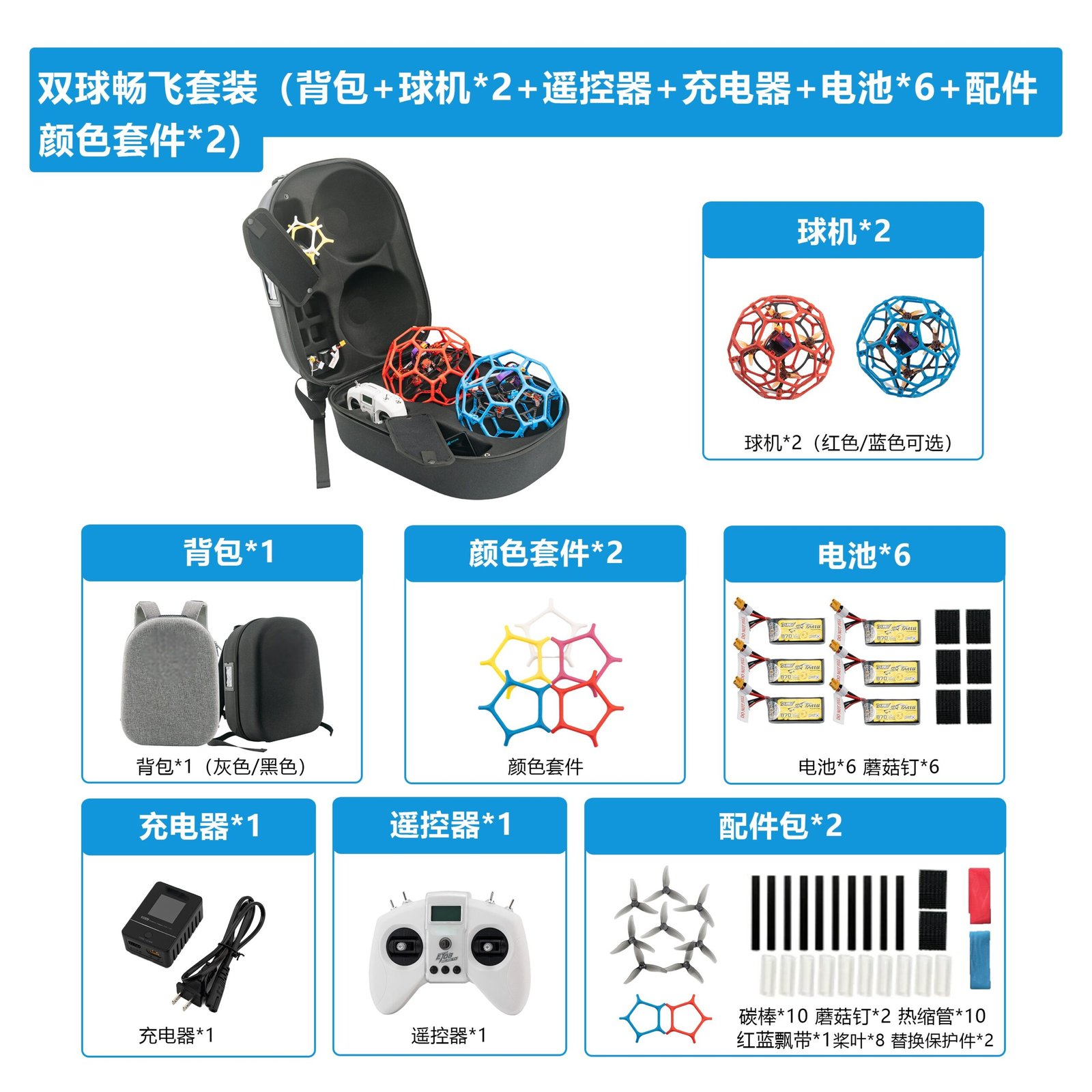
When purchasing brushless motors for a team or club, you’ll encounter minimum order quantities (MOQs). MOQs vary widely by supplier. Some may require 100 units per model, while others offer lower MOQs for standard models. If you need custom windings, connectors, or branding, MOQs can be significantly higher.
Pricing depends on several factors:
- Order volume: Larger orders typically get lower unit prices.
- Customization: Custom KV, winding, or branding adds cost.
- Components: Motors with premium bearings or titanium shafts cost more.
- Packaging: Custom boxes or labels increase unit price.
For clubs, a good strategy is to standardize on one or two motor models. This simplifies inventory and may qualify you for volume discounts. If you’re an educational institution, you might partner with a supplier that offers motor and propulsion matching services to ensure your fleet is optimized.
Remember that the cheapest motor isn’t always the best value. Consider total cost of ownership, including replacement parts and downtime.
6. Sample Testing and Validation
Before placing a bulk order, always request samples. Test them under conditions that simulate match play:
- Fly for at least 10 minutes with aggressive throttle changes.
- Perform deliberate crashes into a soft barrier to test durability.
- Measure motor temperature after flights; excessive heat indicates inefficiency.
- Check for bearing play and bell wobble after crashes.
- Compare thrust with the manufacturer’s data.
Sample testing also lets you evaluate the supplier’s responsiveness and technical support. A supplier that provides detailed test data and replacement guidance is more likely to be a reliable long-term partner.
7. Compliance, Certification, and Shipping
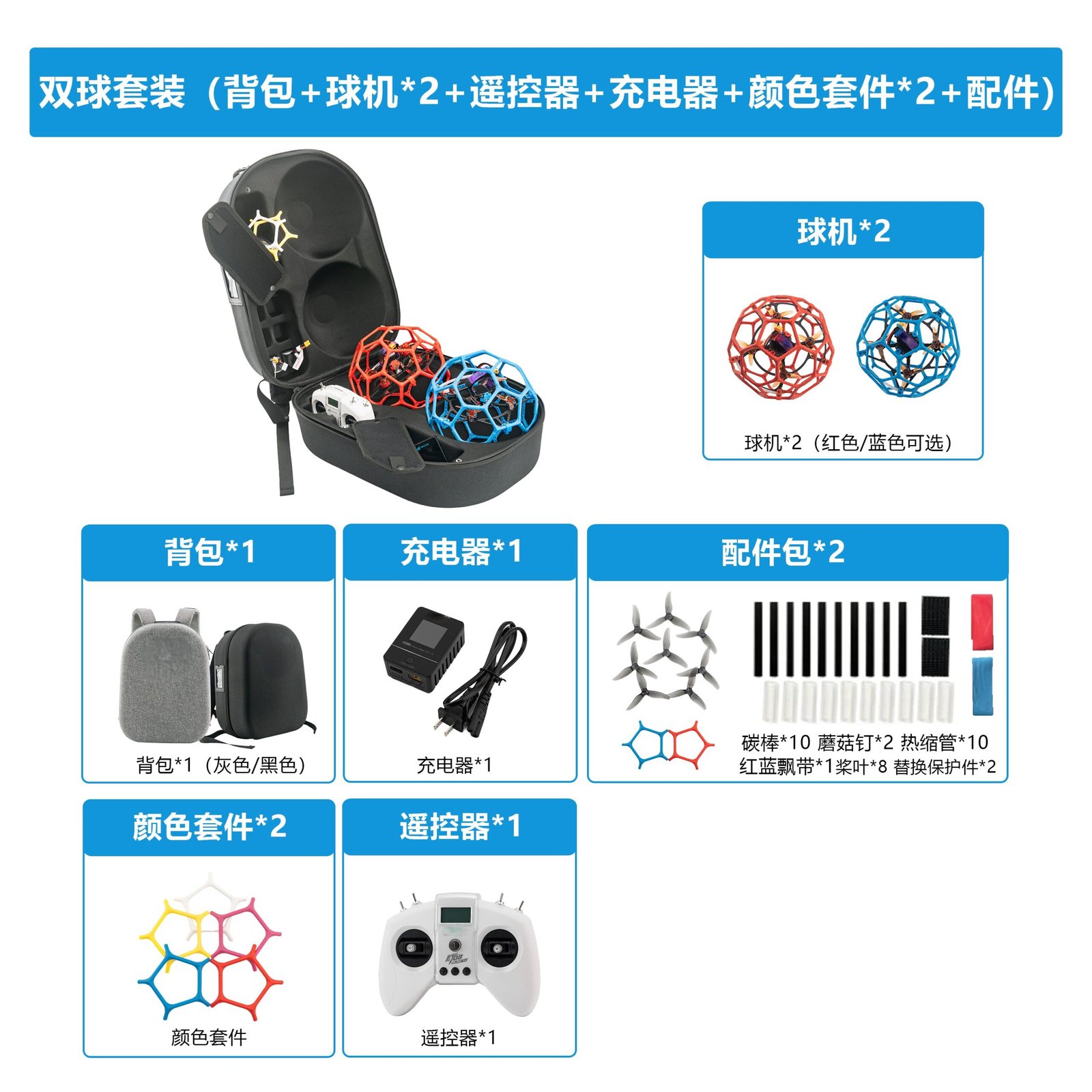
Brushless motors themselves are generally not subject to radio certification, but the complete drone (including ESCs, receiver, and video transmitter) may require compliance with local regulations. For example, in the United States, the FCC regulates radio frequency devices; in the European Union, CE marking applies to radio equipment. If your drone soccer program operates in a school, additional safety standards for toys or educational equipment may apply, such as EN 71 or ASTM F963. Buyers should verify with local authorities.
When importing motors, check if they contain hazardous materials. Most brushless motors are not classified as dangerous goods, but lithium batteries are. If you’re shipping complete kits, you’ll need to follow IATA lithium battery shipping regulations.
Ask your supplier for documentation such as RoHS and REACH compliance for motor materials. These may be required by your institution or customs. Note that not all motors are automatically certified; certification depends on the specific product configuration and destination market.
Common Mistakes and Buyer Red Flags
Even experienced buyers can stumble. Watch out for these pitfalls:
- Ignoring cage aerodynamics: Assuming open-air thrust data translates directly to caged performance.
- Overlooking durability: Choosing high-KV motors that burn out quickly under crash stress.
- Underestimating MOQ: Failing to plan for spare parts and future fleet expansion.
- No sample testing: Ordering bulk without validating real-world performance.
- Unclear certification: Assuming motors are certified without checking documentation.
- Poor supplier communication: Lack of technical support or unclear lead times.
- Red flag: Suppliers who can’t provide thrust data or impact test results.
- Red flag: Prices that are suspiciously low compared to market rates.
- Red flag: No warranty or unclear return policy.
Also be wary of suppliers who promise “one-size-fits-all” motors. Drone soccer demands specific performance characteristics, and a generic motor may not cut it.
Practical Buyer Checklist
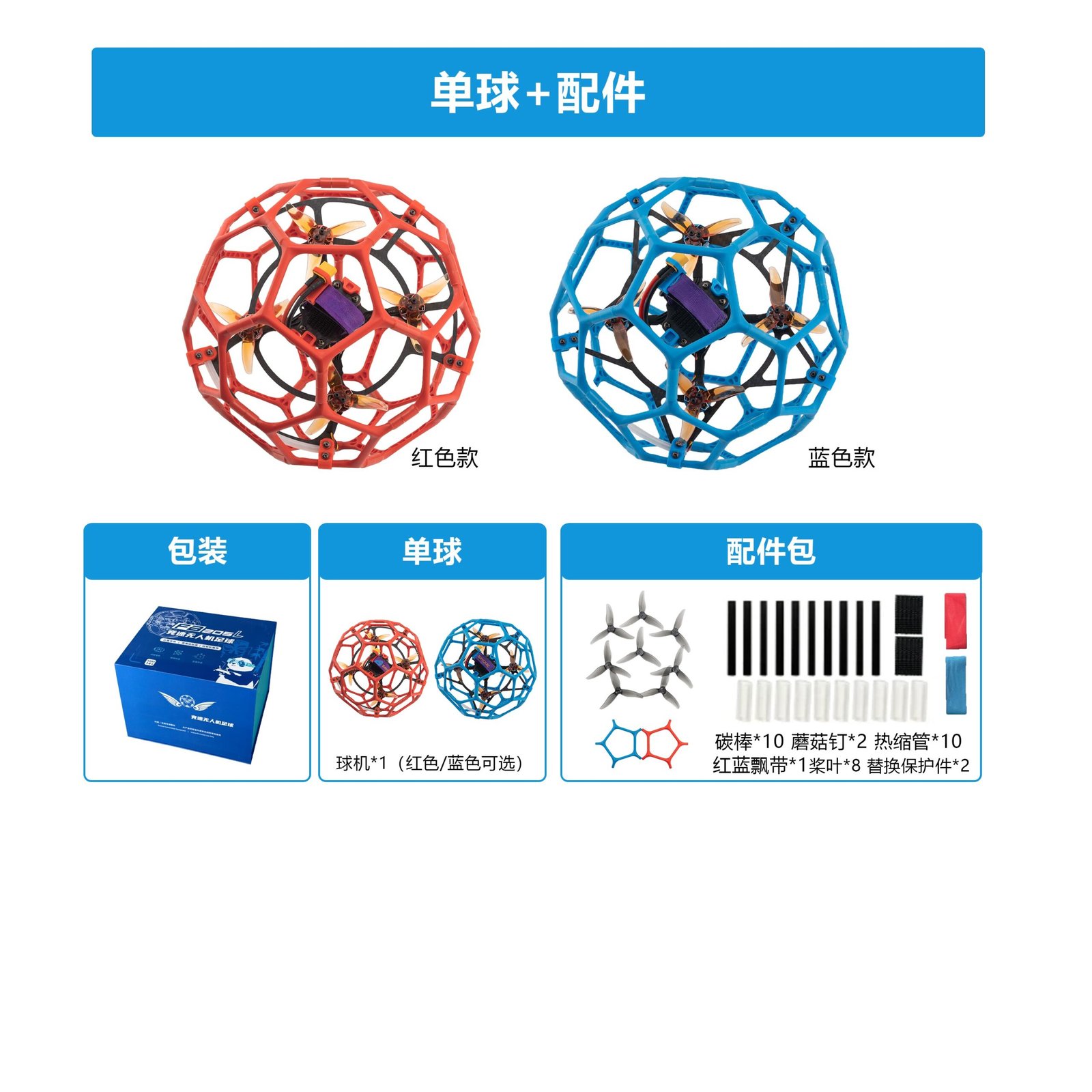
Use this checklist to guide your motor procurement:
- Define your performance targets: AUW, desired TWR, flight time.
- Confirm compatibility: Motor size, KV, ESC, battery, propeller.
- Assess durability features: Reinforced bell, shaft material, bearing type.
- Request samples: Test under match-like conditions.
- Clarify MOQ and pricing: Including customization costs.
- Check certifications: RoHS, REACH, and any relevant safety standards.
- Review warranty and support: Spare parts availability, technical assistance.
- Plan logistics: Lead times, shipping methods, lithium battery regulations.
- Evaluate total cost of ownership: Not just unit price.
This checklist can be adapted for different scales, from a single team to a national league.
FAQ
What size brushless motors are best for drone soccer?
Most drone soccer drones use 2205, 2207, or 2306 motors. The best size depends on your drone’s weight and desired thrust-to-weight ratio. Lighter drones may use 2205, while heavier, armored drones often benefit from 2306.
What KV rating should I choose for drone soccer motors?
For 4S batteries, KV ratings between 1700 and 2400 are common. Higher KV provides more speed but less torque; lower KV offers more torque and efficiency. Test different KV motors with your specific propeller and cage to find the best match.
How many motors should I order for a team?
Plan for at least 4 motors per drone, plus spares. A typical club with 10 drones might order 50-60 motors to cover replacements and future growth. Consider MOQ and volume discounts when ordering.
Do brushless motors require certification for drone soccer?
Motors themselves typically don’t require radio certification, but the complete drone may need to comply with local regulations (e.g., FCC, CE). For educational use, check if toy safety standards like EN 71 or ASTM F963 apply. Verify with local authorities.
How can I test motor durability before bulk purchase?
Request samples and perform crash tests, throttle punch-outs, and temperature checks. Also review the supplier’s test data and ask for references from other drone soccer organizations.
What is the typical lead time for custom brushless motors?
Lead times vary by supplier and customization. Standard motors may ship in 2-4 weeks; custom windings or branding can add 2-6 weeks. Always confirm lead times in writing before ordering.
Can I customize motor branding for my club?
Many suppliers offer OEM/ODM services, including custom laser engraving or labels. MOQs for branding are usually higher than for standard motors. Discuss your requirements with the supplier.
Conclusion
Selecting the right brushless motors for drone soccer is a strategic decision that blends technical specs with procurement practicality. Focus on KV, stator size, durability, and total cost of ownership. Always test samples and verify compliance. By following the steps in this guide, your club or institution can build a reliable, high-performing fleet that stands up to the demands of competitive play.
Ready to equip your team? Request a Team Kit Quote from Drone Parts Factory. Our experts can help you select the ideal motors and propulsion components for your drone soccer program.
Scan the QR code to contact Emily on WeChat. Contact our team via Contact Us,
Get a Quote,
Request Samples, or
Discuss Your OEM Project.