Quick summary
There is no single best backpack for all drone soccer equipment. The right choice depends on how many drones and transmitters you transport, whether you protect frames and balls or share gear across teams, and how much of the load is carried by students. For most school and club programs, the best setup is a structured backpack or rolling case with custom foam for drones, a separate pouch for transmitters and batteries, and a lightweight bag for balls and spare parts. Confirm internal dimensions and padding before ordering.
Key Takeaways
- Match the bag to your kit, not the brand: Count drones, transmitters, batteries, balls and spare parts first, then choose internal dimensions.
- Protection is layered: A padded backpack or hard case protects frames, while protective shells protect the drone itself.
- Weight distribution matters for youth: Students should not carry more than they can safely manage; consider rolling cases for heavy loads.
- Battery safety is non-negotiable: Use fire-resistant battery bags and never transport damaged or swollen packs.
- Ask for written specs: Request internal dimensions, foam type, material and warranty in writing before bulk orders.
What Should a Drone Soccer Equipment Backpack Hold?
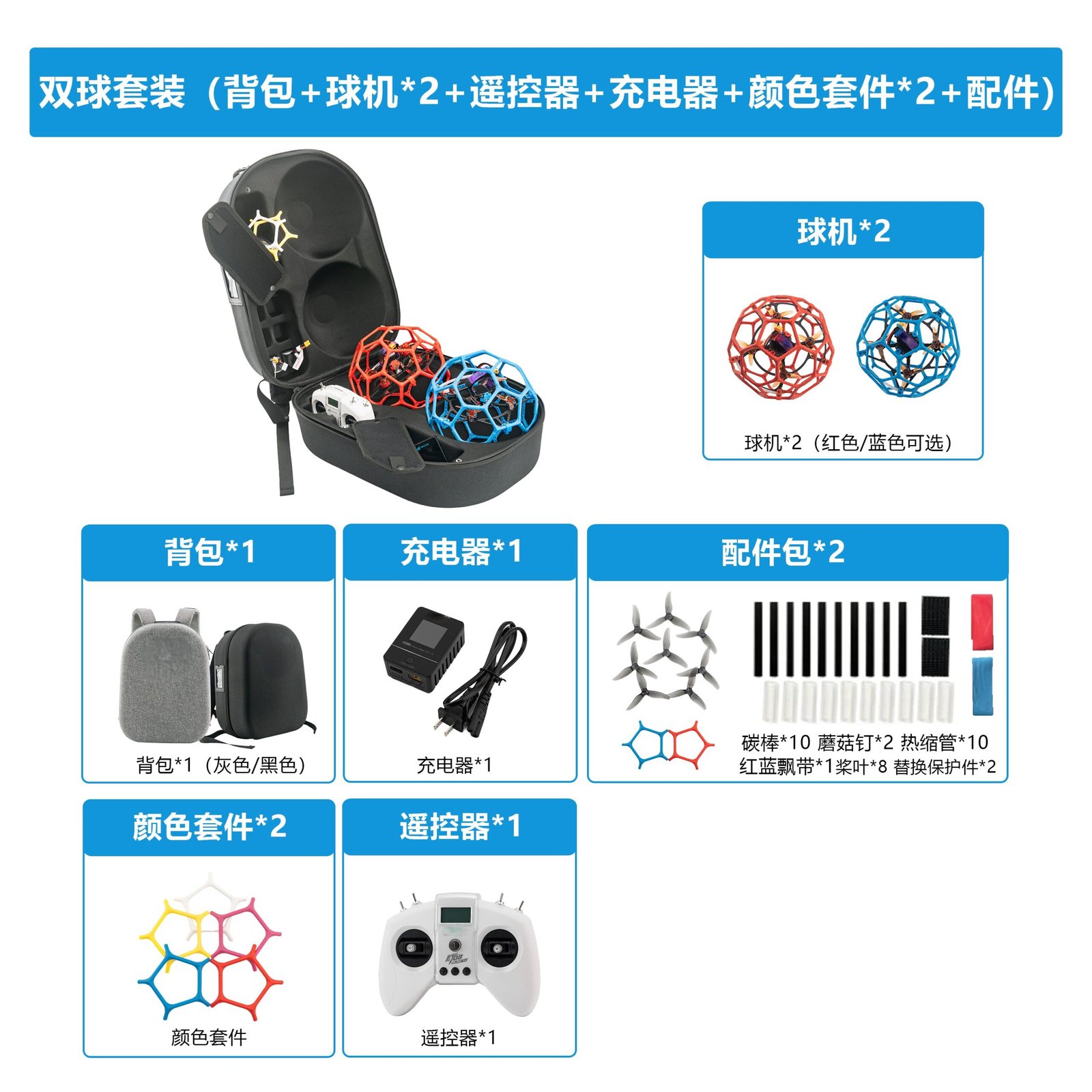
A drone soccer backpack must hold more than a drone. A typical team kit includes multiple drone soccer drones, transmitters, batteries, chargers, balls, spare propellers, and repair tools. The backpack itself is only one piece of the transport system.
Start by listing every item that travels to practice and competitions. For a school program with 10 students, you may need capacity for 5–10 drones, 5–10 transmitters, 20+ batteries, 2–3 balls, and a tool kit. That load usually requires either a large backpack plus a separate ball bag, or a rolling case.
Internal dimensions are more important than external size. A backpack can look large but have narrow compartments that do not fit a drone with a protective shell. Ask for internal measurements in millimeters and check them against your actual drone dimensions.
Drones and Frames
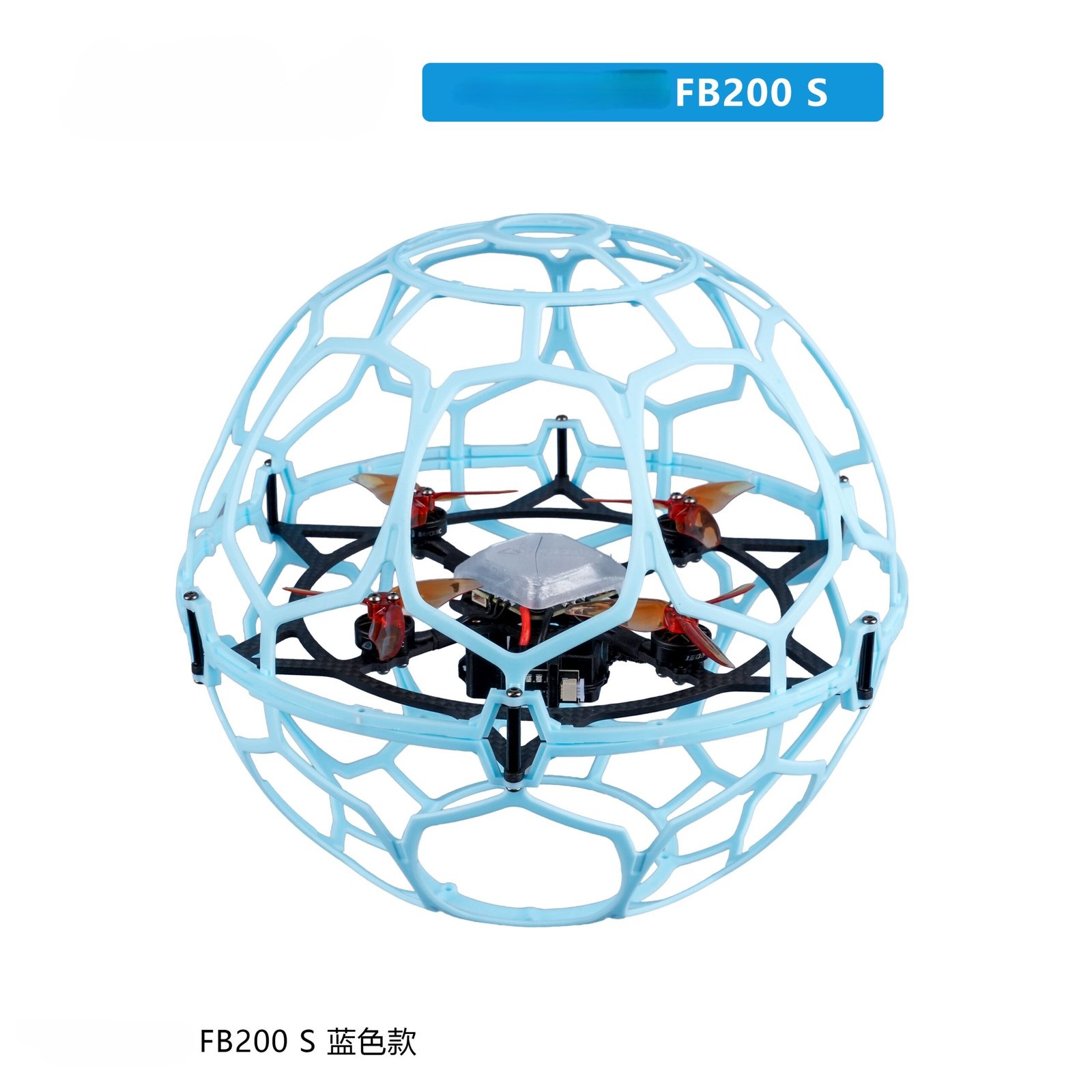
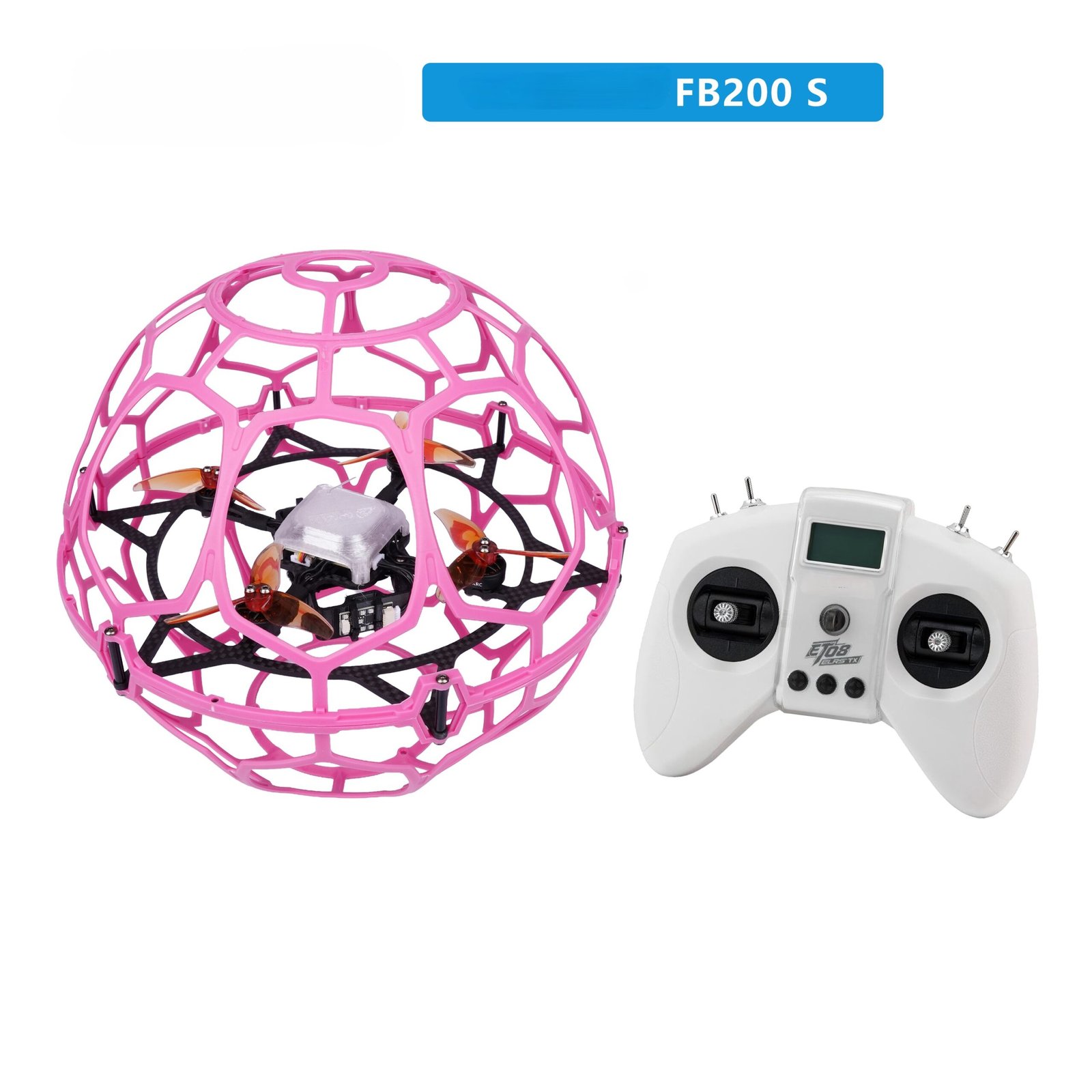
Drone soccer drones are built around a protective outer shell. That shell adds diameter and changes how the drone fits in a bag. A backpack compartment designed for a bare frame may not fit a shelled drone. Measure the drone with the shell installed.
If your program builds or repairs drones, you also need space for spare drone frames and small components. A separate compartment for frames prevents bent arms and cracked mounts.
For programs that assemble drones from kits, a dedicated parts organizer inside the backpack keeps screws, propellers and cables separate from the drones.
Transmitters and Batteries
Transmitters are bulky and have sticks that can break. Look for a backpack with a transmitter compartment or removable foam that holds the radio securely. If the backpack does not have one, use a padded transmitter case inside the main compartment.
Batteries should never rattle loose against metal tools. Use fire-resistant LiPo bags for each battery or a battery-specific case. Damaged or swollen batteries must not be transported in the same bag as other equipment. Check with your local regulations and your battery supplier for safe transport guidance.
Balls, Tools and Spares
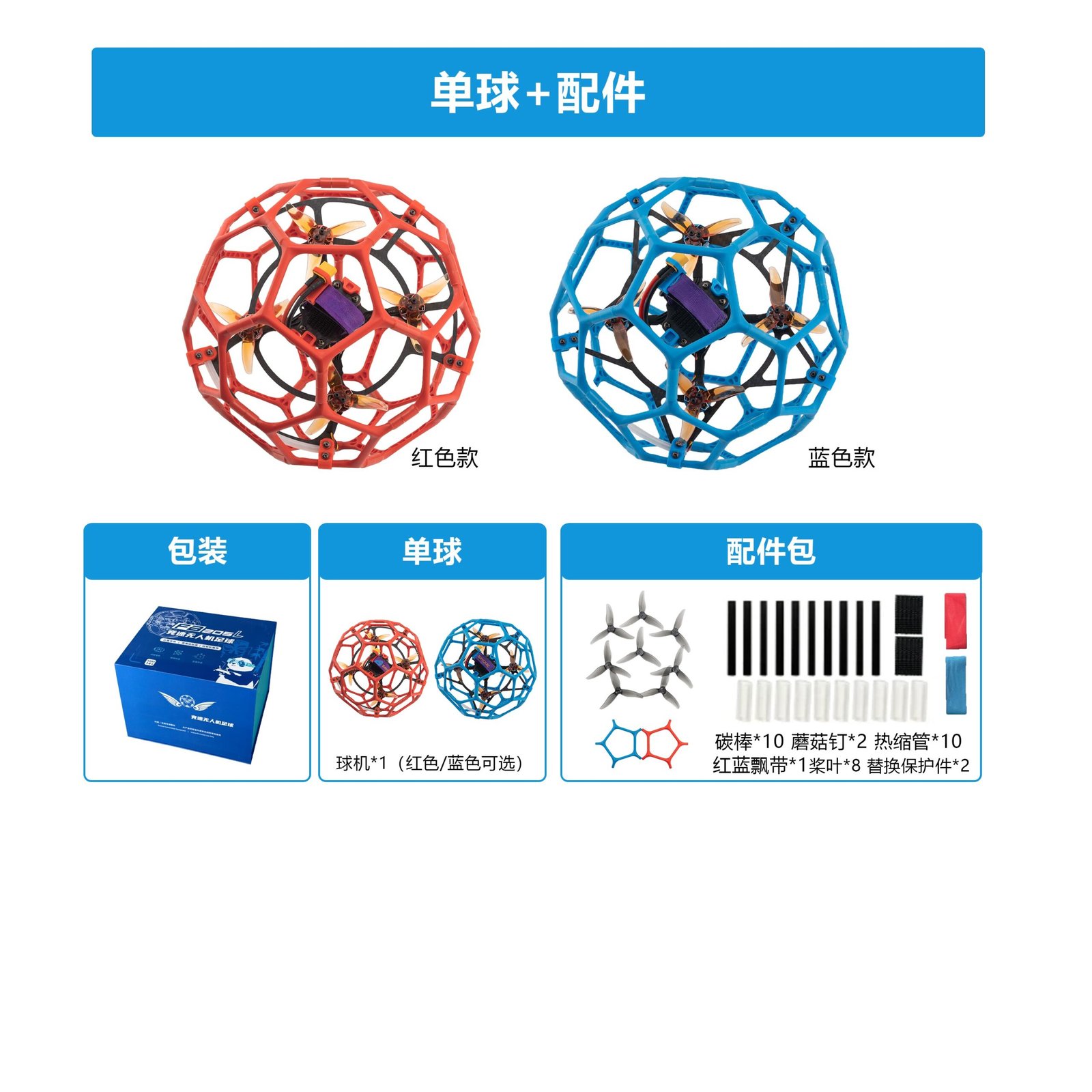
Drone soccer balls are lightweight but bulky. A backpack with an external mesh or side pocket can carry one or two balls, but a full set of match balls may need a separate duffel. Keep balls away from batteries and sharp tools.
Tools such as hex drivers, spare propellers and zip ties should go in a small pouch. If the pouch is loose inside the backpack, it will migrate and scratch the drones. Choose a bag with multiple compartments or add internal dividers.
Backpack vs Hard Case vs Rolling Bag: A Comparison
There is no universal winner. The best choice depends on how the equipment travels and who carries it.
| Type | Best for | Protection level | Portability | Typical trade-off |
|---|---|---|---|---|
| Soft backpack | Students carrying gear to practice | Moderate | High | Less crush protection |
| Structured backpack with foam | Coaches transporting drones and radios | Good | High | Heavier, higher cost |
| Hard case with foam | Air travel, storage, shared club gear | High | Low to moderate | Bulky, not hands-free |
| Rolling bag or case | Large team kits, events | Moderate to high | Moderate | Wheels can fail on rough ground |
| Duffel with dividers | Balls, spares, soft goods | Low | High | Little drone protection |
Many programs use a combination: a structured backpack for drones and transmitters, plus a duffel for balls and spares. That keeps the most fragile items protected while separating the bulk.
Key Features to Look For in a Drone Soccer Backpack
Focus on protection, organization and safe carrying. Features that look good in photos may not protect your equipment.
- Padded, configurable foam: Pick-and-pluck or custom-cut foam holds drones and radios in place. Ask whether foam is included or sold separately.
- Reinforced base and zippers: The base takes the most abuse. Look for abrasion-resistant material and heavy-duty zippers.
- Separate battery storage: A fire-resistant pouch or compartment keeps batteries away from tools and drones.
- Padded shoulder straps and hip belt: Important for heavier loads. For younger students, consider a rolling option instead.
- External attachment points: Useful for a ball bag, water bottle or folding stool.
- Lockable zippers or case: Helpful for shared club equipment and event storage.
If your program uses protective shells on each drone, confirm that the backpack compartments are tall enough for the shelled drone. Many generic drone backpacks are sized for camera drones, not drone soccer equipment.
Common Mistakes When Choosing Drone Soccer Transport
These mistakes lead to broken equipment and wasted budget.
- Buying by external size only: A large backpack may not fit your drone with its protective shell. Always check internal dimensions.
- Ignoring battery safety: Loose LiPo batteries in a backpack with metal tools are a fire risk. Use fire-resistant bags and inspect packs regularly.
- Overloading students: A heavy backpack carried by a young student is a safety and comfort issue. Consider rolling cases for heavy kits.
- Forgetting repair space: If a drone breaks at an event, you need tools and spares. A backpack with no tool compartment forces you to carry a second bag.
- Assuming one bag fits all: A program with 20 drones and a program with 5 drones need different transport solutions.
For programs that replace parts frequently, keep a small stock of drone soccer replacement parts in the backpack so minor repairs can happen on site.
Procurement Checklist for Schools and Clubs
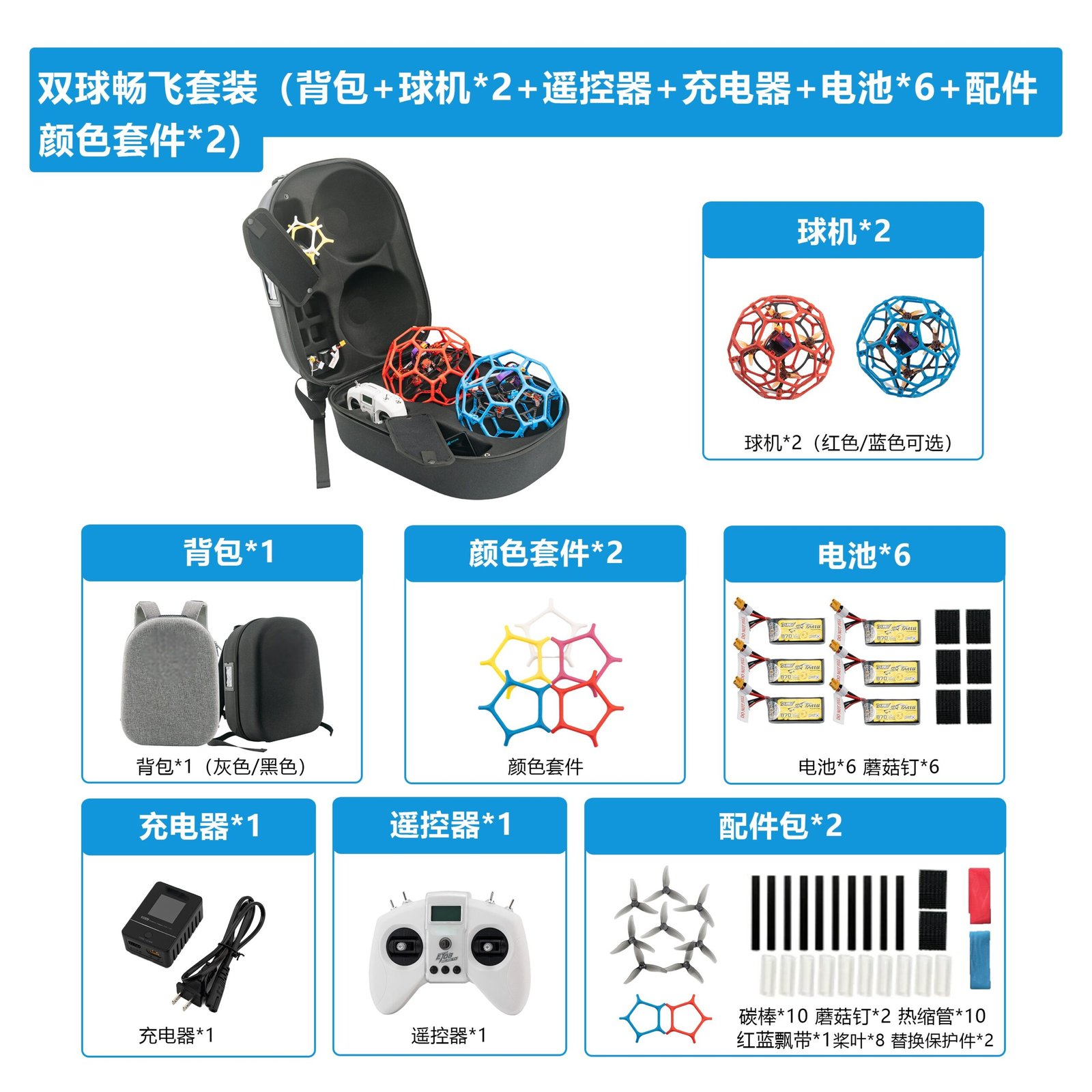
Use this checklist before placing a bulk order. Ask the supplier to confirm each item in writing.
- List every item that must be transported: drones, transmitters, batteries, chargers, balls, tools, spare parts.
- Measure the largest drone with its protective shell and the largest transmitter.
- Confirm internal dimensions of each backpack compartment in millimeters.
- Ask whether foam is included, replaceable, or custom-cut, and what type of foam it is.
- Confirm the material and expected durability for school use.
- Ask how batteries should be stored and whether battery bags are included.
- Confirm the warranty period and what it covers in writing.
- Request a sample or a loan unit before ordering for a full program.
- Clarify minimum order quantity, lead time and shipping terms in writing.
- Check whether the supplier can provide replacement foam or parts later.
For programs building or repairing drones, consider whether spare propulsion combo kits should travel with the team. If so, add a compartment for motors, ESCs and propellers.
The flight controller inside each drone is a small computer that reads sensors and controls the motors. Betaflight is one example of flight controller software used on many multirotor craft, and it supports a range of receiver and ESC protocols (Betaflight documentation). While firmware choice does not change your backpack, it does affect how many spare components you may want to carry. Programs that tune or update firmware benefit from a small tool and cable pouch.
Frequently Asked Questions
What is the best backpack for drone soccer equipment?
The best backpack is one that fits your drones with their protective shells, has configurable foam, and separates batteries from tools. There is no single model that fits every program. Measure your equipment and confirm internal dimensions before buying.
Can I use a regular drone backpack for drone soccer?
Sometimes, but many regular drone backpacks are designed for camera drones and may not fit drone soccer drones with protective shells. Check internal dimensions and compartment height before assuming a standard backpack will work.
How should I transport drone soccer batteries?
Use fire-resistant LiPo bags or a dedicated battery case. Keep batteries away from metal tools and never transport damaged or swollen packs. Follow your local regulations and your battery supplier’s guidance. For specific rules, confirm with your transport provider or regulator.
Should students carry their own drone soccer backpacks?
It depends on age and load. Younger students should carry light loads, while heavier team kits may need a rolling case or coach transport. Consider the total weight, including batteries and tools, before assigning backpacks to students.
Do I need a hard case or a soft backpack?
A hard case offers more crush protection and is better for air travel or shared club storage. A soft backpack is easier to carry and often cheaper. Many programs use both: a backpack for practice and a hard case for events.
How do I choose between a backpack and a rolling bag?
Choose a backpack if you need hands-free carrying over stairs or uneven ground. Choose a rolling bag if the load is heavy and the route is mostly smooth. Check wheel durability and handle quality before ordering.
What should I confirm with a supplier before ordering in bulk?
Confirm internal dimensions, foam type, material, battery storage, warranty, minimum order quantity, lead time and shipping terms in writing. Ask for a sample or loan unit if possible. Do not rely on catalog photos alone.
Conclusion: Match the Transport to Your Program
The best backpack for drone soccer equipment is the one that fits your actual kit, protects your drones and radios, and is safe for the people carrying it. Start with a clear inventory, measure your largest items with protective shells installed, and choose a transport system that separates batteries from tools.
For schools and clubs, a structured backpack plus a separate ball or spares bag often works well. For larger programs or event travel, a hard case or rolling case may be more practical. Confirm all specifications, warranty terms and lead times in writing before ordering.
To discuss transport options for your school or club program, or to request a quote for drone soccer equipment and spares, Request a School Program Quote.