Quick summary
The main difference between 2S and 4S drone soccer balls lies in their battery voltage and the resulting performance characteristics: a 2S ball uses a 7.4V battery (two cells in series) and a 4S ball uses a 14.8V battery (four cells in series). This voltage difference directly affects thrust, top speed, weight, and flight feel. 2S balls are lighter, slower, and often preferred for beginners or younger players, while 4S balls deliver higher performance and responsiveness for competitive leagues. Both are core components of modern drone soccer equipment, and the right choice depends on player age, skill level, and league rules.
Key Takeaways
- 2S balls run on 7.4V (2-cell LiPo); 4S balls run on 14.8V (4-cell LiPo).
- Higher voltage means more thrust and speed, but also more weight and energy.
- 2S balls are typically safer and easier to control for beginners.
- 4S balls are often used in advanced competition for faster response.
- Always confirm your league’s equipment rules before purchasing.
What Does “2S” and “4S” Mean in Drone Soccer?
In drone soccer, the terms “2S” and “4S” refer to the battery configuration—specifically, the number of lithium-polymer (LiPo) cells connected in series. Each LiPo cell has a nominal voltage of 3.7V. So, a 2S battery provides 7.4V, and a 4S battery provides 14.8V. This voltage is the primary determinant of the drone’s power and performance envelope. The “ball” itself is a protective cage that houses the drone’s frame, motors, electronics, and battery. The battery size influences the overall weight, balance, and flight characteristics. For a broader understanding of how these components fit together, see our overview of drone soccer systems.
2S vs 4S Drone Soccer Balls: Performance Comparison
The table below summarizes the key differences between 2S and 4S drone soccer balls. Note that actual performance varies by motor, propeller, and overall build. The values are typical ranges, not guarantees.
| Feature | 2S (7.4V) | 4S (14.8V) |
|---|---|---|
| Nominal Voltage | 7.4V | 14.8V |
| Thrust-to-Weight | Moderate | High |
| Top Speed | Lower | Higher |
| Weight (typical) | Lighter | Heavier due to larger battery |
| Flight Time | Often longer per charge (lower current draw) | Often shorter per charge (higher current draw) |
| Control Sensitivity | More forgiving | More aggressive |
| Ideal For | Beginners, younger players, training | Advanced players, competitive leagues |
Why Voltage Matters: Power, Weight, and Safety
Power and Speed
Higher voltage allows the motors to spin faster for a given propeller and motor KV rating. This translates to more thrust, which can mean quicker acceleration and higher top speeds. In competitive drone soccer, this can provide a tactical advantage. However, it also demands more precise throttle control.
Weight and Balance
A 4S battery is physically larger and heavier than a 2S battery of similar capacity. This added weight affects the ball’s inertia and how it handles collisions. A lighter 2S ball may bounce differently and be easier to maneuver in tight spaces. The ball’s protective cage must be designed to withstand the forces involved; a heavier ball carries more kinetic energy.
Safety Considerations
Higher voltage and speed increase the potential for injury if the ball hits a person or object. For youth programs, many organizations mandate 2S balls for beginners. Always follow your league’s safety guidelines and ensure proper protective equipment is used. For more on safety and regulations, see the FAA’s educational users page (if applicable). Note that drone soccer is typically played indoors or in netted arenas, reducing outdoor regulatory concerns, but local rules may still apply. In the US, educational drone operations may fall under specific FAA rules; for example, the FAA provides guidance for educational users, including the Exception for Limited Recreational Operations (Section 44809) and Part 107. For details, refer to the FAA educational users page. This information is specific to the United States and may not apply in other jurisdictions.
Which One Should Your Team Choose?
The choice between 2S and 4S depends on several factors:
- Player age and skill: Younger or novice players benefit from the slower, more forgiving 2S. Advanced players may prefer the responsiveness of 4S.
- League rules: Many leagues specify battery class for different age groups or competition tiers. Always check the rulebook.
- Budget: 4S batteries and compatible motors/ESCs may be more expensive. Consider total cost of ownership, including spares.
- Facility size: Smaller gyms may favor 2S due to lower speeds; larger arenas can accommodate 4S.
- Training goals: If the focus is on skill development, 2S can be sufficient. For elite competition, 4S may be necessary.
For teams just starting, we often recommend beginning with 2S balls to build fundamental skills before transitioning to 4S. Many organizations run both classes to cater to different skill levels. Explore our drone soccer competitions solutions for more insights.
Procurement Checklist for Drone Soccer Equipment
When purchasing 2S or 4S drone soccer balls, use this checklist to ensure you get the right equipment:
- Battery class: Confirm whether your league or program requires 2S, 4S, or both.
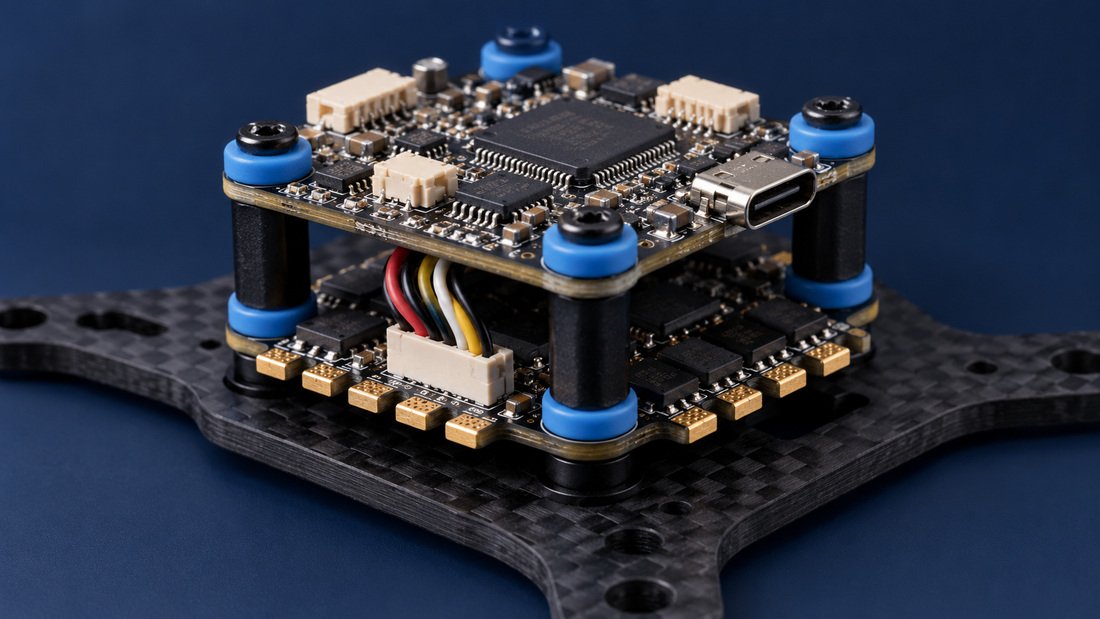
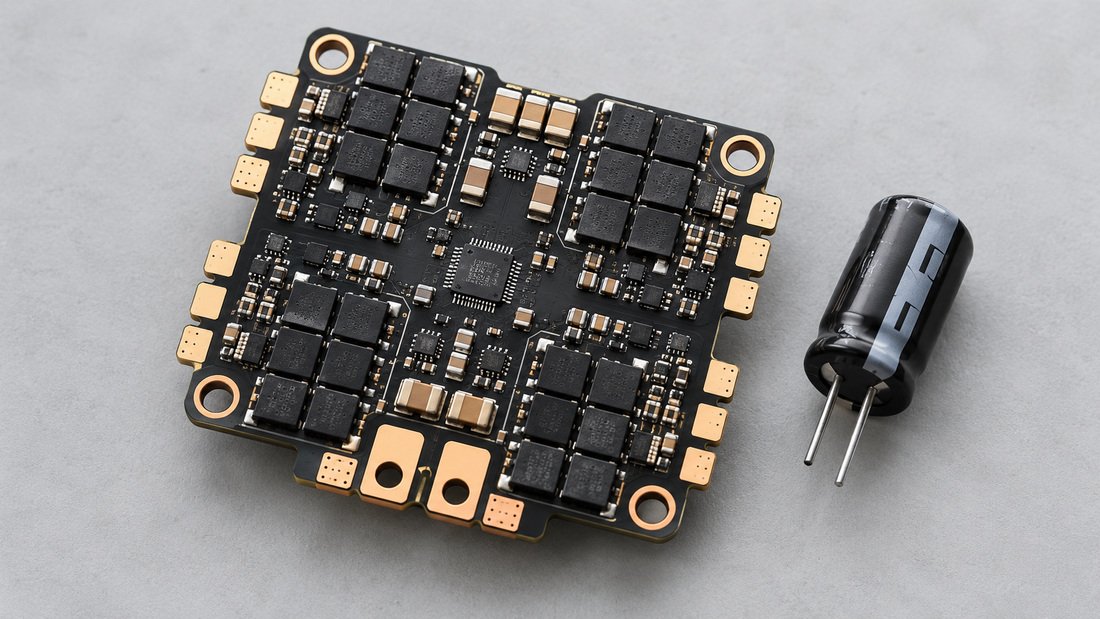
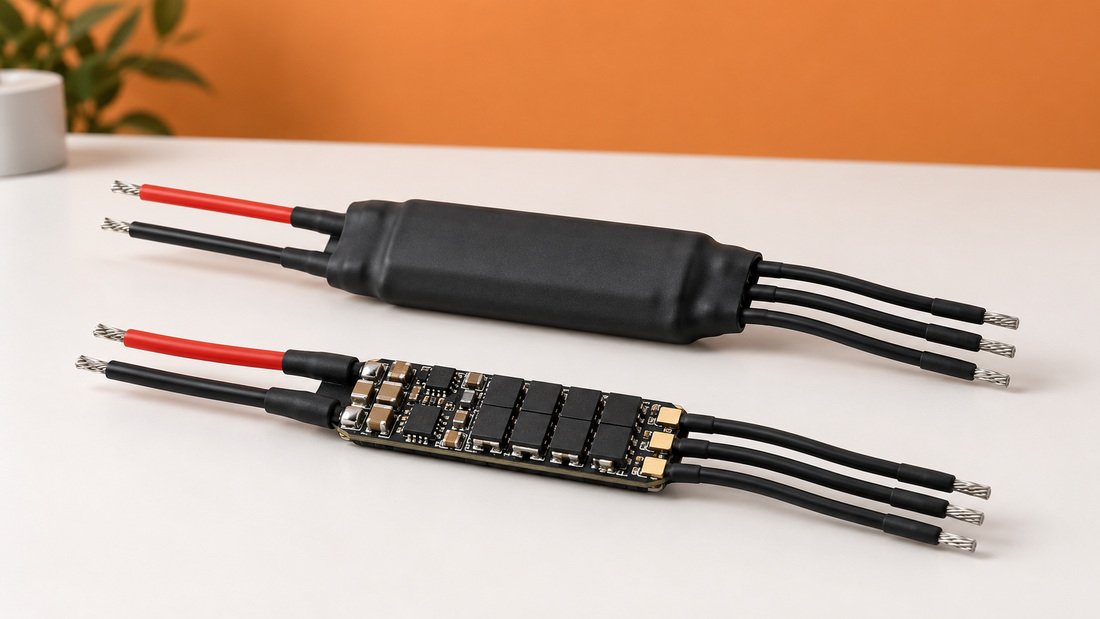
- Compatibility: Ensure motors, ESCs (electronic speed controllers), and propellers are rated for the chosen voltage. Using a 4S battery with 2S-rated components can cause damage.
- Spare parts: Order extra batteries, propellers, motors, and ESCs. Downtime during events is costly.
- Charging infrastructure: 4S batteries require appropriate chargers and safety bags. Plan for charging stations.
- Safety gear: Eye protection and netting may be required. Check local regulations.
- Training materials: Consider if your purchase includes or requires curriculum support. See our STEM drone education and training resources.
- Supplier support: Ask about technical support, warranty, and replacement part availability. For custom needs, discuss OEM/ODM options.
Common Mistakes to Avoid
- Mixing voltages: Never use a 4S battery on a drone designed for 2S without verifying component compatibility.
- Ignoring league rules: Purchasing non-compliant equipment can disqualify your team.
- Underestimating spare parts: Running out of propellers or batteries mid-tournament is a common pitfall.
- Neglecting safety: Higher voltage demands respect. Always follow safety protocols.
- Forgetting about storage: LiPo batteries require proper storage voltage and conditions.
Frequently Asked Questions (FAQs)
1. Can I use a 4S battery in a 2S drone?
Only if all components (motors, ESCs, flight controller) are rated for 4S. Otherwise, you risk overheating and permanent damage. Always check specifications.
2. Which is better for beginners: 2S or 4S?
2S is generally better for beginners due to lower speed and more forgiving control, allowing focus on coordination and strategy.
3. Does a 4S ball fly longer than a 2S ball?
Not necessarily. While 4S can provide more power, it often draws more current, leading to similar or shorter flight times. Battery capacity (mAh) also matters.
4. Are 2S and 4S balls the same size?
The outer protective cage may be similar, but internal components differ. Always check dimensions and weight if regulated.
5. What is the typical weight difference?
It varies by design, but a 4S battery is heavier. The overall ball weight difference can be significant, affecting performance.
6. Can I upgrade a 2S ball to 4S later?
It depends on the drone’s components. Some frames and electronics support both; others do not. Consult the manufacturer or supplier.
7. Where can I find league rules for battery class?
Check with your national drone soccer organization or local league. Rules may vary by region and age group.
Conclusion
Understanding the difference between 2S and 4S drone soccer balls is essential for equipping your team correctly. 2S offers a gentler introduction, while 4S provides higher performance for advanced play. Consider your players’ needs, league requirements, and budget. For personalized advice and to explore our range of drone soccer equipment, including balls, motors, and ESCs, Request a Team Kit Quote today. Our team can help you select the right configuration for your program.