Quick summary
For a supplier, handling a safety incident means four things: containing the affected batch, investigating against the design and test record, reporting findings and corrective actions in writing, and resolving the claim through repair, replacement, credit or refund. Product safety testing is the evidence base for all four steps. A supplier without test records, batch traceability or a named reporting contact cannot help you investigate quickly. Schools and youth programs should therefore evaluate incident handling before purchase, not after a crash.
Key Takeaways
- Incident handling starts with containment. Ask how the supplier identifies which units came from the same production batch.
- Product safety testing (verification that components and assemblies perform safely under defined conditions) is what turns an incident report into a useful investigation.
- Traceability is the difference between recalling one batch and freezing an entire program.
- Warranty coverage and safety response are related but not identical. A written warranty is a promise to correct problems when a product fails; it is not the same as an incident investigation protocol.
- Get the reporting channel, response expectation and document set in writing before your first order ships.
What counts as a “safety incident” in a school drone program?
In practice, incidents fall into three groups. The first is component failure that creates a hazard: a motor that overheats, a battery that swells, a propeller that sheds a blade, a power connector that arcs. The second is near-miss behavior: intermittent radio link loss, unexpected failsafe activation, or vibration that changes flight characteristics. The third is user-side damage where the cause is unclear, such as a hard landing after contact with a goal frame.
Separating these matters because the response differs. A confirmed component defect may trigger a batch investigation and a corrective action. A near-miss usually triggers inspection and, if a pattern appears, a design or process review. A user-side impact is normally an after-sales repair question, not a safety investigation.
Schools should log all three in the same incident register. Patterns only become visible when near-misses are recorded alongside failures.
The supplier-side incident workflow, step by step
Step 1: Intake and triage
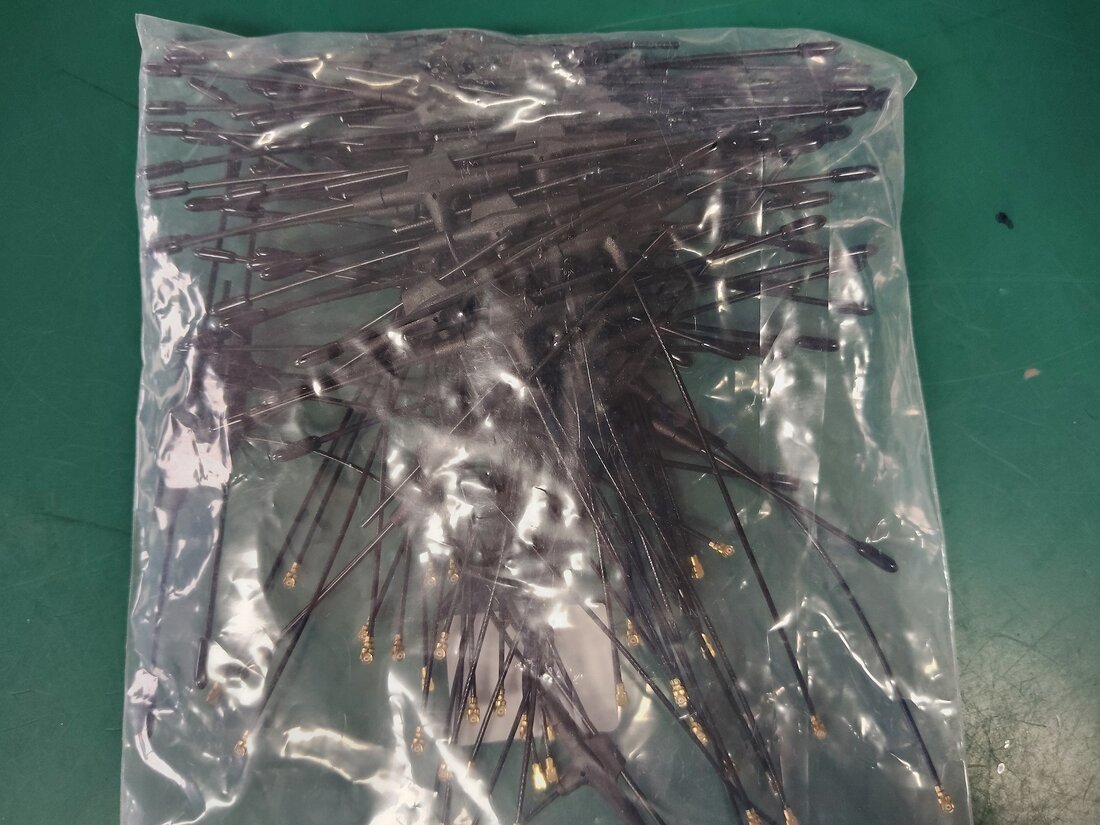
A structured intake collects the order number, part or kit identifier, batch or date code if printed, flight-hours estimate, description of the event, photos or video, and the battery and firmware state at the time. Triage then sorts the report as a potential safety issue, a quality defect or a support question.
For your side, the practical requirement is simple: keep the packaging label or a photo of it. Without a batch or date code, a supplier has to treat a wider population as suspect.
Step 2: Containment
Containment means limiting exposure while the investigation is open. Typical actions include pausing shipment of the same batch, asking the customer to quarantine affected units, and issuing a field instruction such as inspect-before-next-flight. Containment is a precaution, not a finding of fault.
Ask suppliers in advance what containment looks like for a school customer: who is notified, how quickly, and whether replacement units ship before the investigation closes.
Step 3: Investigation against the test record
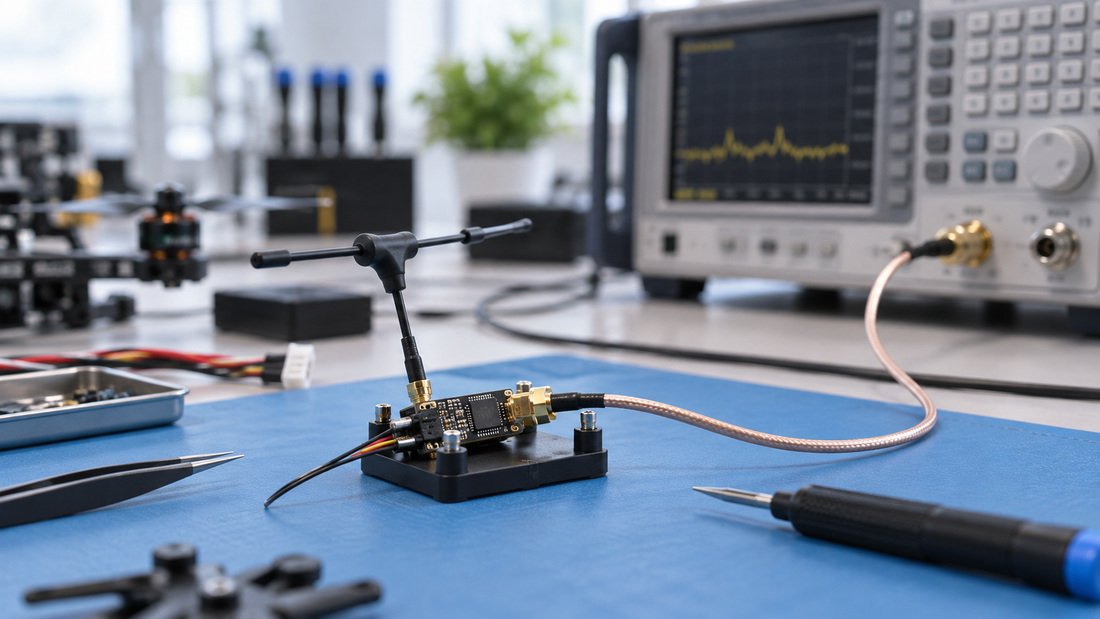
This is where product safety testing pays off. If the supplier has documented testing for the affected part — for example bench testing of the radio link, load testing of a frame or ball assembly, or electrical checks of a power path — the investigator can compare the failed unit against the known-good baseline instead of starting from zero.
DPF publishes its testing and inspection process, which you can review as part of supplier due diligence: testing and inspection.
Step 4: Written findings and corrective action
A useful written response contains the observed failure mode, the suspected root cause with the evidence behind it, the affected batch scope, the corrective action taken on production, and any field action recommended for units already delivered. If the cause is not yet confirmed, the report should say so rather than guessing.
Ask whether the supplier issues a corrective action report as standard, or only on request. Confirm the answer in writing before ordering.
Step 5: Remedy and closure
Remedies usually take one of four forms: replacement of the failed part, repair, credit, or refund. Which applies depends on the warranty terms, the age of the unit and the investigation outcome. General warranty structures, including the difference between full and limited warranties, are described in the U.S. Federal Trade Commission’s businessperson’s guide to federal warranty law.
Important scope note: that FTC guidance addresses U.S. consumer product warranties. It does not automatically govern business-to-business sales, and it is not a worldwide framework. If you buy as an institution or reseller, or you operate outside the United States, ask the supplier which warranty terms apply to your contract and jurisdiction.
Why product safety testing is the backbone of incident response
Testing does three jobs during an incident. It establishes a baseline so a failed unit can be compared against expected performance. It narrows the suspect population by showing which characteristics are in-specification. And it produces the documentation a school needs when reporting an incident internally.
Testing categories commonly relevant to drone soccer hardware include:
- Electrical safety checks: insulation, connector integrity, over-current behavior, charge and discharge protection.
- Mechanical checks: frame and ball structural integrity, fastener retention, impact behavior.
- Radio frequency behavior: link range and stability under controlled conditions, failsafe verification.
- Environmental and aging checks: heat exposure, vibration endurance, connector cycle life.
- End-of-line functional checks on finished units before packing.
Which tests apply depends on the part. DPF’s broader process is described under quality control.
Comparison: supplier maturity levels in incident handling
The table below is a general evaluation framework, not a description of any specific company. Use it to score suppliers during evaluation.
| Capability | Basic level | Structured level | Advanced level |
|---|---|---|---|
| Incident intake | Email to sales contact | Named quality contact and form | Form plus ticket reference and owner |
| Batch traceability | Order-level only | Date or batch code on unit or label | Component-level records tied to production lot |
| Test documentation | Available on request | Standard test reports per product line | Reports linked to specific production batches |
| Written findings | Informal explanation | Written summary on request | Corrective action report as standard |
| Field action | Case-by-case | Defined containment process | Documented field action with tracking |
| Remedy options | Replacement only | Replacement, repair or credit | Options plus agreed response timeline |
Most school programs do not need the advanced column for every part. They do need to know which column a supplier actually operates in, because that determines how a real incident unfolds at 6 p.m. before a competition.
What schools and youth programs should require before ordering
This checklist is deliberately short. Every item is something you can ask for in a single email before a purchase order is issued.
- Named contact for safety issues. A role, not just a salesperson’s name, plus a monitored address.
- Stated response expectation. How soon an acknowledgement and an initial assessment are expected. Get it in writing.
- Batch identification method. Where the batch or date code appears on the product or packaging.
- Test documentation availability. Which reports exist, in what format, and under what confidentiality terms.
- Corrective action process. Whether written findings are standard or on request.
- Warranty terms in writing. Duration, coverage, exclusions and the remedy sequence for your contract type.
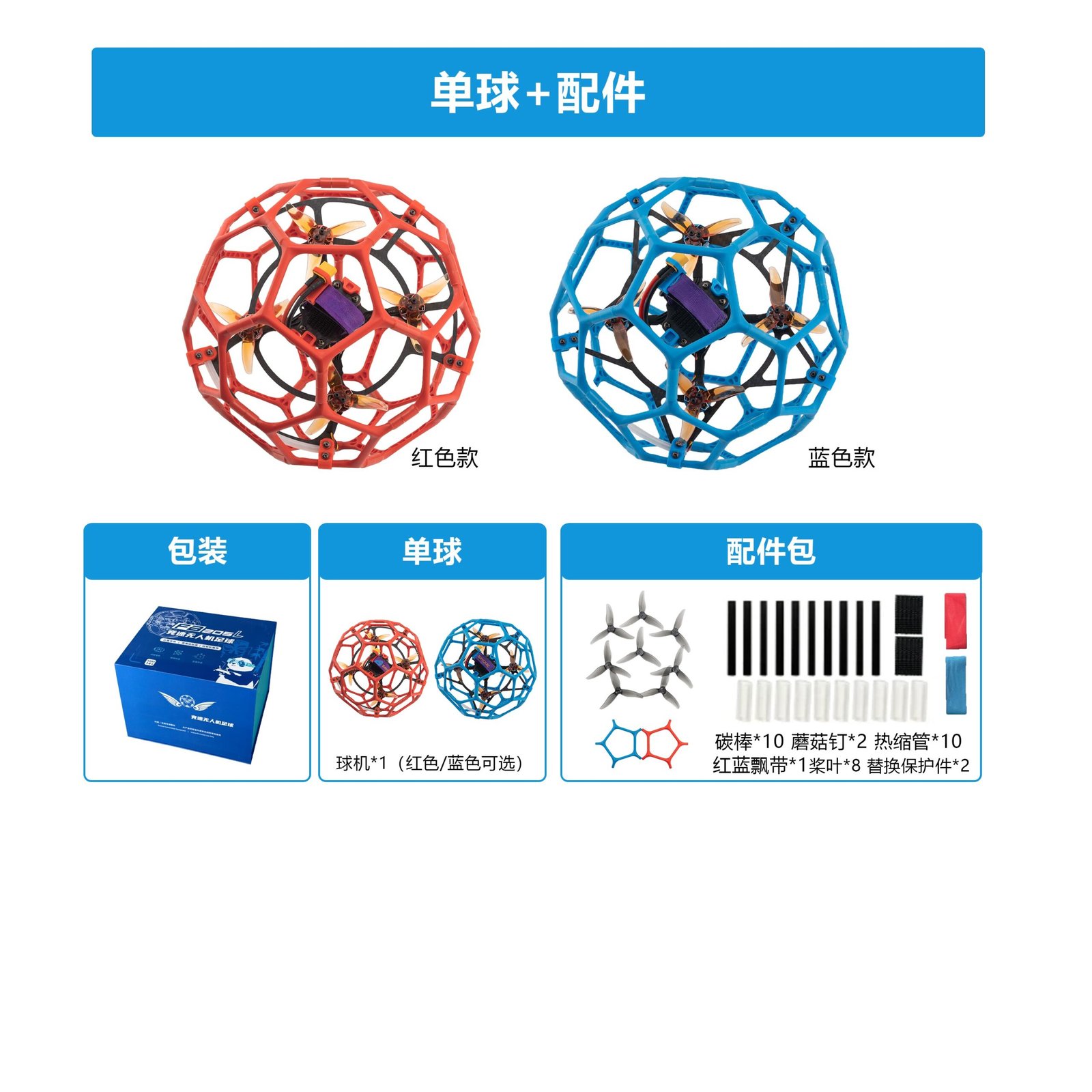
- Spare parts availability. Whether replacement arms, motors, propellers and balls can be ordered separately.
- Escalation path. Who to contact if the first response is not adequate.
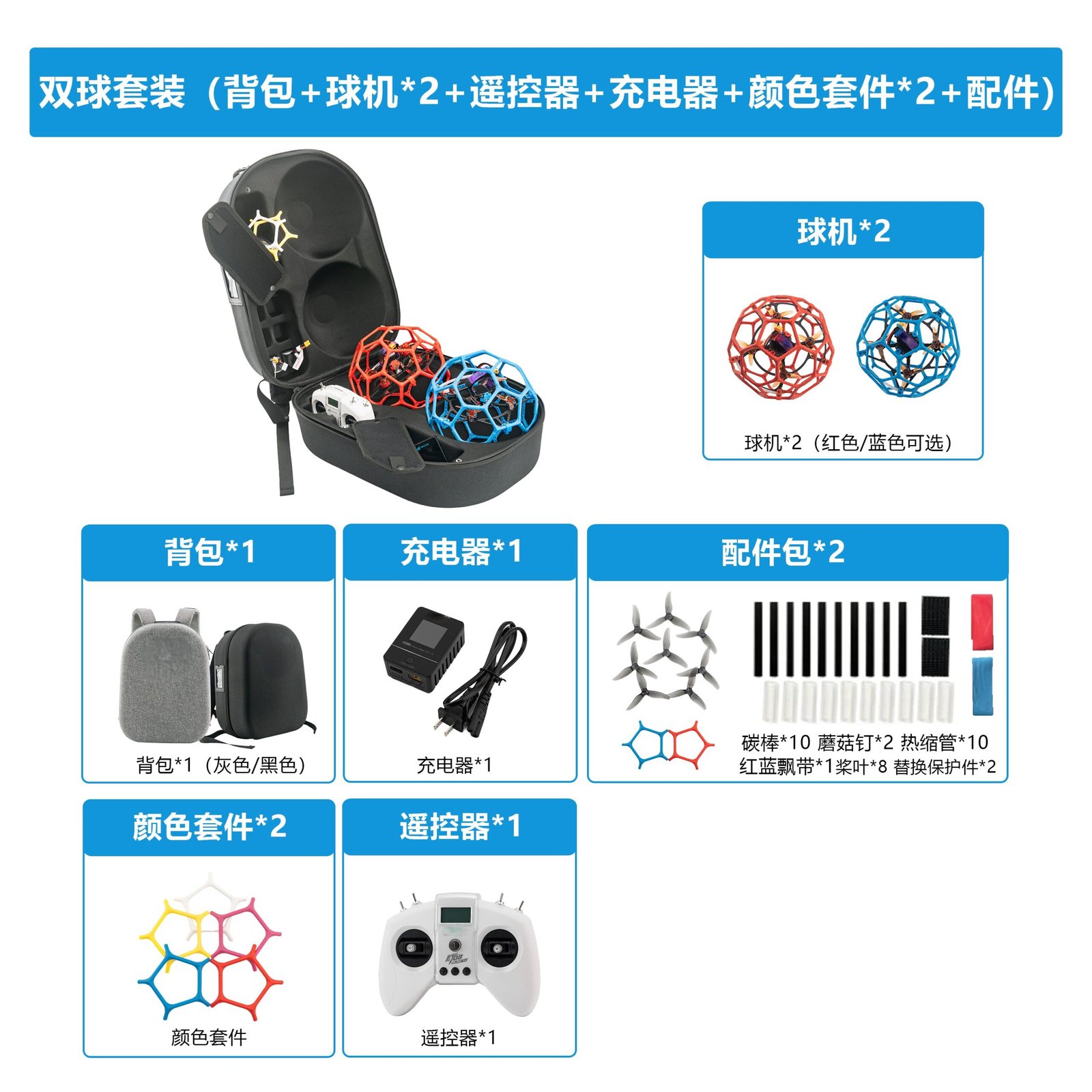
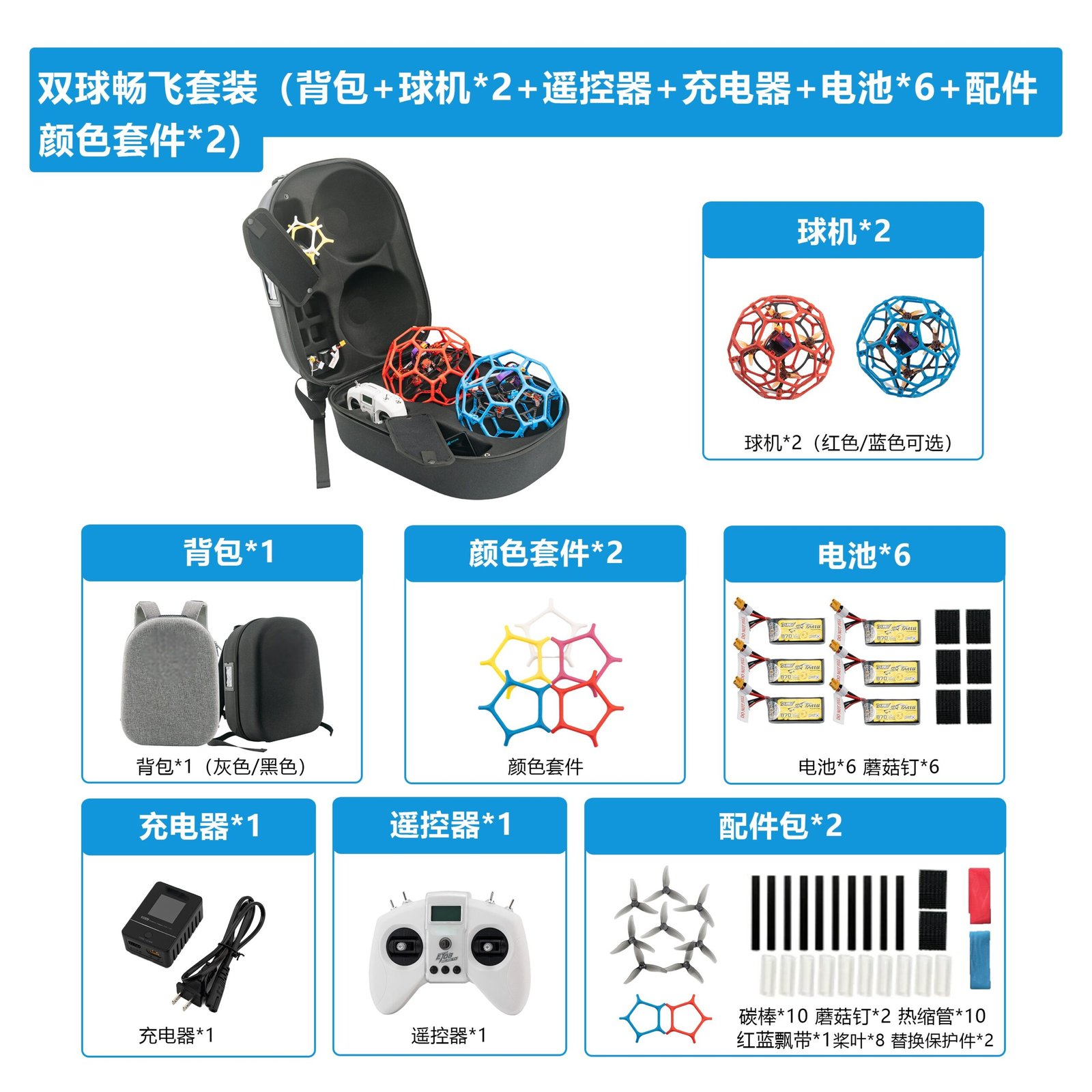
For programs running drone soccer (BKZ) equipment, spare-part availability is especially important, because a single failed ball or arm should not sideline a team for a season.
Where DPF fits, and what to confirm in writing
DPF’s stated service scope includes OEM/ODM support across quality control, testing and inspection, safety and compliance support, and a warranty and after-sales program. These pages describe how the company organizes those functions.
Specific commercial terms — warranty duration, response times, MOQs, lead times and whether corrective action reports are issued as standard — are order- and project-specific. DPF does not publish universal figures, and this article does not invent any. Request the terms that apply to your program and confirm them in writing before placing an order.
Common mistakes schools make after an incident
- Discarding the packaging. The label often carries the only batch identifier you have.
- Repairing before reporting. Opening or repairing a unit can destroy evidence and may affect warranty eligibility.
- Reporting verbally only. Without a written record, there is no agreed scope and no closure.
- Treating one failure as a fleet-wide problem, or ignoring a repeated near-miss. Both extremes waste resources. Log everything; act on patterns.
- Assuming consumer warranty law applies. Institutional and reseller purchases may sit under different terms. Ask which framework governs your contract.
- Waiting until a competition week. Incident handling is a pre-purchase question.
FAQ
What should I do immediately after a component failure?
Stop using the unit, quarantine it, photograph the part and the packaging label, and report to the supplier’s quality contact with the order number. Do not attempt repairs before the supplier has seen the evidence, unless the supplier instructs you to.
Does product safety testing guarantee a part will never fail?
No. Testing verifies performance under defined conditions and produces a comparison baseline. It cannot eliminate every failure mode, and it does not cover misuse, impact damage or ordinary wear.
Is a near-miss worth reporting?
Yes. Repeated near-misses are often the earliest signal of a batch or design issue, and they are cheap to log. A pattern of intermittent link loss, for example, may point to a specific cause that a single report would not reveal.
How long should a supplier take to respond?
Expectations vary by supplier and by the severity of the report. Ask for the acknowledgement and initial-assessment timeframes in writing, and confirm whether they differ for suspected safety issues versus general support queries.
Will I get a written investigation report?
Not universally. Some suppliers provide written findings only on request. Ask before ordering whether a corrective action report is standard for your product line, and what it contains.
Does the supplier’s warranty cover an incident?
Coverage depends on the written warranty terms and the investigation outcome. General warranty concepts such as full and limited warranties and the implied warranty of merchantability are explained in the FTC’s warranty law guidance, which applies to U.S. consumer products. For institutional or export purchases, confirm which terms govern your agreement.
Should a school buy spare parts up front?
For competitive programs, maintaining a small stock of the highest-wear parts — propellers, arms, motors, connectors and balls — reduces downtime. Confirm part numbers, compatibility and reorder lead times with your supplier in advance.
Conclusion
Incident handling is a process, not a promise. The suppliers that respond well are the ones with traceable batches, documented product safety testing, a named quality contact and a written corrective action path. All of that is verifiable before you buy.
For schools, youth programs and drone soccer clubs, the practical next step is to request the incident-handling and warranty terms that apply to your specific program, review the test documentation available for the parts you plan to use, and confirm the response expectations in writing.