Quick summary
When comparing drone soccer suppliers for bulk procurement by schools and governments, evaluate total cost of ownership, documented safety features, and post-sale support separately and transparently. Price should include spare parts, shipping, duties, and training, not just unit cost. Safety must be verifiable through material and electrical documentation, not verbal assurances. Support means responsive communication, spare-part availability, and teacher or coach training resources. Ask every supplier for the same written data in the same format, then score responses side by side. This approach helps committees justify decisions, reduces hidden costs, and protects student safety.
Key Takeaways
- Compare suppliers on three separate scorecards: price, safety, and support. Do not let a low unit price hide replacement-part or training costs.
- Request written safety documentation (materials, battery handling, propeller guards, compliance) rather than accepting verbal claims.
- Clarify what is included in bulk pricing: drones, balls, spare parts, chargers, shipping, taxes, and training.
- Test support responsiveness before signing: ask how quickly they answer technical questions and whether they offer teacher training.
- For public procurement, align your comparison criteria with your institution’s purchasing rules and document every assumption.
Why price alone is a misleading comparison metric
A low unit price can hide costs that appear later. For schools and government buyers, the total cost of ownership includes spare parts, shipping, customs, storage, training, and replacement cycles. A supplier that sells a cheap drone but charges high prices for replacement motors or balls may cost more over three years.
Ask each supplier for a landed-cost breakdown: unit price, packaging, freight to your location, import duties (if applicable), and recommended spare-parts kit. If they cannot provide this in writing, treat the quote as incomplete.
How to build a fair price comparison for bulk orders
Create a spreadsheet with identical line items for every supplier. This makes differences visible and helps you avoid comparing a bare drone against a full kit. The table below shows the categories to request.
| Cost category | What to request in writing | Why it matters |
|---|---|---|
| Unit price | Price per drone, per ball, per spare set | Base for comparison |
| Spare parts | Price and availability of motors, propellers, guards, batteries | Ongoing program cost |
| Shipping & logistics | Incoterms, estimated freight, packaging method | Avoids surprise fees |
| Duties & taxes | Who pays, estimated amount, documentation | Budget accuracy |
| Training | Whether teacher/coach training is included or extra | Adoption success |
| Warranty | Duration, what is covered, claim process | Risk transfer |
If a supplier cannot confirm a cost item, note it as “to be confirmed” and request a written statement before you compare. For custom orders, ask about bulk production processes and whether minimum order quantities or lead times change with volume.
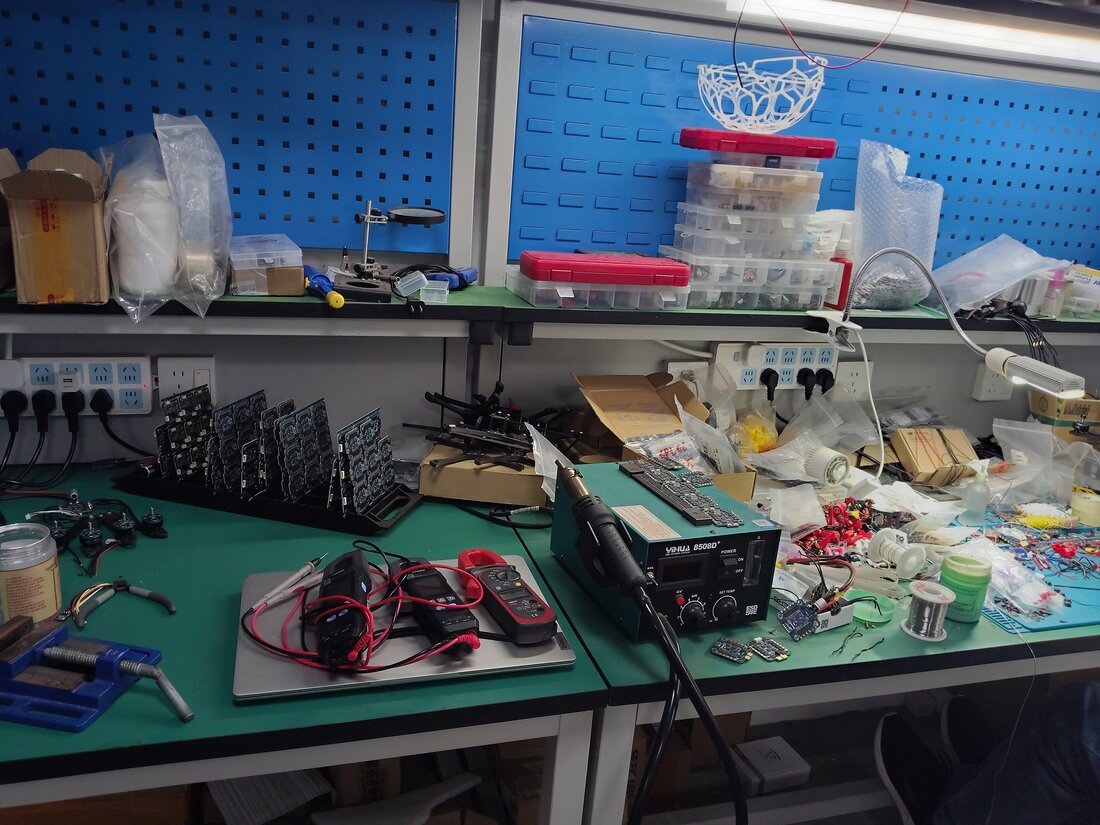
Safety: what to verify, not assume
Safety in drone soccer involves physical protection (propeller guards, ball design), electrical safety (battery handling, charging), and operational guidance (age-appropriate use, supervision). Because regulations vary by country and region, ask suppliers for documentation that you can review with your safety officer or legal team.
Request the following in writing, and where possible request samples to inspect:
- Material safety data sheets for batteries and plastics, if available.
- Propeller guard design and attachment method.
- Battery charging instructions and recommended charging environment.
- Any available test reports or compliance documents. Do not accept “CE” or “FCC” as a substitute for the actual document.
- Recommended age range and supervision requirements.
If a supplier cannot provide documentation, consider that a risk factor. You may still evaluate their product, but record that safety documentation is pending and plan for your own risk assessment.
Support: the difference between a vendor and a partner
Support quality often determines whether a school drone program runs smoothly after the first semester. Compare suppliers on response time, technical knowledge, training resources, and spare-part logistics.
Before committing to a bulk order, send a technical question (for example, about motor replacement or battery storage) and note how long the reply takes and whether the answer is specific. Also ask:
- Do you offer teacher training, either on-site or remote?
- Are replacement parts stocked, and what is the typical dispatch time?
- Is there a dedicated contact for education or government accounts?
- Can you provide a curriculum or lesson-plan starter if we need one?
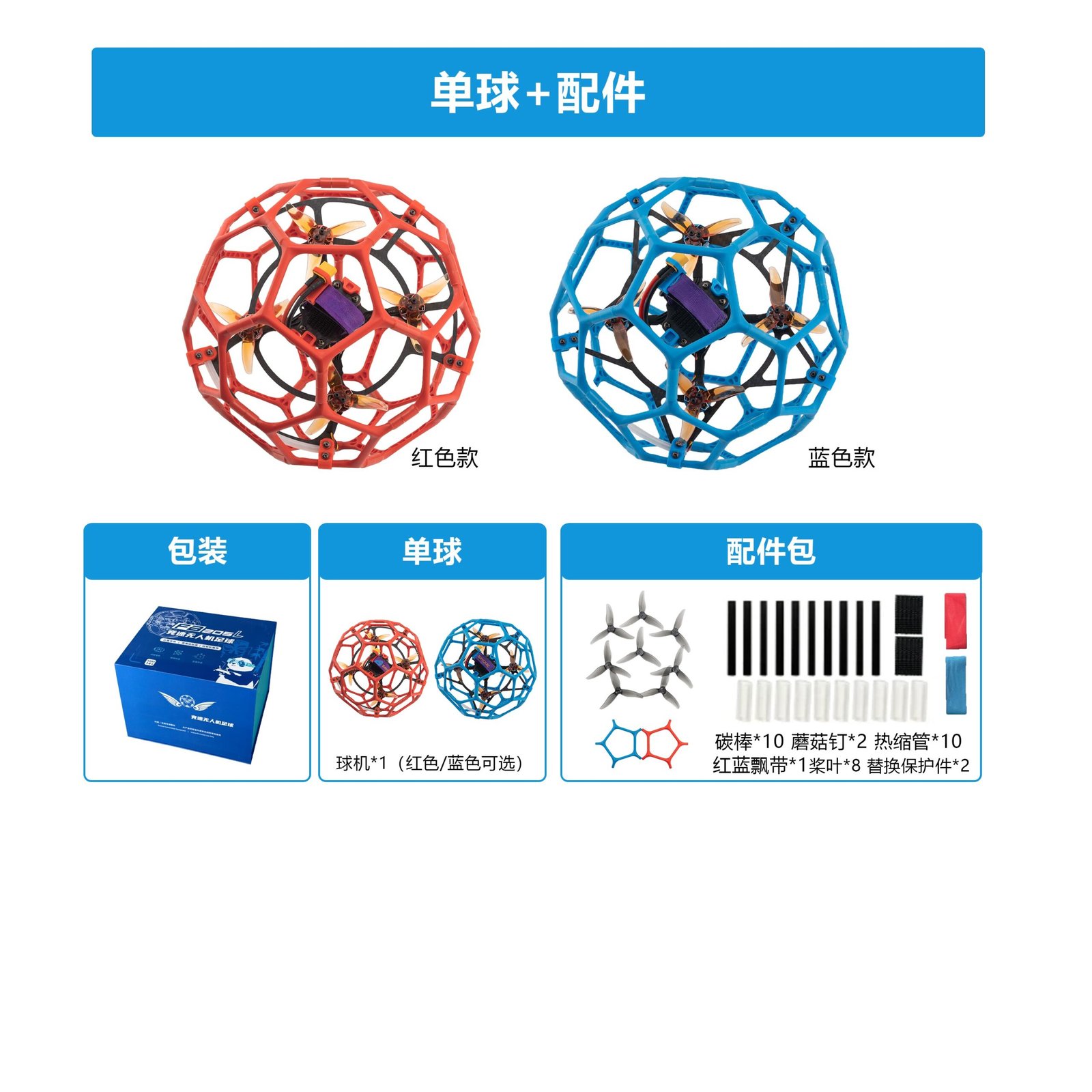
If you plan to customize drones with a school logo or team colors, discuss logo and packaging customization early, because it can affect lead time and minimum order quantities.
Common mistakes in school and government drone soccer procurement
Even experienced buyers can overlook details that later cause budget or safety problems. Here are mistakes we see frequently in bulk procurement by schools and governments, and how to avoid them.
- Comparing only unit price. Always build a landed-cost model that includes spares, shipping, and training.
- Accepting verbal safety claims. Ask for documents and keep them on file.
- Forgetting spare parts in the first order. Order a starter spare kit with the initial batch to avoid downtime.
- Assuming all suppliers offer the same support. Test responsiveness before you sign.
- Ignoring import and customs rules. Confirm who handles duties and what paperwork is required.
- Not asking about OEM/ODM options. If you need custom colors or logos, ask early. See our OEM/ODM service overview for what can be customized.
Buyer checklist before you request quotes
Use this checklist to prepare a request that gets comparable answers from every supplier.
- Define quantity: number of drones, balls, and spare kits.
- State your delivery location and required date.
- List required documentation: safety sheets, compliance documents, warranty terms.
- Ask for a sample or demonstration unit if available.
- Specify training needs: on-site, remote, or materials only.
- Confirm whether you need custom logos, colors, or packaging.
- Ask for a written quote with line items and validity period.
- Request references from similar schools or programs, if the supplier can share them.
- Review payment terms and method with your finance office.
- Plan a pilot session before full rollout, if possible.
When you are ready to move from comparison to ordering, review how to place an order so your purchase order includes the right details. If you need private-label parts for a district-wide program, ask about private label drone parts options and request samples before committing to a large batch.
Frequently asked questions
1. What should be included in a drone soccer quote for schools?
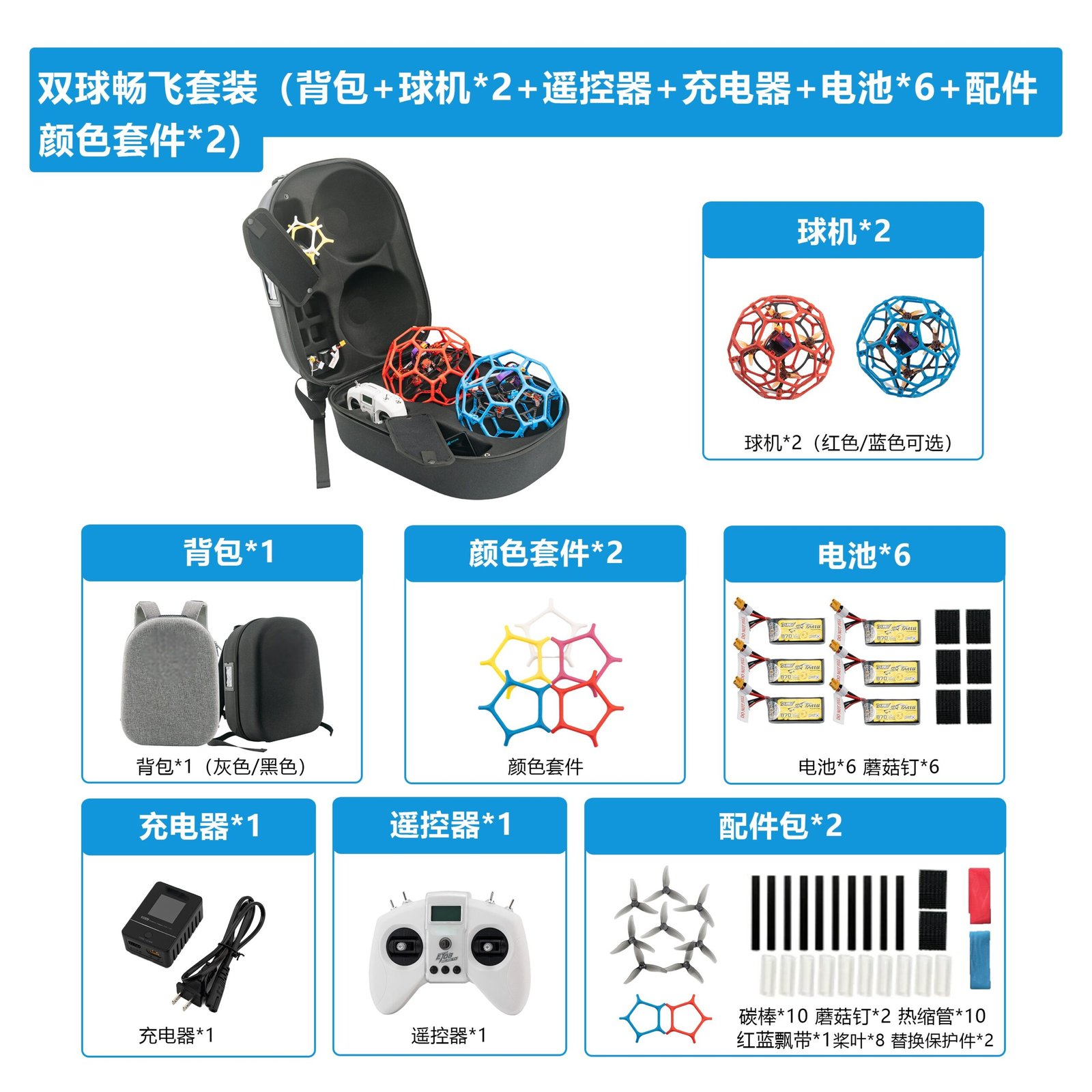
A complete quote should list unit price, spare parts (motors, propellers, guards, batteries), shipping terms, duties and taxes (if applicable), training options, and warranty terms. Ask for a line-item breakdown so you can compare suppliers fairly.
2. How do we compare safety features across suppliers?
Request written documentation: material safety data sheets, propeller guard specifications, battery handling instructions, and any test reports. Compare what is documented, not what is claimed verbally. If a supplier cannot provide documents, note that as a risk and consider whether your own risk assessment can cover it.
3. What support should a school expect after purchase?
Support typically includes technical help, spare-part availability, and training. Ask about response times, whether there is a dedicated education contact, and whether teacher training is included or available at extra cost. Confirm all support commitments in writing.
4. Can we customize drones with our school logo or colors?
Many suppliers offer customization, but minimum order quantities and lead times may apply. Ask early in the process and request samples or digital proofs before approving production. See logo and packaging customization for general options.
5. How do we handle import duties and customs for a bulk order?
Ask the supplier which Incoterms they use and who is responsible for duties and customs clearance. Confirm with your finance or procurement office what documentation you need. Rules vary by country, so verify locally.
6. Should we order spare parts with the initial bulk order?
Ordering a starter spare kit with the first batch can reduce downtime and shipping costs later. Ask the supplier to recommend a spare-parts package based on your quantity and expected usage.
7. How many suppliers should we compare?
Comparing at least three suppliers with the same checklist gives you a clearer view of market differences. More than five can become time-consuming; focus on the ones that respond completely to your written request.
Conclusion: a structured comparison saves time and budget
Comparing drone soccer suppliers on price, safety, and support requires a consistent, written process. Build a landed-cost model, request safety documentation, test support responsiveness, and use the buyer checklist before you commit to a bulk order. This protects your budget and helps ensure a safe, successful program for students.
Ready to compare a written quote from DPF? Request a School Program Quote and we will provide line-item pricing, available safety documentation, and support details for your review.