Quick summary
Schools request warranty service by first confirming the written warranty terms, then filing a claim through the seller’s support channel with a purchase reference, product identifiers, photos or video, and a fault description. The seller issues a Return Merchandise Authorization (RMA) number, which is a tracking ID for the approved return. Only ship after the RMA is issued, label the parcel with that number, and keep tracking records until the replacement or repair is confirmed in writing.
Key Takeaways
- Read the written warranty and RMA procedure before opening a ticket: coverage, exclusions, and time limits decide the outcome.
- One claim per RMA number, with clear identifiers (order number, batch code, part name) prevents delays and lost parcels.
- Standardize evidence collection inside your school: short video, close-up photos, and a written fault report for every claim.
- Agree in writing on defect handling, spare-parts supply and who pays freight before you place a school club order.
- Expect coverage for manufacturing defects, not for crash damage, wear, or incorrect wiring — most warranties draw that line.
What warranty, RMA and after-sales mean for a school buyer
Warranty is the seller’s written promise about product condition and remedies; an RMA is the authorization and tracking reference for a return; after-sales is everything after delivery including replacements, spare parts and technical help. Schools and youth programs usually buy through a school purchase order, a club treasurer or a grant-funded coordinator, so the person handling a claim may differ from the person who ordered.
That handover is where claims break down. The fastest fix is to record the order trail before anything fails: purchase order number, vendor name, invoice date, part list, batch or serial markings, and a named staff member responsible for returns.
The school warranty request workflow, step by step
Most suppliers accept a claim in five stages: confirm coverage, gather evidence, submit the request, ship under an RMA number, and close the loop with a written resolution. The exact portal, mailbox and shipping address are supplier-specific, so ask for them at purchase time rather than improvising later.
Step 1: Confirm the warranty terms and the claim window
Find the document that came with the order, not the marketing page. Written warranties exist because of the US federal Magnuson-Moss Warranty Act, which governs written warranties on consumer products and requires sellers to state basic information such as who is covered and what is covered or excluded; the FTC’s business guidance explains that framework at https://www.ftc.gov/business-guidance/resources/businesspersons-guide-federal-warranty-law. Note the scope: this is US consumer warranty law and does not automatically apply to business-to-business purchases or to buyers in other countries.
Whether you are covered turns on your contract and the seller’s written terms. Ask three questions in writing: what is covered, for how long, and what the claim window is. If the answer is verbal, ask for it by email.
Step 2: Gather claim evidence before you email anybody
Collect the evidence once, in one folder, so you do not repeat the exercise per email. A fault report that a supplier can act on usually contains:
- Purchase reference: invoice or order number and purchase date.
- Product identifier: part name, model as printed on the item, batch or serial marking if present.
- Quantity affected versus quantity received.
- Symptom in plain language: no power, intermittent signal loss, broken connector, missing accessory.
- When it started: out of the box (dead on arrival), after first flight, or after a specific number of sessions.
- Media: two or three clear photos, plus a short video if the fault is intermittent.
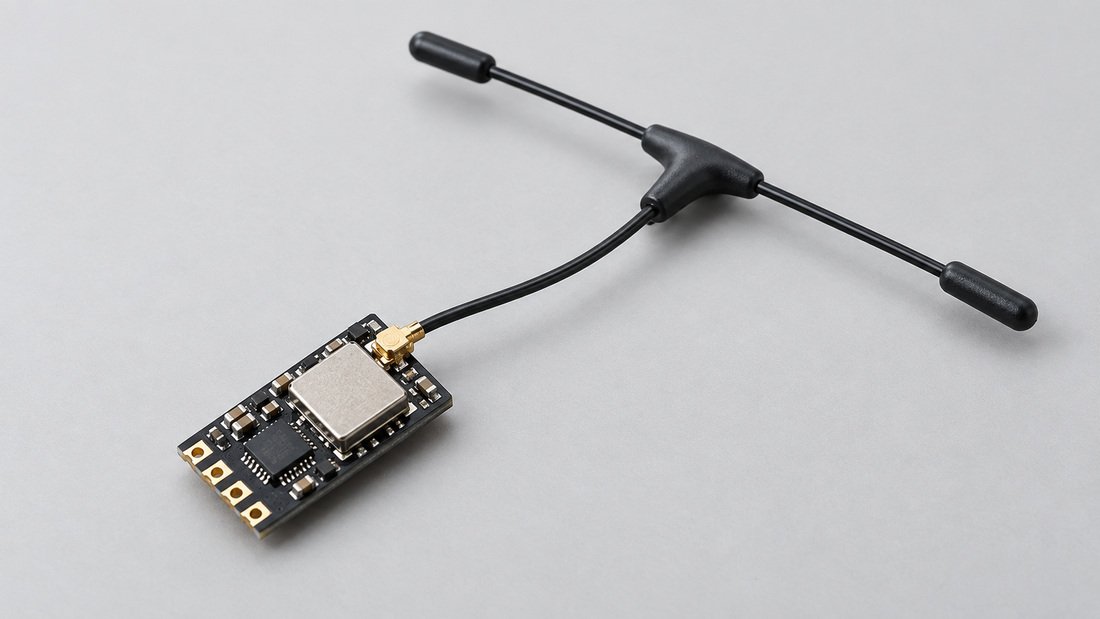
- Usage context: airframe, radio link equipment, battery type, and whether the part was wired or configured as instructed.
- What you already tried: re-binding, re-flashing, swapping antennas, testing a known-good unit.
For drone soccer programs, that context often means naming the airframe class, the radio link gear, and whether impact damage occurred. Honest context speeds up a decision; hiding a crash usually surfaces in the inspection and can void the claim.
Step 3: Submit the request through the seller’s official channel
Use the warranty claim channel the seller designates. If you do not know it, ask before shipping anything: unannounced parcels are commonly refused or returned at your cost. A purchase-order (PO) reference is the school equivalent of an order number and should be quoted in the subject line.
Keep the first email short: one product, one fault, one reference. Long emails mixing six unrelated faults usually get re-triaged and delay every item.
Step 4: Receive the RMA number and ship correctly
An RMA number is issued by the seller to authorize a return and track it through inspection. Put the number on the outside of the parcel, inside the box, and in the shipping reference field. Include a printed fault report, and only return items the seller has approved in the RMA — extra items without an RMA may be returned to you unprocessed.
Step 5: Track the resolution and document the outcome
Ask what happens next and by when: repair, replacement, credit, or return of the inspected item. Confirm the resolution in writing and store it with the asset record so future budgeting reflects what actually fails.
Warranty coverage, RMA handling and support: trade-offs to expect
There is no universally best setup. Below is a decision table for school buyers weighing convenience against control.
| Approach | Strength for a school | Trade-off to accept | What to confirm in writing |
|---|---|---|---|
| Buy locally through a regional distributor | Faster returns, local language support, simpler freight | Parts price may be higher; catalogue may be narrower | Who handles the claim, and whether it is the distributor or the factory |
| Buy directly from an overseas factory | Wider range, potential cost savings on club-scale orders | Cross-border shipping and customs add time to every RMA | Return address, freight payer, customs documentation responsibility |
| Stock spare parts instead of claiming | Sessions continue while a claim is processed | Upfront budget; spare inventory must be tracked | Spare-parts list, price validity period, minimum quantities |
| Centralize claims at district or program level | One contact, consistent evidence, better data | Slower per-site response; needs a shared log | Escalation path and named account contact |
Where school warranty claims usually fail
Most rejected or delayed claims trace back to process, not product. Common mistakes include shipping before an RMA number exists, mixing several faults into one claim, discarding the batch label, quoting a verbal promise that was never written down, using the part in a way the manual warns against, and letting a claim sit past the seller’s stated submission window.
Several known exclusions recur across consumer warranty frameworks. The FTC’s guidance notes that implied warranties do not cover problems caused by abuse, misuse, ordinary wear, failure to follow directions, or improper maintenance, and that implied warranties are promises about condition at the time of sale rather than a guarantee of a specific service life (https://www.ftc.gov/business-guidance/resources/businesspersons-guide-federal-warranty-law). Written warranties often contain similar exclusions. Again, this is US consumer warranty context; check your own contract and local law.
A note on repairs by school staff
Well-meaning repairs can complicate a claim. Soldering a damaged connector, swapping a receiver housing, or re-flashing firmware are common in school clubs, but some written warranties require the seller to inspect the item unmodified. Ask the seller in advance whether field repairs void coverage for that part, and record the answer.
Buyer checklist: set up warranty and RMA handling before you need it
- Obtain the written warranty document and the RMA procedure at quotation stage, not after a failure.
- Confirm in writing: coverage period, what is excluded, claim submission window, return address, freight responsibility, and inspection turnaround expectations.
- Ask who the named after-sales contact is, and whether schools are handled differently from consumers.
- Agree on a spare-parts list with indicative pricing so a claim does not stop a session.
- Set an internal rule: photograph and label every unit before installation.
- Keep a claim log with dates, RMA numbers, and outcomes for grant reporting.
- Confirm the process for cross-border returns, including customs paperwork and duties.
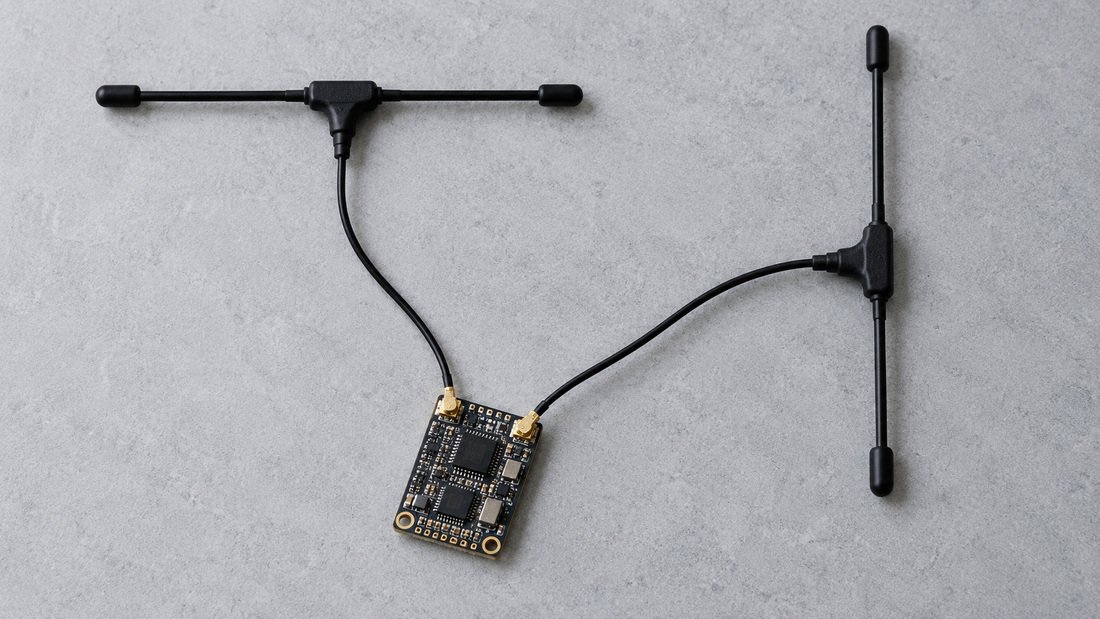
For programs sourcing drone soccer airframes, radio link components or training spares, it helps to review how the supplier approaches quality control and testing and inspection, because incoming-part consistency is what reduces claim volume in the first place. If your program operates across multiple schools, warranty and after-sales program terms matter as much as unit price. Programs with strict reporting duties should also review safety and compliance support when documenting equipment decisions.
If you are planning a club-scale order and want the claim path clarified before purchase, talk to the team about your program requirements and ask for the written after-sales terms in the quotation.
Frequently asked questions
1. Do we need an RMA number before shipping a faulty part back?
In most supplier processes, yes. The RMA number tells the receiving warehouse which claim the parcel belongs to. Shipping without one risks refusal, loss, or return at your expense. Ask the seller to confirm the rule in writing for your account.
2. Who pays return freight on a school warranty claim?
It depends on the contract. Some sellers cover freight on confirmed manufacturing defects and ask the buyer to pay for no-fault returns or inspection-fee returns. This is exactly the term to confirm in writing before ordering, especially for cross-border shipments.
3. What counts as a manufacturing defect versus crash damage?
A defect is a failure traceable to materials or workmanship, such as an out-of-box dead unit, a bad solder joint, or a connector that fails without impact. Crash damage, bent frames, cracked housings from impact, and reversed polarity are normally outside coverage. Document both the failure and the usage context so the seller can assess it.
4. Does Magnuson-Moss protect our school purchase?
The Magnuson-Moss Warranty Act is US federal law governing written warranties on consumer products (https://www.ftc.gov/business-guidance/resources/businesspersons-guide-federal-warranty-law). It is not automatically the framework for business-to-business purchases or for jurisdictions outside the United States. Schools should rely on the written warranty and purchase contract, and take local legal advice where needed.
5. How long should we keep packaging and labels?
At least until the warranty period ends, and ideally until the part is retired. Batch or serial labels link a unit to a production run, which helps a supplier trace a defect pattern. Photograph the label on arrival so you keep the information even if packaging is discarded.
6. Can we batch several faulty units into one claim?
Many suppliers prefer one RMA per unit or per part number so inspection results stay traceable. Others allow a consolidated return with a summary sheet. Ask which format your seller accepts, and never mix unapproved items into a parcel.
7. What should we do if a claim is rejected?
Request the inspection finding in writing, ask whether a paid repair or discounted replacement is available, and check whether the rejection matches the exclusions in the written warranty. Keep this documentation — repeat failures across a fleet are useful evidence when renegotiating next season’s supply terms.
Conclusion
Schools get warranty service fastest when the paperwork exists before the failure: a written warranty, a known claim channel, an evidence template, and a named person who owns returns. Confirm coverage, claim window, freight responsibility, and return address in writing at purchase. Then run every claim through the same five steps — confirm, gather, submit, ship with an RMA number, and document the outcome.
If your school, club or education program is sourcing drone soccer airframes, radio link parts or training spares and wants the warranty and RMA process defined in the quotation, Request a School Program Quote.