Quick summary
Choose a drone soccer ball battery by matching the voltage and connector to your existing BKZ airframe, then pick a capacity that keeps the flight short and light. Prioritize a hard-shell or well-protected pack, buy enough spares for safe rotation, and enforce a charging routine that includes a fire-resistant bag, balance charging, and storage at nominal voltage. The battery is not just a power source; it is the safety item your school program must manage every session. Verify the exact voltage, connector, and capacity in writing with your supplier before ordering class sets.
Key Takeaways
- Match voltage and connector first; capacity and C-rating are secondary for a fixed airframe.
- Treat every LiPo as capable of thermal runaway, which can start from damage, overheating, overcharging, or a manufacturing defect, and can occur without warning (FAA, lithium battery guidance).
- Build a charging plan for your class or club, not just for one pilot.
- Protect battery terminals from short circuit and never carry damaged or swollen packs with the team.
- Confirm landing, storage, disposal, and warranty policies in writing before purchase.
What does a drone soccer ball battery actually power?
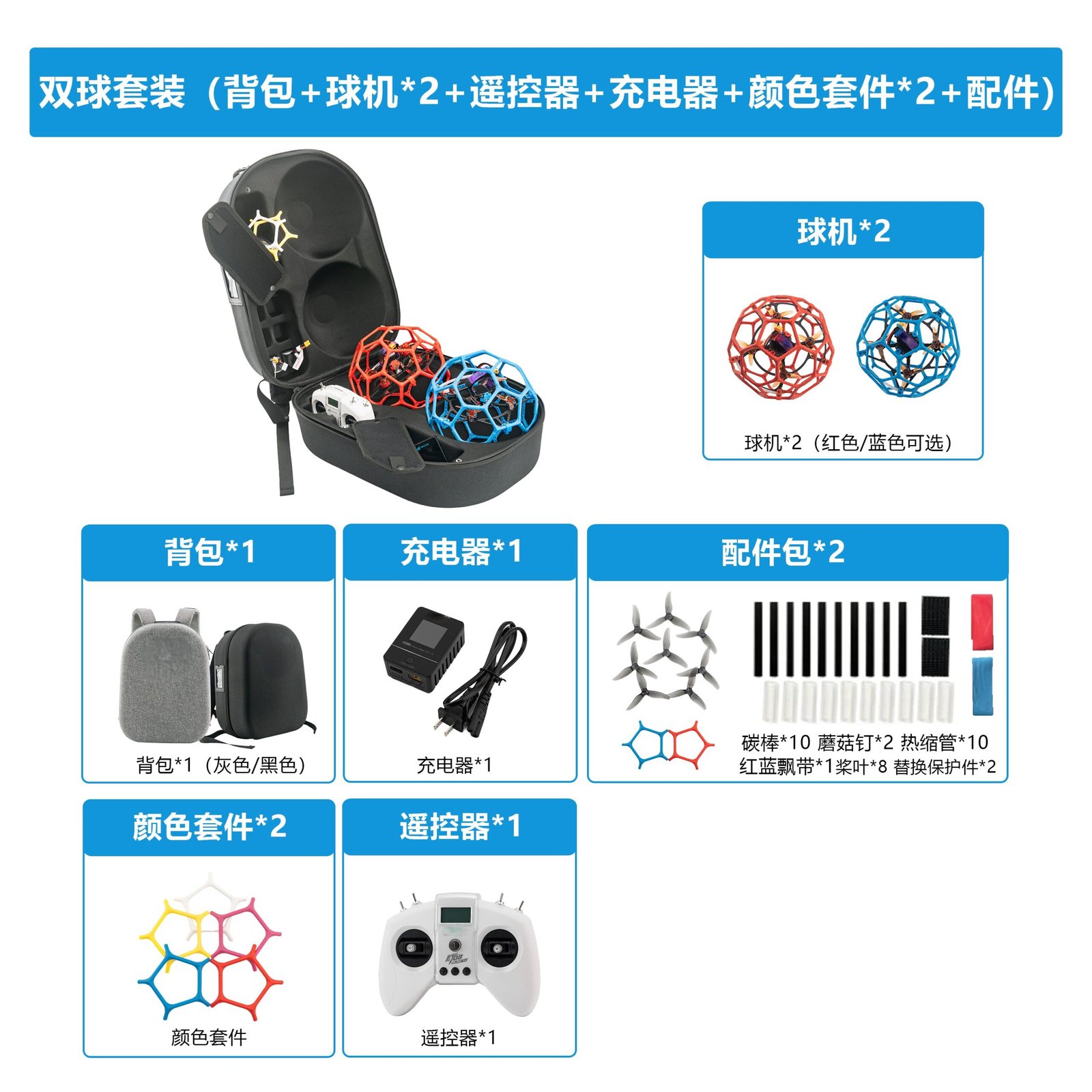
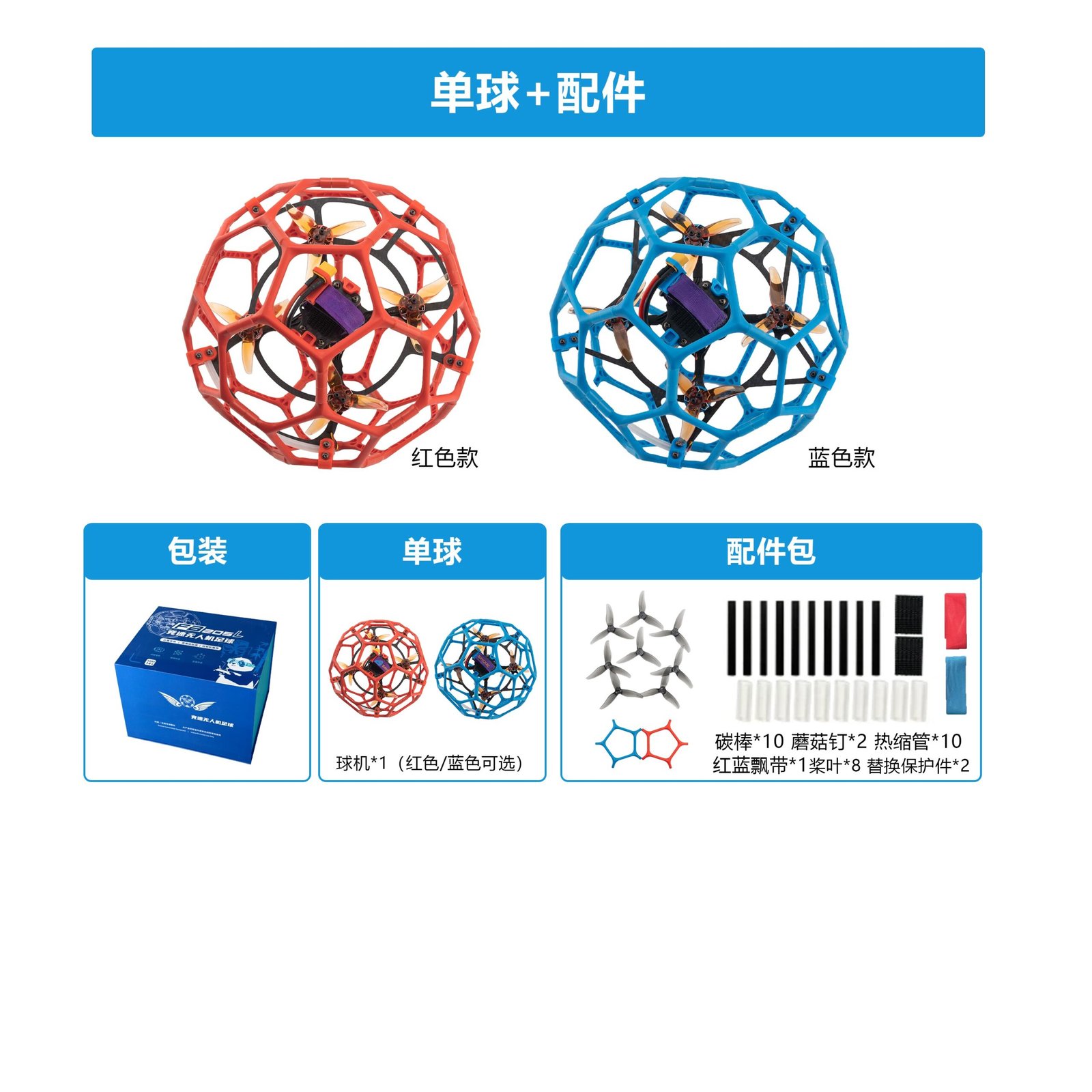
A drone soccer ball is a small, enclosed quadcopter surrounded by a protective cage. Inside, the battery powers the flight controller, the electronic speed controllers (ESCs), the four motors, and the receiver. The ball’s cage and bumper absorb impacts, so the battery is one of the few components fully shielded from a direct hit. That protection matters because a punctured or crushed LiPo is a known risk factor for overheating and thermal runaway.
Because the ball has a fixed frame and fixed motors, the battery choice is mostly a matching problem, not an open-ended performance search. The pack must fit the bay, connect to the power distribution board, and deliver enough current for the motors without adding unnecessary weight. Schools and clubs usually buy batteries in class sets, so the choice also has to support simple inventory and charging rotation across several teams.
How do I choose a drone soccer ball battery?
Work through five matching questions before comparing brands or prices: voltage and cell count, connector type, capacity, discharge rating, and physical fit. For a school or youth program, add a sixth question: can we manage this battery safely across a full session with students of varying experience?
1. Voltage and cell count
Match the nominal voltage and cell count that the airframe and electronics expect. A higher cell count than the electronics support can damage the ESCs and flight controller. A lower voltage may not spin the motors as designed. The supplier should confirm the exact cell count and nominal voltage for the BKZ airframe you are using. For multi-class orders, request a single specification sheet that covers the whole ball kit.
2. Connector and polarity
Connector mismatch is the most common ordering mistake. Ask which connector the drone soccer ball uses, whether the connector is keyed, and how polarity is marked. If your program already owns batteries and chargers, stay with the same connector family so packs remain interchangeable. If you are starting fresh, pick one connector standard and document it in your kit inventory.
3. Capacity and weight
Capacity affects flight time and weight. A larger pack may extend flight time but can shift the ball’s balance and reduce agility. For drone soccer, consistent handling during a match usually matters more than maximum flight time. Ask for the recommended capacity range for the specific airframe rather than guessing from a similar-sized drone.
4. Discharge rating
The discharge rating, often written as a C-rating, describes how much current the pack can deliver relative to its capacity. The motors, propeller size, and ESC rating set the real current demand. If you need to verify whether a pack supports a given propulsion setup, use the compatibility guidance in motor, propeller and battery matching.
5. Physical fit and protection
Measure the battery bay and confirm the pack dimensions, including wires and connector. A hard case or reinforced pouch reduces the chance of impact damage. For youth programs, prefer packs with clear polarity markings and protected balance leads. Poorly protected leads bend, short, or break, and a damaged pack should be removed from service.
6. Program management
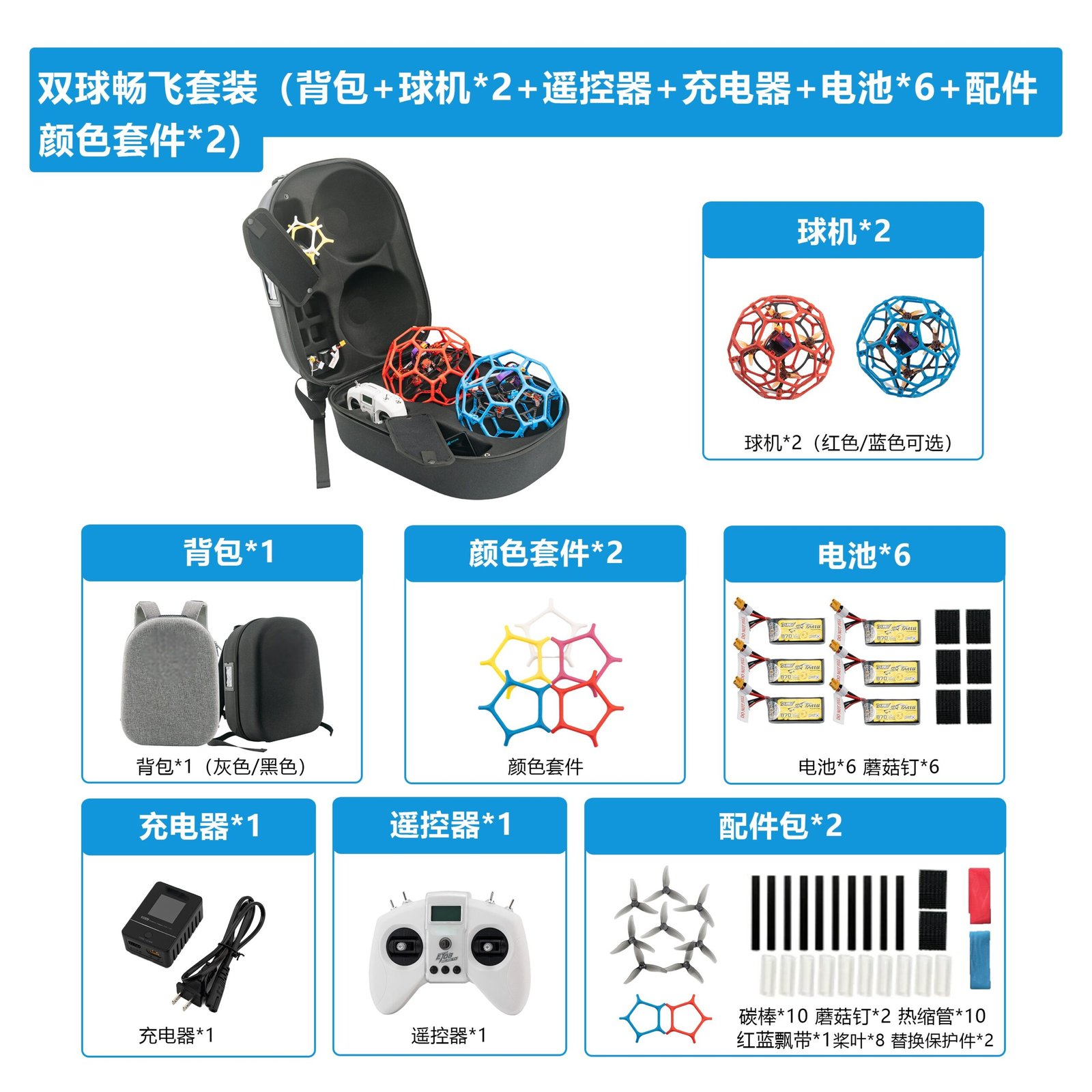
Count your teams, not just your drones. A class of eight teams needs enough packs to keep flying while others charge. Ask the supplier how many packs they recommend per airframe for continuous use, and whether they offer a labeled kit for school inventories. If you are building a multi-year program, discuss spares strategy and connector consistency as part of the order.
LiPo battery safety and charging: what schools must plan for
The FAA states that all lithium-ion batteries are capable of overheating and undergoing thermal runaway, which can occur without warning from damage, overheating, water exposure, overcharging, improper packing, or manufacturing defects (FAA, lithium batteries). This is the core reason schools need written procedures, not just good intentions.
Build your routine around four controls: charge in a fire-resistant container or bag; balance charge every pack; store at a nominal storage voltage rather than full charge; and inspect packs before and after every session. Use a charger that lets you set the correct cell count and current, and train staff on how to stop a charge if a pack becomes hot, puffs, or smells unusual.
A simple charging routine for youth programs
- Assign one adult or trained senior student as the charging supervisor for each session.
- Charge only on a non-flammable surface, away from paper, fabric, and solvents.
- Never leave charging packs unattended in a room with students.
- Use balance charging on every pack, every time.
- Let packs cool before charging after a flight, and let them cool before storage.
- Record pack numbers so damaged or weak packs can be pulled from rotation.
Storage and transport between events
Store packs at storage voltage in a cool, dry place. For travel to competitions, protect the terminals from short circuit by keeping packs in a case or pouch, taping the terminals, or leaving them in retail packaging, as the FAA recommends (lithium batteries). Never transport a swollen, punctured, or water-damaged pack with the team. If a pack is damaged, remove it from service and follow your school’s disposal policy.
If your team flies to an event, check the airline’s rules before packing. The FAA notes that spare lithium-ion batteries must travel in carry-on baggage, that terminals must be protected from short circuit, and that many airlines set stricter quantity and watt-hour limits than the federal baseline (lithium batteries). Confirm with your carrier, because these rules describe air travel, not general shipping or classroom storage.
Comparison table: battery selection priorities by program type
| Program type | First priority | Second priority | Common mistake |
|---|---|---|---|
| Single classroom | Correct voltage and connector | Simple charging routine | Buying mismatched connectors |
| School club with several teams | Interchangeable packs across all balls | Enough spares for rotation | Too few packs, rushed charging |
| Competition team | Consistent pack performance and weight | Pack-level record keeping | Mixing old and new packs |
| Distributor or event organizer | One documented specification | Repeatable kitting | Inconsistent connector standards |
Common mistakes when buying drone soccer ball batteries
- Buying by capacity alone. A larger pack can make the ball heavier and change match handling. Match the airframe first.
- Ignoring connector details. Two packs with the same voltage can still be incompatible. Confirm the exact connector.
- Under-buying spares. Fewer packs means more pressure to charge quickly and less time for safe cooling.
- Skipping storage voltage. Leaving packs fully charged for weeks can shorten life and adds risk.
- Keeping damaged packs in rotation. A swollen or punctured pack should be removed immediately, not used for one more session.
- No written specification. Orders change between years when the connector, capacity, or cell count is not documented.
Buyer checklist for schools and clubs
- Confirm the required cell count and nominal voltage for the exact BKZ airframe.
- Confirm the connector type, polarity, and whether an adapter is needed.
- Confirm the recommended capacity range and pack dimensions for the battery bay.
- Confirm the recommended discharge rating for the standard motor and propeller set.
- Ask how many packs the supplier recommends per airframe for continuous team use.
- Ask whether packs can be purchased as a labeled, school-ready kit.
- Request written charging, storage, and disposal guidance for your country or region.
- Request the warranty, return, and damaged-goods policy in writing.
- Ask about shipping restrictions for lithium batteries to your location.
- Confirm the lead time and MOQ in writing if you are ordering for a district or event.
DPF publishes general guidance only. Any specific voltage, capacity, connector, warranty, MOQ, or lead-time statement must come from your supplier in writing for your exact order. If you are unsure how the battery integrates with the rest of the power system, review the propulsion combo kits and ask for a matching recommendation.
How battery choice connects to the rest of the power system
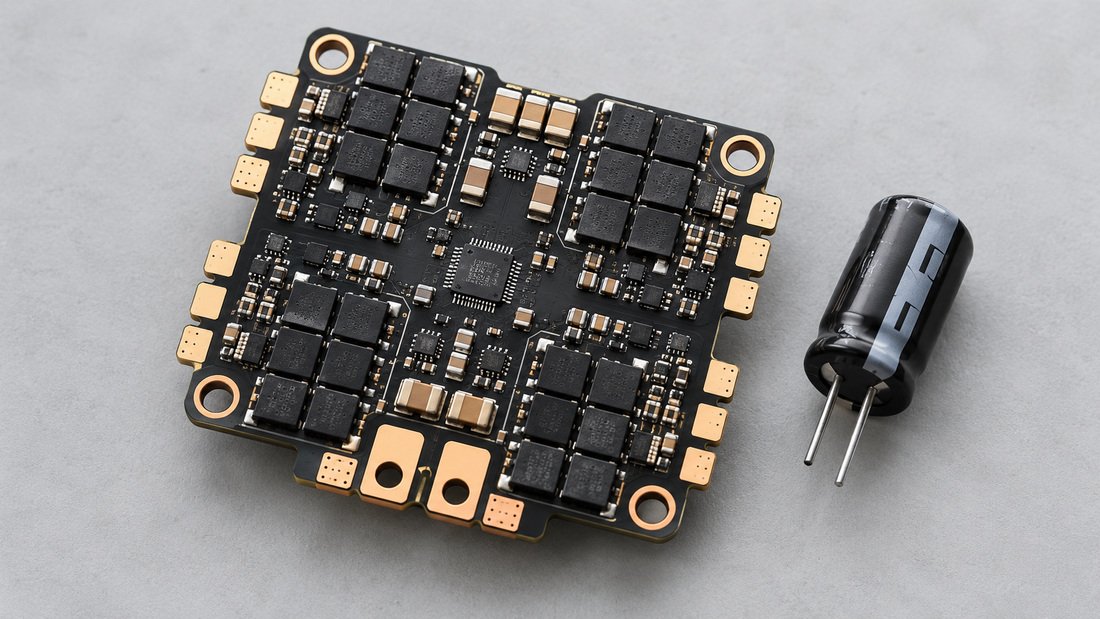
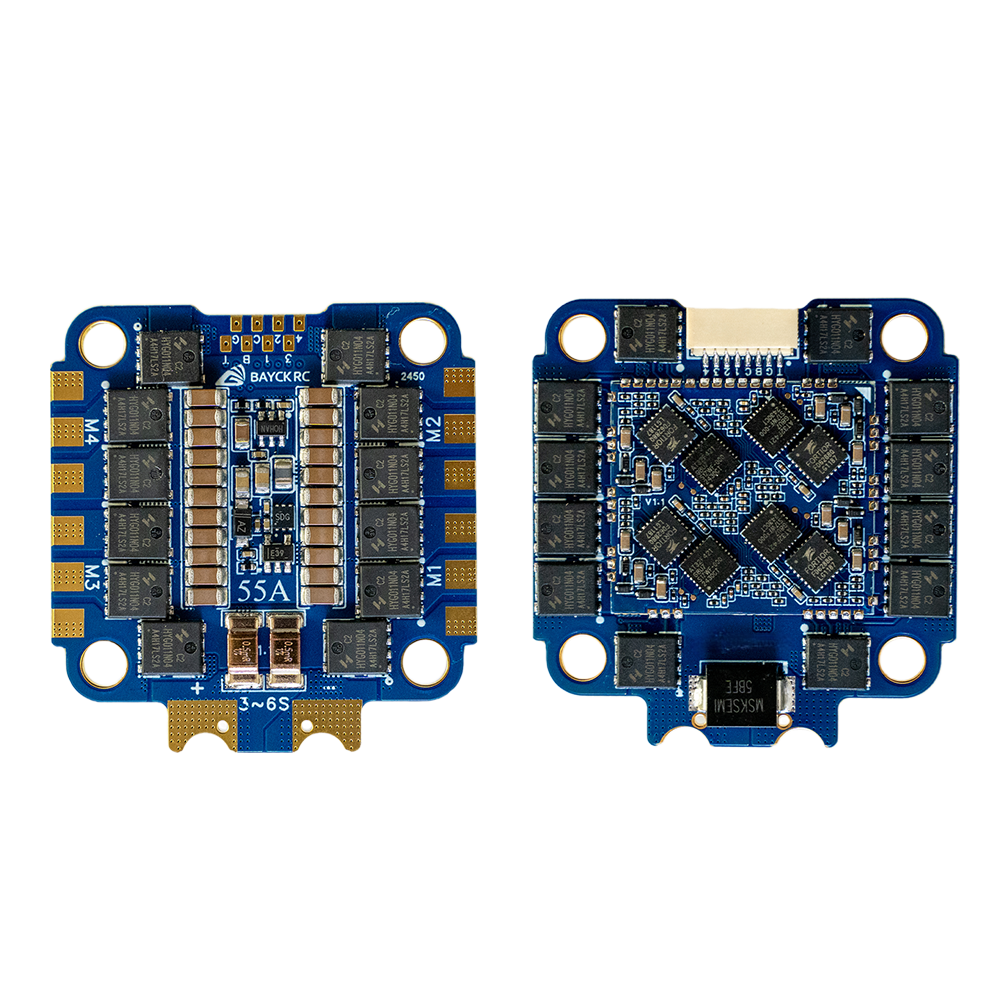
A battery is not selected in isolation. The pack must work with the ESCs, motors, and propellers. The four-in-one ESC board distributes power to the four motors, so its current rating and connector define part of the battery requirement. If you are specifying a new ball build, bring the battery, motor, ESC, and propeller data together before buying in volume.
For teams that also build or maintain FPV practice drones, the same matching logic applies. Review the FPV motors range and the motor and propulsion matching service to align components. This reduces the risk of buying a battery that cannot support the motor set, or a motor set that drains the pack too quickly.
Frequently asked questions
What voltage battery does a drone soccer ball use?
It depends on the specific BKZ airframe and its electronics. There is no single universal voltage for all drone soccer balls. Confirm the cell count and nominal voltage with the supplier for the exact model you are buying, and do not substitute a different cell count without checking the ESCs and flight controller.
How many batteries should a school buy per drone soccer ball?
There is no universal number, because it depends on session length, charge time, and how many teams share packs. A practical approach is to calculate how many packs you need to keep one ball flying while another charges safely. Ask the supplier for a recommendation based on your class size, and buy enough that no pack is rushed back into use.
Can I charge drone soccer batteries in the classroom?
Only with a controlled routine. The FAA notes that lithium batteries can overheat and undergo thermal runaway from causes such as overcharging, damage, or improper packing (lithium batteries). Use a fire-resistant charging container, a balance charger, adult supervision, and a clear stop-work rule if a pack becomes hot, puffs, or smells unusual.
Do I need a special charger for LiPo batteries?
Yes. Use a charger designed for the battery chemistry and cell count, and use balance charging. A charger that cannot set the correct cell count or current is not suitable for a school program. Confirm the charger’s compatibility with your chosen connector and pack before purchase.
How should I store batteries between sessions?
Store at storage voltage in a cool, dry place, with terminals protected from short circuit. The FAA recommends protecting terminals with methods such as retail packaging, tape, a battery case, or a protective pouch (lithium batteries). Avoid leaving packs fully charged for long periods.
What should I do with a swollen or damaged battery?
Remove it from service immediately. Do not charge it, do not fly it, and do not transport it with the team. Follow your school’s or district’s disposal policy and any local rules for lithium battery disposal. If you are unsure, contact your supplier and your local waste authority for guidance.
Can students carry spare batteries to competitions?
Follow the event rules first, then your school’s policy. If air travel is involved, the FAA states that spare lithium-ion batteries must be carried in carry-on baggage, terminals must be protected from short circuit, and airlines may apply stricter limits (lithium batteries). Confirm with your airline before travel.
Should I buy batteries from the same supplier as the drone soccer ball?
Buying from the same supplier can simplify matching, kitting, and support, but it is not mandatory. What matters is a documented specification: cell count, voltage, connector, capacity, dimensions, and discharge rating. If you buy separately, share the airframe and propulsion details with the battery supplier and ask them to confirm compatibility in writing.
Conclusion
Choosing a battery for a drone soccer ball is a matching exercise with a safety routine attached. Match the voltage, connector, capacity, and physical fit to the specific BKZ airframe, then build a charging and storage plan that works for a full class or club session. Keep the battery decision connected to the rest of the power system, because the ESC, motor, and propeller set define what the pack must support.
For procurement, prepare a written specification and ask your supplier to confirm every commercial term: warranty, MOQ, lead time, shipping restrictions, and replacement policy for damaged packs. If you are equipping a school program, start with the Request a School Program Quote form and include your team count, airframe model, and current charger and connector standard so the recommendation fits your program.