Quick summary
Drone soccer balls — the protective spherical cages used in drone soccer — do not have a fixed set of flight modes in the way consumer drones do. Instead, the modes come from the flight controller inside the drone soccer equipment: typically Angle/Self-Level, Acro/Manual, Altitude Hold, and occasionally Turtle or beeper modes. Most school and club setups use Angle mode for beginners, switching to Acro for advanced teams. The exact modes depend on the flight controller firmware and how the team configures it.
Key Takeaways
- Drone soccer balls are protective shells around an FPV drone, not a separate aircraft type.
- Flight modes are defined by the flight controller firmware (e.g., Betaflight, ArduPilot) and the transmitter setup.
- Common modes: Angle/Self-Level, Acro/Manual, Altitude Hold, Turtle, and Beeper.
- Beginners and youth programs typically start in Angle mode; competitive teams may use Acro.
- Confirm firmware, mode support, and safety features in writing with your supplier before ordering team kits.
What is a drone soccer ball and why do flight modes matter?
A drone soccer ball is a small quadcopter enclosed in a rigid spherical cage, usually made of plastic or composite ribs. The cage protects the propellers and lets the ball roll, bounce, and be pushed without damaging the drone. The pilot flies via FPV (first-person view) goggles or line of sight, depending on the program.
Flight modes determine how the drone responds to stick input. In self-leveling modes, the drone returns to level when you release the sticks. In manual modes, it holds the last attitude. For schools and clubs, mode choice affects safety, learning curve, and competition rules. That is why drone soccer equipment selection should include a clear conversation about flight controller firmware and mode configuration.
Which flight modes do drone soccer balls actually use?
Most drone soccer balls use a subset of standard multirotor flight modes. The exact list depends on the flight controller and firmware. Below are the modes you are most likely to encounter, with practical notes for teams.
Angle / Self-Level mode
Angle mode (also called Self-Level or Stabilize) automatically levels the drone when the sticks are centered. It limits maximum tilt angle, which reduces the chance of a full flip. This is the default starting mode for most youth programs and school teams because it is more forgiving.
In a drone soccer match, Angle mode helps new pilots focus on positioning and passing rather than raw attitude control. However, it can feel sluggish to advanced pilots who need fast direction changes.
Acro / Manual mode
Acro mode (Manual or Rate mode) gives direct control over rotation rates. The drone does not self-level; if you tilt and release, it stays tilted. This mode is common in FPV racing and advanced drone soccer play because it allows precise, fast maneuvers.
Acro demands more skill and is usually introduced after pilots are comfortable in Angle mode. For club-level competition, check whether your league rules restrict or require certain modes.
Altitude Hold mode
Altitude Hold uses a barometer or other sensor to maintain altitude when the throttle stick is centered. The pilot controls horizontal movement and can adjust altitude with throttle. This mode can reduce cognitive load for beginners, but it depends on the flight controller having a working altitude sensor.
Not all drone soccer balls include altitude sensors. If this mode matters to your program, ask the supplier whether the flight controller supports it and how it is calibrated.
Turtle mode and beeper
Turtle mode reverses motor direction to flip a crashed drone back onto its feet. Beeper mode triggers a buzzer to help locate a downed drone. These are auxiliary modes, not primary flight modes, but they are useful in a gym or field where balls get knocked around.
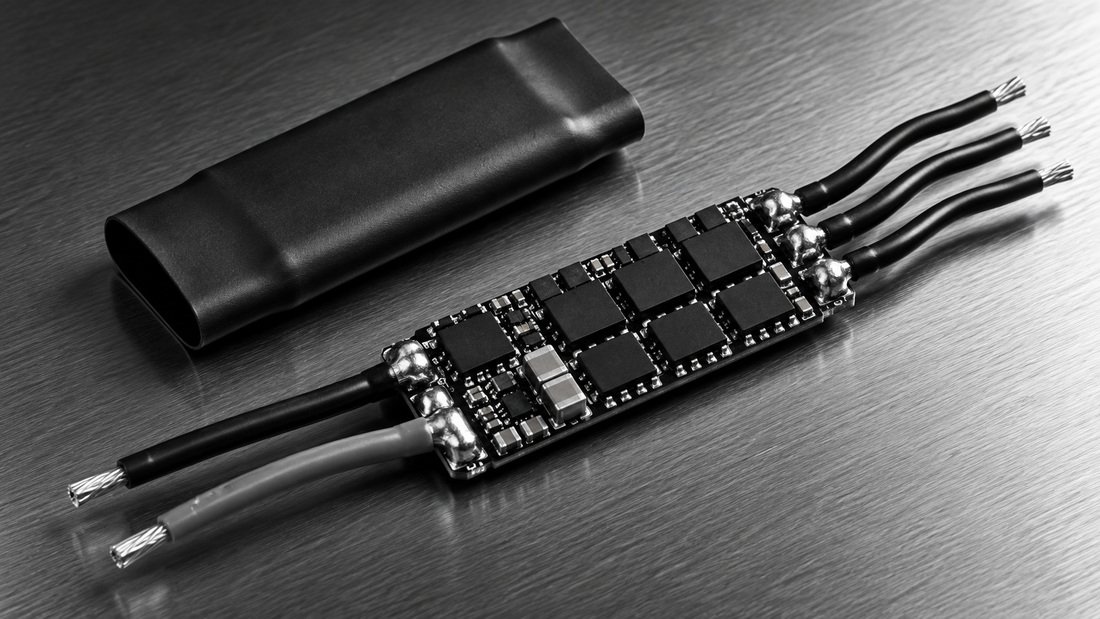
Whether these modes are available depends on the ESC (electronic speed controller) and firmware. Some ESCs support bidirectional DShot, which is often required for Turtle mode.
How do flight modes connect to drone soccer equipment?
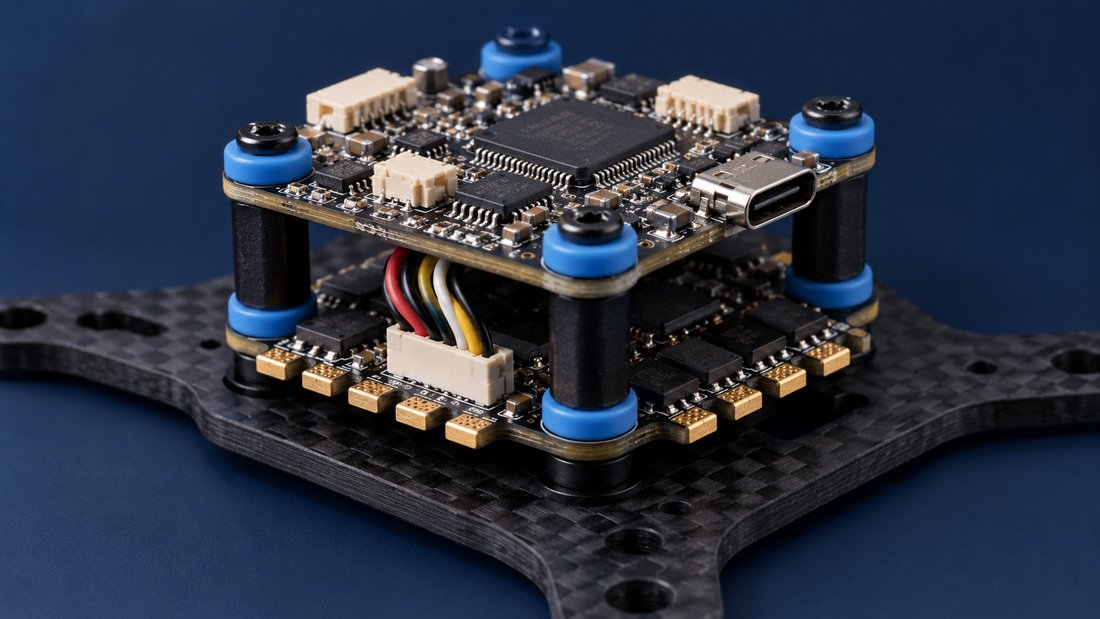
Flight modes are not a standalone feature; they emerge from the combination of flight controller, ESC, motors, receiver, and transmitter. When you evaluate drone soccer equipment, consider the whole signal chain.
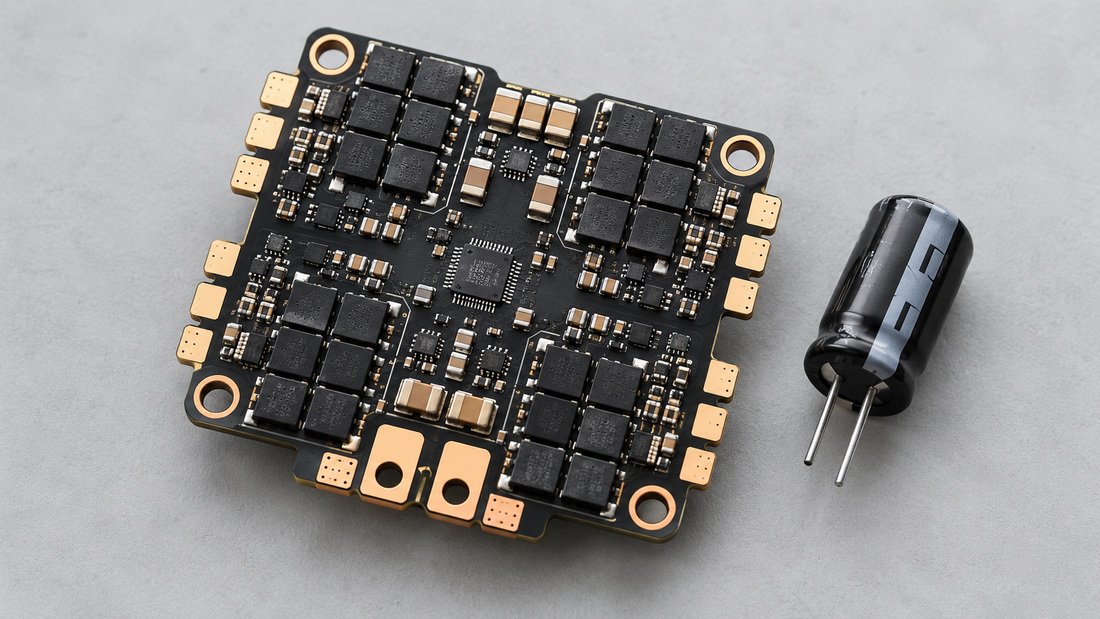
The flight controller runs the firmware that defines available modes. The ESC translates flight controller commands into motor speed. Motors must respond quickly and consistently for Acro mode to feel predictable. A slow or mismatched ESC can make even Angle mode feel unstable.
For teams standardizing on a single drone soccer systems platform, mode consistency across all balls matters. If one ball flies in Angle and another defaults to Acro, training and competition become confusing. Ask your supplier how modes are set at the factory and whether they can be locked or standardized.
Comparison table: flight modes for drone soccer
| Mode | Self-leveling? | Typical use | Skill level | Equipment notes |
|---|---|---|---|---|
| Angle / Self-Level | Yes | Beginner training, youth programs | Beginner | Works on most flight controllers; no extra sensors required |
| Acro / Manual | No | Advanced play, competition | Intermediate–Advanced | Requires responsive motors and ESCs; tuning matters |
| Altitude Hold | Partial (altitude only) | Beginner practice, filming | Beginner–Intermediate | Needs barometer or altitude sensor; not always present |
| Turtle | N/A | Recovery after crash | Any | Requires bidirectional DShot-capable ESC |
| Beeper | N/A | Locating lost drone | Any | Needs buzzer; often integrated |
This table is general guidance. Actual mode availability depends on the specific flight controller and firmware. Confirm with your supplier before assuming a mode is included.
How to choose flight modes for your program
The right mode mix depends on your audience and goals. A school STEM program may prioritize Angle mode and Altitude Hold for safety and accessibility. A competitive drone soccer club may need Acro mode and Turtle for advanced play.
Consider these factors:
- Age and experience: Younger or newer pilots benefit from self-leveling modes.
- Competition rules: Some leagues specify allowed modes; check before buying.
- Venue: Indoor gyms may favor slower, more controlled modes; outdoor fields may allow Acro.
- Maintenance: Turtle and beeper modes can reduce downtime by helping recover crashed balls.
Common mistakes when specifying drone soccer equipment
Buyers often assume that all drone soccer balls fly the same way. They do not. Here are mistakes to avoid:
- Assuming modes are universal. Firmware and configuration vary. Ask for the specific firmware and mode list.
- Ignoring ESC compatibility. Turtle mode needs bidirectional DShot; not all ESCs support it.
- Overlooking transmitter setup. Mode switches must be assigned; some transmitters have limited switches.
- Forgetting training. Even Angle mode requires practice. Budget time for pilot training.
- Not verifying regulatory context. In the US, educational drone operations may fall under the Exception for Limited Recreational Operations (49 U.S.C. § 44809) or Part 107, depending on the organization. The FAA provides guidance for educational users, including eligibility for FRIAs (FAA-Recognized Identification Areas). Confirm your program’s status with the FAA or a legal advisor.
For more on how drone soccer fits into education, see our overview of STEM drone education and training and drone soccer clubs.
Buyer checklist for drone soccer equipment
Use this checklist when comparing suppliers or preparing a team kit order. Request written confirmation for each item.
- Flight controller firmware and version (e.g., Betaflight, ArduPilot).
- List of supported flight modes and how they are activated.
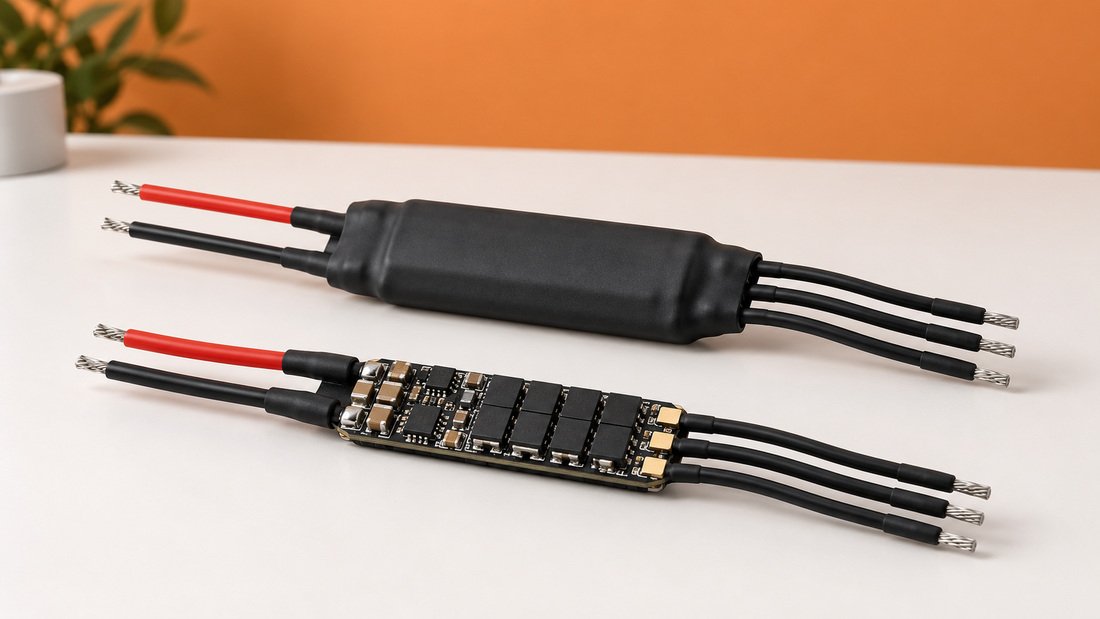
- ESC protocol and whether bidirectional DShot is supported (for Turtle mode).
- Motor specifications and compatibility with the ESC and propeller.
- Transmitter and receiver compatibility, including mode switch count.
- Battery type, connector, and expected flight time per charge.
- Availability of spare parts: motors, ESCs, propellers, cages.
- Documentation or setup guide for mode configuration.
- Warranty terms and return policy for educational buyers.
- Compliance documentation if required by your institution or league.
If you are equipping a school or training organization, review our solutions for schools and training organizations and our full drone soccer systems.
Frequently asked questions
Do all drone soccer balls use the same flight modes?
No. Modes depend on the flight controller and firmware. Some balls may only support Angle and Acro, while others may include Altitude Hold or Turtle. Always confirm the mode list with your supplier.
Can I switch flight modes during a match?
Usually yes, if the transmitter has a switch assigned to mode selection. However, competition rules may restrict mid-match mode changes. Check your league rules.
Is Acro mode safe for beginners?
Acro is generally not recommended for beginners because it does not self-level. Start in Angle mode and progress to Acro under supervision.
Do drone soccer balls need GPS for flight modes?
Most indoor drone soccer balls do not use GPS. Altitude Hold may use a barometer, but GPS is uncommon in this category. Confirm sensor availability if altitude hold matters to you.
How does the ESC affect flight modes?
The ESC must support the commands sent by the flight controller. For Turtle mode, bidirectional DShot is typically required. For basic Angle and Acro, standard ESC protocols usually suffice.
What regulations apply to educational drone soccer in the US?
The FAA states that drones flown for educational purposes are regulated under the Exception for Limited Recreational Operations (49 U.S.C. § 44809) or the Small Unmanned Aircraft Systems Rule (Part 107), depending on the organization. Qualifying educational organizations include institutions of higher education, JROTC programs, and educational programs chartered by an FAA-recognized Community Based Organization. Others may need to operate under Part 107. See the FAA educational users page for details. This is US-specific guidance; other jurisdictions may differ.
Can I request a custom mode configuration for my team?
Some suppliers offer configuration services. Ask whether modes can be locked, standardized, or customized for your program. Get any custom work confirmed in writing.
Conclusion: match modes to your program, not the other way around
Drone soccer balls use flight modes defined by their flight controller firmware, most commonly Angle, Acro, and optionally Altitude Hold, Turtle, and Beeper. The right mix depends on your pilots’ skill, your competition rules, and your venue. Before purchasing drone soccer equipment, ask your supplier for the exact firmware, supported modes, and ESC compatibility. Request written confirmation of these details.
Ready to equip your team? Request a Team Kit Quote and tell us your program’s needs.