Quick summary
Choosing a drone soccer ball means matching the ball to your competition rules and your fleet. Confirm the organizer-approved ball size, cage fit, mass target, motor and propeller mounting pattern, and battery connector before buying. Prioritize repairable, widely sourced parts such as motors, ESCs, and propellers. For clubs, the right ball is the one your team can keep flying all season, not the lightest or cheapest single unit.
Key Takeaways
- Rulebook first: ball diameter, cage and mass limits, and approved hardware usually come from the competition organizer, not the vendor.
- Serviceability beats sticker price: check whether motors, propellers, ESC boards, and shells can be replaced individually.
- Electronics compatibility matters: motor size, ESC current rating, and battery connector format must match your drone soccer systems.
- Buy for the fleet: standardize on one ball platform so spares, training, and repairs stay simple across your drone soccer clubs.
- Ask for written confirmation of ball dimensions, part availability, and repair documentation before you commit to a bulk order.
What Is a Drone Soccer Ball and Why Does It Matter for Competition?
A drone soccer ball is the protective spherical cage that holds an FPV (first-person view) drone. Players fly it inside a fixed hoop to score. Because the ball is the contact surface, it absorbs impacts that would otherwise reach the motors, propellers, ESC (electronic speed controller), and flight controller inside.
For competition, the ball is a regulated component. Organizers typically define the ball diameter, cage material, and the total mass the ball may not exceed. A ball built for practice may not satisfy those limits. If you buy purely on price, you can end up with equipment that cannot enter a sanctioned match.
This is why drone soccer equipment decisions should start with the rulebook and end with a spare-parts plan. The ball is not an accessory; it is the interface between your drone and the game.
Step-by-Step: How to Choose a Drone Soccer Ball for Competition
1. Start With the Official Rulebook and Ball Specification
Get the current rulebook or technical bulletin from the league or event organizer before you shop. It should state the permitted ball diameter, material, mass, and any approved branding or hardware. If the organizer publishes an approved-parts list, that list overrides marketing claims.
If no specification is available, ask the organizer in writing. Then ask the vendor to confirm their ball meets that spec in the same unit of measurement. Do not accept a verbal “it’s standard size” answer.
2. Check Cage Geometry and Fit
The cage must fully enclose the drone without touching propellers, yet allow enough airflow for stable flight. Confirm the mounting points, the internal clearance around the propeller arc, and how the drone is secured inside the shell. A cage that flexes or clips the props will cause vibration, drift, and premature motor wear.
Bring a caliper or ruler when you inspect samples. Measure the outer diameter, the inner clearance, and the shell thickness. These are the numbers that determine whether the ball is legal and durable.
3. Match the Electronics and Power System
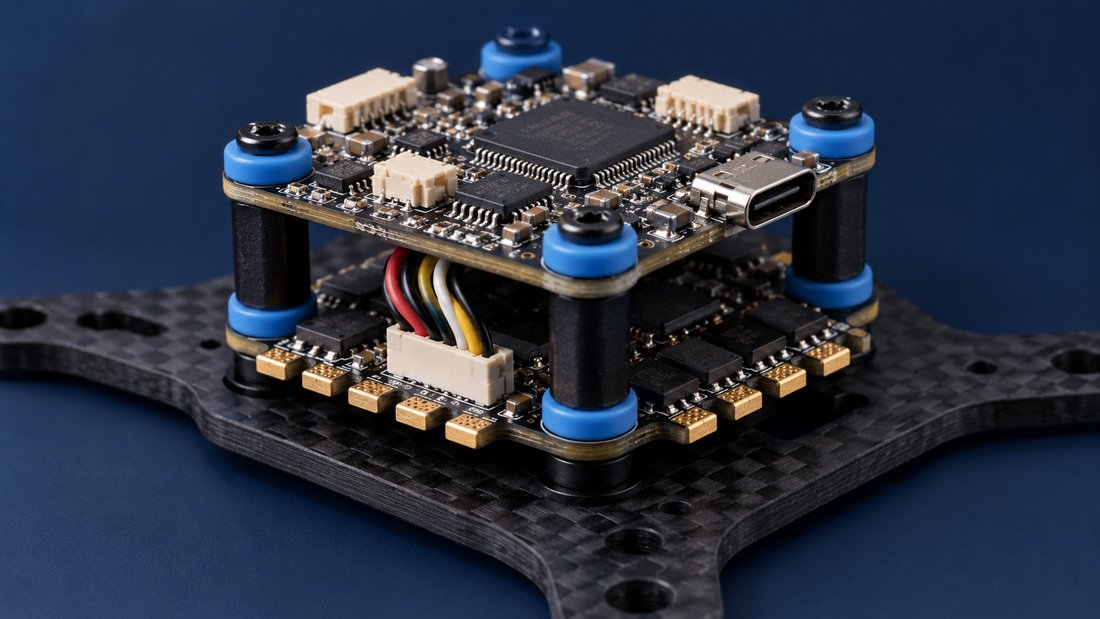
The ball is only as good as the electronics inside it. Check the motor mounting pattern, propeller size, ESC current rating, and battery connector. If your club already runs a standard motor or ESC, choose a ball that accepts those parts rather than introducing a new format.
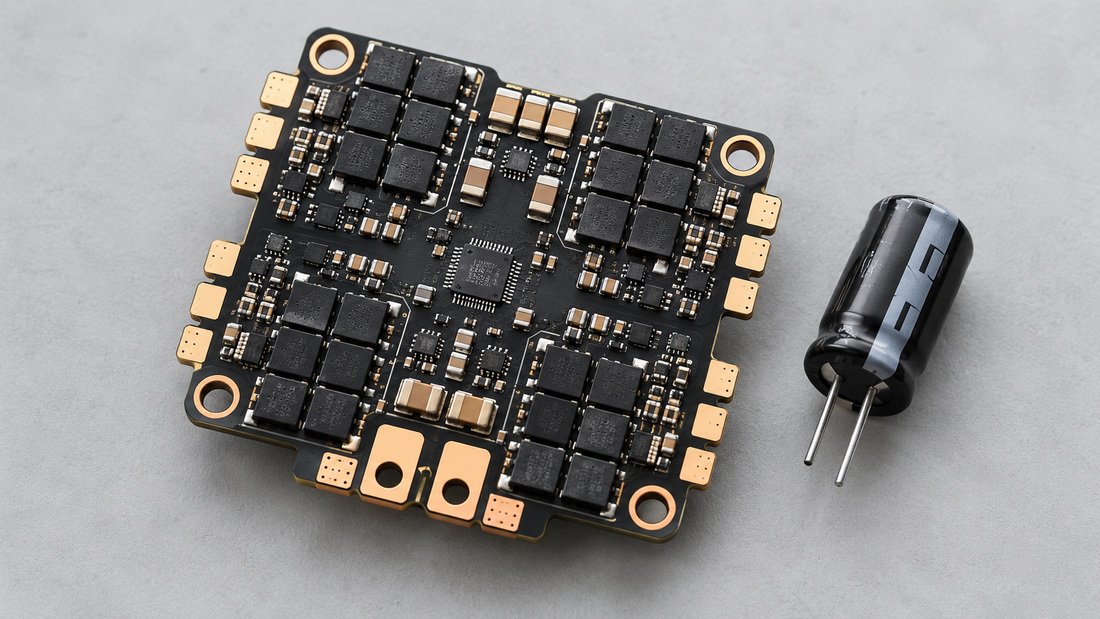
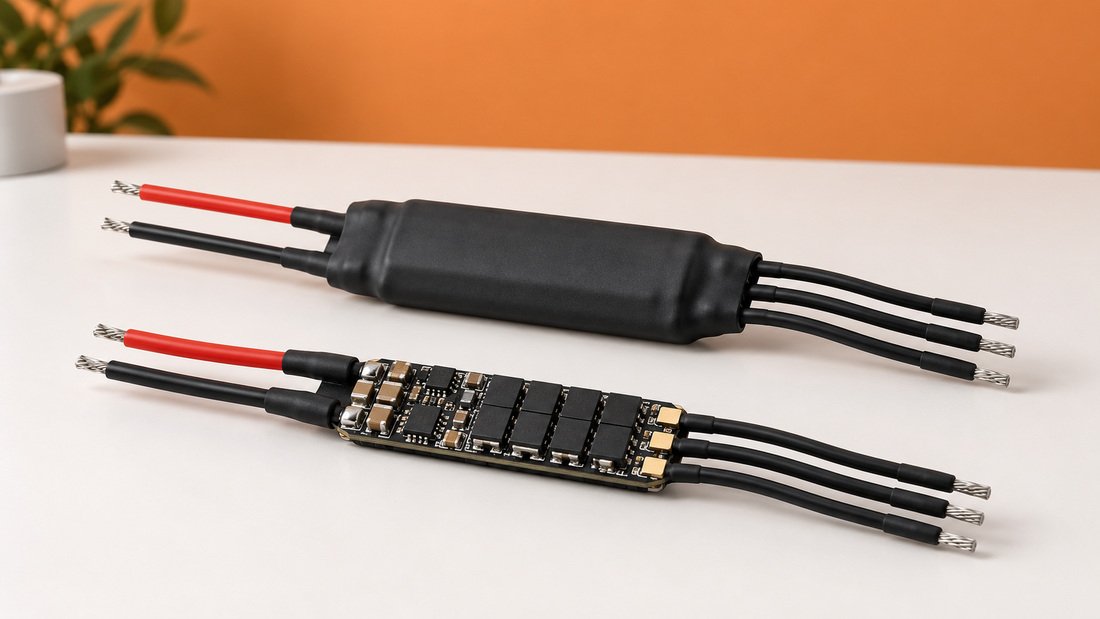
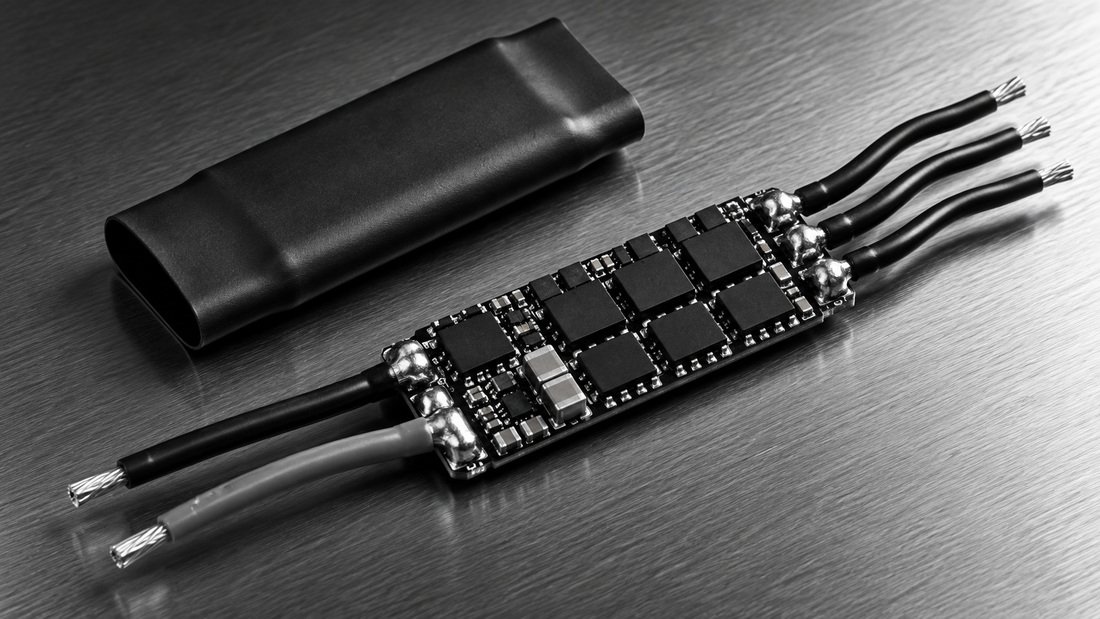
For example, a 4-in-1 ESC board simplifies wiring and replacement, while separate single ESCs can be cheaper to repair one channel at a time. Ask the vendor which format the ball is designed for, and confirm the board dimensions and mounting holes.
4. Evaluate Durability and Repairability
Drone soccer is a contact sport. The ball will hit hoops, other balls, and the floor. Look for impact-absorbing shell material, replaceable cage arms, and fasteners that are easy to source. A repairable ball keeps a club flying; a glued, non-serviceable shell can turn a minor crash into a write-off.
Ask the vendor for a parts breakdown, a repair guide, and whether individual cage segments, motor mounts, and prop guards are sold separately. This is the single most useful question for a club budget.
5. Standardize Across the Team and the Season
Clubs should standardize on one ball platform for training and competition. Mixed platforms multiply the spare parts you must stock and complicate coaching. If you order a starter drone soccer competitions kit, confirm that replacement balls and internal parts will remain available for the full season.
Comparison Table: Ball Types and What They Suit
The table below compares common ball approaches at a general level. Actual specifications, prices, and availability must be confirmed with your vendor and organizer.
| Ball Type | Typical Strength | Trade-off | Best For |
|---|---|---|---|
| Entry training ball | Low cost, simple build | May not meet competition mass or size rules | First lessons, classroom demos |
| Competition-spec ball | Meets organizer limits, durable shell | Higher unit cost | League matches, club teams |
| Modular repairable ball | Individual parts replaceable | Requires spare-part inventory | Clubs running frequent practices |
| OEM/ODM ball platform | Custom branding and configuration | Longer planning and tooling cycle | Distributors, large programs |
There is no universally “best” ball. The right choice depends on your rulebook, budget, and how much repair work your team can handle. For schools building a program, a modular ball is often easier to sustain than the cheapest fixed shell.
Common Mistakes When Buying Drone Soccer Equipment
- Buying balls before reading the rulebook. Size, mass, and hardware limits can disqualify otherwise good equipment.
- Ignoring electronics compatibility. A ball that only fits one motor or ESC format locks you into a single supplier.
- Choosing the cheapest shell. Low-cost shells often cannot be repaired, so one crash removes a ball from the fleet.
- Ordering exactly the number of balls you need. Competition teams need spare balls and spare internal parts during events.
- Skipping the timing question. Restocking time varies, so confirm it in writing before a tournament.
Buyer Checklist Before You Order
Use this checklist, adapted to your program, before placing a purchase order.
- Official ball diameter, cage material, and mass limit confirmed in writing.
- Vendor confirms the ball meets that specification, with dimensions.
- Motor size, propeller size, ESC current rating, and battery connector identified.
- Parts breakdown and repair guide supplied (or requested).
- Individual spare parts and replacement balls available, with pricing.
- Spare ball quantity planned per team (training plus competition).
- Lead time and restocking time stated in writing.
- Safety guidance and usage limits supplied for younger students.
- Payment, shipping, and warranty terms confirmed for your country and buyer type.
Regulation and Safety Notes for School Programs
If you are buying for a school or youth program, confirm local rules before flying. In the United States, the FAA (Federal Aviation Administration) explains that drones flown for educational purposes are regulated either under the Exception for Limited Recreational Operations of Unmanned Aircraft or under the Small Unmanned Aircraft Systems Rule (Part 107). The FAA notes that drones flown for educational and research purposes may be operated under section 44809 for qualifying educational organizations, which include institutions of higher education, Junior Reserve Officers’ Training Corps (JROTC) programs, and educational programs chartered by an FAA-recognized Community Based Organization. Educational organizations that do not qualify must operate under Part 107. For details, see the FAA educational users page: https://www.faa.gov/uas/educational_users
The FAA also notes that educational institutions, including primary and secondary schools, trade schools, colleges, and universities, are eligible to request a FAA-Recognized Identification Area (FRIA), where drones can be flown without Remote ID. This matters for STEM drone education and training, because it can affect where and how you fly. Rules vary by country, so verify with your local aviation authority and your school administration.
Safety practice also affects ball choice. If students regularly crash during training, prioritize a repairable ball and budget for spare parts. A ball that is easy to fix keeps students flying and reduces downtime between lessons.
Where DPF Fits in Your Drone Soccer Equipment Plan
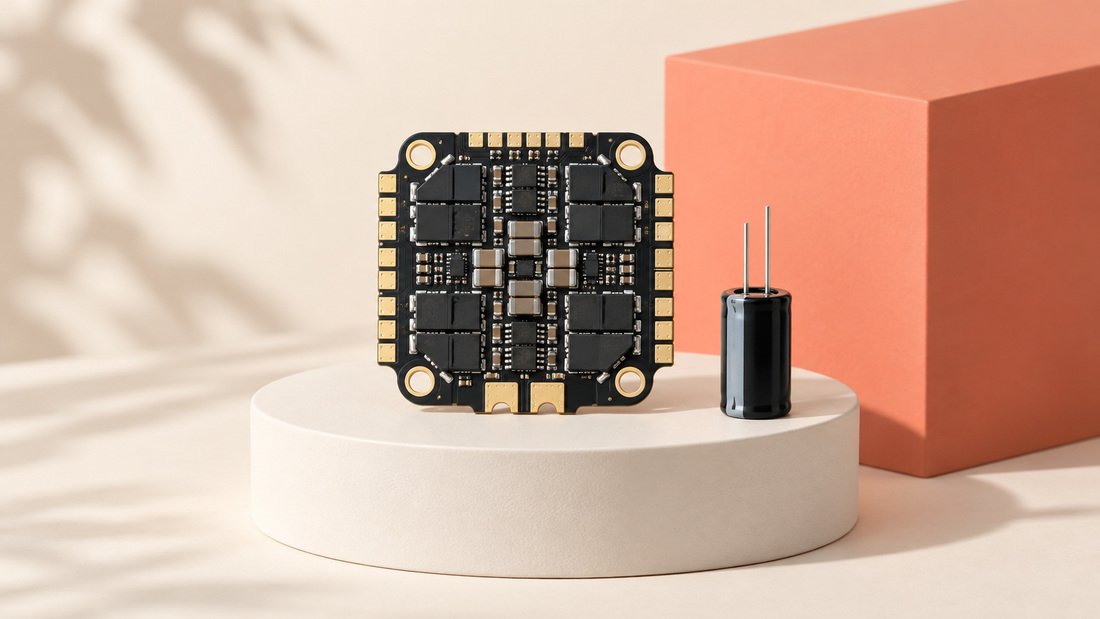
Drone Parts Factory supplies drone soccer (BKZ), motors (BKM), and ESC (BKE) product lines for teams, schools and training organizations, and distributors. Because the ball, motors, and ESC work as one system, sourcing them together can simplify compatibility checks and spare-part planning.
We do not publish fixed MOQs, lead times, or warranty terms here because they depend on your configuration and region. For those details, request them in writing so your procurement team has documented terms.
Contextual Next Step
If you already know your rulebook limits and your preferred electronics format, share them with our team and we can help you match a ball and parts set to your fleet. Start with a quote request or sample discussion: Request a Team Kit Quote.
Frequently Asked Questions
What size is a drone soccer ball for competition?
There is no single global size. The competition organizer sets the permitted ball diameter and mass limit. Ask the organizer for the current technical specification, then confirm the exact dimensions with your vendor in writing.
Can I use a training ball in a competition?
Only if it meets the organizer’s specification. Training balls are often cheaper and may not satisfy size, mass, or hardware rules. Check the rulebook before entering a match with any ball.
How many spare balls and parts should a team keep?
There is no universal number. Base it on your practice frequency, crash rate, and event schedule. Many clubs keep enough spare parts to repair each ball at least once during a tournament. Confirm availability with your supplier before the season.
Do drone soccer balls use a 4-in-1 ESC or single ESCs?
Both formats exist. A 4-in-1 ESC board simplifies wiring and replacement, while single ESC modules can be cheaper to repair one channel at a time. Choose the format your team can service and stock parts for.
Are drone soccer balls waterproof?
Do not assume so. Most FPV-style electronics are sensitive to moisture. Ask the vendor about moisture resistance and follow their storage and operating guidance.
What should I confirm in writing before buying in bulk?
Confirm ball dimensions, electronics compatibility, spare-part availability, pricing, payment terms, lead time, restocking time, and warranty terms for your country and buyer type.
Does buying drone soccer equipment require registration in the US?
Rules depend on how and where you fly, and on the organization. The FAA states that drones flown for educational purposes are regulated under section 44809 or Part 107, and that qualifying educational organizations may operate under section 44809. Verify your specific situation with the FAA and your school administration: https://www.faa.gov/uas/educational_users
Conclusion
Choosing a drone soccer ball for competition is a procurement decision as much as a technical one. Start with the organizer’s specification, match the ball to your motor, propeller, ESC, and battery format, and prioritize repairability. Then standardize across your team and confirm commercial terms in writing.
Ready to build a fleet-ready ball and parts set? Request a Team Kit Quote and share your rulebook limits, fleet size, and preferred electronics format.