Quick summary
Choosing a drone soccer supplier for a school means checking far more than price per set. The right supplier provides robust airframes, a fast spare-parts pipeline, safety documentation, classroom-friendly training, and clear written terms. For drone soccer in schools, the practical test is simple: can this supplier keep a squad of students flying all term, with predictable budgets and minimal downtime? This guide gives administrators, coaches and procurement teams a structured way to evaluate suppliers, compare options and ask the right questions before signing anything.
Key Takeaways
- Judge a supplier on spare-part availability, repair turnaround and training support, not just the price of a starter set.
- Ask for written confirmation of every commercial term — lead times, MOQs, warranty scope, replacement part pricing and shipping costs.
- Check that the equipment matches how your students will actually fly: indoor gyms, school halls and competition formats differ.
- Verify what safety, radio and battery documentation the supplier can provide — and confirm regulatory requirements for your own jurisdiction rather than assuming.
- A supplier that supports schools long term (training, curriculum help, replacement parts) usually costs less per student hour than the cheapest one-off kit.
What is drone soccer in schools?
Drone soccer in schools is a team sport and STEM activity where students fly small, caged quadcopters inside a protective ball through hoops, usually in an indoor gym or hall. Because the propellers are enclosed, it is popular with schools, youth programs and clubs as a safer entry point to drone flying, coding and teamwork. The supplier you choose determines the equipment, spares, training materials and long-term support behind that program.
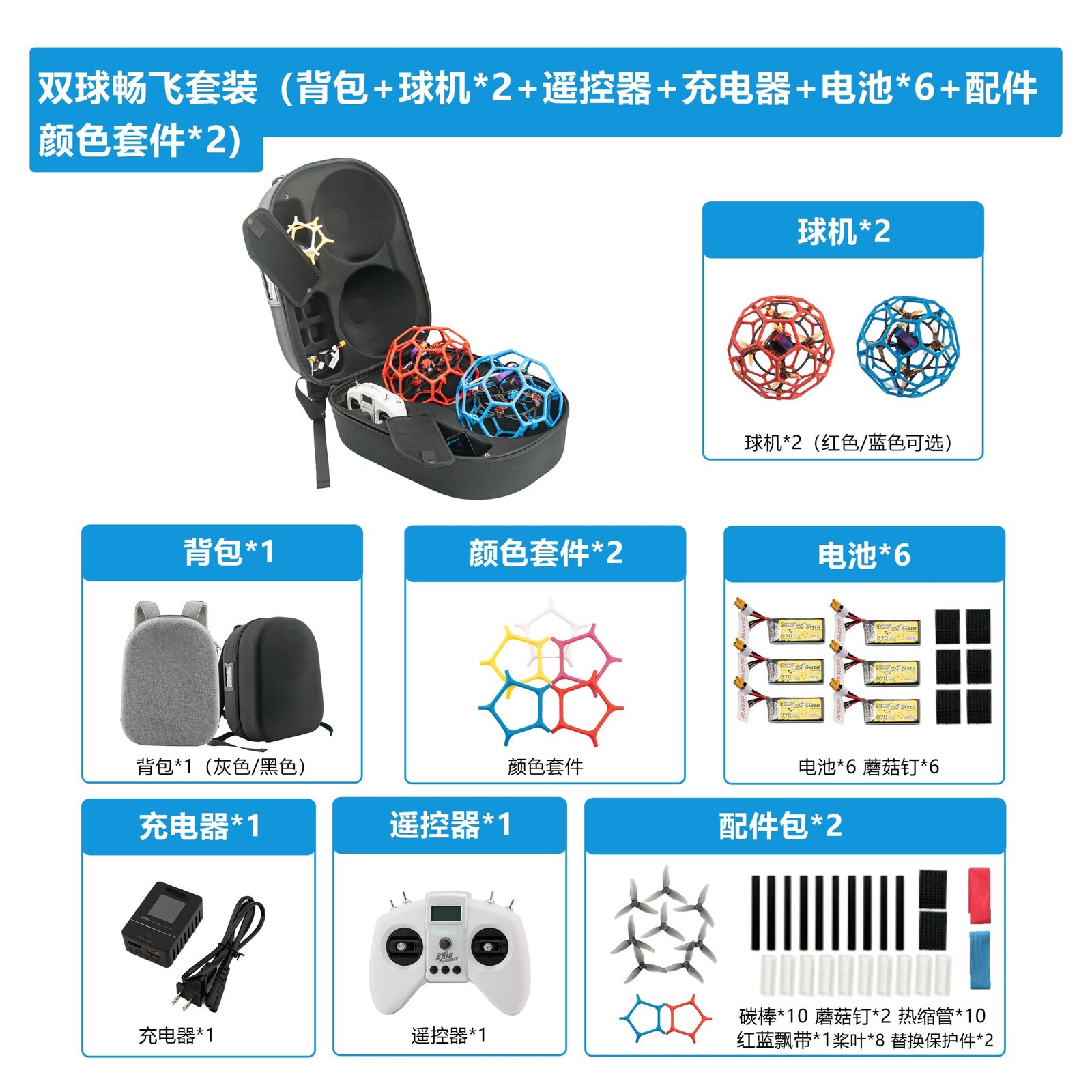
DPF supplies drone soccer systems aimed at schools, clubs, distributors and event organizers. If you want to see the product families first, start with drone soccer systems.
What should a school look for in a drone soccer supplier?
The most important criteria are spare-part availability, repair and replacement options, compatibility across sets, training and curriculum support, safety documentation, and transparent written commercial terms. A supplier that scores well on these points will usually beat a cheaper supplier that leaves you waiting weeks for a replacement motor or battery during a season.
1. Spare parts and repair pipeline
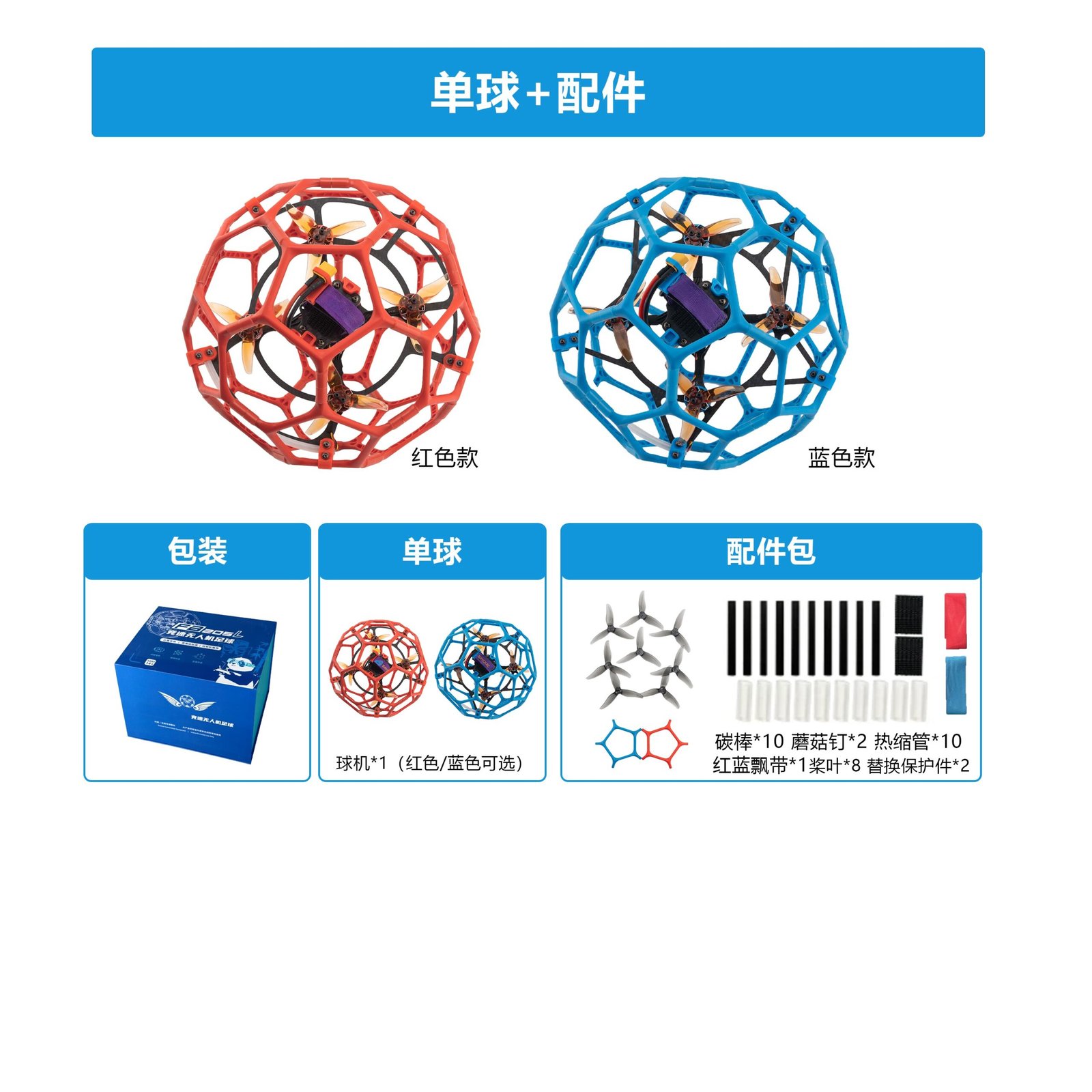
Drone soccer is a contact sport for machines. Motors, propellers, batteries, frame parts, receiver boards and ball cages will wear out. Ask the supplier for a spare-parts list with part numbers, unit prices and typical restock timing in writing. A supplier that only sells complete sets is a risk for any school running regular sessions.
Also ask whether common parts are shared across models. If a single spare motor or battery fits several sets, your storage and budget get simpler, and coaches can swap parts between students quickly.
2. Compatibility between sets, balls and accessories
If you plan to run multiple teams, multiple age groups or an intramural league, compatibility matters more than any single specification. Confirm which balls, batteries, chargers, transmitters and receivers work across the supplier’s range. Mixed-batch compatibility problems usually show up during competitions, not during a quiet practice.
If you are building toward interschool events, look closely at the drone soccer competitions side of the supplier’s offering, since game-day logistics (spares, referee sets, transport) differ from classroom use.
3. Radio, control and battery documentation
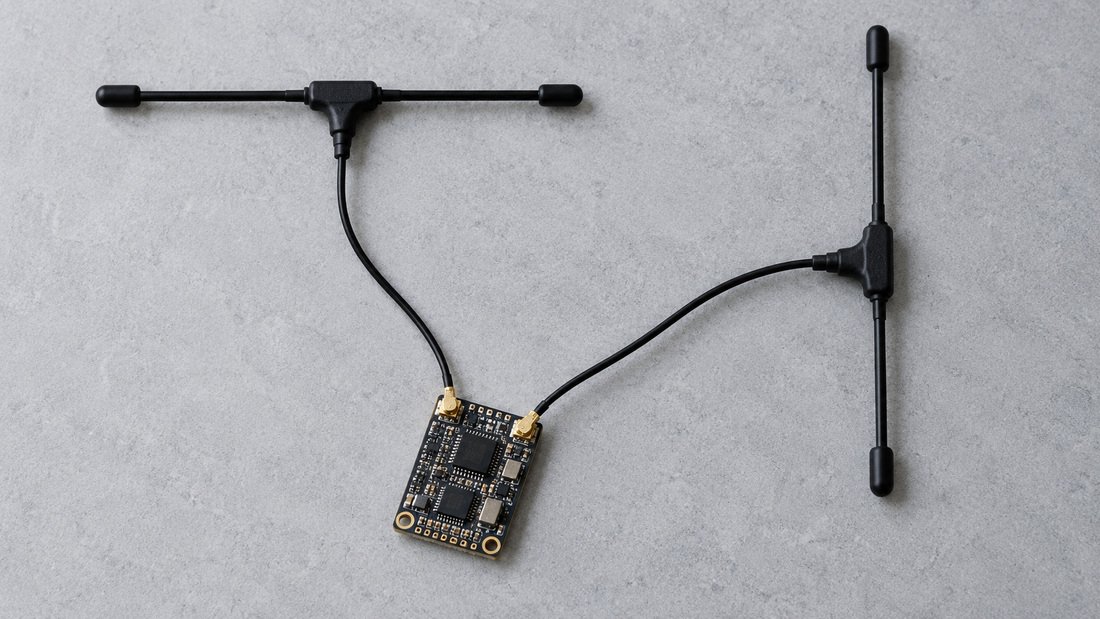
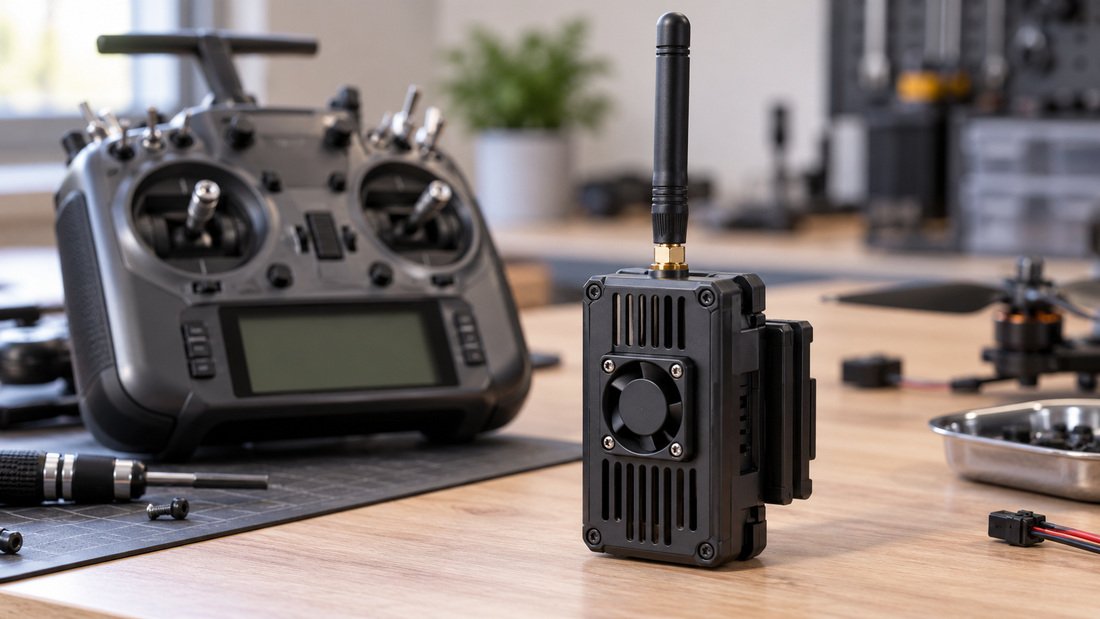
Ask what radio system the equipment uses, whether it is a standard protocol such as ELRS, and what documentation the supplier provides. Standard protocols make it easier to source transmitters, receivers and antennas later, which helps schools and districts avoid single-supplier lock-in.
Battery documentation matters too: chemistry, voltage, charging procedure and safety guidance should be clear enough for a teacher to write a one-page classroom safety sheet.
4. Training, curriculum and teacher confidence
A drone soccer program fails when teachers do not feel confident running it. Ask whether the supplier offers onboarding sessions, setup guides, basic troubleshooting documentation or curriculum-aligned lesson suggestions. For district-level programs, look at the supplier’s broader STEM drone education and training approach to see whether they support teaching, not just shipping.
Written and video training materials are easier to reuse across staff changes than a one-off in-person demo. If training is promised, ask for a written outline of what is covered and in what format.
5. Safety, compliance and school policy fit
Safety documentation is a procurement item, not an afterthought. Ask the supplier what safety guidance, battery-handling notes and operational recommendations they provide for indoor school use.
On the regulatory side, rules vary by country and by whether the flight is recreational, educational or commercial. In the United States, for example, the FAA explains that drones flown for educational purposes are regulated under either the Exception for Limited Recreational Operations (49 U.S.C. § 44809) or the Small Unmanned Aircraft Systems Rule (Part 107), and that some educational organizations must be chartered by an FAA-recognized Community Based Organization to operate under § 44809. The FAA also notes that educational institutions, including primary and secondary schools, can request a FAA-Recognized Identification Area (FRIA) where drones may be flown without Remote ID. See the FAA educational users page for current details: https://www.faa.gov/uas/educational_users.
Treat that as a US example, not a universal rule. Ask your supplier what country-specific guidance they can point you to, and confirm your own obligations with your local aviation authority before the first session.
6. Written commercial terms
Pricing, lead times, minimum order quantities, warranty scope, replacement part costs and shipping are commercial terms that must be confirmed in writing for your specific order. Do not rely on a website page or a verbal estimate. Ask for a formal quotation that lists every item, and check which consumables (batteries, propellers, cages) are excluded from any warranty.
DPF publishes product information and can provide quotations through the contact process; confirm the exact terms that apply to your order and region in writing rather than assuming they are standard. For school-level purchasing, you can start from the schools and training organizations solutions page to understand the program scope before requesting numbers.
Comparison table: supplier types for drone soccer in schools
The table below is general guidance about supplier categories, not a ranking of named companies. Use it to decide which questions to press hardest with each type of vendor.
| Supplier type | Typical strengths | Typical risks | Best fit for |
|---|---|---|---|
| Specialist drone soccer manufacturer | Compatible ecosystem, spare parts, competition knowledge | Confirm local support and shipping in writing | Schools and clubs running recurring programs or leagues |
| General STEM/education reseller | Familiar school purchasing process, bundled curriculum | May have limited spare-part depth for high-contact play | One-off classroom introductions |
| Local hobby or drone retailer | Fast local pickup and repair help | Limited stock and inconsistent compatibility across brands | Small clubs needing quick individual spares |
| Distributor or OEM/ODM partner | Volume pricing, branding, program rollouts | Terms, MOQs and lead times must be verified in writing | Districts, event organizers and multi-school programs |
Trade-offs schools should expect
There is no perfect drone soccer supplier. Most decisions come down to four trade-offs:
- Price vs. spares depth. The cheapest set often has the shallowest spare-part catalog. Over a full season, downtime costs more than the initial saving.
- Standardization vs. flexibility. A single standardized kit simplifies training and fair play, but one supplier ecosystem can limit later price competition.
- Indoor safety features vs. performance. Fully enclosed cages reduce injury risk and protect equipment, but add weight and change flight feel.
- Speed vs. certainty. Faster shipping is useful, but you still need written confirmation of delivery terms, duties and replacement policy before ordering.
Common mistakes when buying drone soccer equipment for schools
- Buying complete sets only, with no budget line for spare motors, propellers and batteries.
- Assuming a supplier’s warranty covers consumables such as batteries and cages.
- Choosing equipment based on a single practice session rather than a full-season maintenance view.
- Ignoring radio and battery compatibility, then discovering mixed parts cannot be swapped during a competition.
- Skipping the question of who trains the teachers, then finding staff unable to run sessions confidently.
- Treating US regulatory examples as global rules instead of checking local requirements.
Buyer checklist: questions to ask every supplier
Send this list to each shortlisted supplier and compare written answers side by side.
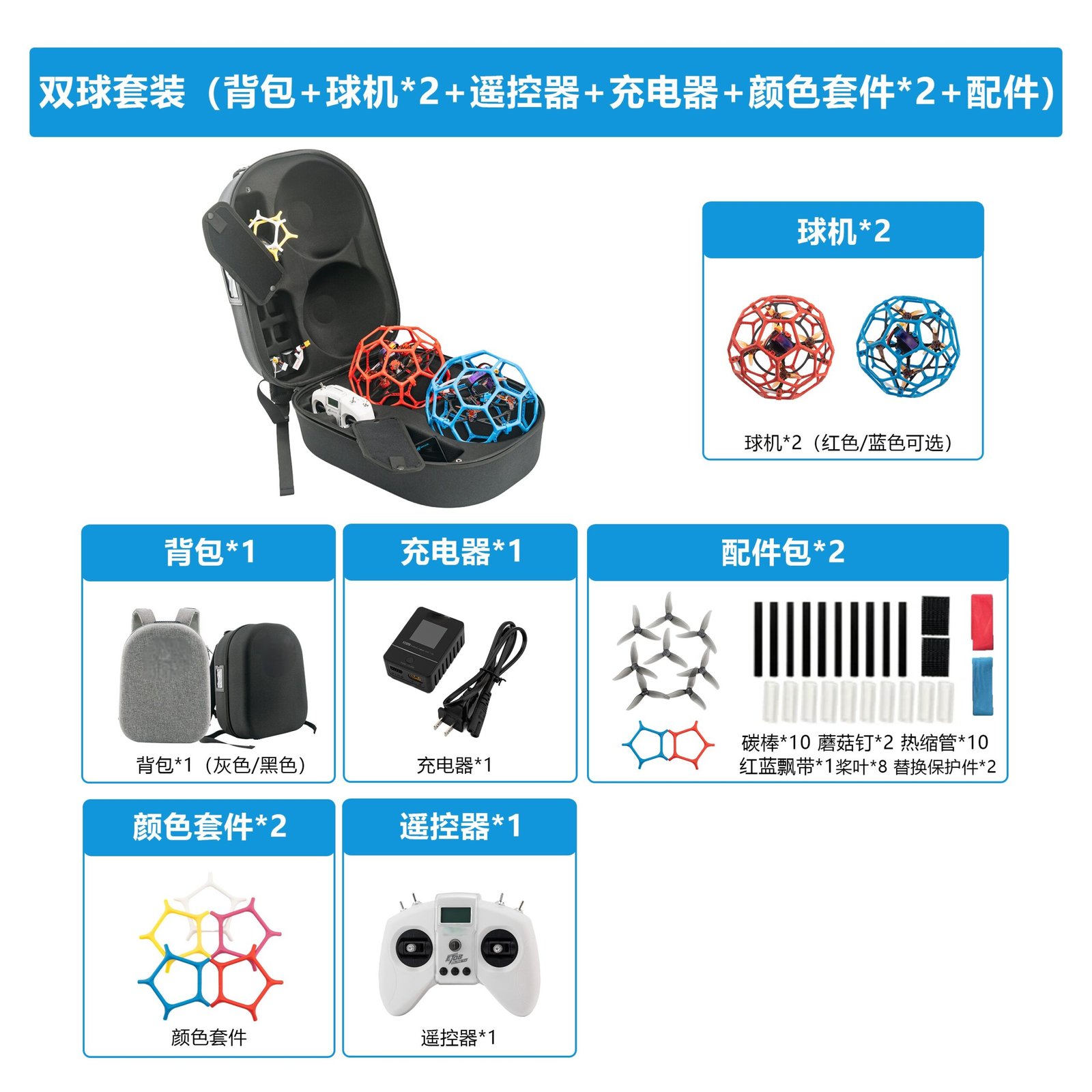
- What is included in a standard school set, item by item?
- What is the full spare-parts list, with part numbers and unit prices?
- Which parts are shared across models, and which are model-specific?
- What is the documented repair or replacement process if a unit fails mid-term?
- What training, setup guides or curriculum support is provided, and in what format?
- What battery, charging and safety documentation is included?
- What are the confirmed lead times, MOQs, shipping terms and payment terms for our order?
- What warranty applies, and what is excluded?
- Can you supply for a multi-school program or a branded OEM/ODM project?
- What country-specific regulatory references can you point us to?
Where DPF fits
DPF supplies drone soccer equipment and parts for schools, clubs, distributors and event organizers, and can discuss program-level requirements rather than only single-unit sales. If your program also runs community clubs, the drone soccer clubs page describes that use case. For everything from a first classroom set to a district rollout, the practical next step is a written quotation so you can compare real numbers instead of list prices.
Planning a school program? Request a School Program Quote and include your student numbers, session frequency and whether you need competition or classroom configuration.
FAQ: choosing a drone soccer supplier for schools
What is the most important factor when choosing a drone soccer supplier?
Spare-part availability and repair support. Schools run repeated sessions, so equipment wear is constant. A supplier that stocks motors, propellers, batteries, cages and receiver parts keeps your program running; one that only sells complete sets creates long downtime.
How many spare parts should a school budget for?
There is no universal number because it depends on session frequency, floor surface and student age. Ask each supplier for a recommended spares ratio for your planned usage, then treat it as a starting estimate and track your own consumption in the first term.
Are drone soccer sets safe for indoor school use?
Fully enclosed cages reduce propeller exposure and are a common reason schools adopt drone soccer. Safety still depends on supervision, room setup and battery handling. Ask the supplier for safety and battery documentation and follow your school’s own risk-assessment process.
Do we need a license to run drone soccer in schools?
Requirements vary by country and by how the flights are classified. In the United States, the FAA states that educational flights fall under either the Exception for Limited Recreational Operations or Part 107, with additional conditions for some organizations, and that eligible educational institutions can request a FRIA. Check the FAA page and confirm your local rules with your aviation authority: https://www.faa.gov/uas/educational_users.
Should we standardize on one supplier or mix brands?
Standardizing on one compatible ecosystem simplifies training, spares and fair play, especially for leagues. Mixing brands can save money initially but often creates compatibility and support problems. If you mix, confirm radio protocols and battery compatibility in writing first.
How should we compare quotations from different drone soccer suppliers?
Compare total cost of ownership over one or two seasons, not just the kit price. Include spare parts, replacement batteries, shipping, duties, training time and expected downtime. Ask every supplier to quote the same scope so the comparison is fair.
Can a supplier customize sets for our school or district brand?
Some suppliers offer OEM/ODM options for distributors, districts and event organizers. Customization, MOQs and lead times are commercial terms that must be confirmed in writing for your specific project.
Conclusion
The best drone soccer supplier for a school is the one that keeps students flying, not the one with the lowest headline price. Vet spare parts, compatibility, training, safety documentation and written commercial terms first, then compare total program cost. If you are evaluating drone soccer in schools for a class, a club or a district league, the next step is a written quotation you can put side by side with other bids.