Quick summary
Drone soccer OEM and ODM options generally include four models: full OEM production of a kit you specify, ODM supply of an existing platform with your branding, partial customization such as frame color or motor variant, and packaging or documentation localization. Most schools and distributors begin with ODM plus logo and packaging, then move toward OEM as volumes grow. The right choice depends on your technical ownership, target price, spare-parts plan and country compliance requirements.
Key Takeaways
- OEM means you define the design and the factory builds it; ODM means you adopt a proven factory platform and adapt branding or minor features.
- Drone soccer kits are systems, not single products: airframe, ball(s), motors, battery, propellers, controller, spare parts and documentation all need decisions.
- Start with branding and packaging customization if your priority is speed to market; reserve structural OEM changes for later volumes.
- Ask for a written specification sheet and a spare-parts list before you compare quotes. Verbal differences between suppliers are not comparable.
- Commercial terms such as MOQ, tooling fees, sample cost and lead time vary by configuration and must be confirmed in writing for your specific project.
What is the difference between OEM and ODM for drone soccer kits?
OEM and ODM describe who owns the design. In OEM, the buyer supplies the design or detailed specification and the manufacturer produces to it. In ODM, the manufacturer already has a developed drone soccer platform and the buyer selects it, then applies branding or limited changes.
For drone soccer, this distinction matters because the product is a matched system. The ball, the drone and the goal interact. If you change one component without testing the set, you can create a kit that performs differently from the original configuration.
OEM: you own the specification
An OEM project usually starts with your drawings, performance targets or a reference sample. You decide frame geometry, motor class, ball size, controller firmware behavior and packaging structure. The factory quotes tooling, engineering and production separately.
This path suits importers with an existing technical team, or distributors who already sell a compatible ecosystem and want a differentiated kit under their own brand.
ODM: you adopt and adapt a proven platform
An ODM path starts with a platform the factory already produces. You review samples, choose a configuration and then apply your logo, color, manual and retail packaging. Structural change is usually limited to options the factory already supports, such as ball color or radio variant.
For many distributors and youth programs, ODM is the faster route to a saleable kit because development risk is lower. You can review the OEM/ODM service overview to see how these paths are typically structured.
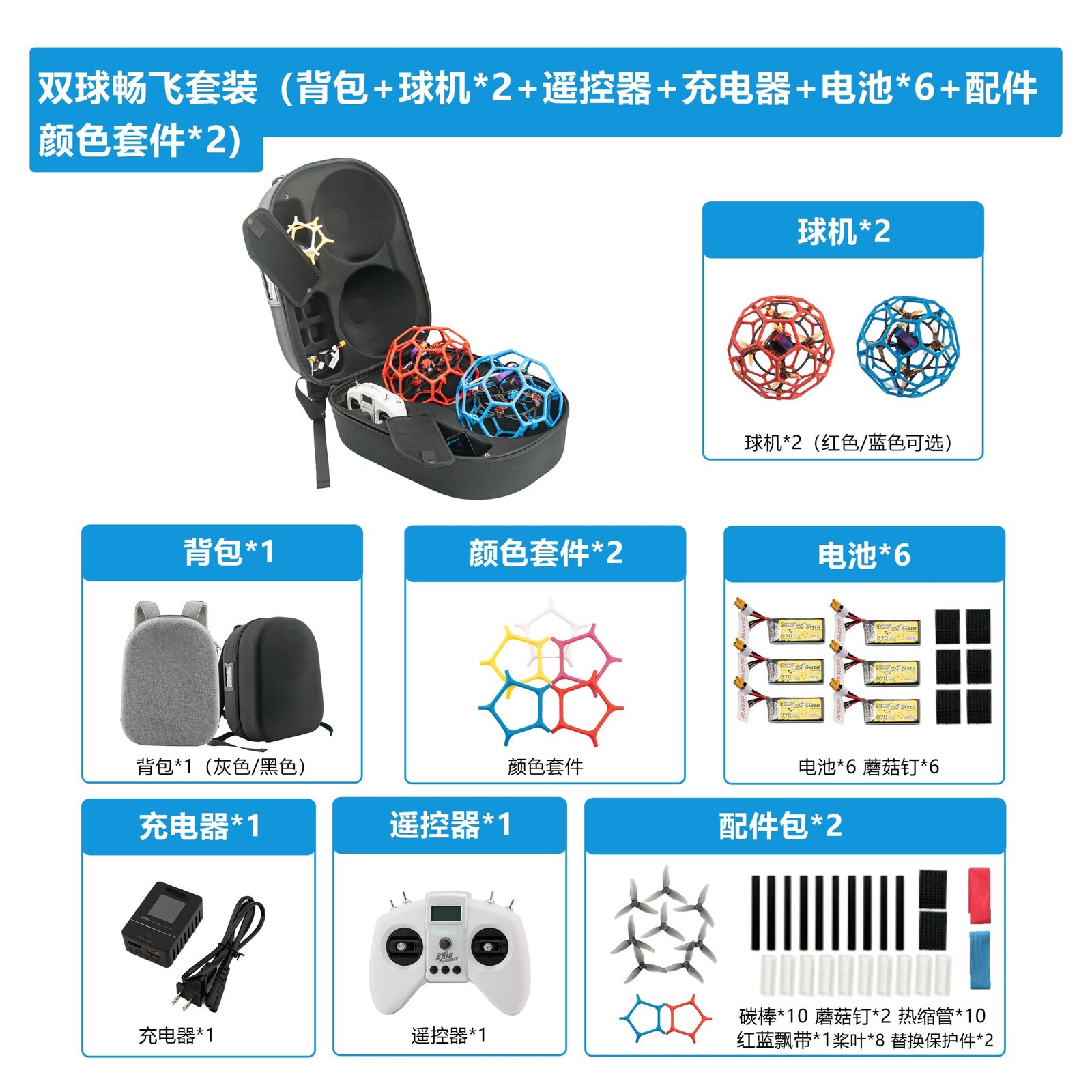
Which drone soccer kit components can be customized?
Most customization falls into three layers: performance components, identification and packaging, and documentation. Separating these layers helps you decide what is worth changing and what should stay standard.
Performance and structural components
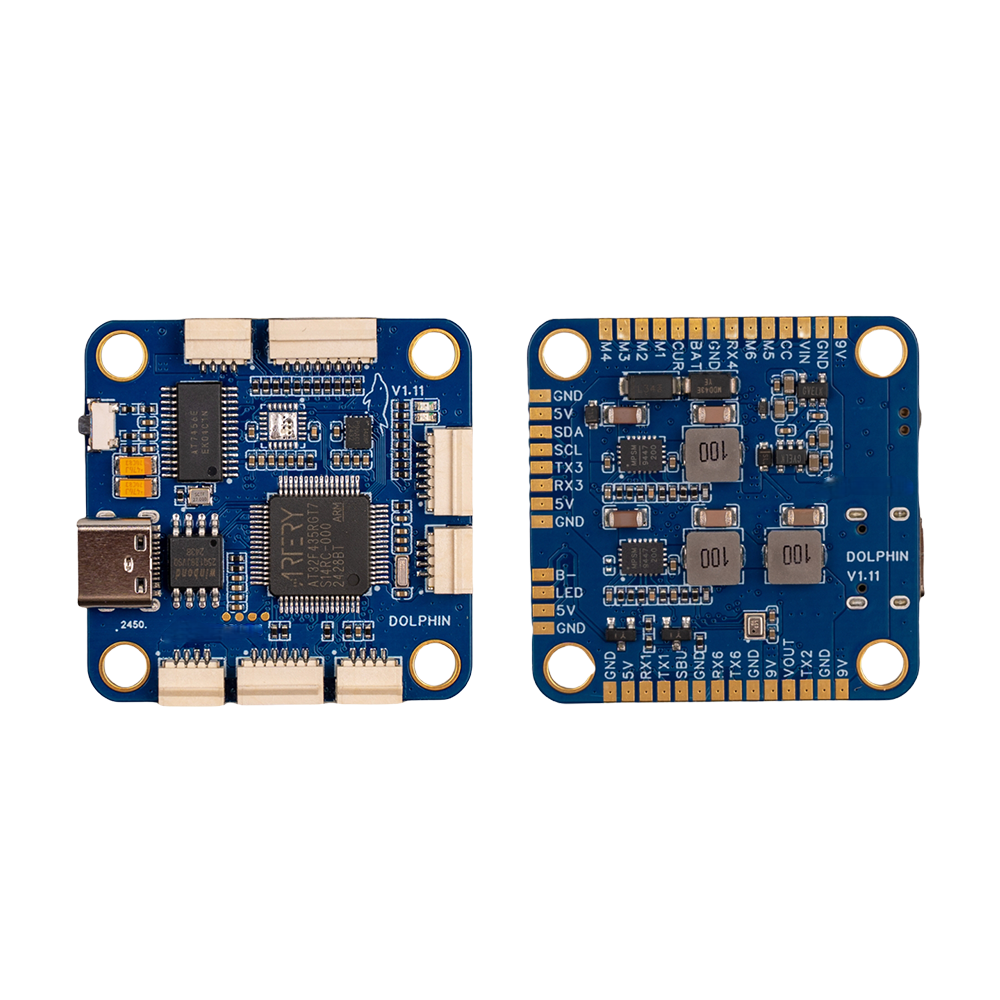
These include the airframe and protective cage, motor and propeller combination, flight controller, radio, battery connector and the ball. Each change can affect flight time, durability and repair cost.
Change performance parts only when you have a clear reason, such as a local league rule, a price target or a repair-rate problem. Every structural change should be validated with samples before production.
Branding, color and packaging
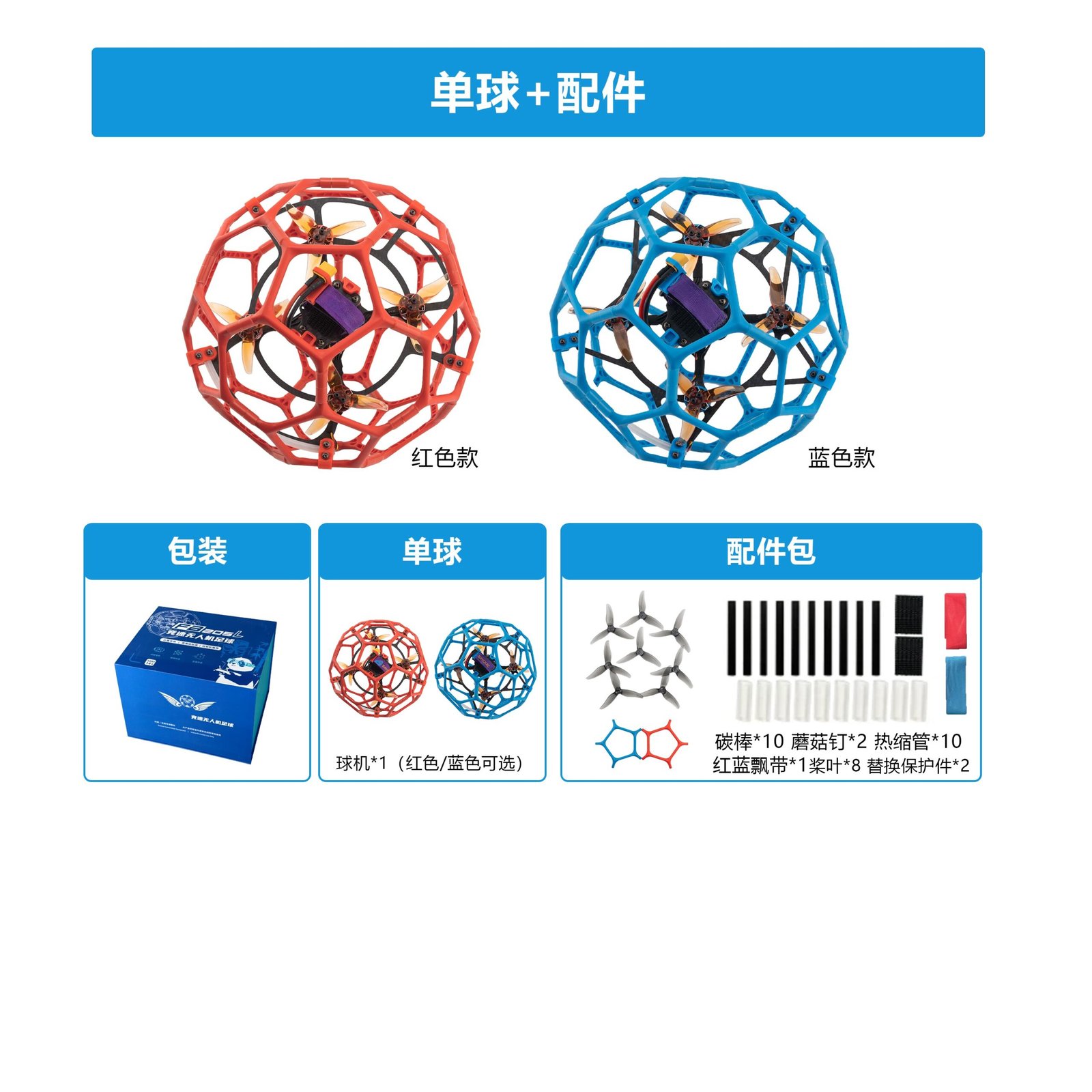
Logo placement, shell color, ball color, retail box printing, insert cards and QR labels are common customization requests. These changes rarely affect flight performance, which makes them a practical first step for private label programs.
If your plan is a branded kit without structural change, review private label drone parts and logo and packaging customization before requesting samples.
Documentation and training material
Manuals, safety sheets, quick-start cards and coaching guides can be localized into your market’s language. For schools and youth programs, clear documentation often matters more than cosmetic branding, because coaches and teachers need to run sessions without technical support.
Ask whether the factory can supply editable source files or only printed versions. Editable files let you update content later without a new print run.
OEM vs ODM vs partial customization: comparison
The table below summarizes how the main options differ. Treat it as a planning framework, not a quotation. Actual terms depend on your specification and the factory’s current capability.
| Factor | Full OEM | ODM with branding | Partial customization |
|---|---|---|---|
| Design ownership | Buyer | Manufacturer | Shared |
| Typical starting point | Drawings or reference sample | Existing catalog platform | Existing platform plus selected options |
| Development effort | High | Low | Medium |
| Tooling cost risk | Usually borne by buyer | Usually avoided | Depends on the change |
| Time to first shipment | Longest | Shortest | Moderate |
| Best fit | Technical importers, established brands | Distributors, clubs, schools | Distributors testing a market |
| Spare-parts complexity | Highest | Lowest | Moderate |
One practical note: the more you customize, the more you own the spare-parts problem. A branded ODM kit usually shares parts with the standard platform, while a fully custom airframe may need dedicated spares for years.
How to choose between OEM and ODM for your program
Choose ODM when speed, lower risk and predictable spare parts matter most. Choose OEM when a differentiated design is central to your brand or when local rules require a specific configuration.
Schools and youth programs usually prioritize safety documentation, durability and easy repair over unique design. Distributors usually prioritize margin, packaging and a clear spare-parts program. OEM and ODM decisions should follow those priorities, not the other way around.
If you are new to importing, the how to place an order guide explains the typical sequence from inquiry to production.
Questions to ask before committing
- Which parts are shared with your standard platform, and which are unique to my order?
- Can you provide a written bill of materials with part numbers?
- What changes require new tooling, and who pays for it?
- How are firmware and radio settings handled after delivery?
- What documentation is included, and in which language?
Planning a branded drone soccer kit? Share your target configuration, annual volume estimate and destination market. DPF can review the project and advise which OEM or ODM path fits. Request an OEM / Wholesale Quote.
Common mistakes in drone soccer OEM and ODM projects
Most problems come from comparing quotes that describe different products, or from underestimating the spare-parts and documentation workload.
- Comparing prices without specifications. A lower quote may exclude the ball, battery, charger or spare propellers.
- Customizing before selling. New brands often order a unique airframe before confirming that the standard platform sells in their market.
- Ignoring spare parts. Clubs break propellers and cages. If spares are not planned, the kit becomes unusable.
- Skipping sample validation. Always test a sample kit under realistic session conditions before bulk production.
- Assuming compliance is automatic. Radio, battery and labeling rules differ by country. Confirm requirements with your own compliance advisor.
- Leaving documentation until the end. Manuals and training material take time to translate and review.
Buyer checklist for drone soccer kit procurement
Use this checklist before placing a production order. It is written for importers, distributors and program buyers.
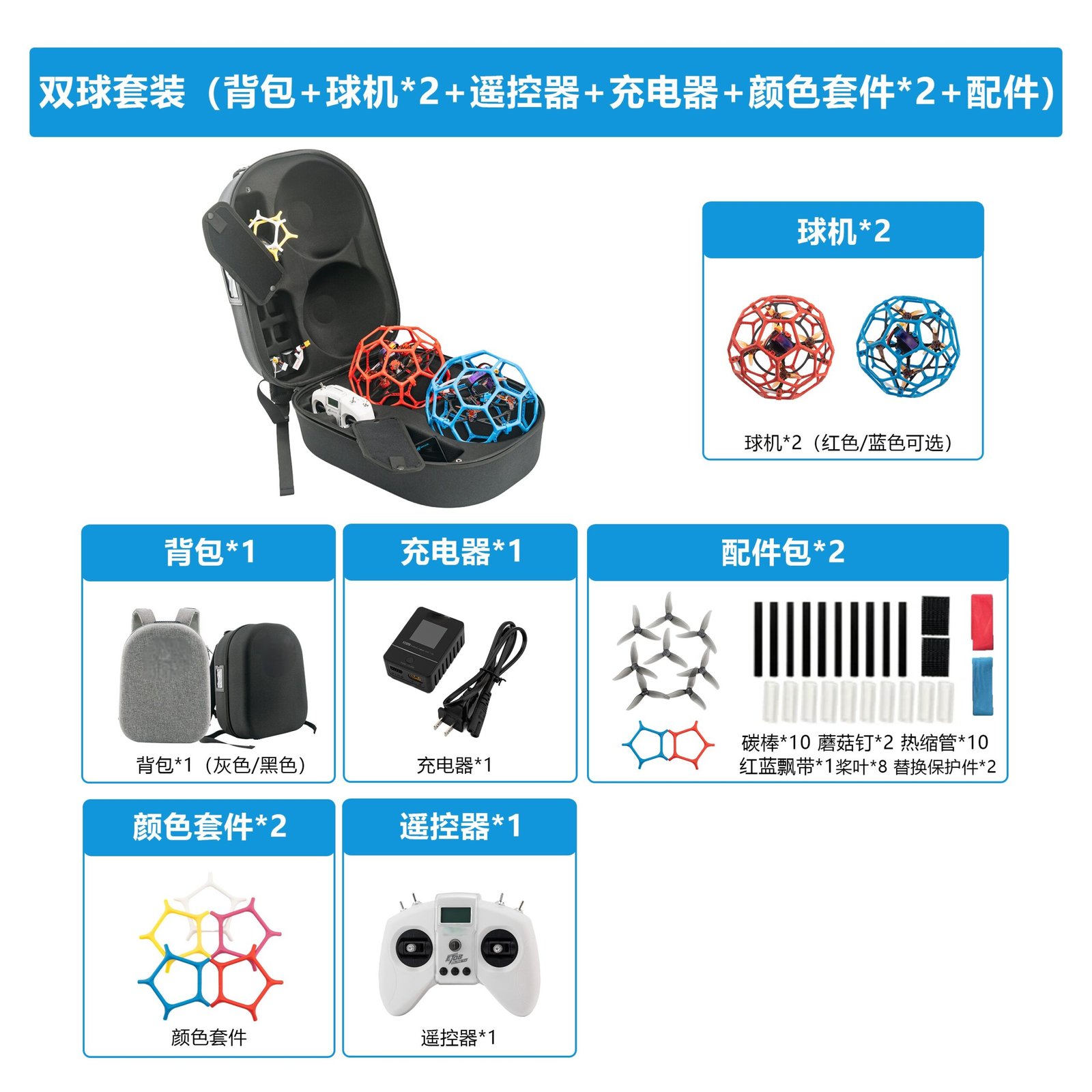
- Define the kit contents in writing: drones, balls, goals, chargers, spare propellers, tools and carry case.
- Confirm the target user: youth beginner, school program or competitive club. Each needs different durability and documentation.
- Request a sample kit and test it with your actual players or coaches.
- Ask for a written bill of materials and a spare-parts price list.
- Confirm branding files, print colors and packaging dimensions in a digital proof.
- Clarify who owns tooling and design files if you move to full OEM.
- Confirm battery shipping documentation and labeling requirements for your market.
- Agree on inspection criteria, packaging method and carton labeling before production.
- Ask what happens if a batch fails inspection.
- Plan the first reorder before the first shipment arrives.
For larger programs, discuss bulk production scheduling early, because component availability can affect delivery windows.
Frequently asked questions
What is the difference between drone soccer OEM and ODM?
OEM means the buyer owns the design and the factory builds to that specification. ODM means the factory owns the design and the buyer selects an existing platform, then applies branding or limited changes. Both can include packaging and documentation work.
Can I put my logo on a drone soccer kit without a full redesign?
Usually yes. Logo printing, shell color, ball color and retail packaging are common ODM-level changes. The exact options depend on the platform and the factory’s printing and molding setup, so request a proof before production.
What is the minimum order quantity for a custom drone soccer kit?
MOQ depends on the level of customization, the components involved and whether new tooling is required. There is no universal number. Ask for the MOQ for your specific configuration and confirm it in writing before paying a deposit.
Should I choose OEM or ODM for a school program?
Most school and youth programs are better served by ODM with localized documentation, because spare parts and training materials are easier to maintain. Choose OEM only if a specific design or rule requirement cannot be met by an existing platform.
Who pays for tooling in a drone soccer OEM project?
This is negotiable and depends on expected volume and whether the tool can be reused for other customers. Clarify tooling cost, ownership and whether it is refundable against future orders, and put the agreement in writing.
How long does an OEM or ODM drone soccer project take?
Timelines vary widely with the scope of change, sample rounds and component availability. Ask for a milestone schedule covering sampling, approval and production, and treat it as an estimate rather than a guarantee.
Can DPF supply spare parts separately from complete kits?
Spare-parts availability depends on the platform and current stock. Ask for a written spare-parts list with part numbers and request confirmation of supply for the expected life of your program.
Conclusion
Drone soccer OEM and ODM options range from simple private-label branding to fully custom kit development. For most distributors, schools and youth programs, the practical sequence is to start with an ODM platform plus packaging and documentation, validate it with real users, and move toward deeper customization only when volume and market feedback justify it.
Whatever path you choose, the same discipline applies: define the kit in writing, validate a sample, plan spare parts, and confirm every commercial term before production. This protects your margin and your program’s ability to keep flying.
Next step: send your target configuration, annual volume estimate and destination market. Request an OEM / Wholesale Quote.