Quick summary
Yes, private-label ELRS receivers are available through OEM/ODM manufacturing, which means a supplier can produce or configure receivers for your own brand rather than selling only under the factory’s brand. The exact scope depends on the supplier: branding may cover the label and packaging, or extend to firmware naming, receiver presets, connector choices and retail-ready bundles. Because ExpressLRS is open-source, technical customisation usually works best when your supplier follows the public firmware conventions and documents what it changes. Before committing, confirm the branding scope, firmware policy, packaging, testing reports, MOQ, lead time and warranty in writing.
Key Takeaways
- Private-label ELRS receivers let importers, distributors, teams and integrators sell or deploy receivers under their own brand instead of a factory brand.
- Customisation can range from a simple label change to firmware naming, connector selection, packaging and kit configuration.
- Because ExpressLRS is open-source, ask your supplier how it handles firmware versions, licensing and update paths.
- Confirm in writing: MOQ, lead time, warranty, testing method, packaging artwork, labelling and firmware change control.
- Start with samples and a pilot batch before scaling, and request written confirmation before relying on any commercial term.
What does “private-label ELRS receiver” mean in practice?
A private-label ELRS receiver is a receiver manufactured or configured so that your brand, part number and packaging appear on the product instead of the factory’s own brand. ELRS stands for ExpressLRS, an open-source radio control link protocol used widely in FPV (first-person view) drones, drone soccer and youth STEM programs.
Private label is not one single product. It is a commercial arrangement. The supplier may use an existing receiver design and apply your branding, or it may offer deeper customisation such as different antennas, connectors, firmware presets or bundled accessories.
For a school or club, private label may be less about retail branding and more about standardising the receivers your students use, so every class kit is identifiable and replaceable. For a distributor, private label usually means a retail-ready product with your own packaging and part numbers.
What can actually be customised on a private-label ELRS receiver?
The honest answer is: it depends on the supplier and the receiver design. Below is a practical breakdown of common customisation areas, with what to ask for in each case.
| Customisation area | Typical scope | What to confirm in writing |
|---|---|---|
| Product label / marking | Your brand name, part number, revision code | Label artwork, placement, durability test method, whether label change affects warranty |
| Packaging | Retail box, anti-static bag, insert card, barcode | Artwork files, print method, barcode format, MOQ per packaging variant |
| Firmware naming / preset | Default binding phrase, model name or preset naming | How firmware is built and flashed, whether changes stay compatible with ExpressLRS updates |
| Connectors / antennas | Antenna type, connector style, wire length | Which options are standard, which require tooling or new MOQ |
| Bundled kits | Receiver plus antennas, cables or mounting hardware | Kit contents list, packing method, per-kit cost and MOQ |
| Documentation | Quick-start card, wiring diagram, binding instructions | Who writes and translates content, approval process, version control |
Firmware deserves special attention. ExpressLRS is developed as an open-source project, and its ecosystem expects devices to follow shared conventions. Ask your supplier how they handle firmware versions, whether they publish source or configuration changes, and how a customer updates the receiver later. If the answer is unclear, treat that as a risk.
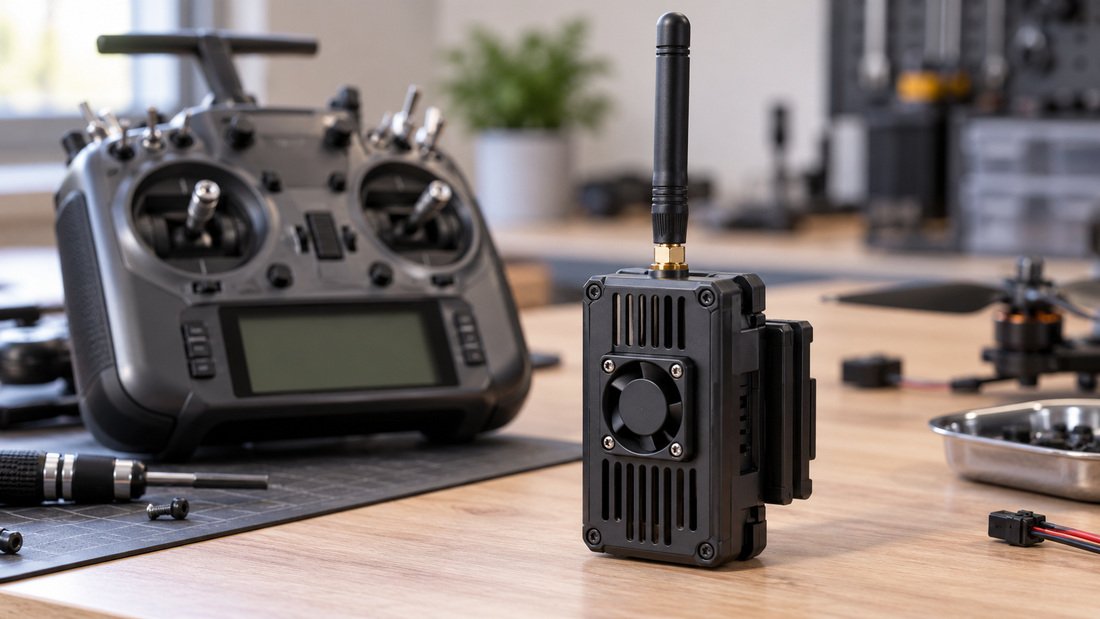
Branding-only vs deeper OEM/ODM
Branding-only private label is the fastest route: the supplier uses an existing receiver and applies your label and packaging. Deeper OEM/ODM may involve firmware presets, connector changes, new antennas or a revised board layout.
Deeper changes usually increase MOQ, tooling cost and lead time. If your priority is speed to market, start with branding-only and move to deeper customisation only when volumes justify it.
If you are new to this model, the OEM/ODM service overview is a useful starting point for understanding the general workflow.
Why buyers ask for private-label ELRS receivers
Different buyer types have different reasons. Understanding your own reason helps you decide how much customisation you actually need.
- Importers and distributors: build brand recognition, control pricing and avoid competing directly with the factory’s own brand.
- Solution integrators: match receiver part numbers to the systems they install and support.
- Schools and youth programs: standardise classroom kits so receivers are easy to identify, replace and inventory.
- Drone soccer teams and clubs: keep spare parts consistent across a fleet and simplify reordering.
- Event organisers: supply participants with clearly branded, consistent hardware.
Private label also helps with after-sales support. When your brand is on the product, you control the documentation, the spare-parts list and the customer relationship.
How to evaluate a private-label ELRS receiver supplier
Use a structured evaluation instead of comparing only unit price. The cheapest quote often carries the highest hidden cost in firmware confusion, packaging rework or inconsistent batches.
Questions to ask before requesting a quote
- Which receiver designs are available for private label, and which are not?
- Can you provide samples with my branding before mass production?
- How is firmware built, flashed and version-controlled?
- What is the MOQ for branding-only versus full OEM/ODM?
- What testing is performed on each unit, and what report do I receive?
- What is the warranty period and what does it cover?
- What is the production lead time after artwork approval?
- Who owns or controls the artwork, tooling and firmware configuration?
Ask for answers in writing. Verbal assurances are difficult to enforce later, especially across language and time-zone differences.
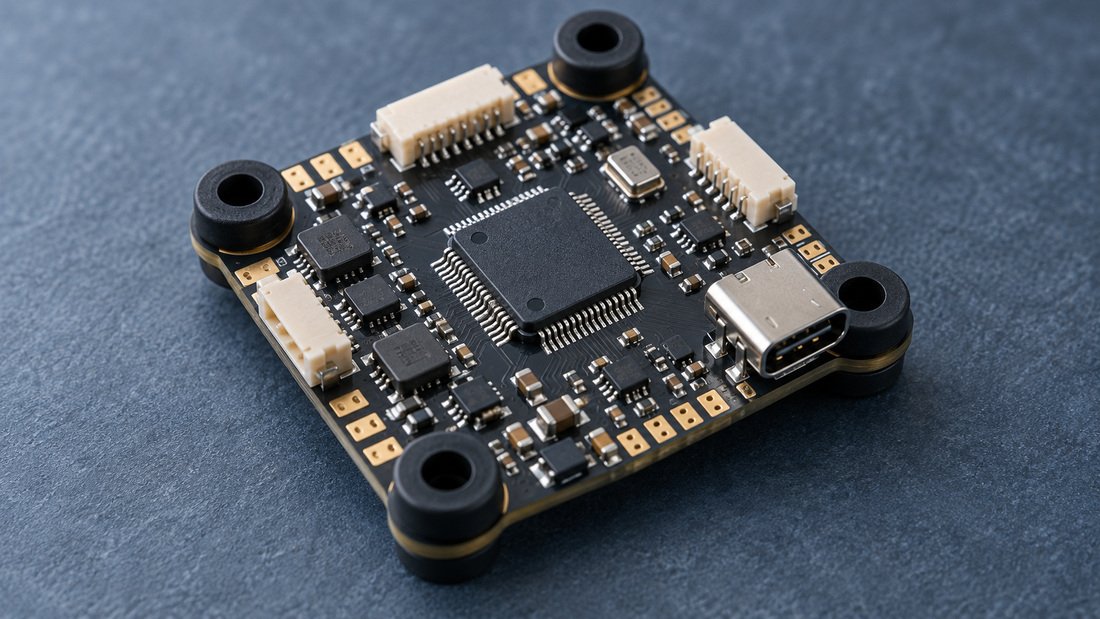
Private-label ELRS receivers in a wider FPV parts programme
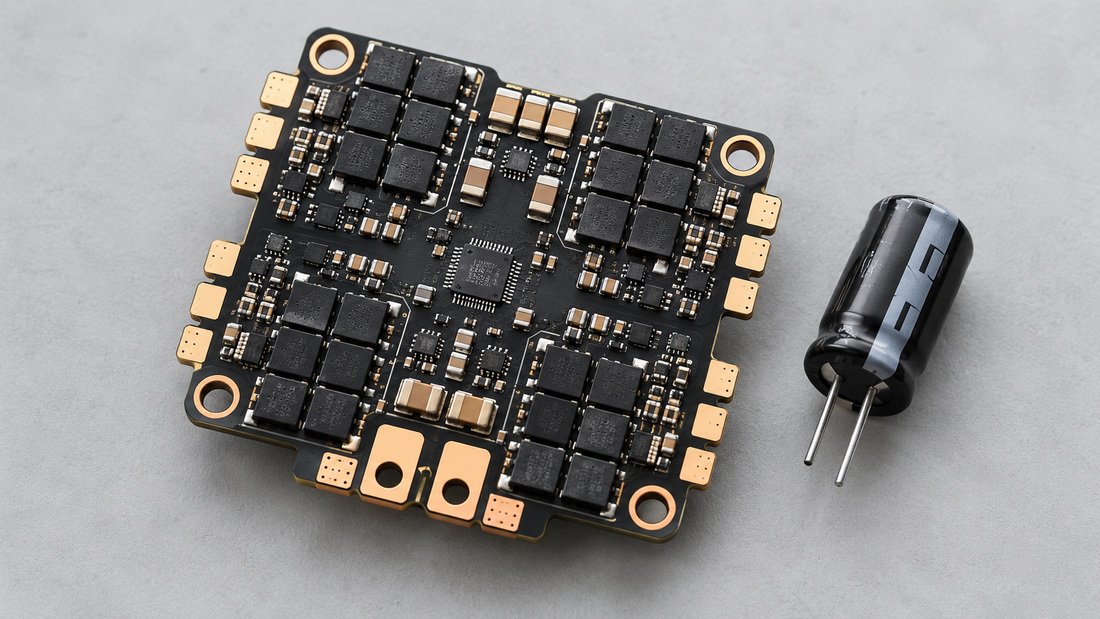
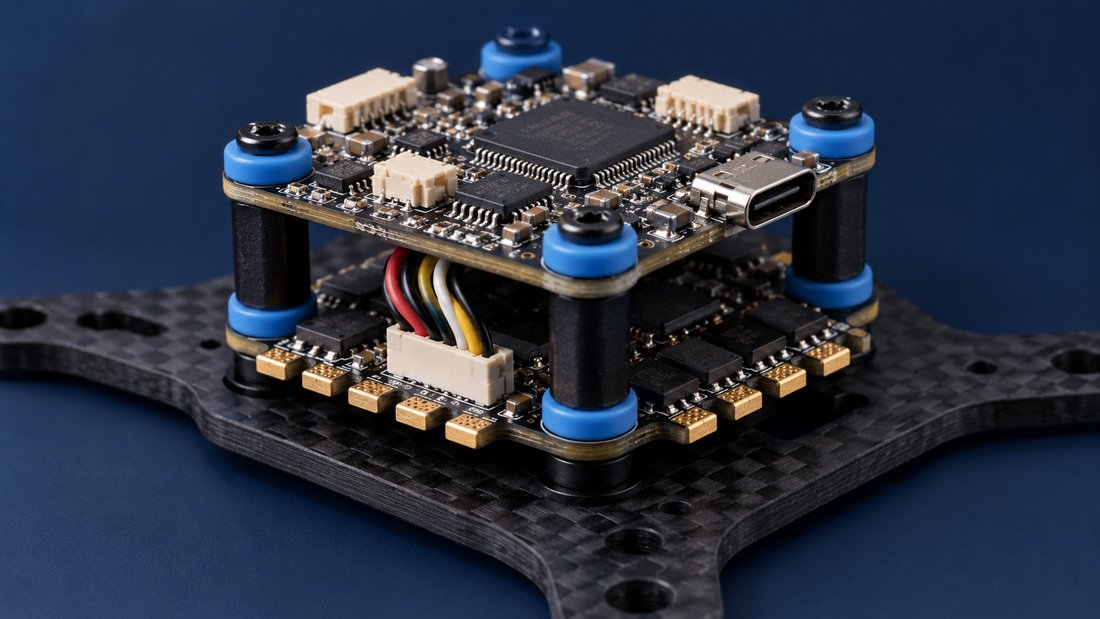
Most B2B buyers do not order receivers alone. A distributor or integrator typically bundles receivers with transmitters, flight controllers, ESCs (electronic speed controllers), motors, frames and power combos. Private label becomes more valuable when the same brand appears across the whole bundle.
This is why many buyers extend private-label FPV parts across multiple product lines rather than treating receivers as a one-off. Consistent branding, part-number logic and packaging reduce confusion for end users and simplify your own inventory.
If you plan to scale across several product lines, review how private label drone parts programmes are structured, and how bulk production is typically planned.
Firmware and open-source considerations
ExpressLRS is an open-source project with an active community. That is good for buyers because it means a broad ecosystem and shared update paths, but it also means your supplier should be transparent about firmware.
Ask how firmware changes are documented, whether the receiver can be updated through standard ExpressLRS tools, and how your branding interacts with firmware naming. If a supplier locks firmware in a way that prevents standard updates, that is a question to resolve before ordering.
You do not need to be a firmware developer to ask these questions. You need a written answer you can share with your technical team or your customers.
Common mistakes when sourcing private-label ELRS receivers
- Treating private label as only a sticker. Packaging, documentation and firmware naming often matter more to end users than the label itself.
- Not confirming firmware policy. If firmware updates are unclear, after-sales support becomes difficult.
- Skipping sample approval. Always approve a physical sample before mass production.
- Ignoring MOQ tiers. Branding-only and deeper OEM/ODM often have different MOQs.
- Ordering without a written specification. A written spec protects both sides if a batch is disputed.
- Assuming lead times. Lead times vary by season, component availability and customisation depth; confirm each time.
- Forgetting the bundle. Receivers are usually sold with other parts; plan branding across the whole kit.
Buyer checklist for private-label ELRS receiver orders
Use this checklist before placing a production order. It is written as general guidance; your supplier’s confirmed terms always take precedence.
- Define the product: receiver type, connector, antenna and intended use.
- Define the branding scope: label, packaging, documentation, firmware naming.
- Request samples with your branding and approve them in writing.
- Confirm MOQ for each variant, including packaging differences.
- Confirm unit testing method and the report you will receive.
- Confirm warranty period, coverage and return process in writing.
- Confirm production lead time from artwork approval.
- Confirm payment terms, Incoterms and shipping method.
- Confirm how firmware updates will be handled after delivery.
- Confirm ownership of artwork, tooling and firmware configuration.
- Plan a pilot batch before scaling to full volume.
- Document everything in a single approved specification sheet.
If you want to understand how customisation requests are handled step by step, see how to place an order.
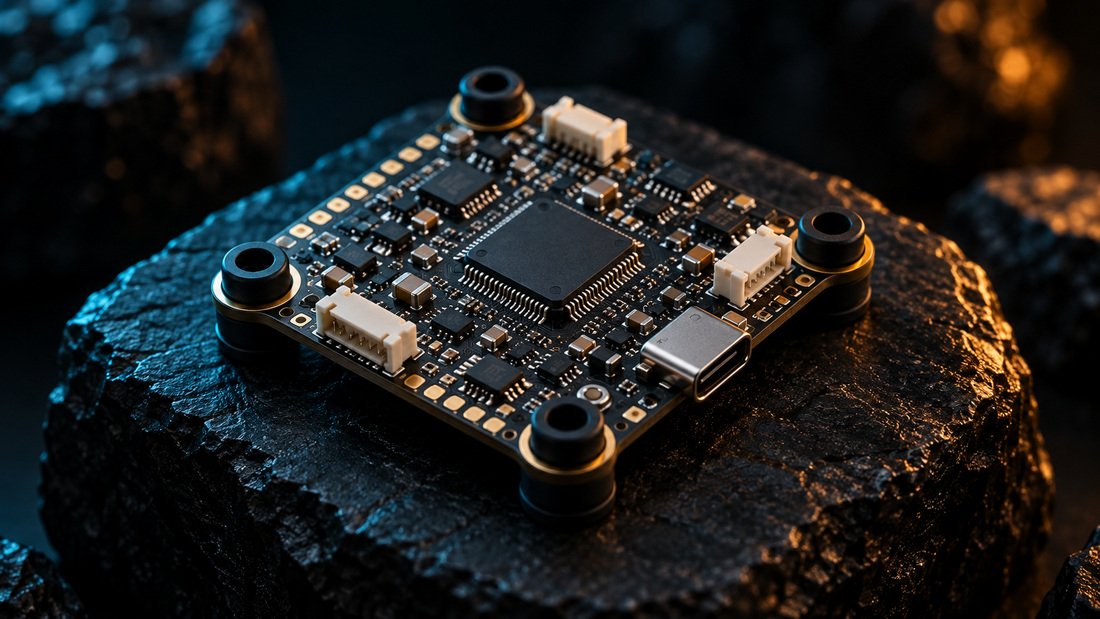
Interested in private-label ELRS receivers for your programme?
If you are sourcing receivers for distribution, a school programme, a drone soccer league or an integration project, the next step is a scoped conversation rather than a generic price list. Bring your target quantity, branding scope, packaging requirements and firmware questions.
Review the available logo and packaging customization options, then start an OEM/ODM discussion with a clear specification.
Request an OEM / Wholesale Quote
FAQ
Can I put my own brand on ELRS receivers?
Yes, private-label ELRS receivers are a common OEM/ODM arrangement. The supplier applies your brand to the product, packaging and documentation. Confirm the exact scope, MOQ and lead time in writing before ordering.
Does private label change the ExpressLRS firmware?
It can, but it does not have to. Some suppliers only change the label and packaging, while others adjust firmware naming or presets. ExpressLRS is open-source, so ask how your supplier handles firmware versions, updates and documentation.
What is the minimum order quantity for private-label ELRS receivers?
MOQ depends on the supplier, the receiver design and how much customisation you need. Branding-only orders usually have lower MOQs than full OEM/ODM changes. Request the MOQ for each variant in writing.
Can I get samples with my branding first?
Many suppliers offer samples for approval before mass production. Ask specifically whether the sample includes your label, packaging and firmware configuration, and approve it in writing.
How long does production take?
Lead time varies with customisation depth, component availability, season and order volume. Ask for a written lead time measured from artwork approval, and confirm it again before each production run.
Can schools and drone soccer clubs order private-label receivers?
Yes. Schools, youth programs and clubs often private-label receivers to standardise kits and simplify reordering. Smaller programmes may combine orders or start with branding-only customisation.
What should I confirm before paying a deposit?
Confirm the approved sample, product specification, branding scope, firmware policy, testing method, warranty, MOQ, lead time, payment terms and shipping terms. Keep all of it in a single written document.
Conclusion
Private-label ELRS receivers are a practical option for importers, distributors, integrators, schools, clubs and event organisers who want their own brand and consistent part numbers. The technology is open and widely used, but the commercial details are where projects succeed or fail.
Focus your evaluation on branding scope, firmware policy, sample approval, testing, warranty, MOQ, lead time and written documentation. Start with samples and a pilot order, then scale once the specification is proven.
Ready to move forward? Request an OEM / Wholesale Quote with your target quantity, branding requirements and firmware questions.