Quick summary
When a drone soccer ball hits a net, the net absorbs most of the energy and the ball usually drops or bounces back without breaking, though props, guards, and the frame can bend if the ball entered at speed. When it hits a player, the outcome depends on impact speed, distance, and whether the player is wearing approved eye protection: the outer cage spreads the force, but a direct hit to an unprotected face or a battery that ejects is the main hazard. Most rulebooks treat ball-to-player contact as a stoppage, not a scoring event, and require the drone to be checked before it flies again.
Key Takeaways
- Nets are designed to absorb energy, but repeated high-speed hits still stress prop guards, motor mounts, and the frame’s outer ring.
- Player contact is a rules and safety issue, not just a hardware issue; the referees’ decision usually depends on speed, location, and whether the drone stayed intact.
- Eye protection and a protected battery bay are the two most important player-side protections.
- After any hard impact, a short inspection (props, guards, battery latch, motor screws) prevents a small crack from becoming an in-flight failure.
- Buyers should request the organizer’s rulebook, field dimensions, and impact-test expectations in writing before choosing a ball or kit.
What actually happens on impact: the physics in plain terms
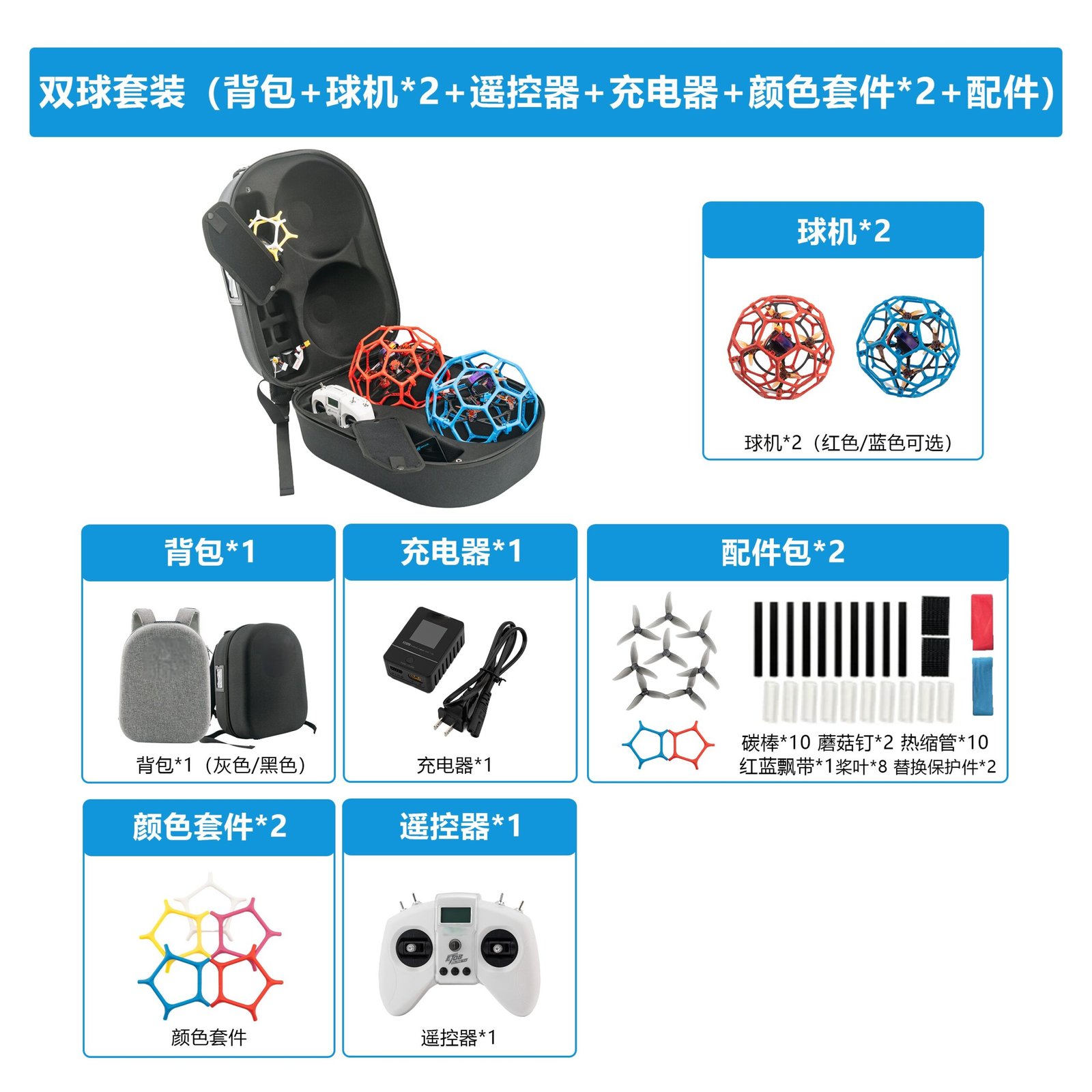
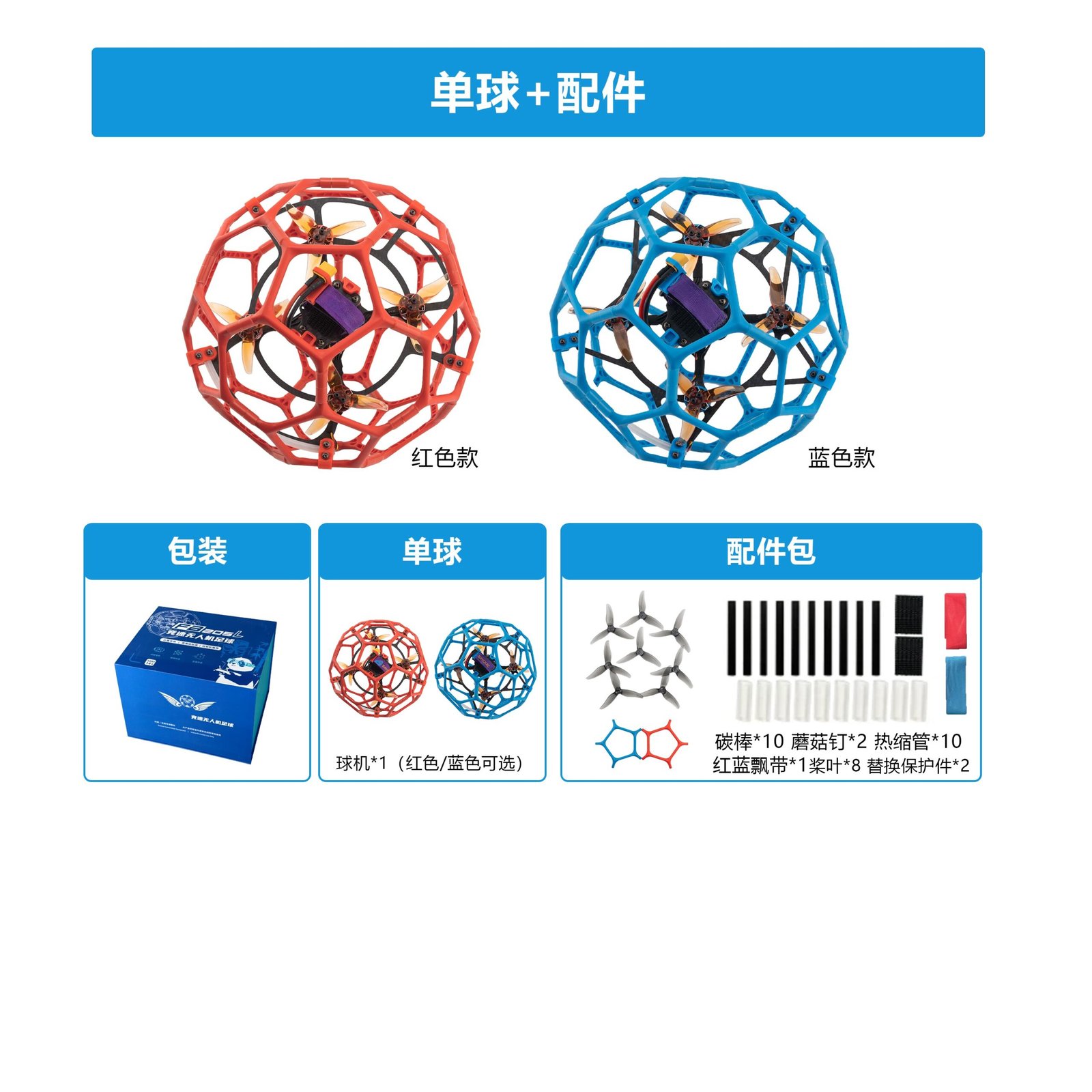
A drone soccer ball is a small quadcopter inside a protective spherical cage. In the standard format, the ball is roughly 20 cm in diameter and weighs around 180 g, though exact figures vary by class and organizer. When it travels at speed, its kinetic energy is what matters — not just its weight.
Kinetic energy rises with the square of velocity. Doubling speed roughly quadruples the energy the net, cage, or player must absorb. That is why a slow practice pass feels harmless while a full-power shot into the net can audibly flex the frame.
Three things absorb that energy:
- The net: mesh stretches and deflects, converting motion into heat and noise. A properly tensioned net returns the ball gently; an over-tight net transfers more shock into the ball and the goal frame.
- The outer cage: the spherical shell spreads force across a wider area and keeps props away from fingers and faces.
- The airframe and mounts: motors, arms, and the central plate take the residual load. These are the parts most likely to show fatigue over a season.
For teams comparing ball designs, the useful question is not “which is strongest” but “which cage geometry and mount system keeps the electronics protected after repeated net hits.” DPF’s drone soccer systems are built around that serviceability question.

What happens when the ball hits the net
Net contact is the most common impact in a match. The ball strikes the mesh, the mesh stretches, and the ball is slowed over a short distance. You will usually see one of three outcomes: the ball drops to the floor, it rebounds into play, or it spins off to the side depending on the angle of contact.
From a rules perspective, a ball that enters the goal area and contacts the net is normally scored by the referee’s signal, not by the impact itself. The impact is a mechanical event; the score is a judgment call. Teams should confirm in the organizer’s rulebook whether a ball that rebounds out after touching the net still counts.
From a hardware perspective, net hits are cumulative. A single hit is rarely dramatic, but a full day of matches can mean dozens of high-energy contacts per ball. The parts that tend to show wear first are:
- Propeller tips and blades, which can chip or crack.
- Motor mounts and arm joints, which can loosen.
- The outer cage’s connection points, which can develop hairline cracks.
- Battery latches, which can wear and allow movement.
This is why many programs treat the ball as a consumable that needs a maintenance schedule, not a permanent asset. That approach is common in drone soccer competitions, where a spare ball on the bench is standard practice.
What happens when the ball hits a player
Player contact is a different category. The ball is usually slower near players than near the goal, but the risk profile changes because the impact is against a person, not equipment.
In most organized play, the ball is required to stay below a certain altitude and within the field boundaries. When it leaves the field or contacts a player, the referee typically stops play. The exact ruling — whether the point stands, whether there is a penalty, or whether the ball is simply reset — depends on the organizer’s rulebook.
The two things that most affect the outcome of player contact are:
- Eye protection: safety glasses or goggles are widely required for anyone on the field. A spinning propeller is the main risk if the cage is damaged or the ball approaches at an unusual angle.
- Battery containment: if a battery ejects on impact, it becomes a separate hazard. A secure latch and a protected bay reduce that risk.
Players and coaches should also know what to do after contact: stop, do not pick up a ball with spinning props, and hand it to a referee or technician for inspection. Trying to catch a moving ball is one of the most common avoidable mistakes.
How impact outcomes compare across scenarios
The table below summarizes typical outcomes. It is general guidance based on how these systems are commonly built; actual results depend on speed, angle, and the specific rulebook in use.
| Impact scenario | Energy absorbed by | Likely damage | Typical rules response |
|---|---|---|---|
| Low-speed net contact | Net mesh | Usually none | Play continues; ball may be reset |
| High-speed net contact | Net, then cage and mounts | Prop chips, loose mounts, cage cracks | Goal signal; ball inspected if visibly damaged |
| Ball hits player’s body | Cage and clothing | Rare damage to ball; possible bruise | Play stopped; referee decides restart |
| Ball hits unprotected face | Minimal absorption | High injury risk | Safety stoppage; investigation |
| Ball hits goal frame | Frame and cage | Cracked cage, damaged prop | Ball removed for inspection |
Common mistakes teams make after an impact
Most avoidable failures happen in the minutes after a collision, not during it.
- Flying a ball that has not been checked. A cracked prop or loose motor screw can fail on the next launch.
- Handling a ball with spinning props. Always wait for a full stop and disarm.
- Ignoring a slow degradation. A ball that “feels loose” after several hits often has a cracked mount.
- Assuming all organizers use the same rules. Net contact and player contact rulings vary by league and event.
- Buying balls without a spare parts plan. Cages, props, and mounts should be orderable separately.
If your program is part of a school or training organization, pairing a maintenance routine with your curriculum is the most practical approach. DPF’s STEM drone education and training materials are structured to support that kind of hands-on learning.
Buyer checklist: what to confirm before you commit
Use this list when evaluating a drone soccer ball or a full team kit. Treat every commercial term as something to confirm in writing.
- Confirm the organizer’s rulebook, including ball size, weight class, and field dimensions.
- Confirm whether cages, props, mounts, and batteries are available as separate spare parts.
- Confirm battery latch design and whether the bay protects the battery on impact.
- Request the inspection and maintenance guidance the supplier recommends between matches.
- Request samples or a pilot unit for direct impact handling experience before a full team order.
- Confirm price, lead time, MOQ, payment terms, and warranty terms in writing — these are commercial terms that should be stated explicitly by the seller for your order.
- For school and club buyers, check your local aviation authority’s guidance for educational drone use and any site-specific requirements.
Where regulatory rules fit in
Machine rules and aviation rules are separate. Drone soccer has its own field, altitude, and safety rules set by the organizer. Aviation authorities govern where and how you may fly.
In the United States, the FAA explains that drones flown for educational purposes are regulated either under the Exception for Limited Recreational Operations of Unmanned Aircraft (49 U.S.C. § 44809) or under the Small Unmanned Aircraft Systems Rule known as Part 107 (14 CFR Part 107). The FAA notes that educational and research flights may operate under § 44809 for qualifying educational organizations, and that qualifying organizations include institutions of higher education, Junior Reserve Officers’ Training Corps (JROTC) programs, and educational programs chartered by an FAA-recognized Community Based Organization. Educational organizations that do not qualify must operate under Part 107 or become chartered. Details are on the FAA’s educational users page at https://www.faa.gov/uas/educational_users.
The FAA also notes that FAA-Recognized Identification Areas (FRIAs) are locations where drones can be flown without Remote ID, and that educational institutions including primary and secondary schools, trade schools, colleges, and universities are eligible to request a FRIA. Athletic facilities used for drone soccer may therefore fall under different operational requirements depending on the site. This is US-specific guidance; teams in other jurisdictions should check their own aviation authority.
Because rules vary, the practical step for a coach or club administrator is to confirm three things in writing with the organizer: the ball and field specifications, the safety equipment required, and the reporting procedure after any player contact.
Practical maintenance after impact
A short, repeatable inspection is the most effective way to keep a ball in service.
- Disarm and remove the battery before handling.
- Inspect the outer cage for cracks or deformation.
- Check props for chips, bends, or looseness.
- Check motor screws and arm mounts for movement.
- Check the battery latch and bay for play.
- Log the impact and any part replacement so you can spot patterns over a season.
Clubs that run multiple teams often keep a small spare-parts box with cages, props, and fasteners. DPF’s drone soccer clubs page and schools and training organizations page describe how programs typically structure that inventory.
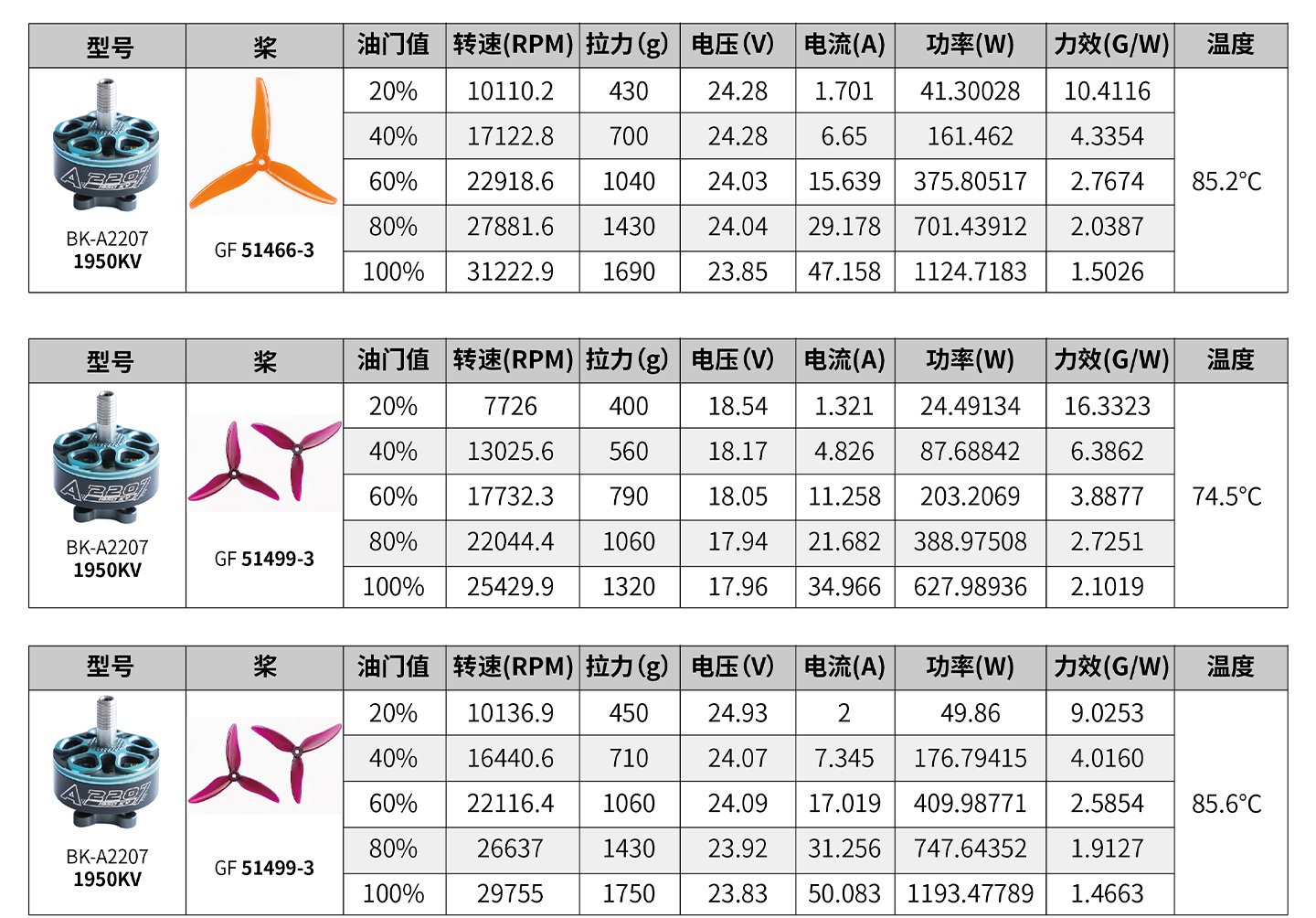
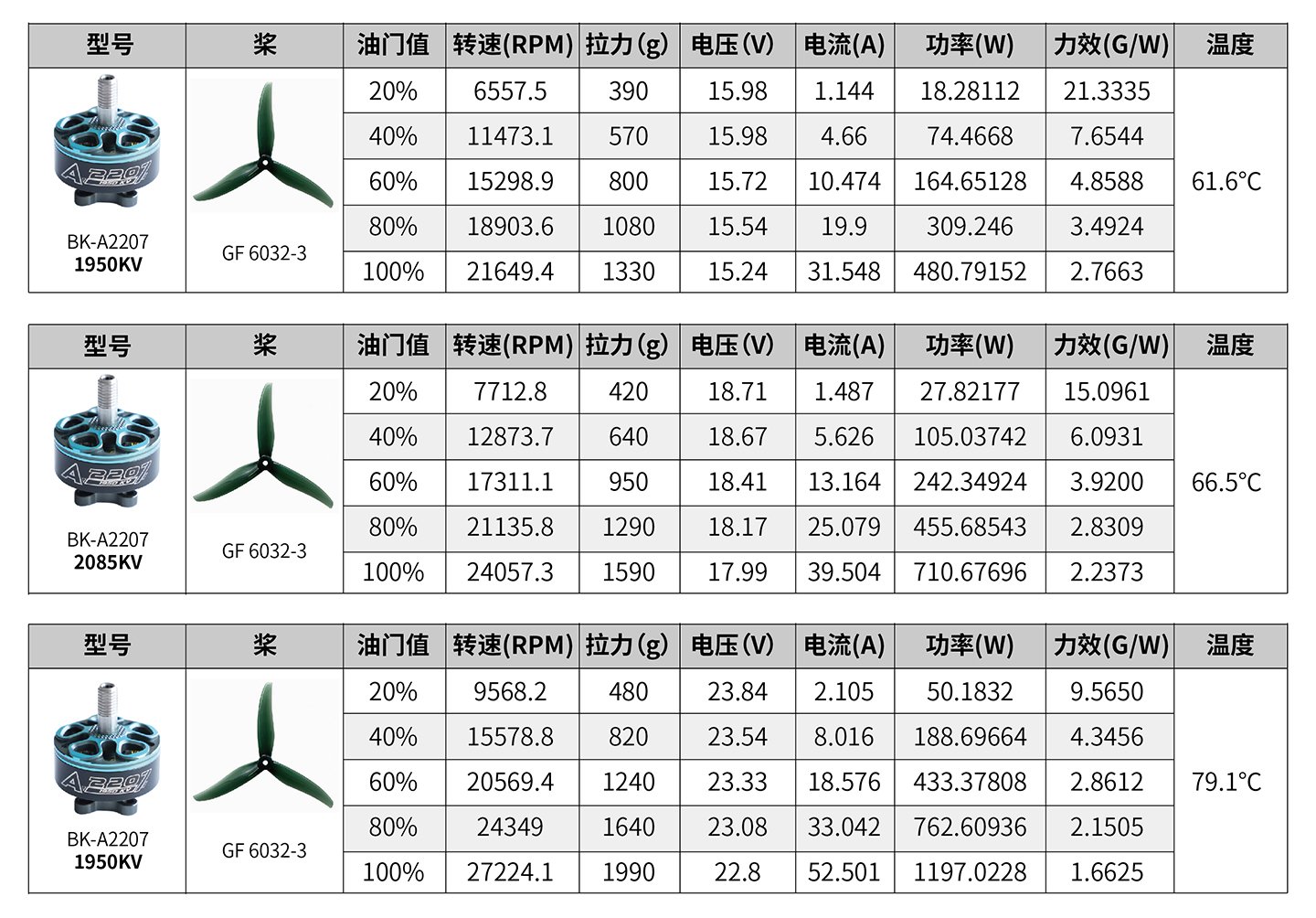
If you are sourcing for a program and want to compare ball options, motor specifications, and spare-part availability, the fastest path is a direct conversation with the supplier about your field size and match format.
Ready to equip a team? Request a Team Kit Quote and tell us your age group, field dimensions, and match format.
FAQ
Does a ball touching the net always score a goal?
No. In most formats the goal is awarded by the referee’s signal, and the rulebook defines whether the ball must fully cross a line or simply contact the net. Confirm the exact rule with your organizer.
Is a drone soccer ball dangerous to players?
At close range and low speed, the main risks are a damaged cage or a spinning propeller. Approved eye protection and a secure battery bay are the most important protections. Field rules typically restrict altitude and require safety gear.
What should a player do if the ball hits them?
Stop play for the whistle, avoid grabbing the ball while props are spinning, and let a referee or technician inspect it before it returns to play.
Can a damaged cage be repaired or must the whole ball be replaced?
It depends on the design. Many systems allow cages, props, mounts, and batteries to be replaced individually, which lowers long-term cost. Ask your supplier whether spare parts are available separately.
How do I know which ball specifications my league requires?
Ask the organizer for the current rulebook before purchasing. Specifications such as diameter, weight class, and field dimensions are set by the league or event, not by the manufacturer.
Does our team need a FRIA or Part 107 in the United States?
That depends on your organization’s status. The FAA states that qualifying educational organizations may operate under § 44809, while others must operate under Part 107. See the FAA educational users page and confirm your status with the FAA or legal counsel.
How often should balls be inspected?
A brief inspection after every hard impact, plus a scheduled check between matches, is a practical baseline. The right frequency depends on how many matches you play and how hard the ball is driven.
Conclusion
Most ball-to-net impacts are absorbed by the net and leave the ball flyable, but the wear is cumulative and shows up in props, mounts, and cage joints. Ball-to-player contact is primarily a safety and rules event: eye protection, a contained battery, and a clear stoppage-and-inspection procedure are what keep players protected. The teams that stay in service longest are the ones that inspect after impact and keep spare parts on hand rather than replacing entire balls. Before you buy, confirm the organizer’s rulebook, spare-part availability, and all commercial terms in writing. When you are ready to price a program, Request a Team Kit Quote.