Quick summary
For schools and government-funded programs, recommended after-sales spare-part packages typically bundle high-wear components used in drone soccer (BKZ) — propellers, motor sets, battery packs, ball cages and structural spares — with a small number of complete backup drones rather than individual loose parts. The right mix depends on fleet size, flight hours, repair capability and whether replacements must follow public procurement rules. A practical approach is to separate consumables, repairable modules and safety-critical parts, then request a written quotation and sample evaluation before committing to a bulk order. This article explains how to structure that package and what to verify before you buy.
Key Takeaways
- Spare-part packages should match actual wear patterns, so start by mapping which parts fail most often in school drone soccer sessions.
- For bulk procurement by schools and governments, separate consumables (propellers, batteries) from repairable modules (motors, frames) and safety-critical items (battery connectors, cages).
- Public procurement often requires written specifications, transparent pricing and documented compliance — confirm these with suppliers in advance.
- Customization such as private label and school branding can be added to spare-part orders, but verify tooling, MOQ and lead-time terms in writing.
- A small paid sample evaluation is a low-risk way to check fit, durability and compatibility before a large order.
Why schools need a structured spare-part package
A school drone soccer program is not a single pilot with one drone. It is a rotating group of students, a short flight area, and repeated collisions with a ball and arena. That environment changes the spare-part profile compared with hobby or commercial FPV use.
When a program buys one drone at a time and replaces parts reactively, lessons stop while someone orders a single propeller or connector. A structured package keeps a fixed number of backup drones and a defined bin of consumables so a damaged unit can be swapped in minutes.
The same logic applies to government-supported school networks, where one purchase may cover several campuses and must be justified in a procurement file. Standardizing spare-part kits makes budgeting, storage and inventory control easier across sites.
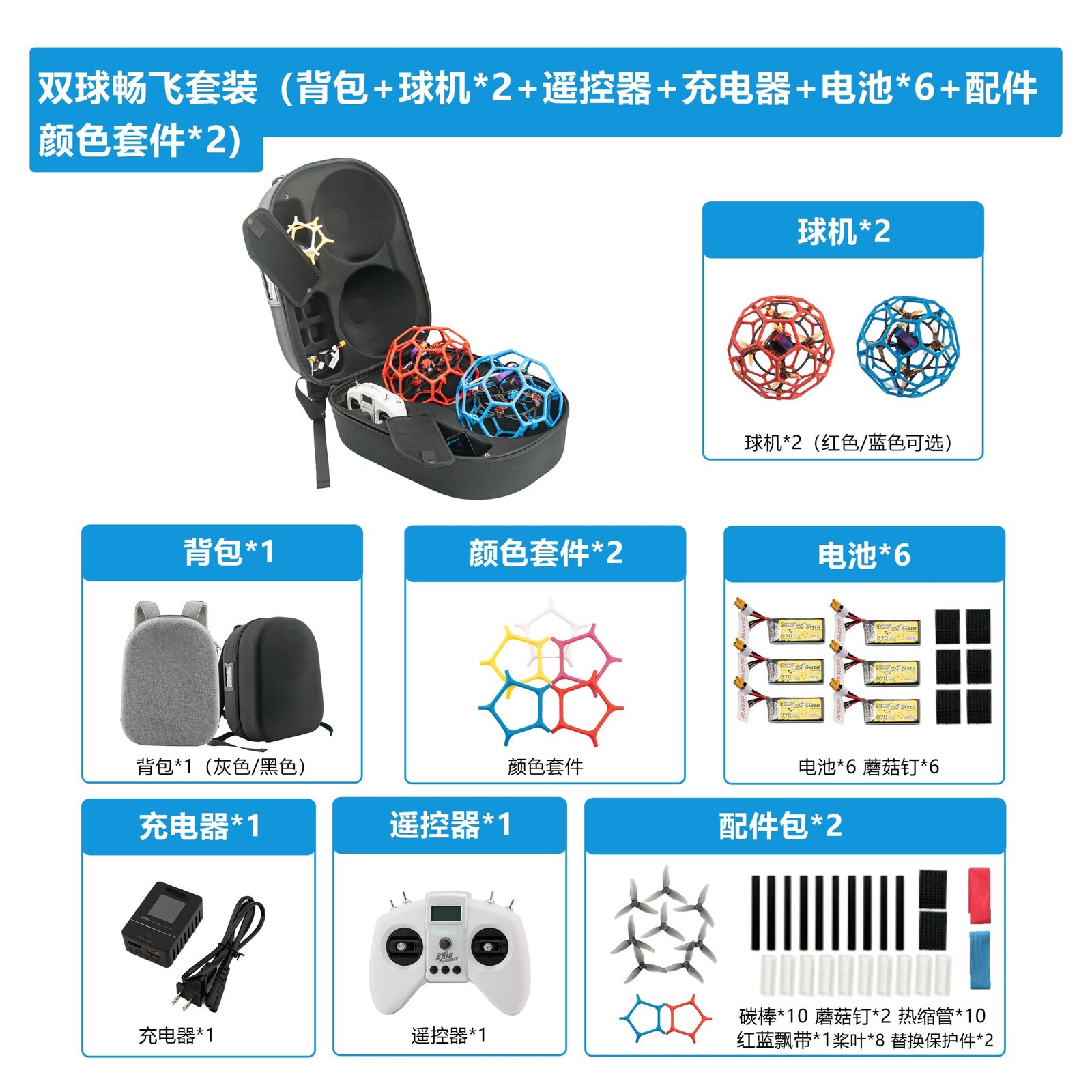
What belongs in a school after-sales spare-part package
A useful package has three layers: consumables, repairable modules and complete backup units. The exact quantities depend on fleet size and weekly flight hours, but the categories are consistent.
Consumables
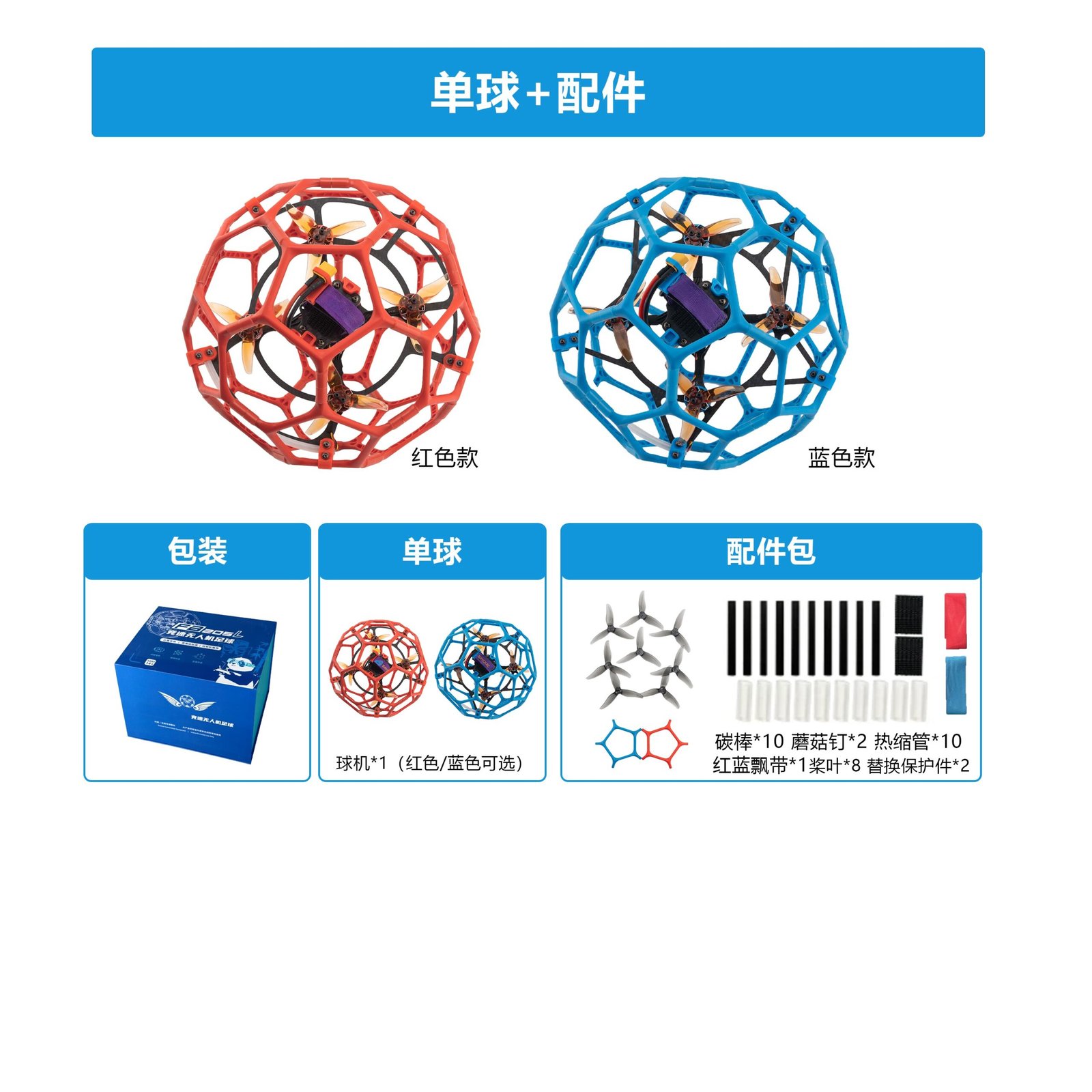
- Propellers — the most frequently replaced item in drone soccer (BKZ) because of ball contact and hard landings.
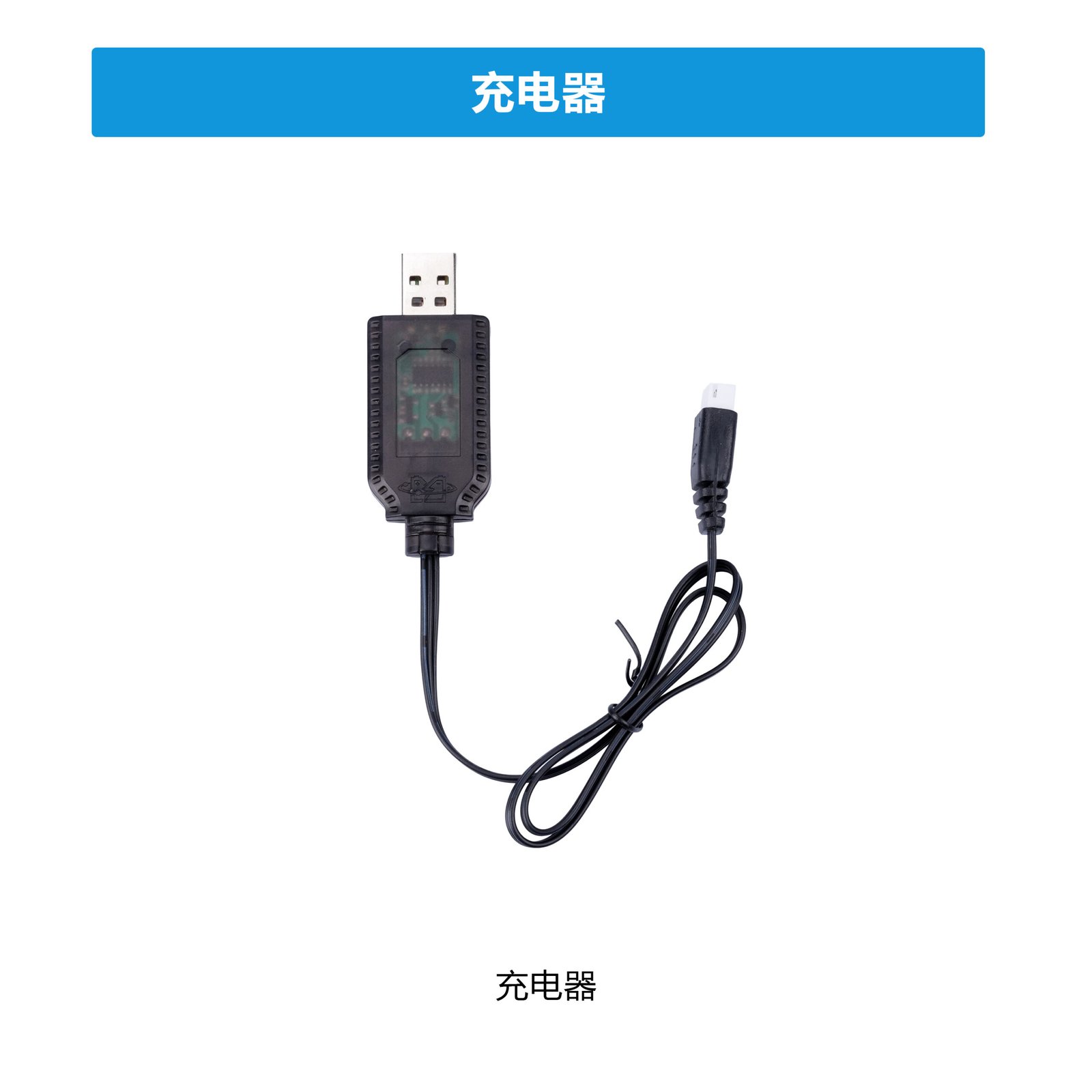
- Battery packs and charging accessories — capacity degrades with repeated charge cycles, so schools usually need a pool of packs rather than one per drone.
- Propeller guards and bumpers — protective parts that absorb impact and are cheap to replace.
- Small fasteners, cable ties and connectors — easy to lose during student repairs.
Repairable modules
- Motor sets — motors can be damaged by crashes or debris; replacing a set is faster than repairing a single motor in a school workshop.
- Frame arms and structural plates — common damage points after collisions.
- Flight controller and receiver units — less frequent, but a spare unit reduces downtime when diagnostics are unclear.
- Ball cage and ball mechanism parts — specific to drone soccer and worth stocking as a module.
Complete backup units
A small number of ready-to-fly backup drones lets a class continue while damaged units are repaired. For schools, backup units also serve as a reference for correct assembly when students rebuild a drone.
Comparison: which spare-part package fits which program
| Package type | Best for | Typical contents | Trade-offs |
|---|---|---|---|
| Starter repair kit | Single classroom, 1–5 drones | Propellers, guards, fasteners, 1–2 battery packs, basic tools | Lower upfront cost but more reactive ordering; may not cover motor or frame damage |
| Program kit | School team or club, 6–15 drones | Consumables plus motor sets, frame arms, ball cage parts, 1 backup drone | Balances cost and uptime; requires some storage and inventory tracking |
| Multi-campus kit | District or government network, 15+ drones | Standardized consumables and modules across sites, multiple backup units, documented parts list | Higher initial cost and coordination; needs clear ownership and reorder rules |
| Custom OEM/ODM kit | Distributors or programs with branding needs | Private-label parts and packaging, specified contents per kit | Tooling, MOQ and lead times must be confirmed; less flexible for small changes |
None of these are fixed products. Treat the table as a planning framework, then confirm actual contents, pricing and terms with the supplier in writing.
How to size a spare-part order for bulk procurement by schools and governments
Start with usage data rather than guesswork. If your program has already run sessions, count how many propellers, motors or battery packs were replaced over a term. If it is a new program, use a conservative ratio and adjust after the first evaluation period.
A practical method:
- Count active drones and average flight hours per week.
- List the parts replaced in the last term, or estimate from pilot sessions.
- Decide how many backup drones the program needs to keep a class running.
- Add a buffer for shipping and inspection time, but avoid overstocking batteries that degrade in storage.
- Write the resulting list into the procurement specification so suppliers quote the same scope.
For government buyers, the specification should also state acceptance criteria, packaging requirements and whether branding or labels are required. Public procurement rules vary by jurisdiction, so confirm the applicable process with your procurement office rather than relying on a supplier’s assumption.
Trade-offs to discuss before ordering
Every spare-part package involves trade-offs. Understanding them early prevents disputes later.
- Upfront cost vs. downtime. A larger kit costs more now but reduces cancelled sessions and emergency single-item shipping.
- Standardization vs. flexibility. Standardizing across schools simplifies training and inventory but may not fit every site’s flight style.
- Genuine vs. compatible parts. Compatible parts can lower cost, but fit, performance and safety must be evaluated — especially for battery and power components.
- Branding vs. lead time. Custom logo and packaging can support program identity but may extend production time and require minimum order quantities.
- Stock vs. storage. Batteries and some electronics have storage and shelf-life considerations; confirm recommended storage conditions with the supplier.
If your program is part of a larger OEM or ODM project, you can review the OEM/ODM service overview before specifying custom spare-part kits.
Common mistakes in school spare-part procurement
- Buying only complete drones and no consumables, then discovering propellers and batteries are the parts actually needed.
- Ordering a single large batch of batteries without checking storage conditions or charge-cycle expectations.
- Assuming all parts are interchangeable across drone models without confirming compatibility.
- Omitting packaging and labeling requirements from a government or district tender.
- Leaving training out of the package, so staff cannot safely replace modules.
- Treating a verbal quote as final instead of requesting a written quotation with part numbers and terms.
Buyer checklist for schools and government programs
- Part numbers and descriptions for every item in the package.
- Compatibility statement for each drone model in your fleet.
- Quantities per kit and per campus, if applicable.
- Unit price, currency, tax treatment and shipping terms.
- Packaging, labeling and any required documentation.
- Sample evaluation process and cost.
- Warranty, return and replacement policy — request written terms.
- Lead time and shipping method — request written confirmation.
- Minimum order quantities for standard and customized items.
- Training or assembly instructions available for student and staff use.
- Contact for after-sales support and spare-part reorders.
Customization and private label for school programs
Some schools and districts want spare parts and packaging branded with the program or institution name. This can help with inventory control and student ownership, but it changes the commercial terms.
Customization may involve logo printing, custom packaging, or a specified kit configuration. Before committing, ask about tooling or setup costs, minimum order quantities, sample approval steps and lead times. If you need a private-label approach, review private label drone parts and logo and packaging customization to understand the general process, then confirm the specific terms for your project in writing.
For larger rollouts, the bulk production process is relevant because it affects scheduling and how changes are handled after production starts.
From quote to delivery: a simple procurement flow
A repeatable flow helps schools and government buyers compare suppliers fairly.
- Define the spare-part list and quantities in a written specification.
- Request quotations from suppliers using the same specification.
- Evaluate samples for fit, build quality and compatibility.
- Confirm commercial terms, lead time and support in writing.
- Place the order and agree on inspection and acceptance steps.
- Record actual part usage after the first term and adjust the next order.
If you are new to ordering from a factory, the guide on how to place an order explains the general steps and the information suppliers typically need.
Ready to discuss a program-specific spare-part package? Request a School Program Quote and include your fleet size, drone model and the parts list you want quoted.
FAQ: after-sales spare-part packages for schools
1. What spare parts should a school drone soccer program keep on hand?
At minimum, stock propellers, propeller guards, fasteners, battery packs and a small number of motor sets and frame arms. Ball cage components are specific to drone soccer (BKZ) and should be included if your program uses them. The exact mix depends on flight hours and how often students repair drones themselves.
2. How do schools estimate how many spare parts to order?
Use past replacement records if available. For new programs, start with a conservative buffer based on the number of drones and planned weekly sessions, then review usage after the first term. Record which parts fail most often so the next order reflects real data.
3. Can spare-part packages be customized with a school or district logo?
Customization is generally possible for packaging and some parts, but it may involve setup costs, minimum order quantities and longer lead times. Ask the supplier to confirm all customization terms, sample approval steps and pricing in writing before ordering.
4. How should government buyers handle procurement rules?
Public procurement requirements vary by country, state and institution. Confirm your specific rules with your procurement office. Suppliers can provide written specifications, part numbers, compliance documentation and quotations, but they should not determine which procurement route you must follow.
5. What should be confirmed in writing before placing a bulk order?
Confirm part numbers, quantities, unit prices, currency, shipping terms, packaging, lead time, warranty and return policy, MOQ for customized items, and after-sales support contact. Verbal assurances are not enough for budget approval or audit purposes.
6. Are compatible or third-party parts safe for school programs?
Compatibility and safety depend on the specific part and drone model. For safety-critical items such as batteries and power connectors, evaluate samples and request specifications from the supplier. Schools should follow their own safety policies and, where required, obtain approval before using non-original parts.
7. How can a school evaluate a supplier before a large order?
Request a small paid sample order, check fit and build quality, ask for written commercial terms, and test the supplier’s communication and after-sales responsiveness. A sample evaluation reduces the risk of a large order that does not meet the program’s needs.
Conclusion: build the package around your program, not a catalog
There is no single spare-part package that fits every school. The most useful approach is to map your fleet, flight hours and repair capability, then structure consumables, repairable modules and backup units around that reality. For bulk procurement by schools and governments, clear written specifications and confirmed terms matter as much as the parts themselves.
Start by listing the parts you actually replace, request quotations against that list, and evaluate a sample before scaling up. This keeps budgets predictable and lessons running.
Request a School Program Quote with your fleet size, drone model and parts list, and we can help you scope a package for your program.